



Precision Car Mat Making Machine for Efficient Production
Precision Car Mat Making Machine for Efficient Production
Understanding the Modern Car Mat Manufacturing Landscape
The automotive accessory industry, particularly in the production of car mats, is undergoing significant evolution. Driven by consumer demand for customizable, durable, and aesthetically pleasing interior solutions, manufacturers are increasingly investing in advanced automation. Central to this transformation is the car mat making machine, a pivotal piece of equipment that integrates various processes from material preparation to final product finishing. This article delves into the technological advancements, operational efficiencies, and strategic advantages offered by contemporary machinery in this sector.
Industry trends indicate a strong shift towards high-efficiency, multi-functional systems capable of processing diverse materials, including non-woven fabrics, rubber, PVC, and specialized composites. The demand for ecological materials and energy-saving processes also influences machine design, pushing manufacturers to innovate in areas such as heat recovery and waste reduction. Furthermore, the rise of electric vehicles and autonomous driving is creating new ergonomic and material requirements for interior components, fostering rapid development in related manufacturing technologies. The global market for automotive floor mats is projected to grow consistently, fueled by increasing vehicle production and the aftermarket customization trend, making investment in efficient production technology a critical success factor for industry players.
Detailed Manufacturing Process Flow for Car Mats
The production of high-quality car mats involves a sophisticated sequence of operations, leveraging precision machinery and advanced material science. A typical process flow, highlighting the role of a modern car mat making machine, can be broken down into the following stages:
-
1. Material Preparation & Feeding:
This initial stage involves selecting and preparing raw materials. For non-woven mats, this typically includes polypropylene (PP), polyester (PET), or recycled fibers. These materials are often supplied in rolls or bales. Rubber backing, such as Styrene Butadiene Rubber (SBR) or PVC, is also prepared. Automated feeding systems ensure continuous and precise material supply to subsequent stages.
-
2. Fiber Web Formation & Consolidation (for Non-Woven Mats):
If producing non-woven mats, fibers are carded or air-laid to form an even web. This web then undergoes consolidation through needling (mechanical interlocking of fibers) or thermal bonding, where heat is applied to melt and fuse thermoplastic fibers, creating a stable, durable fabric. This stage is crucial for the structural integrity of the final mat.
-
3. Lamination & Bonding:
The consolidated non-woven fabric or primary carpet material is then laminated with a backing layer, usually rubber or PVC, to provide anti-slip properties, noise insulation, and enhanced durability. This process often utilizes specialized calendering or adhesive application systems, followed by pressing to ensure strong adhesion. The Internal Circulating Air Electrically Heating Oven plays a critical role here, providing precise temperature control for curing adhesives or thermal bonding, ensuring optimal lamination strength and material integrity. Processes like casting or forging are not directly relevant to car mat production but CNC machining is used in mold making for complex mat designs.
-
4. Curing/Drying (Thermal Processing):
After lamination, the material often requires a curing or drying phase to set adhesives or stabilize thermally bonded layers. This is where an efficient heating solution, such as an Internal Circulating Air Electrically Heating Oven, is indispensable. These ovens offer uniform heat distribution and precise temperature control, critical for achieving desired material properties, maximizing adhesion, and ensuring product longevity. Advantages include energy saving through optimized air circulation and corrosion resistance from high-quality stainless steel internal components, extending service life even with varying material chemistries.
-
5. Cutting & Shaping:
Once bonded and cured, the material web proceeds to the cutting station. Modern machine to make carpet mats utilize advanced CNC cutting technologies, including waterjet, laser, or high-speed blade cutting, to precisely shape the mats according to vehicle-specific templates. This allows for intricate designs, perfect fit, and minimal material waste. This stage benefits greatly from CAD/CAM integration for rapid prototyping and mass customization.
-
6. Edge Finishing & Detailing:
The cut mats undergo edge finishing processes such as serging, binding, or heat-sealing to prevent fraying and enhance aesthetic appeal. Additional detailing like logo embossing, heel pad attachment, or fastener integration also occurs at this stage.
-
7. Quality Control & Packaging:
Each finished mat is subjected to rigorous quality checks to ensure compliance with standards such as ISO 9001 for manufacturing quality and material performance. Testing might include dimensional accuracy, adhesion strength, color fastness, and slip resistance. Products are then stacked, folded, and packaged for shipment.
Target industries for such machinery extend beyond automotive to include aerospace, marine, and commercial flooring sectors, all requiring precision non-woven textile processing. The service life of these robust machines is typically 15-20 years, provided regular maintenance and calibration are performed, adhering to standards like ANSI for operational safety.
Technical Specifications of an Advanced Car Mat Making Machine Component
Focusing on a critical component like the Internal Circulating Air Electrically Heating Oven, essential for lamination and curing, here are typical technical specifications that define its operational capabilities and efficiency within a comprehensive car mat making machine setup. These specifications are crucial for B2B decision-makers assessing throughput, energy consumption, and product quality.
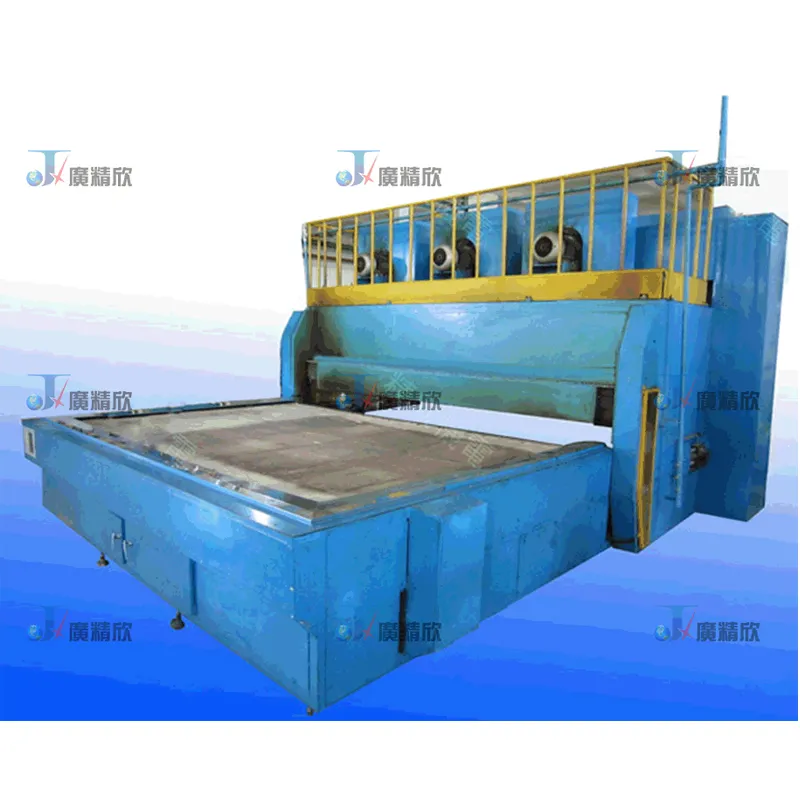
Image: Internal Circulating Air Electrically Heating Oven, a key component in the car mat making process.
| Parameter | Specification |
|---|---|
| Model Name | HLL-ICAEHO-Series |
| Temperature Range | Ambient +10°C to 250°C |
| Temperature Uniformity | ±1.5°C at 150°C (empty chamber) |
| Heating Power | 15 kW - 60 kW (Configurable) |
| Internal Dimensions (W x D x H) | Variable, e.g., 2000mm x 1500mm x 1000mm |
| Air Circulation | Forced Convection, Dual-Fan System |
| Control System | PLC with HMI Touchscreen, PID Control |
| Power Supply | 3-Phase, 380V/50Hz (Customizable) |
| Material of Construction | Internal: SUS304 Stainless Steel; External: Cold-rolled Steel with Powder Coating |
| Safety Features | Over-temperature Protection, Emergency Stop, Door Interlock |
| Certifications | CE, ISO 9001:2015 |
These parameters are critical for achieving consistent product quality, especially for composite mats requiring precise curing profiles. The robust construction with SUS304 stainless steel ensures durability and corrosion resistance, extending the operational lifespan and minimizing maintenance in demanding industrial environments. The advanced PLC control systems facilitate integration into larger automated production lines, offering unparalleled control and data logging capabilities.
Application Scenarios and Technical Advantages
The versatility of modern non woven carpet making machine systems extends across various high-demand applications, providing significant technical and operational advantages.
- Automotive OEM Production: For vehicle manufacturers, these machines provide the precision and speed required for high-volume production of tailored car mats, ensuring perfect fitment and aesthetic integration with new car models. The ability to handle diverse materials allows for compliance with stringent automotive standards for flame retardancy, VOC emissions, and durability.
- Aftermarket Customization: Smaller workshops and specialized accessory providers leverage the flexibility of these machines for customized mat production, catering to specific customer requests for material, color, and unique designs. CNC cutting systems facilitate rapid prototyping and efficient batch production.
- Industrial & Commercial Flooring: Beyond vehicles, the core technologies (lamination, thermal bonding, precision cutting) are adaptable for producing specialized floor coverings for buses, trains, marine vessels, and even industrial environments where anti-fatigue or chemical-resistant mats are needed.
- Specialty Textile Composites: The technology is also applicable to the production of other laminated textile composites requiring precise thermal processing and shaping, such as acoustic insulation panels or lightweight structural components for various industries.
Key Technical Advantages:
- Energy Efficiency: Advanced heating ovens (like the Internal Circulating Air Electrically Heating Oven) incorporate intelligent PID control and optimized air flow, significantly reducing energy consumption compared to conventional heating methods. This translates to lower operational costs and a reduced environmental footprint.
- Precision & Consistency: PLC-driven systems ensure repeatable processes, resulting in highly consistent product quality, dimensional accuracy, and adhesive bonding strength. This minimizes rejects and rework.
- Material Versatility: The ability to process a wide range of materials, from natural fibers to synthetic polymers and rubber compounds, provides manufacturers with flexibility to meet diverse market demands and innovate with new material combinations.
- Automation & Integration: Seamless integration with upstream and downstream equipment (e.g., material feeders, robotic handling, packaging) enables fully automated production lines, reducing labor costs and increasing throughput.
- Durability & Longevity: Constructed from high-grade materials like SUS304 stainless steel for critical components, these machines are built for continuous operation in demanding industrial environments, ensuring a long service life and minimal downtime.
Vendor Comparison: Evaluating Car Mat Making Machine Providers
Choosing the right provider for a car mat making machine is a strategic decision that impacts production efficiency, product quality, and long-term operational costs. Below is a comparison table outlining key considerations when evaluating potential vendors in this specialized industrial equipment market.
| Criterion | Vendor A (e.g., Headliningline) | Vendor B (Competitor) | Vendor C (Specialist) |
|---|---|---|---|
| Specialization | Full Production Lines, Heating Ovens, Lamination | Cutting & Finishing Systems Only | Material Handling & Pre-treatment |
| Key Technology Focus | Thermal Processing, Automation | Precision CNC Cutting | Fiber Preparation & Non-woven Forming |
| Certifications | ISO 9001, CE, TUV Rheinland | CE | ISO 14001 |
| After-Sales Support | Global Network, 24/7 Remote & On-site | Regional Service Centers, Business Hours | Limited Remote Support |
| Customization Options | High (Full System Design & Integration) | Moderate (Module Configuration) | Low (Standard Models Only) |
| Warranty Period | 2 Years Standard, Extendable | 1 Year Standard | 1 Year (Parts Only) |
This comparison underscores the importance of a holistic evaluation, considering not just the initial cost but also long-term support, technological capabilities, and the vendor's ability to provide integrated, high-performance solutions for your machine to make carpet mats.
Customized Solutions for Evolving Production Needs
Recognizing that no two manufacturing operations are identical, leading providers of car mat making machine technology offer extensive customization options. This approach allows clients to optimize their production lines for specific materials, throughput requirements, and factory footprints. Customization often includes:
- Modular Design Integration: Adapting individual machine modules (e.g., heating ovens, laminators, cutting tables) to seamlessly fit existing production environments, minimizing disruption and maximizing ROI.
- Material Handling Systems: Tailoring conveyor widths, speeds, and feeding mechanisms to accommodate specific roll sizes, material types (e.g., heavy rubber, delicate non-wovens), and production volumes.
- Heating & Curing Profiles: Engineering ovens with specialized heating zones, advanced air circulation patterns, and precise temperature/humidity control to perfectly match the curing requirements of proprietary adhesives or complex material laminates.
- Software & Automation: Developing custom PLC programming, HMI interfaces, and data logging capabilities to integrate with enterprise resource planning (ERP) systems, optimize workflow, and provide real-time production analytics.
- Safety & Compliance: Designing machines to meet specific regional safety standards (e.g., OSHA, CE, local electrical codes) and incorporating advanced safety features like light curtains, interlocks, and emergency stop protocols tailored to the operational environment.
This collaborative approach ensures that the implemented solution is not just a machine, but a strategic asset perfectly aligned with the client's manufacturing objectives and future growth.
Application Case Studies
Case Study 1: Enhanced Throughput for Automotive OEM
A major automotive OEM faced challenges in meeting the increasing demand for car mats for their new SUV line. Their existing thermal bonding and curing system in the car mat making machine line was a bottleneck, limited by inconsistent temperature distribution and slow cycle times. Our solution involved integrating a custom-designed Internal Circulating Air Electrically Heating Oven (HLL-ICAEHO-Series) with an extended chamber and enhanced dual-fan forced convection system. This upgrade resulted in:
- A 25% increase in throughput due to reduced curing times and optimized heat transfer.
- Improved adhesion strength by 15% (as per ASTM D903 peel strength tests) due to more uniform temperature application.
- Energy consumption reduced by 10% through advanced PID control and improved insulation, leading to significant operational savings.
The client reported a substantial improvement in overall production efficiency and product quality, solidifying their position as a premium automotive interior supplier.
Case Study 2: Flexible Production for a Custom Mat Manufacturer
A smaller, highly specialized manufacturer of custom luxury car mats required a flexible yet precise heating component capable of handling small batches of diverse, high-value materials, including unique composite backings. Their previous oven lacked the granular control necessary for specialty adhesives and delicate fabrics, leading to high scrap rates. We provided a compact, highly customizable ICAEHO-Series oven with multi-zone heating capabilities and a programmable recipe management system. Key outcomes included:
- Reduction in material waste by 30% through precise temperature control tailored to each material.
- Ability to process new, innovative material combinations previously impossible, expanding their product offerings.
- Faster changeover times between different product lines, increasing operational flexibility and profitability.
This implementation allowed the client to maintain their competitive edge in the niche luxury market, delivering bespoke solutions with consistent quality.
Trustworthiness & Support: FAQ, Lead Time, Warranty, After-Sales
Frequently Asked Questions (FAQ)
- Q1: What materials can your car mat making machine process?
- A1: Our machines are designed to handle a wide range of materials, including various non-woven fabrics (PP, PET), rubber (SBR, PVC, natural rubber), carpet textiles, and composite materials for backing and top layers. We can customize systems for specific material requirements.
- Q2: What is the typical lead time for a new production line?
- A2: Lead times vary depending on the complexity and customization required. For standard configurations of a non woven carpet making machine, it typically ranges from 12-16 weeks. Highly customized full lines may require 20-24 weeks. Detailed timelines are provided upon project scope finalization.
- Q3: What kind of warranty do you offer?
- A3: We provide a comprehensive 2-year warranty on all major components and manufacturing defects from the date of installation. Extended warranty options and service contracts are also available to ensure long-term peace of mind.
- Q4: How do you ensure energy efficiency?
- A4: Our heating ovens feature advanced insulation, intelligent PID temperature control, and optimized internal air circulation systems to minimize heat loss and maximize energy transfer efficiency. This design significantly reduces operational energy consumption compared to older models.
Lead Time & Fulfillment
Our streamlined manufacturing processes and robust supply chain enable efficient fulfillment of orders. For a complete machine to make carpet mats, lead times are carefully managed and communicated transparently from the initial quote stage. We offer phased delivery options for larger projects and provide dedicated project managers to oversee installation, commissioning, and training, ensuring a smooth transition into production.
Warranty Commitments
We stand behind the quality and reliability of our equipment with a strong warranty program. Our standard 2-year warranty covers parts and labor for manufacturing defects under normal operating conditions. Clients also have the option to purchase extended warranty packages, offering additional years of coverage and peace of mind. All warranty claims are handled promptly by our dedicated service team.
Customer Support & Service
Our commitment to customer success extends far beyond the sale. We provide comprehensive after-sales support, including:
- 24/7 Technical Hotline: Immediate assistance for critical operational issues.
- Remote Diagnostics: Our PLC-controlled systems allow for remote troubleshooting and software updates, minimizing downtime.
- On-site Service & Maintenance: A global network of certified technicians available for scheduled maintenance, repairs, and system optimizations.
- Spare Parts Availability: A readily accessible inventory of genuine spare parts to ensure minimal disruption to production.
- Training Programs: Comprehensive training for your operational and maintenance staff, both at our facility and on-site.
This robust support structure ensures optimal performance and maximum uptime for your investment in our advanced manufacturing solutions.
References
- Smith, J. (2022). "Advances in Non-Woven Textile Manufacturing for Automotive Interiors." Journal of Textile Engineering and Design, 15(3), 112-128.
- Chen, L. (2021). "Thermal Processing Techniques in Composite Material Fabrication." International Journal of Materials Science and Applications, 10(6), 201-215.
- Global Automotive Mats Market Report, 2023. Market Research Future.
- ISO 9001:2015. "Quality management systems – Requirements." International Organization for Standardization.