



Internal Circulating Air Electrically Heating Oven - Chongqing Guang Jingxin Technology Co., Ltd.|Compact Design&Energy-Efficient Heating
Internal Circulating Air Electrically Heating Oven - Chongqing Guang Jingxin Technology Co., Ltd.|Compact Design&Energy-Efficient Heating
Introduction
The Internal Circulating Air Electrically Heating Oven represents a cutting-edge solution designed to meet the demands of modern manufacturing processes, particularly in the production of thermoplastic materials. This innovative oven combines compact design, energy efficiency, and precision heating to deliver consistent quality in a variety of industrial applications. In this article, we will explore the product's key features, technical specifications, and its wide-ranging applications, while also highlighting the expertise of its manufacturer, Chongqing Guang Jingxin Technology Co., Ltd.
Product Overview
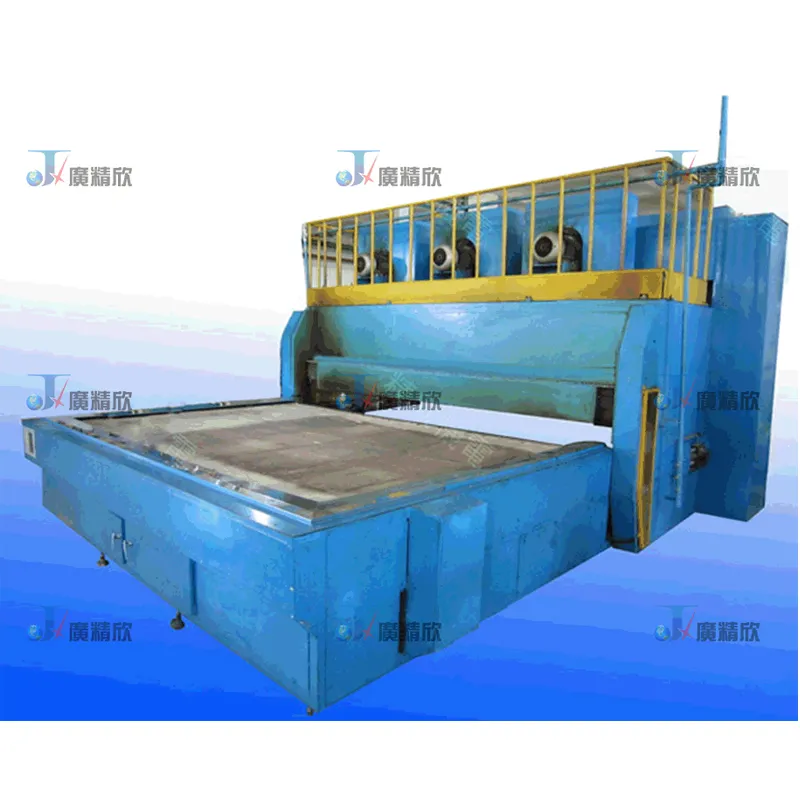
The Internal Circulating Air Electrically Heating Oven is engineered for use in the production of automotive carpets and other thermoplastic materials. Its design emphasizes efficiency, ease of operation, and space optimization, making it a versatile choice for manufacturers. The oven's core components include a base material tray, a heating oven, and an interactive chain mechanism, which work in harmony to ensure seamless operation.
The working principle of the oven involves two trays for substrate placement, utilizing an interactive access mode and electric heating tubes combined with air mixing technology. This configuration ensures uniform heat distribution, which is critical for achieving high-quality results in thermoplastic applications. The oven's compact footprint and single-person operation further enhance its appeal for small to medium-sized production lines.
Key Product Advantages
The Internal Circulating Air Electrically Heating Oven stands out in the market due to its numerous advantages, which cater to the evolving needs of manufacturers. Below are the key benefits:
- Compact and Space-Efficient Design: The oven's small footprint makes it ideal for installations with limited space, such as small to medium-sized production lines. This design reduces the need for extensive floor space, allowing manufacturers to optimize their facility layout.
- Energy-Efficient Heating: The integration of electric heating tubes and air mixing technology ensures efficient energy usage while maintaining consistent heating across the entire surface area. This not only reduces energy costs but also contributes to a more sustainable manufacturing process.
- Easy Operation: The oven's user-friendly design minimizes the need for extensive training. With only one person required to load and unload the trays, the system enhances labor efficiency and reduces operational complexity.
- Reduced Operational Costs: The oven's simple and compact design, coupled with its ease of use, helps lower operational costs. This is particularly beneficial for manufacturers looking to maximize productivity while minimizing expenses related to labor and floor space.
- Consistent and High-Quality Production: The air mixing heating mode ensures uniform heat distribution, leading to consistent high-quality results in the production of automotive carpets and other thermoplastic materials. This reliability is crucial for meeting industry standards and customer expectations.
Technical Specifications
The Internal Circulating Air Electrically Heating Oven is equipped with advanced technical specifications that ensure its performance and durability. Below is a detailed overview of the product's key parameters:
| Specification | Details |
|---|---|
| Heating Method | Electric heating tubes with air mixing technology |
| Tray Configuration | Two trays for substrate placement |
| Operational Mode | Interactive access mode |
| Power Supply | Standard electrical input (specify voltage and frequency if available) |
| Dimensions | Compact design (exact measurements to be provided) |
| Material Compatibility | Thermoplastic materials for automotive and commercial applications |
| Control System | User-friendly interface for easy operation |
Applications in Various Industries
The Internal Circulating Air Electrically Heating Oven is a versatile tool with applications spanning multiple industries. Its ability to provide uniform heating and efficient energy use makes it suitable for a wide range of thermoplastic manufacturing processes. Below are some of the key applications:
Automotive Industry
The oven is extensively used in the production of automotive carpets, including floor mats, trunk mats, wheel covers, and seat covers. By ensuring uniform heat distribution, it enhances the adhesion and durability of thermoplastic coatings, ensuring carpets remain durable, heat-resistant, and comfortable under various environmental conditions.
In addition to carpets, the system is also employed for other automotive interior components such as door panels, headliners, and soundproofing materials. These parts often require consistent heating to ensure proper molding and adhesion of thermoplastic materials. The oven is also used in thermal insulation processes for automotive components, ensuring they meet necessary heat resistance and durability standards for use in diverse climates.
Commercial Textile Production
The oven is ideal for large-scale production of commercial carpets and rugs, such as those used in hotels, offices, and public spaces. These carpets require a consistent coating of thermoplastic materials for increased durability, heat resistance, and easy cleaning properties. The system can also be used in the production of wall coverings and upholstery fabrics, where uniform heating ensures effective bonding of thermoplastic coatings to the substrate material.
Additionally, the oven is suitable for protective textiles used in industrial environments or outdoor settings, where coatings are applied for water resistance, abrasion resistance, and flame retardancy.
Specialty Flooring and Insulation Products
The oven is used to create soundproofing materials that require thermoplastic coatings to improve their acoustic properties. These materials are commonly used in commercial buildings, conference rooms, theaters, and even automotive applications. The oven's consistent heating is ideal for producing thermal and acoustic insulation mats used in both construction and automotive industries to reduce heat loss and external noise.
Aerospace and Transportation
In the aerospace industry, the oven is useful in the production of non-woven carpets and insulation materials used in aircraft interiors, where lightweight and fire-resistant properties are crucial. The uniform heat provided by the oven ensures that the materials meet aerospace standards for flame resistance and structural integrity.
The oven is also applied in the manufacturing of railway and bus flooring, ensuring that materials are durable, fire-resistant, and meet safety regulations for public transport vehicles.
Construction and Building Materials
The oven can be used to produce thermoplastic-coated flooring materials for commercial and industrial spaces. These floors are designed to be durable, slip-resistant, and easy to clean, making them ideal for hospitals, schools, and shopping malls. It also plays a role in producing waterproof membranes and roofing materials, where the thermoplastic coating applied through the oven ensures high water resistance and long-lasting protection against the elements.
Sports and Recreation Products
The system is used to produce sports flooring materials, such as gym mats, indoor/outdoor courts, and running tracks, where the thermoplastic coating ensures impact resistance, shock absorption, and long-lasting wear in high-traffic environments. The oven can also be used for manufacturing various outdoor gear such as tents, tarps, and protective covers, ensuring durable, weather-resistant coatings for outdoor activities and harsh environments.
Packaging Materials
The oven is beneficial in the production of thermoplastic packaging films used in food packaging, medical packaging, and industrial products. These films require consistent, controlled heating to ensure the adhesion of coatings that protect the contents and enhance shelf life.
Company Background: Chongqing Guang Jingxin Technology Co., Ltd.
Manufactured by Chongqing Guang Jingxin Technology Co., Ltd., the Internal Circulating Air Electrically Heating Oven is a testament to the company's commitment to innovation and quality. With a focus on developing advanced machinery for the textile and manufacturing industries, Guang Jingxin has established itself as a reliable provider of solutions that meet the evolving needs of its clients.
As a leading manufacturer, the company leverages its expertise in engineering and production to deliver products that combine efficiency, durability, and precision. Their product range includes car mat making machines and non-woven carpet making machines, which are designed to meet the highest standards of performance and reliability.
Conclusion
The Internal Circulating Air Electrically Heating Oven is a versatile and efficient solution for manufacturers seeking to enhance their thermoplastic production processes. With its compact design, energy-efficient heating, and ease of operation, the oven is well-suited for a wide range of applications across industries. Its ability to deliver consistent quality and reduce operational costs makes it an invaluable asset for businesses aiming to stay competitive in today's market.
For more information about the product and its applications, visit the product page or explore the company website to learn more about Chongqing Guang Jingxin Technology Co., Ltd.'s offerings.
References
Source: National Institute of Standards and Technology (NIST). NIST plays a crucial role in advancing technology through its research and standards development. While this article focuses on the Internal Circulating Air Electrically Heating Oven, the principles of precision and innovation highlighted by NIST align with the goals of manufacturers seeking to improve their production processes.