



Investing in a Commercial Laminating Machine for Business Success
Investing in a Commercial Laminating Machine for Business Success
Commercial Laminating Machine: A Comprehensive Guide
Investing in a commercial laminating machine is a crucial step for businesses needing to protect and enhance documents, signage, or other materials. From print shops to packaging companies, these machines offer durability, professional finishes, and increased longevity for a wide array of products. This article will explore the benefits, types, key features, and considerations when choosing the right commercial laminator for your specific needs. Understanding these factors will help you make an informed decision and maximize your return on investment.
The Benefits of Using a Commercial Laminating Machine
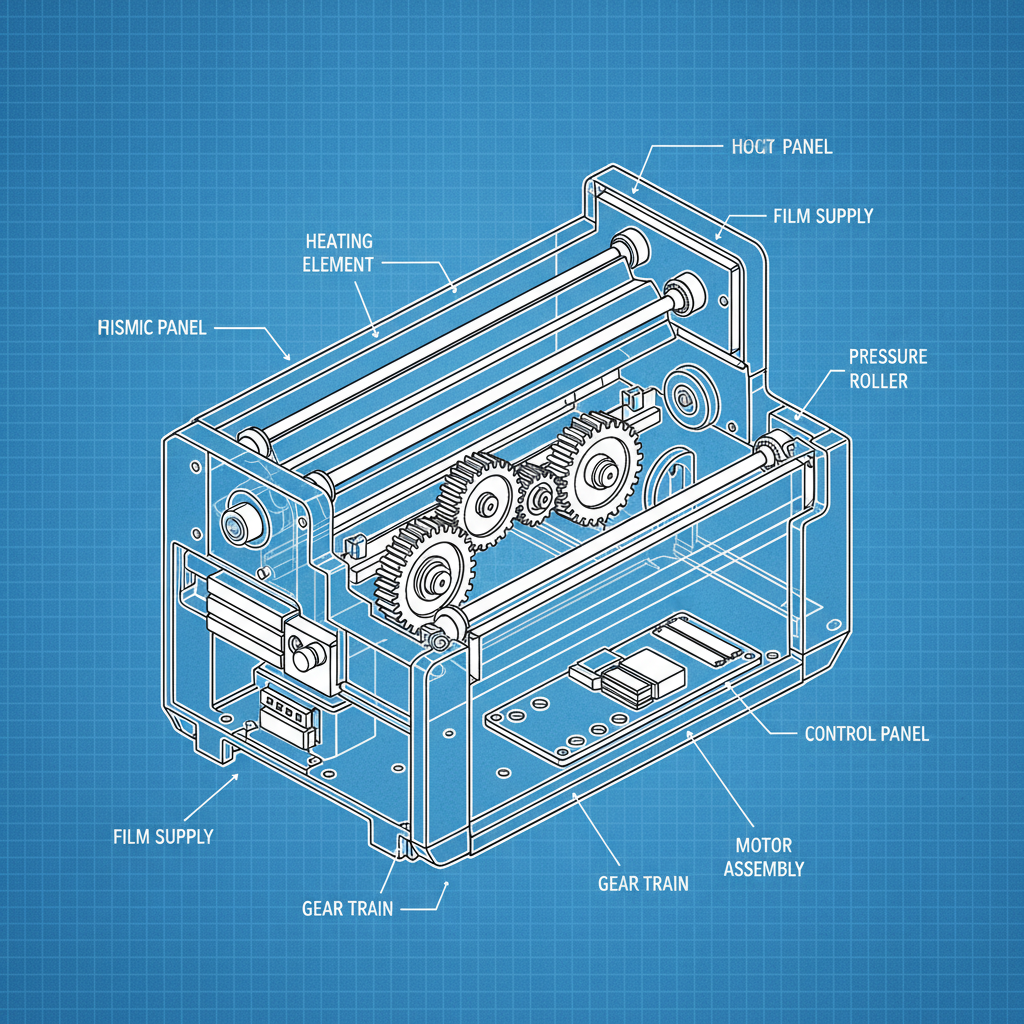
Commercial laminating machines provide several key advantages over manual or smaller-scale lamination. Firstly, they offer increased speed and efficiency, handling large volumes of materials quickly. This is vital for businesses with high production demands. Secondly, they deliver consistently high-quality results with even lamination coverage and professional finishes. Finally, lamination enhances durability, protecting documents from moisture, dust, UV damage, and everyday wear and tear. This not only improves the appearance of the laminated item but also extends its lifespan, providing long-term value. Investing in a robust commercial laminator represents a significant step towards improved product quality and client satisfaction.
Key Advantages: Increased speed & efficiency, consistently high-quality results, enhanced durability & lifespan, protection from environmental factors.
Types of Commercial Laminating Machines
There are several different types of commercial laminating machines, each suited to different needs and budgets. Roll Laminators are the most common type, utilizing heated rollers to apply lamination film to both sides of a document simultaneously. Pouch Laminators are more suited for lower-volume jobs or single-sided lamination, using pre-sealed pouches. Cold Laminators use pressure-sensitive adhesive film and are ideal for materials sensitive to heat. Finally, Film Laminators are designed for large format lamination and typically utilize roll film, and they often boast automatic features. Choosing the right type depends on the volume of work, the materials you'll be laminating, and your desired finish.
Laminator Type Overview:
• Roll Laminators: High volume, double-sided lamination.
• Pouch Laminators: Low volume, single-sided lamination.
• Cold Laminators: Heat-sensitive materials, pressure adhesive.
• Film Laminators: Large format, automatic features.
Choosing the Right Commercial Laminating Machine
Selecting the appropriate commercial laminating machine requires careful consideration of several factors. First, assess your volume needs – how many items will you be laminating daily? Second, consider the material types and thicknesses. Third, think about the desired laminate finish – glossy, matte, or textured. Finally, factor in your budget and available space. A machine with automatic features like film tension control and adjustable speed can significantly improve efficiency, but they often come at a higher price point. It’s also important to consider the availability of replacement parts and technical support.
Key Features to Look for in a Commercial Laminating Machine
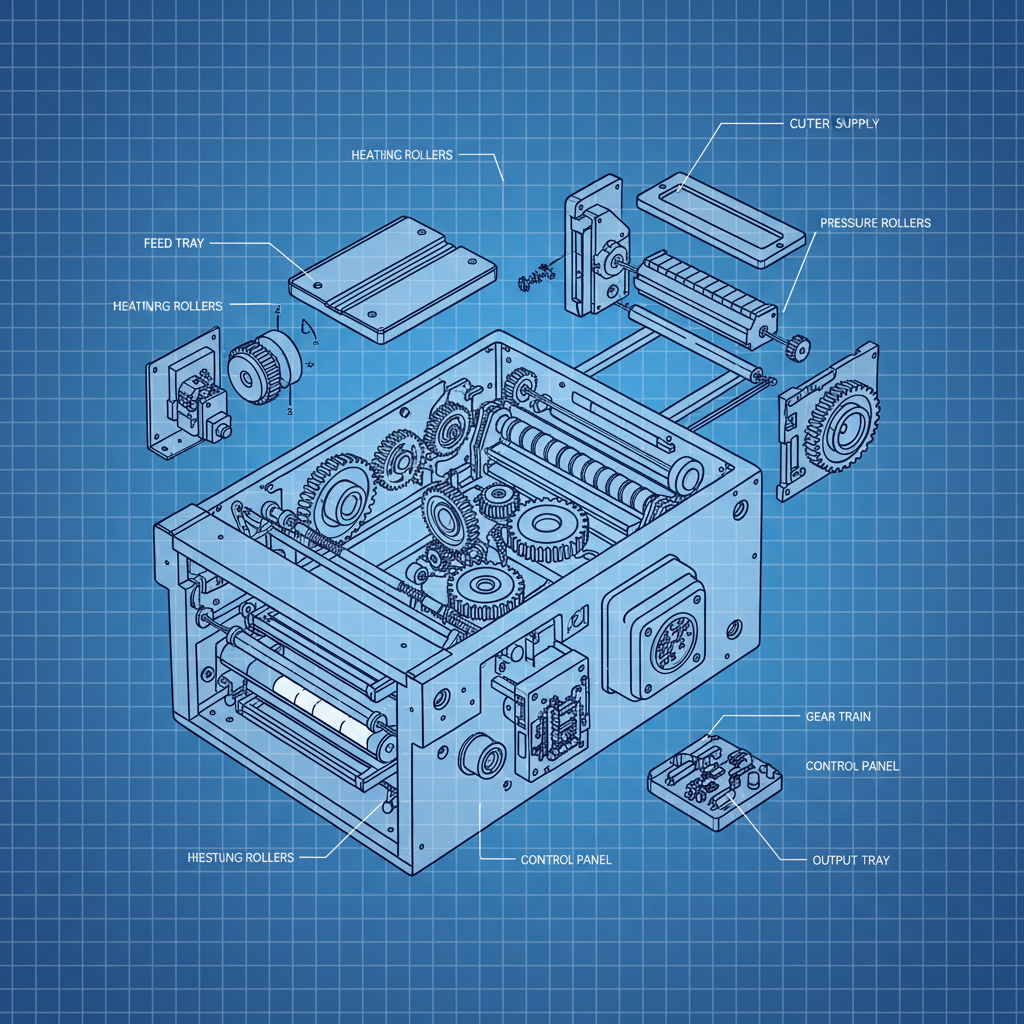
When comparing models, prioritize machines with features that will optimize your workflow and ensure quality results. Look for adjustable temperature controls to accommodate different film types. Variable speed settings are also essential for handling various materials. Automatic film tension control prevents wrinkles and ensures consistent lamination. Built-in safety features, such as overheat protection, are crucial for operator safety. Furthermore, consider the ease of maintenance and the availability of replacement parts. A user-friendly interface and clear instructions will minimize downtime and maximize productivity.
Where to Buy Your Commercial Laminating Machine
Purchasing from a reputable supplier like Headlining Line ensures you receive a quality machine, competitive pricing, and excellent customer support. We offer a wide selection of commercial laminating machines to fit your specific needs and budget. Our expert team can help you navigate the options and choose the perfect machine for your business. We also provide comprehensive training and ongoing technical support to ensure a smooth and successful implementation.
Conclusion: Investing in the Right Laminating Solution
Choosing the right commercial laminating machine is a vital investment for any business. By carefully considering your needs, evaluating the different types of machines, and prioritizing key features, you can ensure a smooth and efficient workflow, high-quality results, and long-term value. Don’t hesitate to reach out to experts at Headlining Line for personalized guidance and support.
Frequently Asked Questions (FAQs)
What film thickness should I use with my commercial laminator?
The appropriate film thickness depends on the material you're laminating and the desired level of protection. Thicker films (3mil to 5mil) offer greater durability and rigidity, ideal for items requiring heavy use or outdoor display. Thinner films (1mil to 2mil) are suitable for documents that need basic protection and a smooth finish. Always consult the laminator's manual for recommended film thicknesses and test different options to achieve the optimal result. Using the incorrect thickness can lead to poor adhesion, wrinkles, or damage to the machine.
How often should I clean my commercial laminator?
Regular cleaning is essential for maintaining the performance and longevity of your laminator. Clean the rollers after each use to remove any residual adhesive or dust. Use a soft, lint-free cloth and a mild cleaning solution recommended by the manufacturer. Periodically inspect and clean the feed and take-up rollers, as well as the machine's exterior surfaces. Preventative maintenance, such as lubricating moving parts, will also help to ensure smooth operation and prevent breakdowns.
What types of materials can be laminated?
Commercial laminators can handle a wide range of materials, including paper, cardboard, photos, maps, posters, and even some fabrics. However, it’s crucial to ensure the material is compatible with the chosen lamination film and the machine’s temperature settings. Avoid laminating materials that are coated with adhesives or contain volatile chemicals, as these can damage the machine. Always test a small sample before laminating an entire batch.
What are the benefits of glossy vs. matte lamination?
Glossy lamination enhances colors and creates a vibrant, eye-catching finish, making it ideal for marketing materials and promotional items. However, it can be prone to glare and fingerprints. Matte lamination provides a more sophisticated and subdued look, reducing glare and offering a smooth, tactile surface. It’s often preferred for documents that require readability or a professional appearance. The choice between glossy and matte depends on the desired aesthetic and the intended use of the laminated item.