



Choosing the Best Heavy Duty Laminating Machine for Business and Professional Use
Choosing the Best Heavy Duty Laminating Machine for Business and Professional Use
Choosing the Right Heavy Duty Laminating Machine for Your Business
In today’s fast-paced business environment, presentation matters. Whether you’re creating durable signage, protecting important documents, or producing professional marketing materials, a heavy duty laminating machine is an invaluable asset. But with numerous options available, selecting the right machine can be a daunting task. This article will guide you through the key considerations, features, and benefits of investing in a robust laminator, helping you make an informed decision for your specific needs. We'll cover everything from lamination thickness to the types of materials you can use, ensuring you get the best return on your investment.
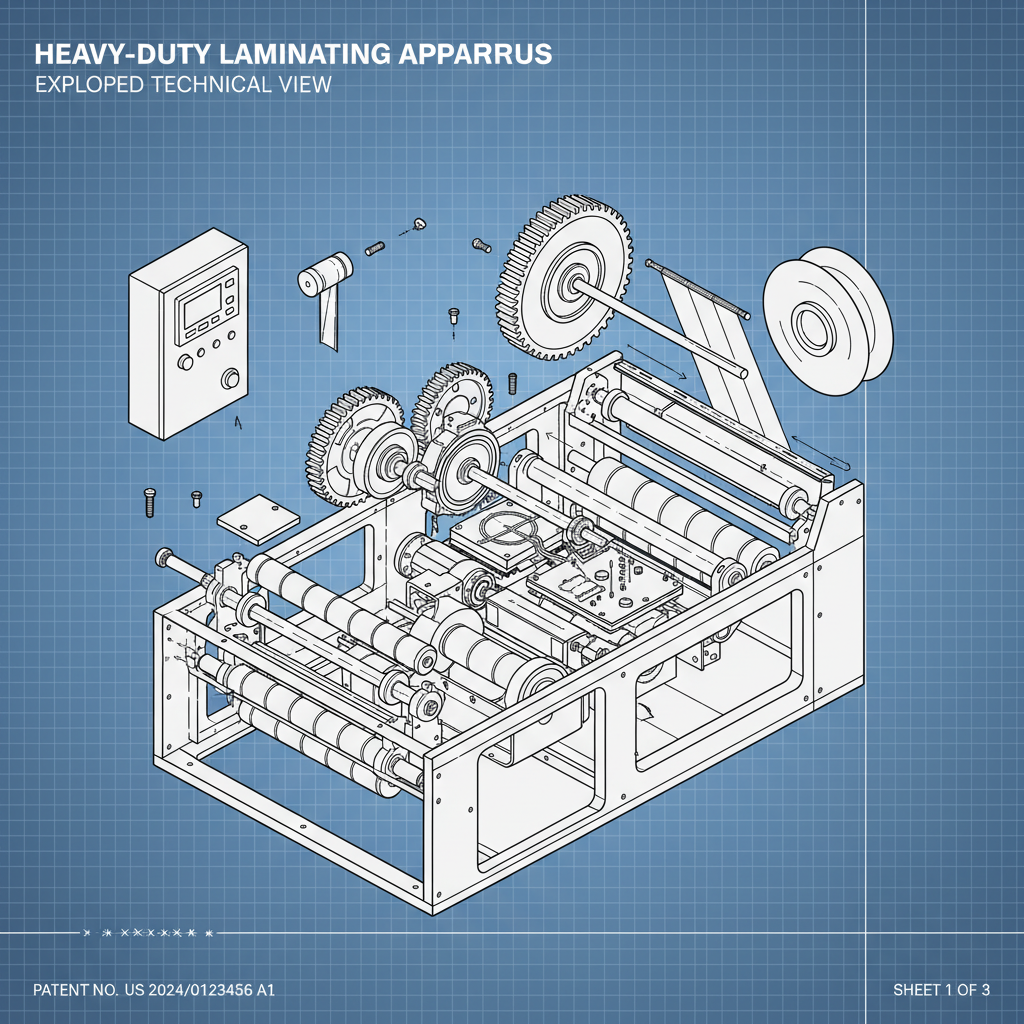
Understanding the Core Benefits of a Heavy Duty Laminating Machine
A heavy duty laminator isn’t just about protecting paper. It’s about enhancing the lifespan and visual appeal of your documents, graphics, and displays. The process encapsulates your materials in a protective layer, shielding them from moisture, UV light, dirt, and wear and tear. This is crucial for items intended for outdoor use, frequent handling, or long-term preservation. Investing in a quality machine also dramatically improves the professionalism of your finished products, conveying a higher level of quality and attention to detail to your customers. Furthermore, heavy duty laminating machines offer increased efficiency compared to manual methods, saving you time and labor costs.
Key Highlights: Enhanced document durability, improved professional appearance, increased efficiency, protection from environmental factors, cost savings through reduced replacement of damaged materials.
Key Features to Consider When Purchasing a Heavy Duty Laminating Machine
When evaluating heavy duty laminators, several key features should be at the forefront of your decision-making process. Consider the maximum lamination width and thickness capabilities. Larger width machines are essential for posters and banners, while variable thickness adjustments allow you to accommodate different materials and desired levels of protection. Warm-up time is another crucial factor – quicker warm-up times mean less downtime and increased productivity. Look for machines with adjustable speed settings to cater to various film thicknesses and materials. Finally, ease of use and maintenance should be prioritized, choosing a model with intuitive controls and readily available replacement parts.
Essential Features Checklist:
• Maximum lamination width and thickness
• Warm-up time
• Adjustable speed settings
• User-friendly interface
• Availability of replacement parts
Heavy Duty Laminating Machine Comparison: Pouches vs. Roll Laminators
A significant decision when choosing a laminating machine is whether to opt for a pouch laminator or a roll laminator. Pouch laminators are generally more affordable and compact, ideal for low-volume lamination of individual documents. However, they are limited in size and can be less efficient for larger projects. Roll laminators, on the other hand, utilize rolls of laminating film and are designed for high-volume production and wider format lamination. While initially more expensive, they offer significantly greater speed, efficiency, and versatility. The best choice depends on your anticipated lamination volume and the types of materials you’ll be working with. Headliningline offers both options to suit diverse business needs.
Applications for Heavy Duty Laminating Machines
The applications for a heavy duty laminator are incredibly diverse. Businesses can use them to create durable menus, point-of-sale displays, signage, ID badges, and marketing brochures. Schools and educational institutions rely on laminators to protect learning materials, charts, and student artwork. Print shops use them to enhance the quality and durability of their products. Even individuals can benefit from laminating important documents, photos, and artwork for long-term preservation. The ability to create professional-looking and long-lasting materials opens up a wide range of possibilities for both commercial and personal use.
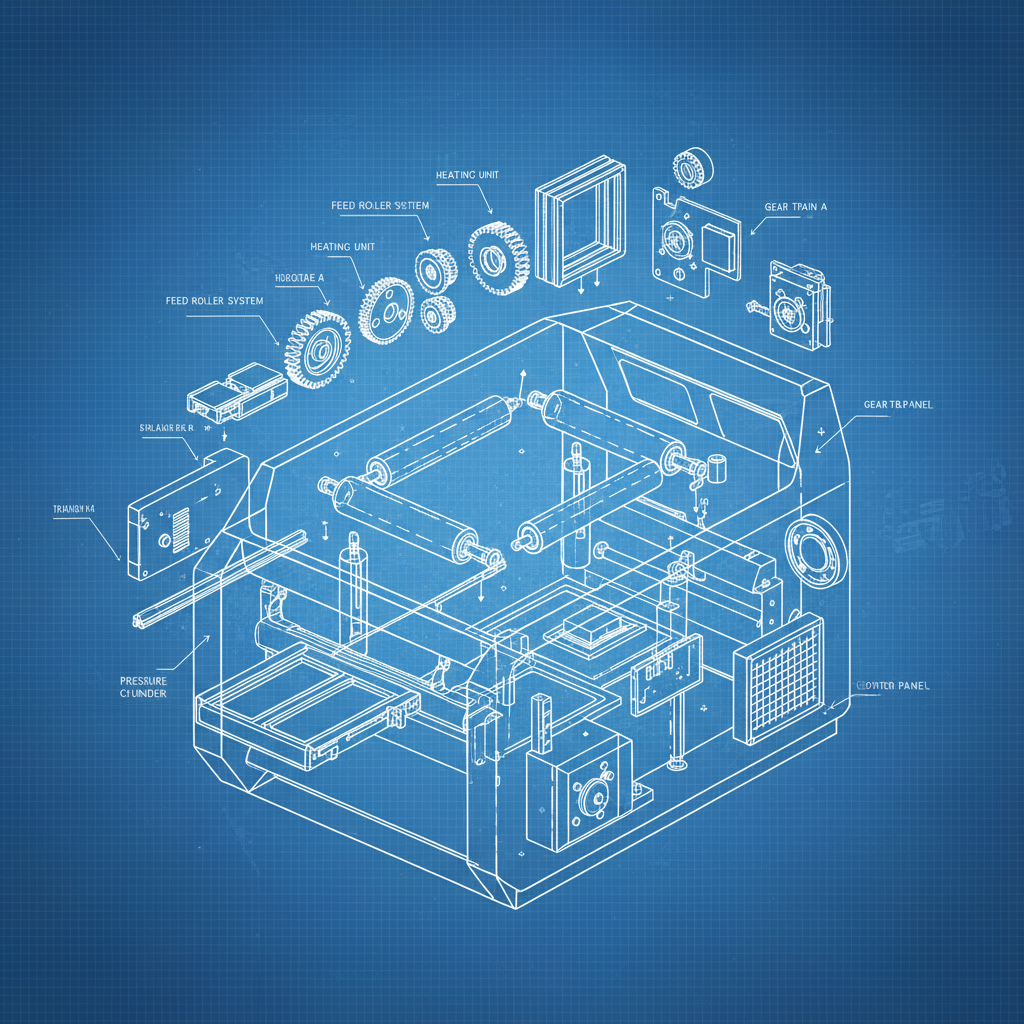
Choosing the Right Laminate Film: Thickness and Finish
The type of laminate film you choose is just as important as the machine itself. Laminate films come in various thicknesses, measured in mils (thousandths of an inch). Thicker films offer greater protection but can also be more rigid. Common thicknesses range from 3 mil to 10 mil. You'll also find different finishes, including glossy, matte, and textured. Glossy finishes enhance colors and provide a vibrant look, while matte finishes reduce glare and offer a more sophisticated appearance. Consider your application and desired aesthetic when selecting the right film. Headliningline carries a comprehensive selection of laminate films to meet every need.
Conclusion: Investing in Quality for Long-Term Results
Investing in a heavy duty laminating machine is a strategic investment that can significantly benefit your business. By carefully considering your needs and the features outlined in this guide, you can select a machine that delivers exceptional performance, durability, and value. Don't compromise on quality – choose a laminator that will protect your valuable materials and enhance your professional image.
Frequently Asked Questions (FAQs)
What materials can I laminate with a heavy duty machine?
Heavy duty laminators can handle a wide variety of materials, including paper, cardboard, photos, posters, blueprints, and even some fabrics. However, it's crucial to check the machine's specifications and the laminate film's compatibility with the material you intend to use. Avoid laminating materials that are heat-sensitive or may release harmful fumes when heated. Always test a small, inconspicuous area first to ensure compatibility and prevent damage.
How do I troubleshoot common laminating issues, such as wrinkles or bubbles?
Wrinkles and bubbles are common issues, often caused by uneven feeding of the laminate film or incorrect speed settings. Ensure the film is fed straight and consistently through the machine. Adjust the speed setting to match the film thickness and material type. If bubbles persist, try using a roller or squeegee to smooth out the laminate after it exits the machine. Maintaining the machine and using high-quality laminate film can also help prevent these issues.
What maintenance is required for a heavy duty laminating machine?
Regular maintenance is essential for keeping your laminator running smoothly. Clean the rollers with a soft, lint-free cloth after each use to remove any adhesive residue. Periodically check the temperature settings and ensure they are accurate. Inspect the machine for any signs of wear or damage, and replace any worn parts promptly. Following the manufacturer's instructions for cleaning and maintenance will help extend the life of your machine.
Are heavy duty laminating machines energy efficient?
Energy efficiency varies depending on the model and features. Look for machines with energy-saving modes, such as automatic shut-off timers, to reduce energy consumption. Modern laminators are generally more energy-efficient than older models. Consider the machine's power consumption specifications when making your decision, especially if you plan to use it frequently.