



Precision Glue Rolling Machine for Hot Melt Coating & Spreading
Precision Glue Rolling Machine for Hot Melt Coating & Spreading
Understanding the Modern glue rolling machine in B2B Manufacturing
In an increasingly competitive industrial landscape, precision and efficiency in adhesive application are paramount. The glue rolling machine, a critical component in many production lines, offers unparalleled consistency and speed for various bonding processes. Often referred to interchangeably as a glue coating machine or roller glue spreader, its role extends from woodworking and panel lamination to automotive interiors and textile bonding. This comprehensive guide delves into the technical intricacies, application benefits, and strategic considerations for deploying state-of-the-art glue rolling technology.
Industry Trends and Technological Evolution
The adhesive application industry is witnessing significant advancements driven by demands for higher quality, faster production, and environmental sustainability. Key trends include the proliferation of intelligent automation, the integration of IoT for real-time monitoring, and the adoption of advanced adhesive types like PUR (Polyurethane Reactive) hot melts. Modern glue rolling machine systems are designed to handle these complex adhesives with precise temperature and viscosity control, ensuring optimal bonding strength and reduced material waste.
The shift towards PUR glue, exemplified by products like the Glue Rolling Production Line (PUR glue), is particularly noteworthy. PUR adhesives offer superior bond strength, flexibility, and resistance to temperature and moisture, making them ideal for high-performance applications. This necessitates hot melt glue coating machine systems capable of precise heating, uniform spreading, and efficient cleanup to prevent premature curing and material degradation.
Detailed Process Flow: Manufacturing a High-Performance Glue Rolling Machine
The manufacturing of a robust glue rolling machine involves a multi-stage process, focusing on precision engineering and durable materials to ensure long service life and consistent performance. Here’s a schematic overview:
1. Material Selection & Sourcing
High-grade steel alloys (e.g., SUS304 for corrosion resistance, specialized tool steel for rollers) are selected. Components requiring high wear resistance, such as the spreading rollers and doctor blades, often utilize hardened chrome-plated steel or specialized rubber coatings for optimal adhesive transfer. Electrical components meet UL or CE standards.
2. Frame Fabrication (Casting/Welding)
The machine frame, often using heavy-duty fabricated steel, is either cast for exceptional rigidity or precisely welded from laser-cut plates. Stress relieving processes are employed post-welding to prevent distortion and ensure long-term structural integrity.
3. Roller Manufacturing (Forging & CNC Machining)
The heart of the glue rolling machine, the rollers, undergo forging for material density and strength, followed by multi-axis CNC machining to achieve micron-level concentricity and surface finish. Specialized coatings (e.g., hard chrome, silicone, EPDM) are applied for specific adhesive types and wear resistance. Dynamic balancing is performed to eliminate vibrations.
4. Component Assembly & Integration
Precision bearings, gearboxes, motors, and advanced PLC control systems are integrated. For hot melt glue coating machine variants, specialized heating elements, temperature sensors, and closed-loop control systems are carefully installed and calibrated to manage PUR glue viscosity.
5. Quality Control & Testing
Each machine undergoes rigorous testing, including load testing, operational speed checks, adhesive spread uniformity analysis (e.g., +/- 5gsm deviation), and safety protocol verification. Adherence to international standards like ISO 9001 for quality management and ANSI standards for machine safety is strictly observed. Roll runout tests are performed to ensure precise gap control.
6. Finishing & Packaging
The machine is cleaned, painted with industrial-grade, corrosion-resistant coatings, and carefully packaged for transport. Detailed operational manuals and maintenance guides are provided. A typical service life for well-maintained industrial roller glue spreader systems exceeds 15-20 years.
Target Industries and Advantages: These robust machines find extensive use in industries such as woodworking (panel lamination, furniture manufacturing), automotive (interior trim, headliners), textiles (fabric lamination, non-wovens), packaging, and construction materials. Advantages include significant energy savings through optimized adhesive consumption, exceptional corrosion resistance due to material choices, and unparalleled uniform adhesive application, minimizing material costs and enhancing product quality.
Key Technical Specifications of a PUR Glue Rolling Production Line
Modern PUR glue coating machine systems are engineered for high performance and precision. Below are typical specifications for an advanced Glue Rolling Production Line designed for PUR adhesives.
| Parameter | Specification |
|---|---|
| Applicable Adhesives | PUR Hot Melt, EVA Hot Melt, solvent-based adhesives (with modifications) |
| Max. Coating Width | 1300mm - 2500mm (customizable) |
| Coating Speed | 5 - 40 m/min (variable speed drive) |
| Coating Weight Range | 20 - 200 g/m² (adjustable with precision gap control) |
| Roller Diameter | Φ200mm - Φ350mm (precision ground, hard chrome plated) |
| Heating Method (for PUR) | Oil-jacketed or Electric Resistive with PID temperature control |
| Temperature Control Accuracy | ±1°C (for adhesive tank and rollers) |
| Power Consumption | 15 kW - 45 kW (depending on configuration) |
| Control System | PLC with HMI Touch Screen interface (e.g., Siemens, Allen-Bradley) |
| Machine Dimensions (L x W x H) | Approx. 3000 x (Width + 500) x 1800 mm |
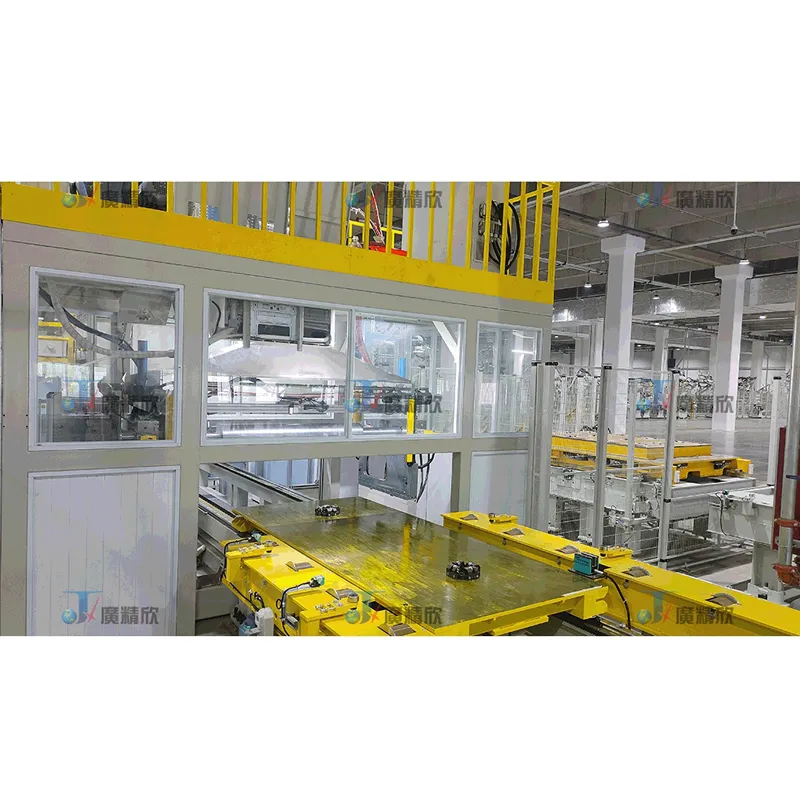
Image: A sophisticated PUR glue rolling machine in operation, showcasing precision engineering.
Application Scenarios and Strategic Advantages
The versatility of the modern glue rolling machine makes it indispensable across diverse manufacturing sectors. Its core advantages translate directly into operational efficiencies and enhanced product quality.
- Woodworking & Panel Production: For laminating decorative films, veneers, or HPL/CPL onto MDF, particleboard, or plywood. The precise, even spread of adhesive ensures blister-free surfaces and strong, durable bonds, crucial for furniture and architectural panels.
- Automotive Interiors: Bonding fabrics, foams, and decorative trims to interior components. The ability to control adhesive thickness precisely prevents oversaturation and ensures aesthetic integrity, while PUR glue provides resilience to temperature fluctuations.
- Textile & Non-woven Lamination: Creating multi-layer composite fabrics for sportswear, medical textiles, or industrial applications. A roller glue spreader ensures consistent adhesion across wide web materials, maintaining fabric breathability and flexibility.
- Packaging: Laminating various substrates for protective or decorative packaging. High-speed operation combined with precise adhesive metering allows for efficient production of high-quality packaging materials.
- Construction Materials: Bonding insulation panels, facade elements, or flooring components. The robust bond achieved with advanced adhesives and uniform application enhances product longevity and performance in demanding environments.
The strategic advantages are manifold: improved bond strength and durability, significant reduction in adhesive consumption due to precise metering (up to 30% savings compared to manual application), increased production speed, and enhanced safety through automated, enclosed systems, particularly important when working with hot melt glue coating machine technologies involving high temperatures.
Vendor Comparison: Key Differentiators in Glue Rolling Technology
Choosing the right glue rolling machine vendor requires a thorough evaluation beyond initial purchase price. Factors like technological innovation, after-sales support, customization capabilities, and long-term operational costs are critical. Below is a comparative overview of typical features and capabilities:
| Feature/Attribute | Entry-Level / Standard Vendor | Premium / Specialized Vendor (e.g., Headlining Line) |
|---|---|---|
| Adhesive Type Compatibility | Primarily solvent-based, EVA; limited PUR handling. | Full PUR capability (oil-heated rollers, airtight tank), EVA, water-based, solvent-based. |
| Roller Precision & Material | Standard steel, basic grinding, wider tolerance (+/- 10gsm). | Hard chrome-plated, precision CNC ground rollers; very tight tolerance (+/- 5gsm). |
| Control System | Basic push-button or simple digital interface. | Advanced PLC with HMI touch screen, recipe storage, remote diagnostics, IoT readiness. |
| Heating/Melting System | Direct electric heating, open glue tank (for hot melt). | Closed-loop oil-heated system, nitrogen purging for PUR, precise temperature zones. |
| Cleaning System | Manual scraping, difficult for reactive adhesives. | Automated solvent or water flushing, quick-change rollers, non-stick coatings. |
| Customization & Integration | Limited standard models. | Extensive customization for width, speed, adhesive type, full line integration. |
| After-sales Support | Local distributors, basic support. | Global network, 24/7 technical support, remote troubleshooting, spare parts availability. |
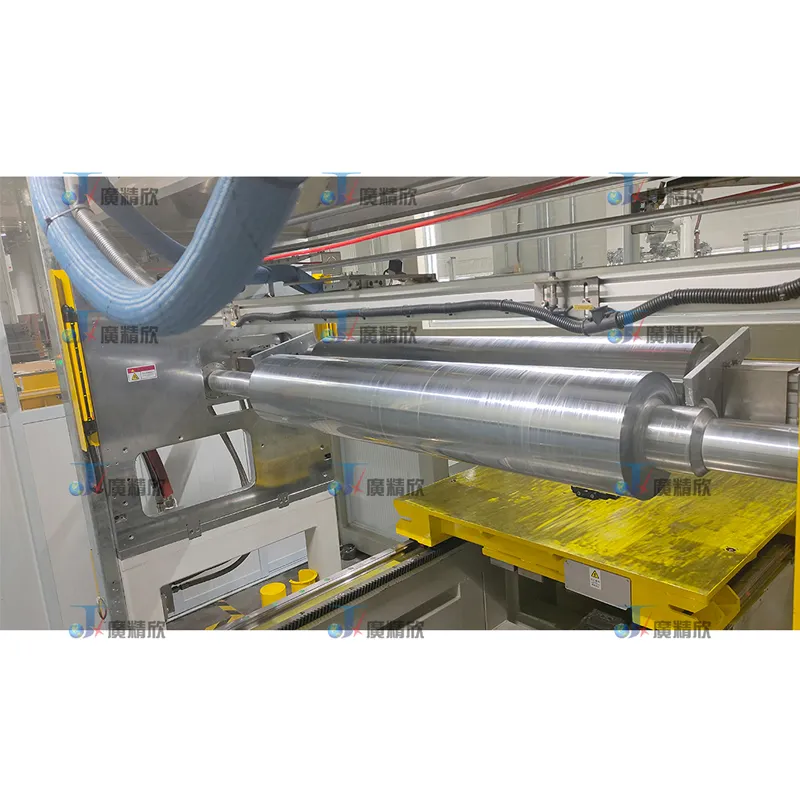
Image: A detailed view of a glue rolling machine's control panel and precision rollers.
Customized Solutions and Real-World Case Studies
Many B2B manufacturers require bespoke adhesive application solutions. Leading glue coating machine providers excel in offering highly customized systems to meet unique production challenges. This includes varying machine widths to accommodate specific panel sizes, integrating pre-heating or post-press units, or designing specialized roller configurations for unusual substrates or adhesive formulations.
Case Study: Automotive Headliner Production
A major automotive interior manufacturer faced challenges with delamination of headliner fabrics, especially in extreme temperature conditions. Their existing roller glue spreader was struggling with uniform application of a new generation of heat-resistant PUR adhesives. Our team provided a customized Glue Rolling Production Line featuring:
- An advanced, closed-loop oil-heating system ensuring precise adhesive temperature control to within ±0.5°C, crucial for PUR activation.
- Specially grooved, hard chrome-plated rollers designed to optimize adhesive transfer onto non-woven fabrics, reducing adhesive consumption by 25%.
- Integrated automatic cleaning cycles to prevent PUR curing on rollers during short stops, minimizing downtime and maintenance.
Results: The client reported a 98% reduction in delamination issues, a 15% increase in production speed, and significant savings in adhesive costs, leading to a rapid ROI and enhanced product reputation. This demonstrates the critical impact of a purpose-built glue rolling machine solution.
Trust and Support: FAQ, Lead Time, Warranty, and After-Sales
Frequently Asked Questions (FAQ)
Q: What is the typical lead time for a custom glue rolling machine?
A: Standard models typically have a lead time of 4-6 weeks from order confirmation. Custom configurations, depending on complexity, may require 8-12 weeks for design, manufacturing, and testing.
Q: How do I choose the right roller material and coating?
A: The choice depends on the adhesive type and substrate. For PUR, hard chrome-plated steel rollers are common. For abrasive materials, ceramic coatings might be suitable. Our technical team assists in selecting the optimal configuration based on your specific application.
Q: What are the maintenance requirements for a PUR hot melt glue coating machine?
A: Regular cleaning of rollers, checking adhesive filters, and verifying temperature calibration are crucial. For PUR systems, proper flushing procedures at the end of shifts or before extended downtimes are essential to prevent adhesive curing in the system. Our machines are designed for ease of maintenance with accessible components.
Lead Time & Fulfillment
Our commitment to efficient fulfillment ensures that your production schedule remains on track. We maintain a streamlined manufacturing process, backed by robust supply chain management. For standard Glue Rolling Production Lines, expected lead times are typically 4-6 weeks. Expedited options may be available upon request, subject to production capacity. All machines undergo rigorous pre-shipment testing to guarantee performance upon arrival.
Warranty Commitments
We stand behind the quality and reliability of our glue rolling machine products. All new machines come with a comprehensive 12-month warranty covering parts and labor against manufacturing defects. Extended warranty options are available. Our warranty terms are clear and compliant with industry standards, offering peace of mind to our clients.
Customer Support Information
Our dedicated global support team is available to assist with installation, training, troubleshooting, and spare parts. We offer 24/7 technical assistance via phone and email, along with remote diagnostic capabilities for PLC-controlled systems. On-site technical support can be arranged for complex issues. Our goal is to ensure minimal downtime and maximum operational efficiency for your investment in our glue rolling machine.
References
- Adhesives & Sealants Industry Magazine. "Advances in PUR Hot Melts for Lamination." ISSN 0747-0205.
- ISO 9001:2015 - Quality management systems — Requirements. International Organization for Standardization.
- ASM International. "ASM Handbook, Volume 2: Properties and Selection: Nonferrous Alloys and Special-Purpose Materials." ISBN 978-0871707011.
- Journal of Adhesion Science and Technology. "Effect of Roller Parameters on Adhesive Coating Uniformity." DOI: 10.1080/01425686.XXXX.XXXXXX.