



Maximize Print Quality and Durability with a Roll Laminating Machine
Maximize Print Quality and Durability with a Roll Laminating Machine
Roll Laminating Machine: A Comprehensive Guide
Are you looking to enhance the durability, presentation, and value of your printed materials? A roll laminating machine is the answer. This article provides an in-depth look at roll laminating machines, their benefits, applications, and key considerations for choosing the right one for your business. From protecting documents to creating vibrant displays, roll lamination offers a professional finish that sets your work apart. We'll explore the types of machines available and the features to look for to ensure optimal performance.
What is a Roll Laminating Machine?
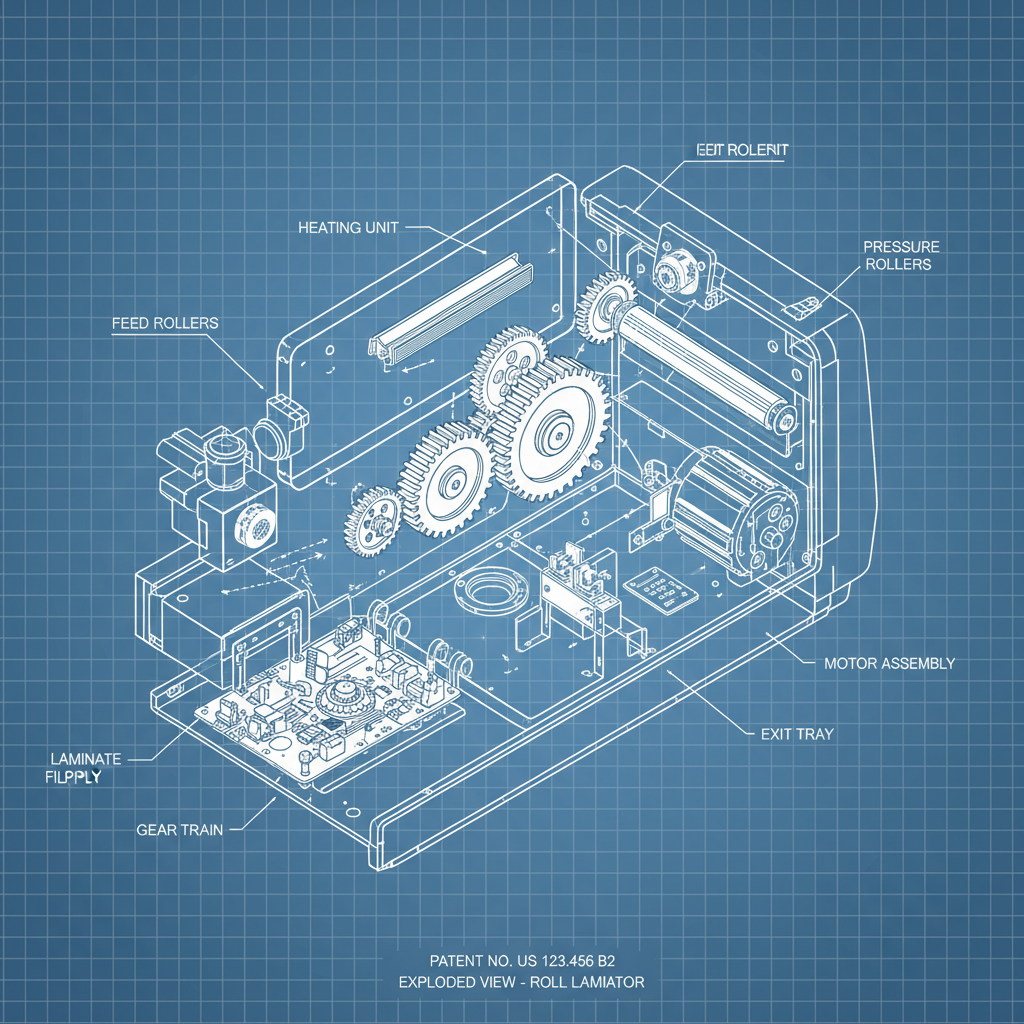
A roll laminating machine, also known as a pouch laminator, applies a protective layer of plastic film to printed materials using heat and pressure. Unlike pouch laminators that handle single sheets, roll laminators work with continuous rolls of laminate, making them ideal for high-volume lamination tasks. This process encases the document, protecting it from moisture, dirt, UV light, and general wear and tear. The result is a durable, visually appealing finish that enhances the lifespan and professionalism of your materials. These machines are commonly used in print shops, schools, and businesses with frequent lamination needs. Investing in a high-quality roll laminator can significantly improve the quality and longevity of your documents.
Key Benefits: Increased durability, enhanced visual appeal, protection from damage, and professional finish for your printed materials.
Applications of Roll Laminating Machines
Roll laminating machines have a broad range of applications across various industries. They are essential for producing durable signage, posters, banners, maps, and educational materials. Print shops utilize them for high-volume document lamination, protecting important contracts and reports. Schools rely on roll laminators to create long-lasting classroom resources and student IDs. The versatility extends to packaging, where laminated materials add strength and visual appeal to product packaging. Furthermore, they are invaluable for producing waterproof menus, labels, and point-of-sale displays. A reliable roll laminating machine is a crucial investment for any business requiring high-quality, durable finishes.
Common Applications:
• Signage and Posters
• Banners and Displays
• Educational Materials
• Document Protection
• Packaging Enhancements
Choosing the Right Roll Laminating Machine
Selecting the appropriate roll laminating machine depends on several factors, including lamination volume, material thickness, and budget. Consider the maximum lamination width the machine can handle to ensure it accommodates your largest projects. Look for features like adjustable temperature controls, variable speed settings, and automatic film tension control for optimal performance. The type of laminating film supported (thermal, pressure-sensitive) is also crucial. Some machines offer both options for greater versatility. Ultimately, choosing a machine that aligns with your specific needs and anticipated growth is vital. Headliningline offers a wide range of machines to suit diverse requirements.
Comparing Roll Laminating Machines: Thermal vs. Cold
Roll laminating machines primarily utilize two lamination methods: thermal and cold (pressure-sensitive). Thermal lamination involves applying heat to melt the adhesive on the film, creating a strong, permanent bond. This method provides excellent clarity and durability but requires compatible thermal films. Cold lamination, on the other hand, uses pressure-sensitive adhesives that activate without heat. This is ideal for heat-sensitive materials like photographs or certain types of plastics. The choice between the two depends on the materials you'll be laminating and the desired finish.
Maintenance and Troubleshooting
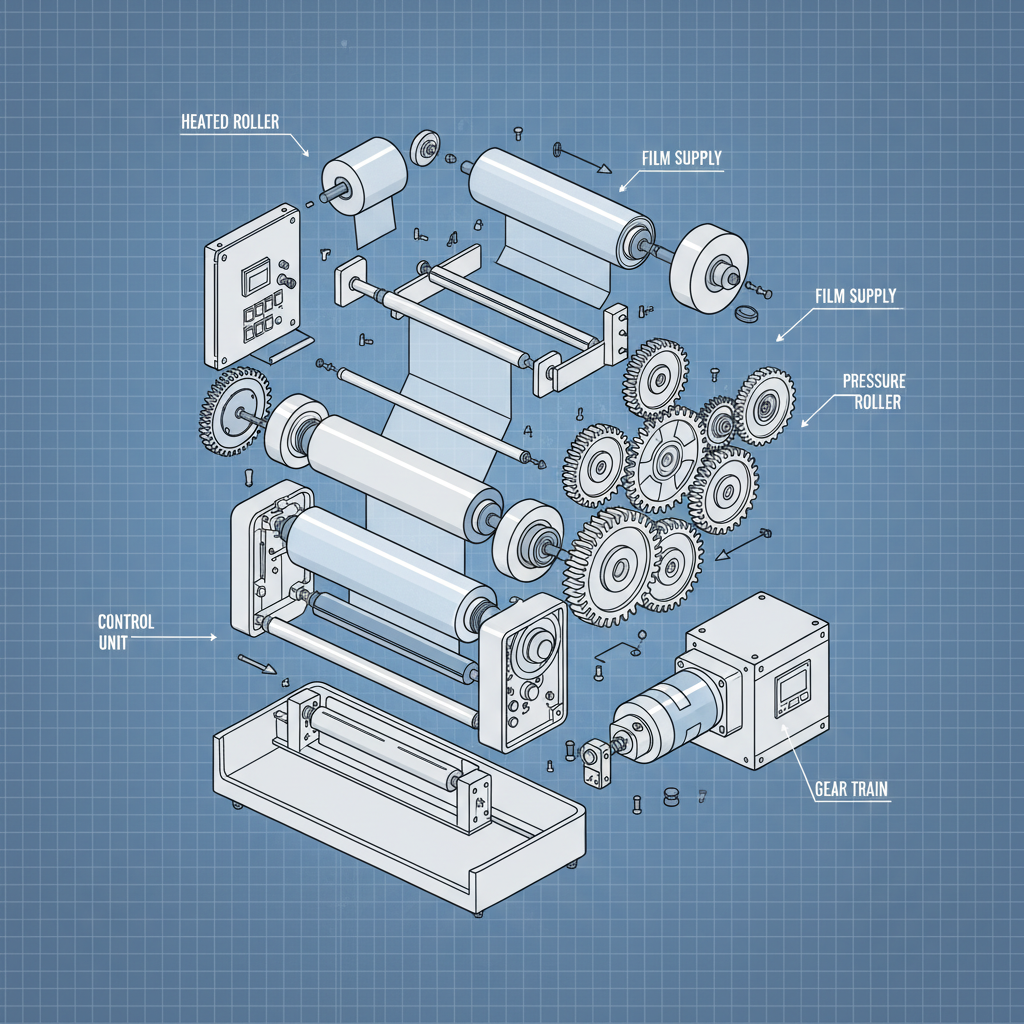
Regular maintenance is crucial for ensuring the longevity and optimal performance of your roll laminating machine. Keep the rollers clean by wiping them down with a soft, lint-free cloth after each use. Periodically inspect the heating element for damage or inconsistencies. If you encounter issues such as wrinkles or bubbles in the laminate, adjust the temperature and speed settings. Refer to the machine's manual for specific troubleshooting tips. Proper maintenance will prevent costly repairs and extend the life of your investment. Headliningline provides comprehensive support and resources to help you maintain your machine.
Conclusion: Elevate Your Business with Roll Lamination
Investing in a roll laminating machine from Headliningline is a smart decision for businesses seeking to enhance the quality, durability, and presentation of their printed materials. With a wide range of models to choose from and dedicated customer support, we can help you find the perfect machine to meet your specific needs. Don’t settle for less – choose roll lamination for a professional finish that impresses your clients and protects your investments.
Frequently Asked Questions (FAQs)
What is the difference between thermal and cold lamination?
Thermal lamination uses heat to melt the adhesive on the laminate film, creating a strong and permanent bond, offering excellent clarity and durability. It requires thermal laminate film. Cold lamination, also known as pressure-sensitive lamination, uses adhesive that activates with pressure, making it suitable for heat-sensitive materials like photos. Cold lamination doesn't need heat and utilizes pressure-sensitive laminate film. Choosing the right method depends on the materials being laminated and the desired final product.
How do I prevent wrinkles in my laminated materials?
Wrinkles can often be prevented by adjusting the machine's speed and temperature settings. Slower speeds and lower temperatures generally result in smoother lamination. Ensure the material is fed straight into the machine and that the laminate film is properly aligned. Also, confirm the rollers are clean and free of debris. Experimenting with different settings on scrap material is recommended before laminating your final project.
What laminate thickness should I use?
The ideal laminate thickness depends on the application and the level of protection required. Thicker laminates (5mil or greater) offer more durability and rigidity, making them suitable for high-traffic signage or materials that require frequent handling. Thinner laminates (3mil) are often used for documents and photos where flexibility is desired. Consider the thickness of the original material and the intended use when selecting a laminate.
How often should I clean my roll laminating machine?
It’s best to clean the rollers after each use to remove any adhesive residue and ensure consistent performance. A more thorough cleaning should be done monthly, or more frequently with heavy use. Use a soft, lint-free cloth and a mild cleaning solution specifically designed for laminating machines. Avoid abrasive cleaners that could damage the rollers.