



Leading Carpet Machine Maker: Quality & Efficient Manufacturing
Leading Carpet Machine Maker: Quality & Efficient Manufacturing
Innovating the Textile Industry: A Deep Dive into Advanced Carpet Machine Manufacturing
The global textile industry, particularly the carpet manufacturing sector, relies heavily on precision engineering and technological innovation. At the heart of this industry lies the carpet machine maker, a critical partner in producing high-quality, durable, and aesthetically pleasing floor coverings. These machines are not merely tools; they are sophisticated systems designed to handle complex material processing, intricate design execution, and high-volume production with unparalleled efficiency. This article provides an in-depth exploration of the manufacturing processes, technical specifications, application scenarios, and market dynamics surrounding these essential industrial assets, catering to B2B decision-makers and engineers seeking to optimize their production capabilities.
Understanding the intricacies of modern carpet manufacturing machinery involves delving into its construction, operational principles, and the advanced materials that contribute to its robust performance and longevity. From raw material input to the final inspection of finished carpets, every stage is meticulously managed by these innovative systems, driving the industry forward.
The Meticulous Manufacturing Process of Carpet Manufacturing Machinery
The creation of high-performance carpet manufacturing machinery is a multi-stage engineering feat, demanding precision, high-quality materials, and adherence to stringent international standards. This process ensures the resulting equipment offers exceptional durability, reliability, and operational efficiency, crucial for the demanding environments of modern carpet factories.
1. Design and Engineering Phase
Initial conceptualization involves advanced CAD (Computer-Aided Design) and CAM (Computer-Aided Manufacturing) software. Engineers design detailed schematics, stress analyses, and simulations to optimize structural integrity, mechanical movements, and component interaction. This stage focuses on achieving optimal tufting speed, stitch accuracy, and pattern flexibility. Material selection is critical, often specifying high-grade alloys and specialized polymers for wear resistance.
- Materials: High-tensile steel, aluminum alloys for lightweight moving parts, hardened tool steel for needles and hooks, specialized polymers for conveyor belts and insulation.
- Key Considerations: Vibration reduction, thermal stability, ease of maintenance, modularity for future upgrades.
2. Component Fabrication
This stage involves the manufacturing of individual parts:
- Casting: Large structural components like machine frames are often cast from high-strength iron or steel, followed by precision machining to achieve exact dimensions.
- Forging: Critical load-bearing parts, such as shafts and gears, undergo forging to enhance their mechanical properties and fatigue resistance.
- CNC Machining: High-precision components (e.g., tufting needles, loopers, cutter blocks) are manufactured using multi-axis CNC machines, ensuring micron-level tolerances critical for consistent stitch quality.
- Heat Treatment: Components requiring exceptional hardness and wear resistance (e.g., cutting blades, cam followers) undergo specialized heat treatment processes like carburizing or nitriding.
- Surface Finishing: Protective coatings (e.g., chrome plating, powder coating, anodizing) are applied to enhance corrosion resistance and reduce friction, extending the service life.
3. Assembly and Integration
Sub-assemblies are built and then integrated into the main machine frame. This includes motor installation (often high-torque servo motors for precise control), electrical wiring, pneumatic and hydraulic systems, and sensor integration. Robotic assistance is often employed for repetitive or high-precision assembly tasks.
- Control Systems: Integration of advanced PLC (Programmable Logic Controller) and HMI (Human-Machine Interface) systems for intuitive operation and real-time monitoring.
- Calibration: Critical mechanical and electronic systems are meticulously calibrated to ensure synchronization and optimal performance.
4. Rigorous Testing and Quality Assurance
Each piece of carpet manufacturing machinery undergoes extensive testing before deployment. This stage is paramount for upholding quality and safety standards.
- Functional Testing: Comprehensive tests simulate real-world operating conditions, evaluating tufting speed, stitch consistency, pattern accuracy, and material feeding systems.
- Endurance Testing: Machines run for extended periods under various loads to assess long-term reliability and identify potential weak points.
- Safety Checks: Adherence to international safety standards (e.g., CE marking, OSHA requirements) is verified for emergency stops, guarding, and electrical safety.
- Testing Standards: Compliance with ISO 9001 for quality management, ISO 14001 for environmental management, and ANSI standards for machine safety is rigorously maintained.
- Service Life: A well-maintained industrial carpet machine is engineered for a service life of 15-25 years, often longer with proper upgrades and component replacement, providing an excellent return on investment.
Target Industries: These advanced machines are crucial for various sectors beyond traditional carpet manufacturing, including automotive (car mats, interior textiles), aerospace (specialized floor coverings), hospitality (custom carpets for hotels), and residential/commercial building materials. The precision and versatility of modern carpet manufacturing equipment make it indispensable.
Advantages in Typical Application Scenarios: Modern carpet machines deliver significant advantages:
- Energy Saving: Advanced servomotor technology and optimized mechanical designs reduce power consumption by up to 20-30% compared to older hydraulic systems.
- Corrosion Resistance: Strategic use of stainless steel, anodized aluminum, and specialized coatings ensures durability in humid or chemically exposed environments.
- Enhanced Productivity: Higher operating speeds and reduced downtime due to predictive maintenance features lead to increased output.
- Flexibility: Quick-change tooling and software-driven pattern adjustments allow for rapid transition between different carpet types (cut pile, loop pile, cut-loop, sculptured effects).
Current Industry Trends and Future Outlook for Carpet Manufacturing Machinery
The carpet manufacturing industry is experiencing dynamic shifts driven by technological advancements, evolving consumer preferences, and increasing emphasis on sustainability. Modern carpet machine maker technologies are at the forefront of these transformations, adapting to new demands and opening avenues for innovation.
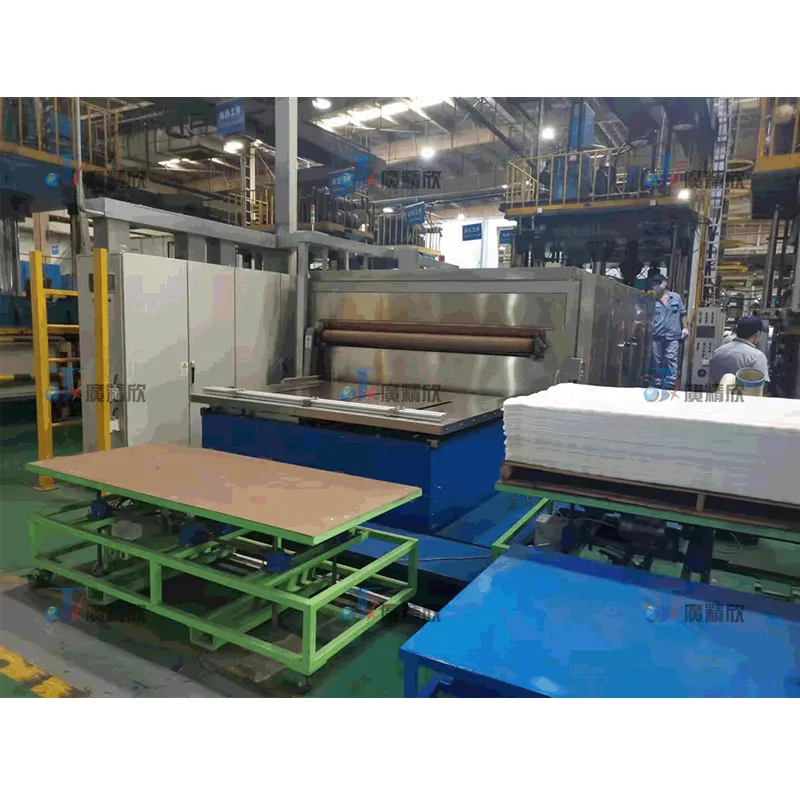
Image: Advanced tufting head demonstrating precision in a modern carpet machine.
- Automation and Robotics: Increased integration of robotic arms for material handling, automated yarn feeding, and intelligent control systems reduces manual labor, enhances precision, and minimizes errors. Predictive maintenance algorithms leveraging AI are also becoming standard.
- Sustainability and Eco-Friendly Production: Demand for machines that can process recycled materials, reduce waste, and consume less energy is growing. Innovations include machines designed for cradle-to-cradle carpet manufacturing, enabling easier recycling of end-of-life products.
- Digitalization and Industry 4.0: IoT sensors, real-time data analytics, and cloud connectivity are transforming carpet factories into smart manufacturing environments. This allows for remote monitoring, optimized production scheduling, and rapid problem diagnosis.
- Customization and Mass Personalization: Advanced patterning capabilities, including high-definition printing and intricate tufting technologies, enable manufacturers to offer highly customized carpet designs efficiently, catering to niche markets and bespoke architectural projects.
- High-Speed, Multi-Gauge Production: Modern machines are engineered for faster operation without compromising quality, often featuring multi-gauge capabilities to produce various pile heights and textures simultaneously on a single loom.
These trends underscore the need for flexible, robust, and technologically advanced machinery. Investment in a cutting-edge carpet manufacturing machine is an investment in future competitiveness and adaptability.
Technical Specifications of a Leading Carpet Manufacturing Machine
Understanding the core technical parameters is crucial for evaluating the performance and suitability of a carpet machine maker for specific production needs. Below is a representative specification table for a high-performance industrial tufting machine.
| Parameter | Specification | Description / Benefit |
|---|---|---|
| Machine Width | 2m to 5m (standard: 4m) | Accommodates various carpet sizes for residential and commercial markets. |
| Gauge Range | 1/10", 1/8", 5/32", 3/16", 5/8" | Versatile for producing different pile densities and textures (e.g., fine residential, robust commercial). |
| Stitch Rate | Up to 1200 RPM (revolutions per minute) | High-speed production capability for increased output and efficiency. |
| Pile Height Range | 3mm to 70mm | Flexibility to create various pile types: low-profile commercial, luxurious residential. |
| Primary Backing Feed | Servo-controlled, tension-adjustable | Ensures consistent tension for uniform tufting and minimizes material distortion. |
| Yarn Feed System | Individual yarn feed, multi-color creel options | Enables complex patterns and multi-color designs with precise control. |
| Control System | Integrated PLC with HMI touchscreen, remote diagnostic capability | User-friendly interface, precise control, and intelligent fault detection. |
| Motor Power | 30-75 kW (depending on width and configuration) | Optimized power for efficient operation, high torque at low speeds. |
| Compressed Air Requirements | 6-8 bar, 20-50 L/min | Standard industrial requirements for pneumatic components (e.g., cutting mechanisms). |
| Weight | 8,000 kg - 15,000 kg (machine only) | Indicates robust construction and stability during high-speed operation. |
These specifications highlight the engineering complexity and precision inherent in state-of-the-art carpet manufacturing equipment. Manufacturers are consistently pushing these boundaries to achieve higher speeds, greater versatility, and improved material efficiency.
Versatile Application Scenarios for Advanced Carpet Manufacturing Machinery
The utility of modern carpet manufacturing machinery extends far beyond conventional carpet production, serving diverse industries that require specialized textile solutions. Its adaptability to various fibers, tufting techniques, and backing materials makes it an invaluable asset.
- Residential Carpeting: Producing soft, luxurious cut-pile carpets, durable loop-pile options, and intricate patterned rugs for homes. Advantages include precise color placement for aesthetic appeal and efficient production for competitive carpet making machine price points.
- Commercial and Hospitality Flooring: Manufacturing robust, high-traffic carpets for offices, hotels, airports, and retail spaces. Machines excel at creating dense, low-pile, or patterned loop-pile carpets designed for longevity and easy maintenance. The robust construction of the machine itself contributes to reliable production, influencing the overall carpet manufacturing machine price justification.
- Automotive Industry: Creating specialized car mats and interior linings that meet strict automotive standards for durability, sound dampening, and flame resistance. The precision tufting ensures a perfect fit and finish.
- Artificial Turf Production: Modifying the tufting process to embed synthetic grass fibers into a sturdy backing, used for sports fields, landscaping, and recreational areas. The machine's ability to handle tough, UV-resistant fibers is crucial here.
- Technical Textiles and Composites: Developing composite materials by tufting fibers into a substrate, used in specialized applications where textile reinforcement is required, such as in certain construction materials or sound insulation panels.
Image: A tufting machine in action, illustrating multi-needle precision.
In each scenario, the underlying technical advantages—such as superior stitch accuracy, rapid pattern change capabilities, and robust construction—contribute to efficient, high-quality output and a strong return on investment for the buyer of such advanced machinery.
Key Technical Advantages of Next-Generation Carpet Machine Makers
Modern advancements in engineering and digital control have significantly elevated the capabilities of the industrial carpet machine maker. These advantages translate directly into improved operational efficiency, product quality, and cost-effectiveness for manufacturers.
- Precision Servo-Motor Control: Individual or synchronized servo motors offer unparalleled control over needle bars, loopers, and cutting mechanisms. This results in consistent pile height, exact stitch placement, and flawless pattern execution, minimizing defects and material waste.
- Modular Design for Flexibility: Many contemporary machines feature modular components, allowing for easier upgrades, faster maintenance, and the ability to switch between different gauges or tufting styles with minimal downtime. This enhances the machine's long-term utility.
- Advanced HMI and Software Integration: Intuitive human-machine interfaces with touchscreen controls simplify complex operations. Integration with CAD/CAM software allows for quick design changes and seamless pattern programming, reducing setup times significantly.
- Energy Efficiency: Optimized motor drives, regenerative braking systems, and intelligent power management reduce energy consumption, lowering operational costs and contributing to a greener manufacturing footprint.
- Enhanced Material Versatility: The ability to process a wider range of yarn types—from natural fibers like wool and cotton to synthetics like nylon, polyester, and polypropylene—with consistent tension and minimal breakage. This opens up new product development avenues.
- Integrated Quality Control Systems: Real-time monitoring with optical sensors and integrated cameras detects anomalies in tufting, yarn breaks, or pattern deviations instantly, allowing for immediate corrective action and maintaining consistent quality.
These technical innovations underscore the evolution of carpet manufacturing equipment from a basic production tool to a sophisticated, intelligent manufacturing system, crucial for maintaining competitiveness in the global textile market.
Vendor Comparison: Evaluating Carpet Manufacturing Machine Providers
Choosing the right carpet machine maker involves a thorough evaluation of various vendors, each offering unique strengths in technology, support, and customization. This comparison aids B2B buyers in making informed decisions based on their specific operational and budgetary requirements.
| Feature | Vendor A (Premium) | Vendor B (Mid-Range) | Vendor C (Value-Oriented) |
|---|---|---|---|
| Tufting Speed (RPM) | Up to 1200 | Up to 900 | Up to 750 |
| Gauge Change Over Time | < 4 hours (Automated) | ~8 hours (Semi-automated) | > 12 hours (Manual) |
| Patterning Capabilities | Full HD Graphical, Sculptured, Multi-level | Advanced Geometric, Cut/Loop | Basic Cut/Loop, Striped |
| Energy Efficiency (Index) | A+++ (Industry Leader) | A++ (Very Good) | A+ (Good) |
| After-Sales Support | Global 24/7, On-site training, Remote diag. | Regional support, Online portal | Limited phone/email support |
| Customization Options | Extensive, Bespoke Engineering | Moderate, Module additions | Limited, Standard configurations |
| Price Range (Approx.) | $800,000 - $2,500,000+ | $400,000 - $800,000 | $150,000 - $400,000 |
This table illustrates how different vendors position their offerings, impacting the carpet making machine price and carpet manufacturing machine price. Premium vendors offer cutting-edge technology and comprehensive support, justifying a higher investment, while value-oriented options provide essential functionality for entry-level or specific production needs.
Image: Overview of a sophisticated carpet tufting machine assembly.
Customized Solutions and Bespoke Carpet Manufacturing Solutions
Many B2B clients have unique production requirements that standard configurations cannot meet. Leading manufacturers of carpet machine maker equipment offer extensive customization options, collaborating closely with clients to engineer bespoke solutions.
- Tailored Machine Widths and Gauges: For specialized applications such as extra-wide industrial carpeting or very fine residential rugs, machines can be built to specific dimensions and gauge configurations.
- Specialized Yarn Feed Systems: Custom creel designs or automated yarn splicing systems can be integrated for handling delicate or exotic fibers, or for applications requiring rapid color changes.
- Integrated Post-Tufting Modules: Features like automated backing application, heat setting, or shearing mechanisms can be seamlessly integrated into the machine line to create a single, continuous production process.
- Advanced Software and HMI Development: Custom software modules for specific pattern generation, production analytics, or integration with existing factory ERP systems can be developed.
- Environmental Adaptations: Machines can be engineered with enhanced climate control features or specialized enclosures for operating in extreme environmental conditions (e.g., high humidity, dust-prone areas).
These customized solutions are vital for clients operating in highly specialized niches or those seeking a competitive edge through unique product offerings. The investment in a custom-built machine often yields significant long-term benefits in efficiency and product differentiation.
Application Case Studies: Real-World Impact of Advanced Carpet Manufacturing Machines
The practical application of cutting-edge carpet manufacturing equipment technology demonstrates its profound impact on manufacturing efficiency, product quality, and market responsiveness. Here are illustrative case studies:
Case Study 1: High-Volume Commercial Carpet Manufacturer
A large commercial flooring producer, faced with increasing demand for patterned loop pile carpets, invested in a new generation carpet machine maker featuring advanced multi-gauge and graphical patterning capabilities. Previously, they relied on multiple older machines or outsourced complex patterns. The new machine enabled them to produce diverse designs in-house, significantly reducing lead times and control over quality. Post-implementation data showed a 30% increase in daily output and a 15% reduction in material waste due to improved stitch accuracy and automated pattern changeovers. This led to a 20% improvement in overall operational profitability within 18 months, despite the initial carpet manufacturing machine price.
Case Study 2: Niche Automotive Textile Supplier
An automotive supplier specializing in premium car mats and acoustic insulation panels required a machine capable of extreme precision with heavy, dense fibers and unique backing materials. They opted for a customized industrial tufting machine with reinforced structural components, a specialized yarn feed system for high-denier fibers, and integrated cutting and trimming modules. The solution allowed them to produce precisely shaped, highly durable products that met stringent automotive OEM specifications, achieving zero defects in the tufting process. This enabled them to secure contracts for luxury vehicle interiors, demonstrating the value of bespoke machinery solutions.
Case Study 3: Sustainable Carpet Manufacturer
A company focused on eco-friendly textiles sought to minimize its environmental footprint. They invested in an energy-efficient industrial carpet machine equipped with advanced waste reduction features and optimized for processing recycled PET yarns. The machine's intelligent control system minimized yarn breakage and optimized material utilization, leading to a 25% reduction in production scrap. Furthermore, its lower energy consumption contributed to a 10% decrease in overall operational carbon emissions, enhancing the company's green credentials and market appeal, thus influencing the total carpet making machine price over its lifecycle.
These examples underscore the tangible benefits that arise from strategically investing in modern, high-performance carpet manufacturing technology.
Frequently Asked Questions (FAQ) about Carpet Manufacturing Machinery
Q: What is the typical lead time for ordering a new industrial carpet machine?
A: Lead times vary based on machine complexity and customization. Standard models typically have a lead time of 12-16 weeks. Highly customized machines or those requiring specialized components may extend to 20-24 weeks. We recommend consulting with our sales team for precise lead time estimates based on your specific order.
Q: What warranty is provided with your carpet manufacturing machines?
A: All our new industrial carpet machinery comes with a standard 12-month warranty covering parts and labor for manufacturing defects. Extended warranty options, including comprehensive service contracts and preventative maintenance plans, are available upon request. Specific terms are detailed in the purchase agreement.
Q: What kind of after-sales support can we expect?
A: We pride ourselves on comprehensive after-sales support. This includes remote diagnostics and technical assistance, on-site engineer visits for troubleshooting and repairs, regular preventative maintenance services, and access to a full range of genuine spare parts. We also offer operator training programs to ensure your team maximizes machine efficiency and safety.
Q: Are your machines compliant with international safety and quality standards?
A: Yes, every carpet machine maker we produce adheres to stringent international standards, including ISO 9001 for quality management, ISO 14001 for environmental management, and CE marking for European market compliance. Our manufacturing processes are regularly audited to ensure continuous adherence.
Conclusion: The Future of Carpet Manufacturing
Modern carpet manufacturing equipment represents the pinnacle of industrial textile engineering. Through advanced manufacturing processes, adherence to global standards, and continuous innovation, these machines deliver unparalleled precision, efficiency, and versatility. For B2B decision-makers, investing in state-of-the-art carpet manufacturing technology is not merely an acquisition of equipment, but a strategic move towards enhanced productivity, product differentiation, and sustainable growth in a competitive global market. The ability to produce high-quality carpets efficiently, coupled with robust after-sales support and customization options, ensures a significant return on investment and a future-proof operation.
Authoritative References
- Textile World. "Innovations in Tufting Technology Drive Carpet Industry Forward." Textile World Magazine, various issues.
- International Organization for Standardization (ISO). "ISO 9001:2015 - Quality management systems — Requirements."
- European Committee for Standardization (CEN). "Machinery Safety - EN ISO 12100:2010 - General principles for design - Risk assessment and risk reduction."
- Carpet and Rug Institute (CRI). "Technical Bulletins and Standards for Carpet Manufacturing."
- Journal of Textile Engineering. "Advanced Mechatronics in Textile Machinery for Enhanced Precision and Efficiency."