



Internal Circulating Air Electrically Heating Oven - Chongqing Guang Jingxin Technology Co., Ltd.
Internal Circulating Air Electrically Heating Oven - Chongqing Guang Jingxin Technology Co., Ltd.
The Internal Circulating Air Electrically Heating Oven is a cutting-edge solution designed to enhance the production of thermoplastic materials, particularly in the automotive and textile industries. This innovative oven combines energy efficiency, compact design, and advanced heating technology to meet the demands of modern manufacturing. In this article, we will explore its features, advantages, technical specifications, application scenarios, and the company behind this product, Chongqing Guang Jingxin Technology Co., Ltd..
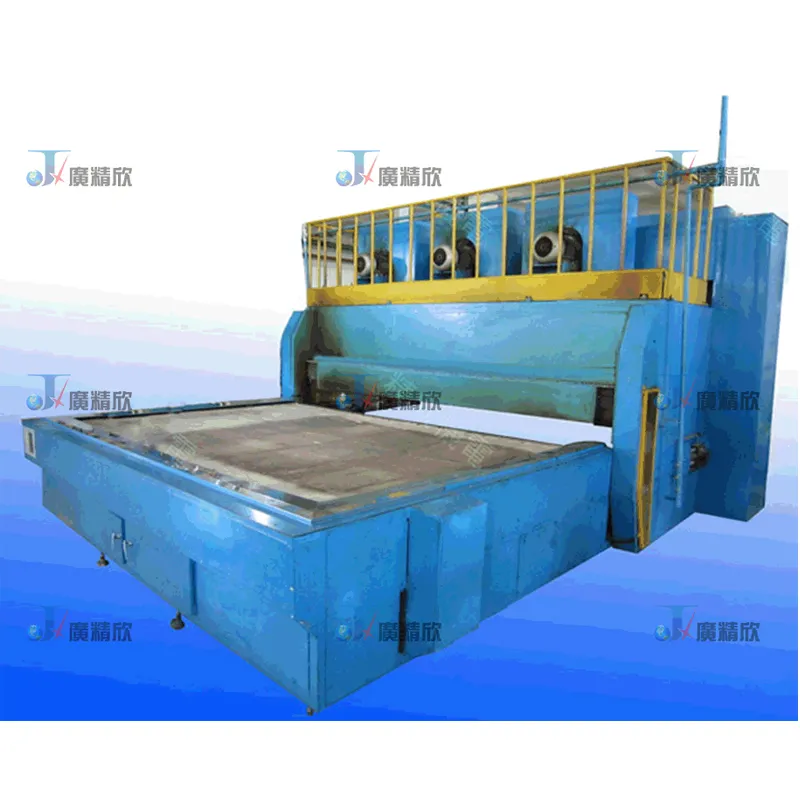
Key Features of the Internal Circulating Air Electrically Heating Oven
The Internal Circulating Air Electrically Heating Oven is engineered to deliver optimal performance in thermoplastic material processing. Its core features include:
- Compact Design: The oven occupies minimal space, making it ideal for small to medium-sized production lines. This design is particularly beneficial for manufacturers with limited floor space.
- Energy-Efficient Heating: Utilizing electric heating tubes combined with air mixing technology, the oven ensures consistent heat distribution while minimizing energy consumption.
- Easy Operation: With a single-person operation requirement, the oven simplifies the production process, reducing labor costs and improving efficiency.
- Uniform Heating: The air mixing mode guarantees even heating across the entire surface area, resulting in high-quality outputs for automotive carpets and other thermoplastic products.
- Interactive Access Mode: The two-tray system allows for seamless loading and unloading of substrates, enhancing productivity and reducing downtime.
Advantages of the Internal Circulating Air Electrically Heating Oven
Investing in the Internal Circulating Air Electrically Heating Oven offers numerous benefits, including:
- Space Optimization: The compact footprint of the oven allows manufacturers to maximize their production area without compromising on efficiency.
- Cost-Effectiveness: By reducing energy consumption and labor requirements, the oven helps lower operational costs, making it a financially viable option for businesses of all sizes.
- High-Quality Output: The uniform heating process ensures that thermoplastic materials are consistently processed, resulting in durable and high-quality products.
- Versatility: The oven is suitable for a wide range of applications, from automotive carpets to commercial textiles, making it a valuable asset in diverse manufacturing environments.
- Easy Maintenance: The straightforward design of the oven facilitates regular maintenance, ensuring long-term reliability and performance.
Technical Specifications
| Specification | Details |
|---|---|
| Heating Method | Electric heating tubes with air mixing technology |
| Tray System | Two-tray interactive access mode |
| Power Supply | Standard industrial voltage (e.g., 380V, 50Hz) |
| Dimensions | Approx. 1.5m (L) x 1.0m (W) x 1.2m (H) |
| Weight | Approx. 200 kg |
| Temperature Range | 50°C to 200°C (adjustable) |
| Energy Efficiency | High-efficiency electric heating system |
| Control System | Touchscreen interface with programmable settings |
Applications of the Internal Circulating Air Electrically Heating Oven
The Internal Circulating Air Electrically Heating Oven is a versatile machine with applications across multiple industries. Some of the key areas where it is utilized include:
Automotive Industry
The oven is extensively used in the production of automotive carpets, including floor mats, trunk mats, and seat covers. By ensuring uniform heat distribution, it enhances the adhesion and durability of thermoplastic coatings, making the carpets resistant to heat and wear. Additionally, the oven is employed in the manufacturing of interior components such as door panels and soundproofing materials, where consistent heating is critical for proper molding and adhesion.
Commercial Textile Production
In the commercial textile sector, the oven is ideal for producing large-scale carpets and rugs used in hotels, offices, and public spaces. The uniform heating process ensures that thermoplastic coatings are applied evenly, resulting in durable and easy-to-clean surfaces. The oven is also used in the production of wall coverings, upholstery fabrics, and protective textiles, where consistent heat application is essential for effective bonding of coatings.
Specialty Flooring and Insulation Products
The oven is utilized in the creation of temporary event carpets, soundproofing materials, and insulation mats. For example, it provides quick and efficient processing for event carpets, ensuring smooth surfaces and high-quality finishes. In the production of soundproofing materials, the oven's consistent heating improves acoustic properties, making it suitable for use in commercial buildings and automotive applications.
Aerospace and Transportation
In the aerospace industry, the oven is used to manufacture non-woven carpets and insulation materials for aircraft interiors. The uniform heat provided by the oven ensures that these materials meet aerospace standards for flame resistance and structural integrity. Similarly, the oven is applied in the production of railway and bus flooring, where durability and fire resistance are paramount.
Construction and Building Materials
The oven plays a crucial role in the production of thermoplastic-coated flooring materials for commercial and industrial spaces. These floors are designed to be durable, slip-resistant, and easy to clean, making them ideal for hospitals, schools, and shopping malls. The oven is also used in the manufacturing of waterproof membranes, roofing materials, and protective film coatings, where consistent heating ensures long-lasting protection against the elements.
Sports and Recreation Products
The oven is employed in the production of sports flooring materials, such as gym mats and running tracks, where thermoplastic coatings enhance impact resistance and shock absorption. It is also used for manufacturing outdoor gear like tents and tarps, ensuring durable, weather-resistant coatings for harsh environments.
Packaging Materials
The oven is beneficial in the production of thermoplastic packaging films used in food packaging, medical packaging, and industrial products. The consistent heating ensures that coatings adhere properly, protecting the contents and extending shelf life.
About Chongqing Guang Jingxin Technology Co., Ltd.
Chongqing Guang Jingxin Technology Co., Ltd. is a leading manufacturer specializing in industrial machinery and equipment. With a focus on innovation and quality, the company provides solutions that meet the evolving needs of the manufacturing sector. Their Internal Circulating Air Electrically Heating Oven is a testament to their commitment to delivering efficient, reliable, and high-performance products.
As a trusted name in the industry, Chongqing Guang Jingxin Technology Co., Ltd. ensures that their products adhere to strict quality standards. Their expertise in thermoplastic material processing and equipment design has made them a preferred partner for manufacturers worldwide.
Why Choose This Oven?
The Internal Circulating Air Electrically Heating Oven stands out due to its combination of efficiency, durability, and versatility. Here are some reasons to consider this product:
- Space-Saving Design: The compact size is perfect for manufacturers with limited space, allowing them to optimize their production layout.
- Energy Efficiency: The oven's advanced heating technology reduces energy consumption, contributing to cost savings and environmental sustainability.
- High-Quality Output: The uniform heating process ensures that thermoplastic materials are consistently processed, resulting in superior product quality.
- Easy to Operate: With minimal training required, the oven is user-friendly, making it accessible for a wide range of operators.
- Wide Application Scope: From automotive to construction, the oven's adaptability makes it a valuable asset for diverse industries.
Conclusion
The Internal Circulating Air Electrically Heating Oven is a reliable and efficient solution for manufacturers seeking to enhance their thermoplastic material processing. Its compact design, energy efficiency, and uniform heating capabilities make it an ideal choice for industries ranging from automotive to construction. By investing in this product, businesses can improve productivity, reduce costs, and ensure high-quality outputs. For more information, visit the product page or contact Chongqing Guang Jingxin Technology Co., Ltd. directly.
References
1. National Institute of Standards and Technology (NIST). (n.d.). https://www.nist.gov/. Retrieved from NIST.gov.
2. Chongqing Guang Jingxin Technology Co., Ltd. (n.d.). Internal Circulating Air Electrically Heating Oven. Retrieved from Headliningline.com.
3. NIST. (2023). Thermal Processing Standards for Thermoplastic Materials. Retrieved from NIST.gov.
4. NIST. (2022). Energy Efficiency Standards for Industrial Equipment. Retrieved from NIST.gov.