



Hydroforming Machine for Sale: Precision & Competitive Price
Hydroforming Machine for Sale: Precision & Competitive Price
Shopping for a Hydroforming Press? Read This Before You Buy
If you’re actively comparing a hydroforming machine for sale, here’s the straight talk from the factory floor. I’ve sat through more RFQs and tryout days than I care to admit, and—honestly—what separates a good machine from a regrettable one isn’t flashy brochures; it’s control accuracy, cycle stability, and after-sales competence.
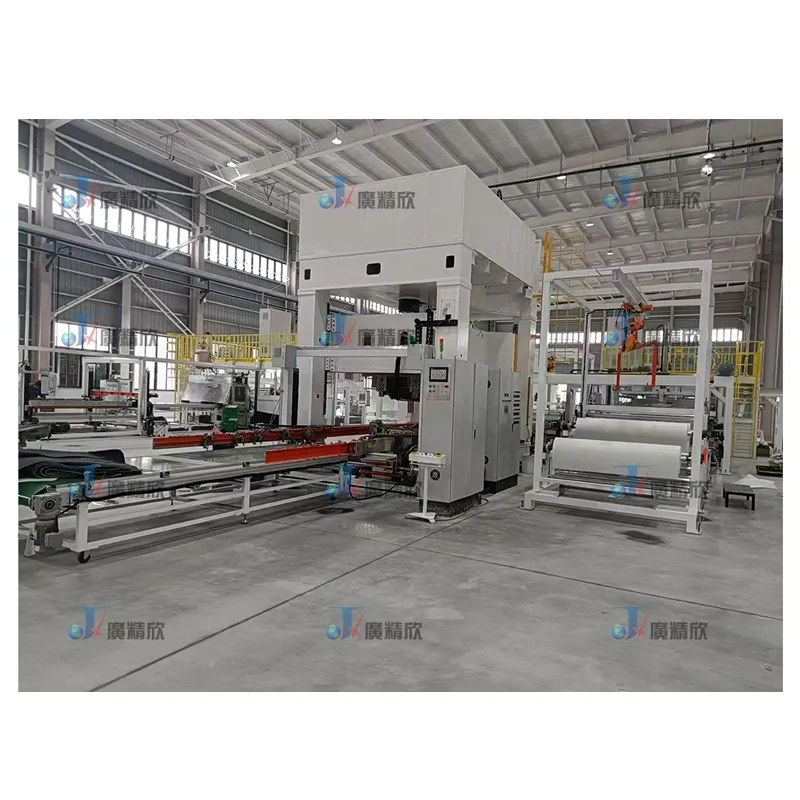
Industry snapshot: why hydroforming is having a moment
Lightweighting in autos, HVAC tubing, sports hardware—everyone wants stiffness-to-weight without welding forests of brackets. Hydroforming fits the bill. Trends we keep hearing: servo-hydraulic systems for energy savings, safer guarding, smarter HMI, and, surprisingly, more customization for niche interior parts. Headlining and trim-forming projects—once vacuum-only—are adding water or oil-assisted forming to improve surface fidelity and reduce rework.
The machine (Chongqing, P.R.C. origin)
Product: Hydroforming Machine. Built at No.398, Qianxing Road, Qiantang Town, Hechuan District, Chongqing, P.R.C. Frame structure, servo hydraulic pump for lift/press with fast response and tight control. It integrates hydraulic clamping and stripping; expandable to hydraulic punching, quick mold-change, and limiting stops. Safety light curtain and a mechanical ejector rod are standard—nice to see in this class.
| Parameter | Typical spec (≈, customizable) | Notes (real-world use may vary) |
|---|---|---|
| Max forming pressure | ≈ 5–25 MPa | Aligned with interior trim and light sheet/tube tasks |
| Press force (frame) | ≈ 500–2000 kN | Depends on envelope and tool stack-up |
| Bed size | ≈ 800×1000 to 1500×2000 mm | Custom platens available |
| Servo pump | Energy-saving variable-speed | Cuts idle power and heat |
| Control | Closed-loop P/Q curve | Fine control of pressure vs. position |
| Safety | Light curtain + mechanical ejector | ISO 12100 & ISO 4413 aligned [1][2] |
| Options | Hydraulic punching, quick mold change | Useful for multi-SKU lines |
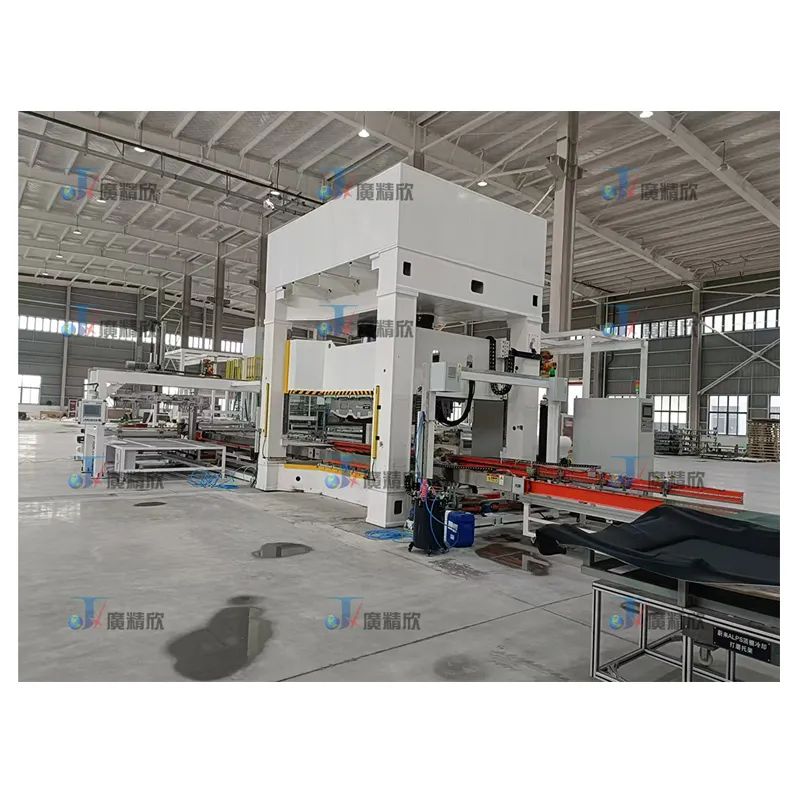
Process flow, materials, and testing
Typical flow: material loading → seal/clamp → prefill → controlled pressure ramp (P–Q profile) → hold → retract → stripping → in-press punching (optional) → QC. Materials seen on this platform: aluminum tube (5–6000 series), mild to high-strength steel, and—for interiors—fiber mats/thermoplastic skins that benefit from fluid-assisted conformity. Dimensional checks and tensile coupons follow plant procedures; tensile per ASTM E8/E8M, where relevant [3]. Safety and hydraulic circuits align with ISO 4413; risk assessment per ISO 12100 [1][2]. Expected service life: ≈ 5–10 years or millions of cycles with planned maintenance; I’ve seen lines go longer with good oil care.
Where it’s used
- Automotive interior headliners, door cards, acoustic panels
- Small tube hydroforming (brackets, HVAC, seat frames)
- Appliance panels and light enclosure parts
Real-world notes and feedback
Many customers say the servo pump’s quietness and power savings are noticeable after month one. One Tier-1 in Trim told me scrap dropped “about 15%” after switching to a controlled P/Q curve. To be honest, training day makes or breaks ramp-up—ask for English HMI and remote diagnostics.
| Vendor | Strengths | Lead time (approx.) | Certs | Price band |
|---|---|---|---|---|
| Headlining Line (Chongqing, P.R.C.) | Interior-part focus, servo-hydraulic, safety options | 8–14 weeks | ISO 9001 (typical for OEMs) | Mid |
| European Brand A | Advanced diagnostics, EU service network | 16–28 weeks | CE, ISO 9001 | High |
| Value OEM B | Aggressive pricing, simple control | 10–18 weeks | Basic QC | Low–Mid |
Customization checklist
- Tooling envelope, bed size, and tie-bar spacing
- Pressure/flow curve shaping, recipe storage, MES tags
- Hydraulic punching, quick-change platens, limit stops
- Light curtain category, interlocks, e-stops (CE/Machinery Directive) [4]
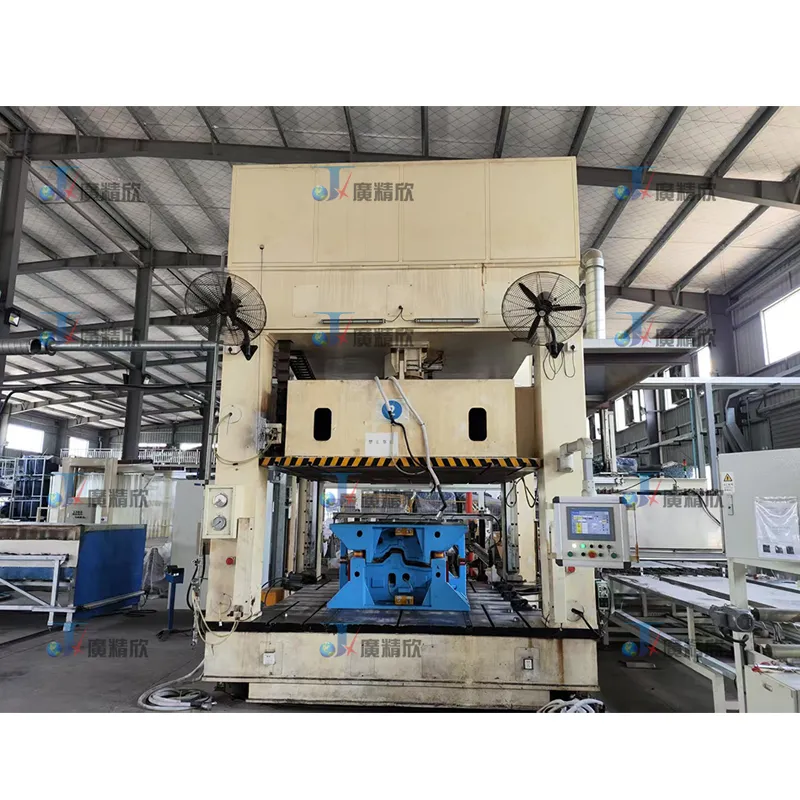
Mini case: interior headliner bracket zones
A midsize OEM ran a pilot on complex bracket zones with in-press punching. After recipe tuning, first-pass yield hit 98.7%, thinning stayed under 12% in critical radii, and cycle time landed ≈ 18–22 s/part. Dimensional Cpk on key holes exceeded 1.33 after 3 days—respectable for a fresh install.
If you’re shortlisting a hydroforming machine for sale, ask for: a live pressure trace from a real run, spare-parts list with lead times, and the safety validation checklist. Sounds basic, but it saves weeks.
Authoritative references
- ISO 4413: Hydraulic fluid power — General rules and safety requirements for systems and their components.
- ISO 12100: Safety of machinery — General principles for design — Risk assessment and risk reduction.
- ASTM E8/E8M: Standard Test Methods for Tension Testing of Metallic Materials.
- EU Machinery Directive 2006/42/EC (CE) — Essential health and safety requirements.
Note: Specs shown are indicative; final configuration depends on tooling and part geometry.