



Glue Rolling Machine – Precision, High-Speed, Hot Melt Ready
Glue Rolling Machine – Precision, High-Speed, Hot Melt Ready
What I’m Seeing in Glue Rolling Right Now
If you’ve ever walked a trim plant on a Friday afternoon, you know the line lives or dies by consistent adhesive laydown. That’s why I’ve been watching the glue rolling machine category closely this year. The pace of change is, surprisingly, not flashy—more like quiet upgrades that make shifts smoother: tighter runout tolerances, smarter feed systems, less downtime between batches.
Headliningline’s unit out of No.398, Qianxing Road, Qiantang Town, Hechuan District, Chongqing (yes, the industrial cluster is humming) leans into that story. To be honest, what caught my eye first was the 0.005 mm circular runout spec on the chromium-plated roller. In practice, that’s what keeps foam laminates and headliner substrates free of zebra-striping. And the laser-based auto feed? It seems simple, but it saves operators from babysitting tanks all day.
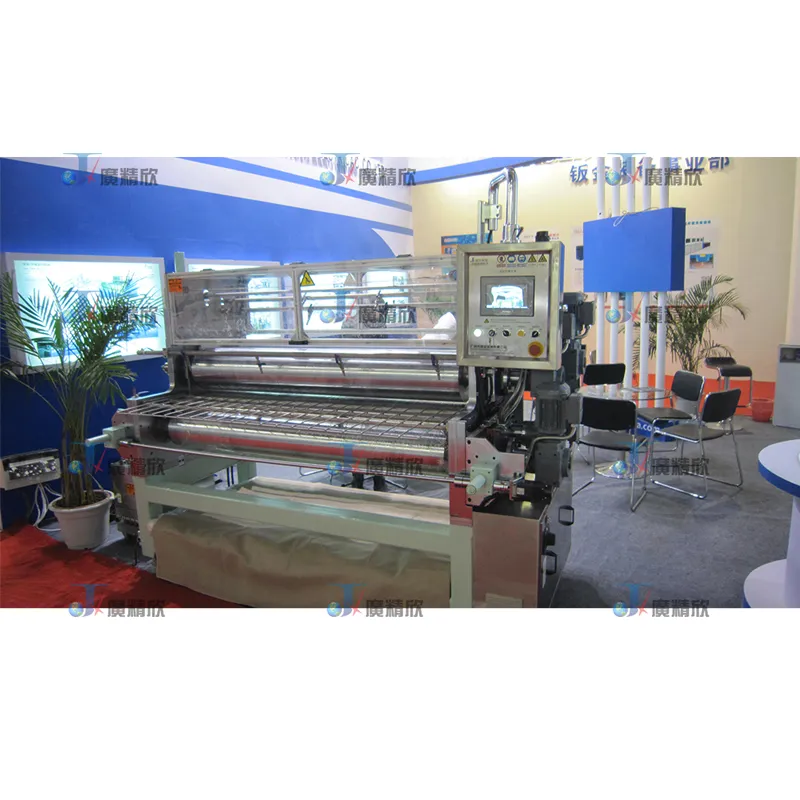
Where the glue rolling machine fits today
Trend-wise, automotive interior suppliers are pivoting to water-based adhesives, VOC control, and closed-loop data. The better glue rolling machine lines now pair laser level sensing with stable rolls, and—ideally—tie into plant MES. Many customers say they’re aiming for coating uniformity CV below 2% across a 1,400 mm web. Achievable? With a clean roller, yes.
Typical process flow (wet method, interiors)
- Materials: water-based PU or acrylic; viscosity ≈ 800–3,000 cP; substrates include nonwovens, PU foam, fabric, TPO.
- Prep: mixing and filtration (200–400 mesh), optional degassing; temperature 20–25°C.
- Set-up: gap adjustment, roller speed sync, viscosity check (DIN cup or Zahn), line speed tune.
- Coating: glue rolling machine applies wet film; auto laser sensor triggers feed pump as level dips.
- Lamination/Cure: nip + oven or IR zone; residence time based on solids.
- QC: coat weight gravimetric check, peel (ASTM D1876) and lap shear (ASTM D1002), cross-hatch (ASTM D3359 for coatings), and FMVSS 302 flammability on finished assemblies.
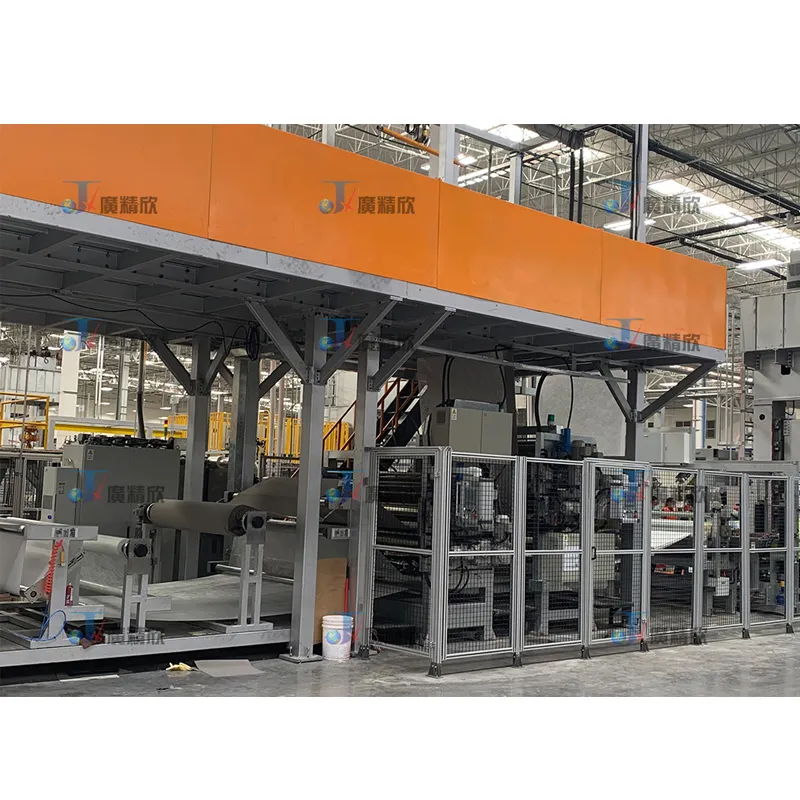
Product specs at a glance
| Parameter | Value (real-world may vary) |
|---|---|
| Roller material | High-strength steel, heat-treated, hard chrome |
| Runout precision | < 0.005 mm |
| Useful width | ≈ 1,000–1,600 mm (customizable) |
| Line speed | 0–40 m/min (typ.), closed-loop control |
| Gap/clearance | 0.02–1.5 mm, micrometer/servo adjust |
| Coat weight | ≈ 10–120 g/m² depending on adhesive |
| Viscosity window | ≈ 500–4,000 cP |
| Feeding system | Automatic with laser level sensor |
| Service life | 5–8 years on roll surface under normal duty |
| Origin | Chongqing, P.R.C. |
Vendor snapshot (why buyers compare)
| Feature | Headliningline | Vendor B (generic import) | Vendor C (custom shop) |
|---|---|---|---|
| Runout | <0.005 mm | ≈0.01–0.02 mm | ≈0.006 mm |
| Auto feed | Laser sensor | Float switch | Ultrasonic |
| Coating uniformity | CV ≈1–2% | CV ≈3–5% | CV ≈1.5–2.5% |
| Safety compliance | CE; ISO 12100/13849 design | CE (claimed) | CE; UL panels (option) |
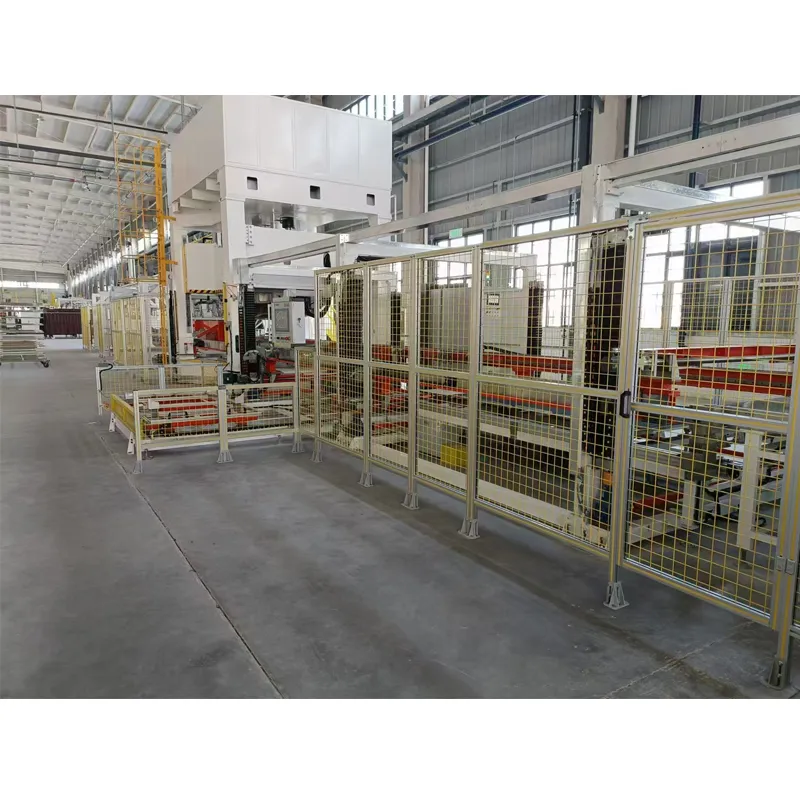
Customization and real-world notes
Options I’ve seen customers ask for: wider rolls for SUV headliners, anti-drip edge dams, heated pans for winter plants, and vision kits to log coat-weight proxies. The glue rolling machine integrates cleanly into lamination cells for automotive interiors, but also shows up in footwear counters, acoustic panels, and filtration media.
Field feedback and test data
A Tier-1 in Pune reported 1.3% coat-weight CV over a 1,400 mm web at 25 m/min on water-based PU, with T-peel per ASTM D1876 averaging 6.1 N/25 mm. Another plant hit FMVSS 302 pass on headliner assemblies with margin. I guess the bigger win is uptime—operators said the laser feed “just works,” which tends to be the ultimate compliment.
Standards, safety, and compliance
Look for designs aligned with ISO 12100 (risk), ISO 13849-1 (safety control), and IEC 60204-1 (electrical). On product side, adhesives get evaluated with ASTM D1002/D1876, and interior parts against FMVSS 302. Facilities typically run under ISO 9001 and IATF 16949; CE marking applies in the EU.
Mini case: headliner line upgrade
After swapping in a glue rolling machine with tighter runout, a Midwest plant cut scrap from edge-lighting streaks by ≈28% and reduced changeover by 7 minutes via quicker gap dialing. Not a moonshot, but over a quarter, that paid for the roller.