



Glue Rolling Machine for Uniform Coating - Why Choose Ours?
Glue Rolling Machine for Uniform Coating - Why Choose Ours?
Inside the Modern Automotive Glue Line: What a Glue Rolling Machine Really Does
If you’ve ever toured a trim plant, you know the hum before a lamination run—operators checking gaps, QA pulling peel tests, production easing into tempo. The unsung hero is often the glue rolling machine doing quiet, precise work in the wet-lamination cell. To be honest, I’ve seen a lot of designs over the years, and this one from Chongqing stands out for a few practical reasons.
Industry trend check
Automotive interiors are moving toward lightweight substrates, water-based adhesives (lower VOCs), and tighter traceability. Actually, more buyers now expect laser-sensed auto feeding and closed-loop film thickness control. Many customers say they also want faster switchover between headliner and door-trim programs without sacrificing peel strength.
What makes this unit tick
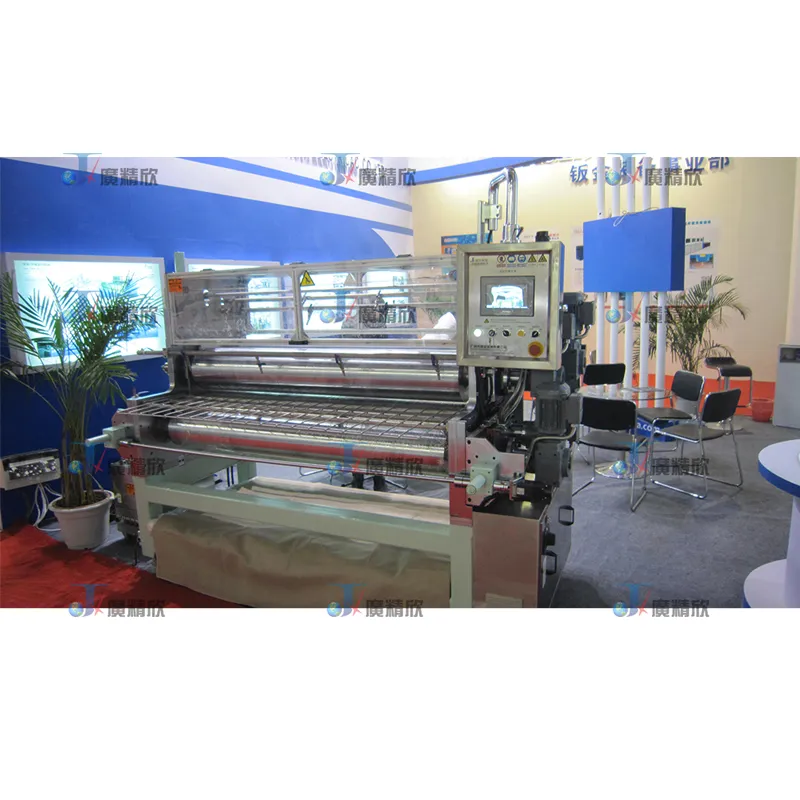
Built in No.398, Qianxing Road, Qiantang Town, Hechuan District, Chongqing, P.R.C, the glue rolling machine here is engineered around a chromium-plated, heat-treated high‑strength steel roller. Circular runout is controlled to <0.005 mm—good news for consistent laydown. A laser sensor monitors glue reserve and auto-feeds, which, in real-world use, reduces starve streaks and operator checks.
| Roller material / finish | High-strength steel, heat treated; chromium plated |
| Runout precision | < 0.005 mm |
| Coating thickness control | ≈ 10–120 μm wet film (gap-adjust system) |
| Viscosity window | ≈ 500–4,000 mPa·s water-based PU/acrylics |
| Feed system | Laser-sensed automatic glue feeding |
| Line speed | ≈ 5–25 m/min (substrate-dependent) |
| Service life | ≈ 20,000–30,000 h before major overhaul, with routine care |
Process flow (wet lamination)
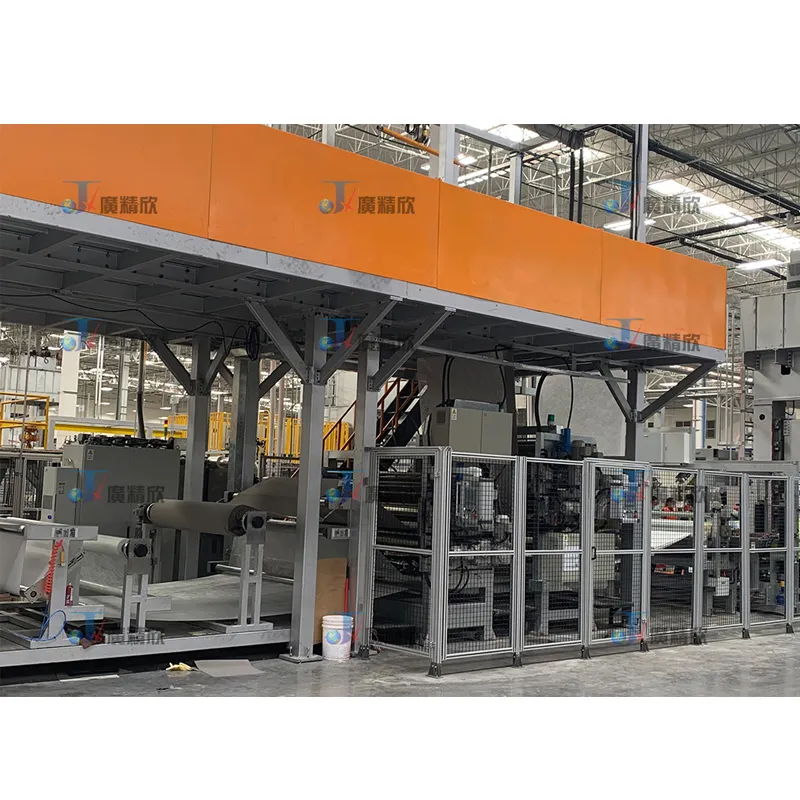
- Materials: water-based PU or acrylic adhesive; substrates like fabric, foam, PP/TPO, fiber mats.
- Conditioning: adhesive filtered; viscosity checked (Brookfield, 25°C).
- Metering: glue rolling machine sets gap; roller rotation meters film.
- Application & nip: controlled pressure applies uniform layer; substrate pairs joined.
- Flash-off/curing: tunnel or IR, depending on chemistry.
- Testing: peel (ASTM D903/D1876), lap shear (ASTM D1002), cross-cut (ISO 2409), VOC (VDA 278).
Internal demo runs showed peel repeatability within ≈ ±5% and film-thickness repeatability around ±3 μm (n≈50). That’s not a guarantee—just a fair indicator when the line is dialed in properly.
Where it’s used
Automotive headliners, door panels, trunk trims, parcel shelves. I’ve also seen it adapted for furniture panels and appliance insulation—when the coating window and substrate porosity cooperate.
Vendor snapshot (selection)
| Vendor | Runout | Feeding | Certifications | Notes |
|---|---|---|---|---|
| Headliningline (Chongqing) | <0.005 mm | Laser auto-feed | ISO 9001, CE (typ.) | Automotive-focused wet line |
| Vendor B (EU) | ≈0.01 mm | Float switch + pump | ISO 9001 | General lamination |
| Vendor C (APAC) | ≈0.008 mm | Manual feed option | CE (decl.) | Budget segment |
Customization and integration
Options I’ve seen customers request: wider rollers (up to ≈1,800 mm), closed-loop thickness via ultrasonic gauges, MES tags per roll lot, and quick-change gap cassettes. The glue rolling machine also pairs well with camera vision for streak detection.
Mini case study
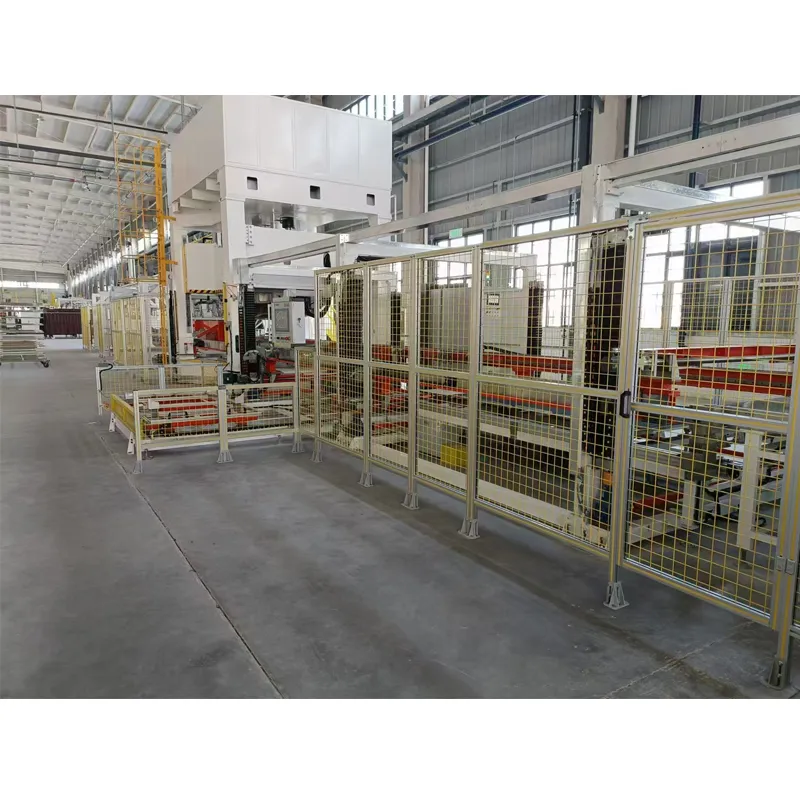
A Tier-1 trim plant (door panels, EV program) swapped in this unit and reported around 8–12% adhesive savings by dialing down film from ≈60 μm to ≈50 μm, plus a small cycle-time gain when the auto-feed eliminated mid-shift refills. QA noted peel strength still cleared spec (ASTM D903) with headroom. Surprisingly, changeovers felt calmer—operators weren’t chasing glue level alarms.
Customer feedback: “Smooth laydown, fewer rejects. The laser feed sounded gimmicky at first; now we’d miss it.”
Compliance and safety
Typical builds align with ISO 9001 quality systems and CE machinery directives. For interior programs, adhesive emissions are usually checked per VDA 278. Keep PPE and guarding in place; adhesive MSDS and local safety codes still rule the day.