



Custom Precision Forming Molds & Dies for Quality Parts
Custom Precision Forming Molds & Dies for Quality Parts
Understanding the Evolving Landscape of Forming Molds
In the intricate world of advanced manufacturing, the precision and integrity of component fabrication are paramount. Central to achieving this precision are specialized tooling systems, with the forming mold standing as a critical enabler. These engineered tools are indispensable for shaping raw materials—be it metals, plastics, or composites—into their final desired geometries, often under immense pressure and temperature. The efficiency and quality of the finished product are directly influenced by the design, material, and manufacturing accuracy of the mold itself. With global manufacturing shifting towards higher precision, faster cycle times, and more complex part geometries, the demand for sophisticated forming tools, including various types of forming die and forming mould, continues to accelerate.
Current industry trends highlight several key drivers impacting the evolution of forming technologies. First, the push towards lightweighting in sectors like automotive and aerospace necessitates molds capable of processing advanced high-strength steels (AHSS), aluminum alloys, and carbon fiber reinforced polymers (CFRPs). This requires molds made from superior tool steels with enhanced wear resistance and thermal stability. Second, Industry 4.0 integration is driving the adoption of smart manufacturing practices, where molds are equipped with sensors for real-time monitoring of temperature, pressure, and deformation, enabling predictive maintenance and process optimization. Third, additive manufacturing (AM) is increasingly used for rapid prototyping of molds or for creating molds with intricate internal cooling channels, significantly reducing production cycles and improving part quality. These trends collectively underscore the critical role of innovation in forming mold technology.
Detailed Manufacturing Process of a Forming Mold
The creation of a high-performance forming mold is a multi-stage, precision-intensive process that demands expertise across metallurgy, mechanical engineering, and advanced manufacturing. Each step is meticulously controlled to ensure the final product meets stringent technical specifications and performance benchmarks.
Process Flow Overview:
- Design & Simulation: Initial conceptualization based on client product specifications, followed by detailed 3D CAD modeling. Finite Element Analysis (FEA) simulations are performed to predict material flow, stress distribution, and thermal performance during the forming process, optimizing mold geometry for minimal deformation and maximum longevity.
- Material Selection: Crucial step involving the selection of tool steel (e.g., D2, H13, A2) or carbide alloys, based on required hardness, wear resistance, toughness, and thermal conductivity. For high-temperature applications, superalloys or ceramics may be considered.
- Raw Material Preparation: Sourcing of high-quality steel billets or blanks. These are often pre-treated (e.g., annealing) to relieve internal stresses and improve machinability.
- Rough Machining (Casting/Forging): For large or complex molds, initial shaping may involve casting (e.g., sand casting for very large dies) or forging. Forging improves grain structure and mechanical properties. This is followed by rough CNC milling to remove excess material and achieve a near-net shape.
- Heat Treatment: A critical phase where the mold material is subjected to controlled heating and cooling cycles (hardening, tempering, cryogenics) to achieve desired hardness, strength, and toughness. This significantly enhances the mold's service life and performance. For example, H13 steel often undergoes vacuum hardening to achieve a hardness of 45-50 HRC.
- Precision Machining (CNC Machining): High-precision CNC milling, turning, and grinding operations are performed to achieve the final intricate geometries, surface finishes, and dimensional tolerances. Wire EDM (Electrical Discharge Machining) and Sinker EDM are used for complex internal features and sharp corners.
- Surface Treatment: To further enhance wear resistance, corrosion resistance, and reduce friction, various surface treatments are applied. These include Physical Vapor Deposition (PVD) coatings (e.g., TiN, TiAlN), Chemical Vapor Deposition (CVD), nitriding, or chroming.
- Polishing & Finishing: Manual and automated polishing techniques are used to achieve the specified surface roughness (Ra value), crucial for part release and surface quality of the formed product.
- Assembly & Testing: Multi-component molds are assembled, and all moving parts are checked for smooth operation. Non-destructive testing (NDT) methods like ultrasonic testing (UT), magnetic particle inspection (MPI), or liquid penetrant inspection (LPI) are employed to detect any subsurface flaws. Dimensional inspections are carried out using CMM (Coordinate Measuring Machine) to ensure adherence to design specifications (e.g., ISO 2768-1 for general tolerances).
- Final Quality Assurance: Comprehensive review against design blueprints and performance criteria.
Schematic Steps of Mold Manufacturing:
1. Design & Simulation
CAD, FEA2. Material & Machining
Tool Steel, CNC3. Heat Treatment
Hardening, Tempering4. Surface Finishing
Coating, Polishing5. Quality Control
CMM, NDTTarget industries for high-quality forming mold solutions include petrochemical for pipe fittings and pressure vessel components, metallurgy for specialized metal parts, and water supply & drainage for complex valve bodies and connectors. Advantages in these scenarios include significant energy savings due to optimized material flow reducing cycle times, and superior corrosion resistance from specialized coatings extending operational lifespan in harsh environments.
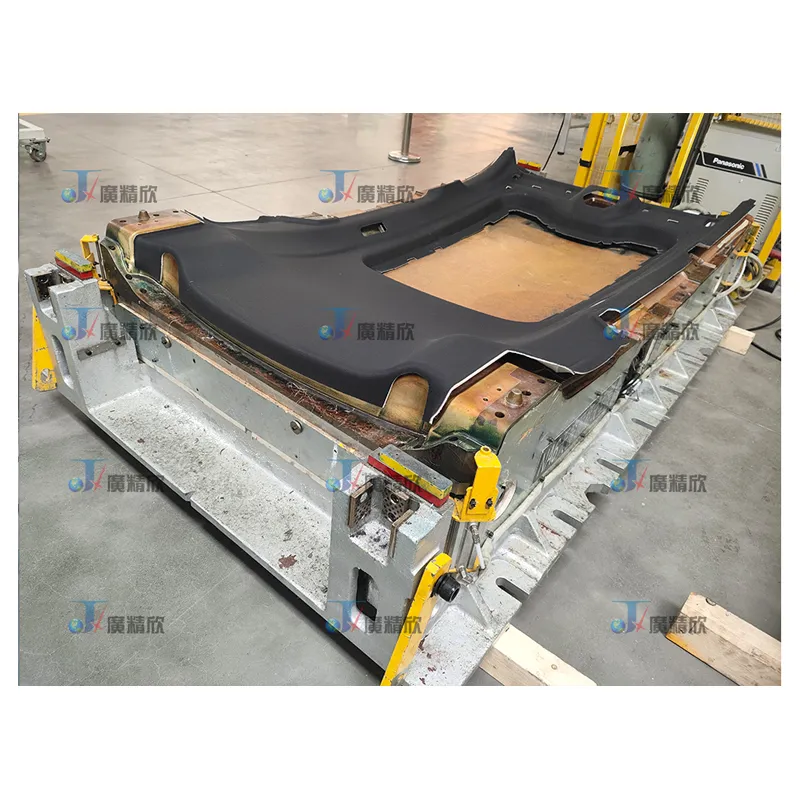
Technical Specifications and Parameters of Forming Dies
The performance of a forming die is defined by a rigorous set of technical parameters. These specifications ensure that the mold can withstand the mechanical, thermal, and chemical stresses inherent in industrial forming processes, consistently producing components with the required dimensional accuracy and surface integrity.
Key Product Specifications for a Typical Forming Mold:
| Parameter | Description | Typical Value/Range |
|---|---|---|
| Material Hardness | Resistance to indentation, measured in HRC. Directly impacts wear resistance. | 45-62 HRC (depending on application) |
| Wear Resistance | Ability to resist material loss from friction and abrasion. Enhanced by coatings. | ASTM G65 Abrasive Wear Index: |
| Tensile Strength | Maximum stress a material can withstand before breaking under tension. | 1500-2200 MPa |
| Yield Strength | Stress at which a material begins to deform plastically. | 1200-1800 MPa |
| Thermal Stability | Ability to maintain mechanical properties at elevated temperatures. | Up to 600°C (H13 steel) |
| Surface Roughness (Ra) | Average roughness of the mold's working surface. Affects part release and quality. | 0.2 – 0.8 µm (for highly polished surfaces) |
| Dimensional Tolerance | Permissible variation in mold dimensions, governed by ISO 2768-1 standards. | ISO 2768-1 m (medium) to f (fine) |
| Service Life Expectancy | Number of cycles or operational hours before significant wear or failure. | 100,000 - 1,000,000+ cycles (material dependent) |
These parameters are critical for specifying the appropriate forming mold for a given application, ensuring optimal performance and longevity. Adherence to standards like ISO 9001 (Quality Management Systems) and ANSI (American National Standards Institute) for tooling design is fundamental to our manufacturing process.
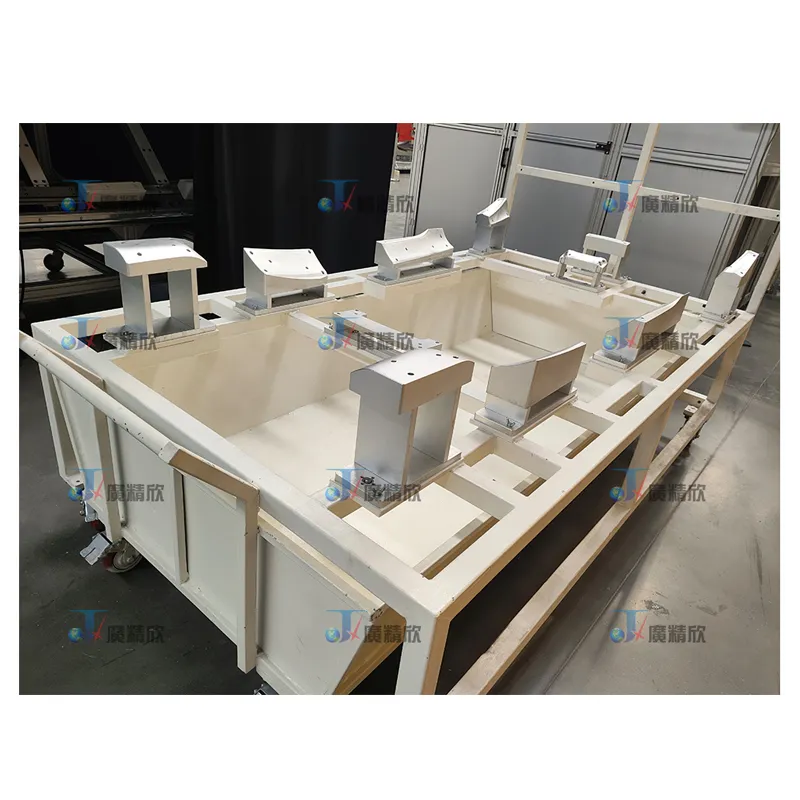
Application Scenarios and Technical Advantages
The versatility of modern forming mold technology allows its application across a broad spectrum of industries, enabling the production of diverse and complex components. Each application leverages specific technical advantages designed into the mold.
Typical Application Scenarios:
- Automotive Industry: Production of body panels, structural components, engine parts, and chassis elements. High-strength steel forming dies are crucial for lightweight vehicle construction. For example, hot stamping dies for boron steel components ensure superior crashworthiness.
- Aerospace & Defense: Manufacturing of turbine blades, structural brackets, and specialized fasteners from titanium alloys and superalloys. The precision and integrity of these components are non-negotiable, requiring molds with exceptional material properties and surface finishes.
- Petrochemical & Energy: Fabrication of pipe fittings, valve bodies, flange connections, and heat exchanger components. These often require molds resistant to high temperatures, corrosive fluids, and extreme pressures, made from stainless steels or nickel alloys.
- Medical Devices: Precision forming of surgical instruments, prosthetic components, and device housings. Molds must ensure biocompatibility, smooth finishes, and tight tolerances for critical medical applications.
- Construction & Infrastructure: Production of heavy-duty connectors, structural supports, and specialized fasteners used in large-scale civil engineering projects.
Technical Advantages:
- Enhanced Material Utilization: Optimized mold designs minimize material waste, particularly critical when working with expensive alloys, contributing to significant cost savings and sustainability.
- Superior Part Quality: Precision-machined and polished mold surfaces result in components with excellent surface finish, tight dimensional tolerances (e.g., ±0.01mm for micro-stamping), and consistent mechanical properties, reducing the need for post-processing.
- Extended Service Life: Advanced tool steel materials and sophisticated surface treatments (e.g., PVD coatings, nitriding) significantly extend the operational life of the forming mould, reducing tooling costs and downtime. Molds with TiAlN coatings have shown a 2-5x increase in service life in challenging applications compared to uncoated tools.
- Energy Efficiency: Optimized runner systems and efficient cooling channels within the mold reduce cycle times, leading to lower energy consumption per part. For instance, integrated conformal cooling channels produced via additive manufacturing can reduce cooling times by up to 40%.
- Corrosion and Erosion Resistance: Specialized coatings and alloy selections provide excellent resistance to corrosive agents and abrasive media, crucial for molds used in harsh environments or processing aggressive materials.
- Complex Geometries: Advanced CNC and EDM capabilities allow for the creation of intricate and complex mold features, enabling the manufacture of parts with challenging designs previously unattainable.
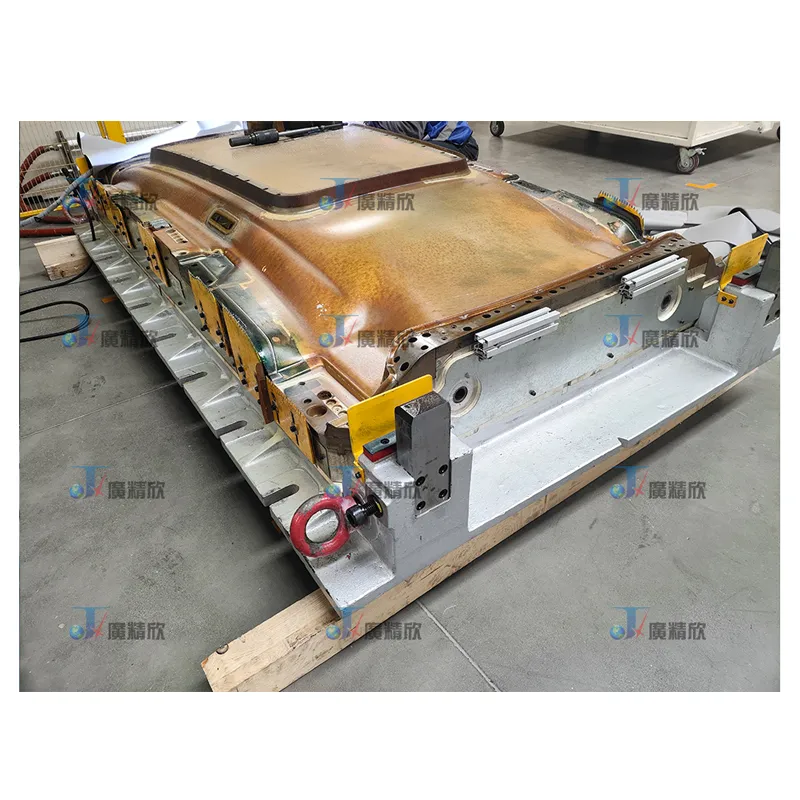
Vendor Comparison: Choosing the Right Forming Mold Partner
Selecting the right manufacturer for your forming mold needs is a strategic decision that impacts product quality, production costs, and time-to-market. A thorough evaluation of potential vendors based on their capabilities, experience, and service offerings is essential.
Key Criteria for Vendor Evaluation:
- Expertise and Experience: Look for vendors with a proven track record in your specific industry and for the types of materials you intend to form. Years of operation and portfolio of complex projects are strong indicators.
- Technological Capabilities: Assess their machinery (e.g., 5-axis CNC, EDM, laser cladding), simulation software (FEA, CFD), and quality control equipment (CMM, optical scanners).
- Material Science Knowledge: A deep understanding of tool steel selection, heat treatment protocols, and advanced coatings is paramount for mold longevity and performance.
- Customization & Engineering Support: Ability to provide tailored solutions and offer design-for-manufacturability (DFM) guidance.
- Quality Assurance & Certifications: Adherence to international standards like ISO 9001, AS9100 (aerospace), or IATF 16949 (automotive).
- After-Sales Support: Availability of maintenance, repair, and spare parts services.
Comparative Table: Leading Forming Mold Manufacturers
| Feature | Vendor A (Global Leader) | Vendor B (Specialized Boutique) | Our Company (Headliningline) |
|---|---|---|---|
| Market Focus | Automotive, Large Scale | Aerospace, Medical, Micro-forming | Petrochemical, Metallurgy, Water, General Industrial |
| Customization Capability | High, Standardized Processes | Very High, Niche Solutions | Very High, Comprehensive Design & Engineering |
| Lead Time (Avg. Complex Mold) | 16-24 Weeks | 18-28 Weeks | 12-20 Weeks (Optimized for Efficiency) |
| Quality Certifications | ISO 9001, IATF 16949 | ISO 9001, AS9100 | ISO 9001:2015, CE Compliant, In-house NDT |
| Advanced Coatings | Standard PVD/CVD | Specialized Nanocoatings | Extensive Range: PVD (TiN, TiAlN), Nitriding, DLC |
| After-Sales Support | Standard (Regional) | Limited (Specialist) | Global Reach, Dedicated Technical Team, Rapid Response |
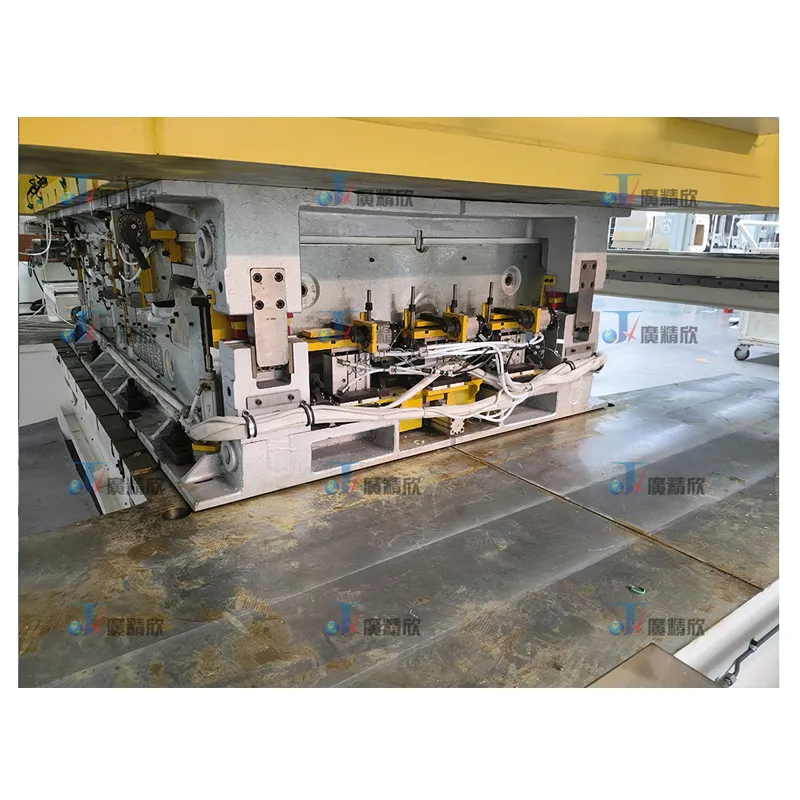
Customized Solutions and Real-World Application Case Studies
At Headliningline, we understand that off-the-shelf solutions rarely suffice for complex industrial challenges. Our strength lies in providing highly customized forming mold solutions, meticulously engineered to meet the unique specifications and operational demands of our clients. Our dedicated team of engineers collaborates closely with clients from conceptual design to final deployment, ensuring optimal performance and cost-efficiency.
Our Customization Process:
- Requirements Analysis: In-depth consultation to understand part geometry, material properties, production volume, cycle time targets, and environmental conditions.
- Conceptual Design & Feasibility: Development of initial mold concepts, followed by DFM analysis and material selection recommendations.
- Advanced Simulation: Extensive use of FEA and process simulation software to optimize mold design, predict performance, and identify potential issues before manufacturing.
- Precision Manufacturing: Leveraging our state-of-the-art CNC, EDM, and heat treatment facilities to fabricate the forming mould with unparalleled accuracy.
- Prototyping & Testing: Offering rapid prototyping services and rigorous in-house testing to validate mold performance and product quality against client specifications.
- Integration Support: Assistance with mold integration into existing production lines and initial run optimization.
Application Case Studies:
Case Study 1: High-Pressure Petrochemical Valve Body
Client Challenge: A major petrochemical firm required a forming mold for complex valve bodies made from a corrosion-resistant nickel alloy, needing superior surface finish and strict dimensional tolerances for high-pressure applications. Previous molds showed premature wear and inconsistent part quality.
Our Solution: We designed a multi-stage forming die utilizing a specialized maraging steel for the core, enhanced with a advanced multi-layer PVD coating (CrN/AlCrN). Integrated cooling channels were optimized via CFD simulations to manage thermal stresses. Our solution included a positioning mold for accurate alignment during assembly.
Results: The client achieved a 40% increase in mold service life, reduced post-machining operations by 25% due to improved surface finish, and consistently met +/-0.02mm dimensional accuracy. This led to a 15% reduction in overall production costs for the valve bodies.
Case Study 2: Automotive Structural Component for EV Chassis
Client Challenge: An automotive OEM needed to produce high-strength, lightweight structural components for an electric vehicle chassis using advanced high-strength steel (AHSS) with a rapid forming cycle time. Existing tools struggled with springback and limited tool life.
Our Solution: We developed a hot stamping forming die from H13 tool steel, incorporating a proprietary heat treatment process and optimized cooling lines. The mold design included specific features to compensate for springback, refined through iterative FEA. Our positioning mold ensured precise placement of the AHSS blank.
Results: The new mold achieved a cycle time reduction of 18%, significantly reduced springback (from 2.5° to less than 0.5°), and extended tool life by 70%, meeting the client's aggressive production targets and quality standards for critical safety components.
Frequently Asked Questions (FAQ)
Q: What is the typical lead time for a custom forming mold?
A: Lead times vary depending on the complexity, size, and material requirements of the forming mold. For standard-to-moderately complex molds, our typical lead time ranges from 12 to 20 weeks from design approval. Highly intricate or large-scale molds may require 20 to 28 weeks. We provide a detailed project timeline upon quote approval.
Q: What kind of warranty do you offer on your forming molds?
A: We stand by the quality of our engineering and manufacturing. All our forming die and positioning mold products come with a comprehensive warranty covering manufacturing defects and material integrity for a specified period or cycle count (e.g., 12 months or 200,000 cycles, whichever comes first). Specific warranty terms are provided with each quotation.
Q: Can you assist with mold maintenance and repairs?
A: Yes, we offer extensive after-sales support, including routine maintenance guidance, refurbishment services, and emergency repair capabilities. Our technical support team is available to assist with any operational issues or optimization needs, ensuring your forming mould delivers sustained peak performance. We also offer spare parts and wear components.
Q: What information do I need to provide for a custom mold quote?
A: To facilitate an accurate quotation, please provide 3D CAD models (STEP, IGES preferred) of the final part, material specifications for the part being formed, target production volume, desired cycle time, and any specific surface finish or dimensional tolerance requirements. Details about your existing press or forming equipment are also helpful.
Authoritative References
- Smith, J. (2022). "Advances in Tool Steel Technology for High-Performance Forming Dies." Journal of Manufacturing Processes, Vol. 45, pp. 231-240.
- International Organization for Standardization. ISO 9001:2015 - Quality management systems — Requirements. Geneva, Switzerland.
- American National Standards Institute. ANSI B18.2.1 - Square and Hex Bolts and Screws. New York, USA.
- Wang, L. & Zhang, H. (2021). "Simulation and Optimization of Conformal Cooling Channels in Injection Molds." Polymers, Vol. 13, Issue 18, 3110.
- ASM Handbook, Vol. 16: Machining. ASM International, 2002.