



Comprehensive Guide to Polyurethane Foam Filling Machine Selection and Applications
Comprehensive Guide to Polyurethane Foam Filling Machine Selection and Applications
Polyurethane Foam Filling Machine: A Comprehensive Guide
Choosing the right polyurethane foam filling machine is crucial for businesses involved in foam production, packaging, or insulation. These machines automate the process of filling products with polyurethane foam, leading to increased efficiency, consistency, and cost savings. This article will explore the different types of polyurethane foam filling machines, their applications, key features, and what to consider when making a purchase. We'll dive into the technical aspects and highlight why investing in a quality machine is a smart move for your operations.
Understanding Polyurethane Foam Filling Machines
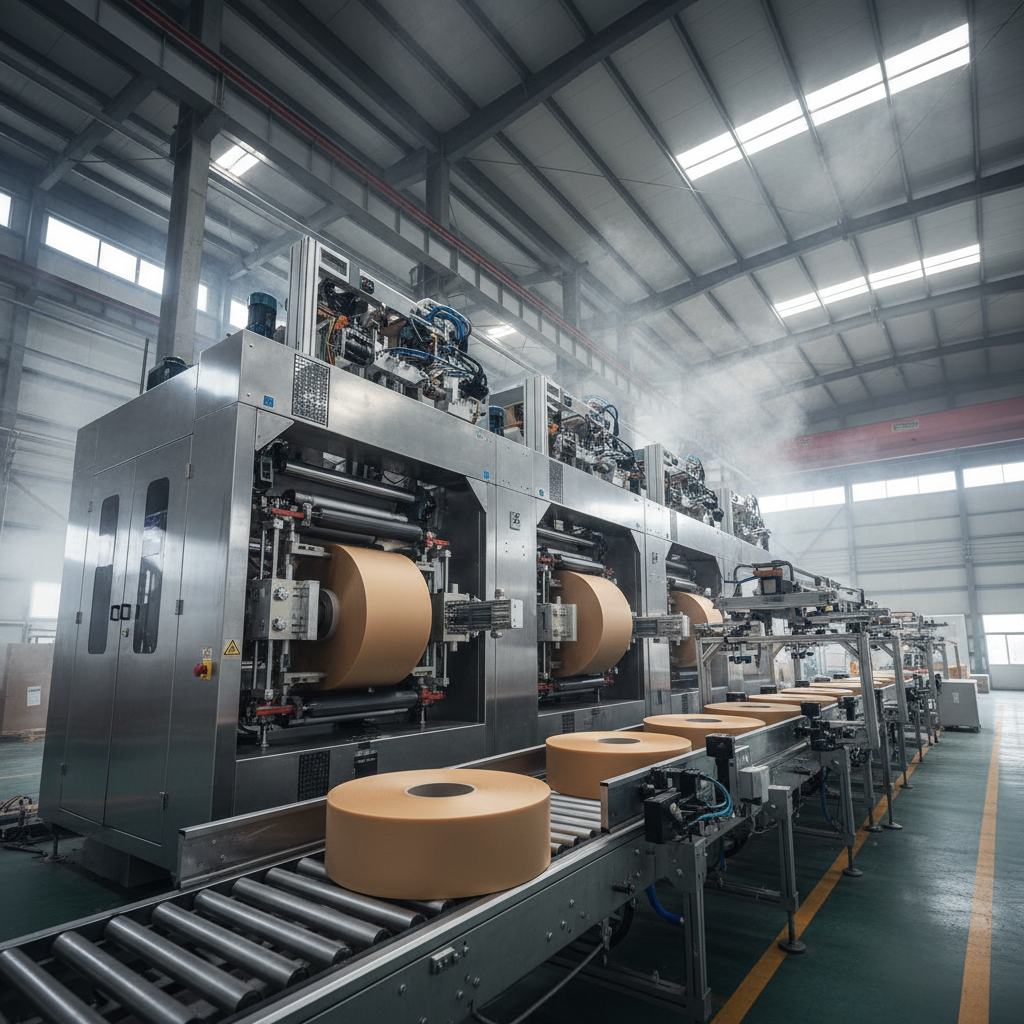
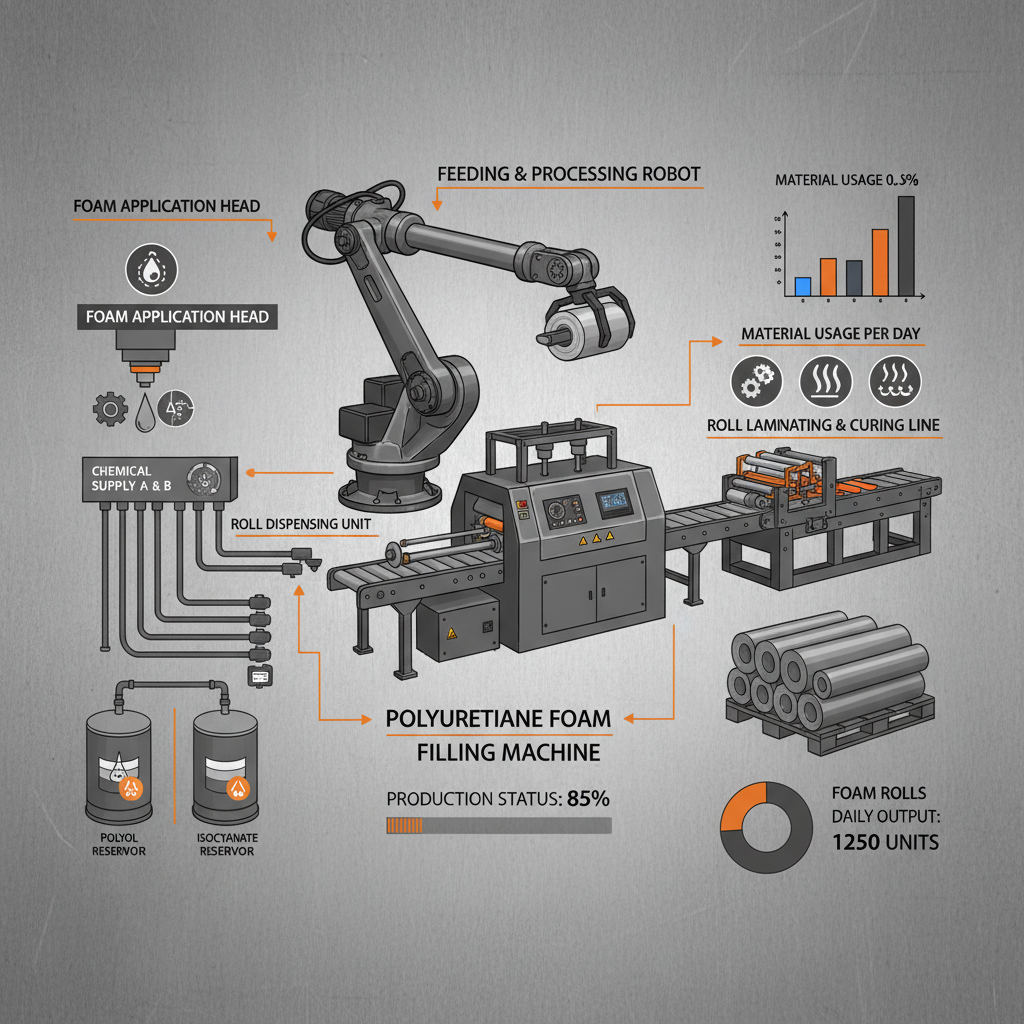
Polyurethane foam filling machines are designed to dispense and inject polyurethane foam into various products and applications. These machines precisely control the mixing ratio of the two main components – polyol and isocyanate – which react to create the expanding foam. This foam is then used for cushioning, insulation, packaging, and gap-filling purposes. The core function is to create a consistent and high-quality foam fill without manual intervention, leading to optimized production processes. The selection of the right machine hinges on the volume of production, type of foam required, and the nature of the products being filled.
Key Benefits: Automates foam filling, ensures consistent quality, reduces labor costs, increases production efficiency, versatile applications.
Types of Polyurethane Foam Filling Machines
Several types of polyurethane foam filling machines cater to diverse needs. The primary distinctions lie in their automation level, dispensing method, and capacity. Common types include:
- Manual Machines: These require manual operation for mixing and dispensing, suitable for small-scale operations.
- Semi-Automatic Machines: Offer some automation, such as pre-set mixing ratios, simplifying the process.
- Automatic Machines: Fully automated, integrating with production lines for high-volume filling.
- Portable Machines: Designed for on-site foam filling, offering flexibility for various locations.
- Multi-Component Machines: Capable of dispensing multiple foam formulations simultaneously.
The choice depends on factors like production volume, desired accuracy, and the complexity of the filling task. For example, a small furniture manufacturer might opt for a semi-automatic machine, while a large packaging company would likely require a fully automatic solution.
Machine Type Comparison:
• Manual: Low cost, simple operation, low production volume.
• Semi-Automatic: Moderate cost, improved accuracy, moderate production volume.
• Automatic: High cost, high accuracy, high production volume, minimal labor.
• Portable: Moderate cost, flexible, good for on-site use.
Key Features to Consider When Choosing a Polyurethane Foam Filling Machine
When selecting a polyurethane foam filling machine, consider these essential features: Mixing Ratio Control: Precise control over the polyol and isocyanate ratio is vital for foam quality. Dispensing Accuracy: Ensuring consistent foam volume in each product. Flow Rate Adjustment: Allows for varying foam densities and fill times. Material Compatibility: Ensuring the machine can handle the specific polyurethane formulations you use. Easy Cleaning & Maintenance: Simplifies upkeep and reduces downtime. Safety Features: Including emergency stops and proper ventilation. These features will ensure a seamless and efficient foam filling process.
Applications Across Industries
Polyurethane foam filling machines serve a vast array of industries. In the furniture sector, they fill cushions and mattresses. The packaging industry utilizes them to protect fragile items during shipping. Automotive manufacturers employ them for soundproofing and seat cushioning. Construction benefits from their use in insulation applications. And in the medical field, they're used in the production of medical devices and packaging. The ability to customize foam density and shape makes these machines exceptionally versatile.
Technical Specifications and Maintenance
Key technical specifications include foam output volume per minute, mixing ratio accuracy, and power requirements. Regular maintenance is essential to ensure optimal performance. This involves cleaning the mixing head, replacing filters, and lubricating moving parts. Following the manufacturer’s recommended maintenance schedule will prolong the life of your machine and minimize downtime. Headlining Line offers comprehensive support and maintenance packages to assist you.
Conclusion: Invest in Efficiency and Quality
Investing in a high-quality polyurethane foam filling machine is a strategic decision for businesses seeking to improve efficiency, reduce costs, and enhance product quality. By carefully considering your specific needs and selecting a machine with the right features, you can optimize your foam filling process and achieve significant operational benefits.
Frequently Asked Questions (FAQs)
What type of polyurethane foam can these machines handle?
Most polyurethane foam filling machines are designed to handle a wide range of foam types, including flexible foam, rigid foam, and integral skin foam. However, it's crucial to verify the machine's compatibility with the specific formulation you intend to use. Factors such as foam density, viscosity, and reactivity can influence machine performance. Consult with the manufacturer to ensure optimal results and prevent potential damage to the equipment. Headlining Line can help guide you through this process.
How much maintenance is required for a polyurethane foam filling machine?
Regular maintenance is crucial for prolonging the life of your machine. This typically involves daily cleaning of the mixing head and dispensing nozzle, weekly filter replacements, and periodic lubrication of moving parts. It’s also important to inspect hoses and connections for leaks or damage. Refer to the manufacturer’s manual for specific maintenance instructions and schedules. Investing in preventative maintenance can significantly reduce downtime and repair costs.
What safety precautions should be taken when operating these machines?
Polyurethane chemicals require careful handling. Always wear appropriate personal protective equipment (PPE), including gloves, goggles, and a respirator, to prevent skin and respiratory irritation. Ensure adequate ventilation in the work area. Follow all safety guidelines provided by the manufacturer and local regulations. Be aware of the potential hazards associated with isocyanates and polyols and handle them responsibly.