



Comprehensive Guide to Polyurethane Foam Equipment and Manufacturing Processes
Comprehensive Guide to Polyurethane Foam Equipment and Manufacturing Processes
Polyurethane Foam Equipment: A Comprehensive Guide
The demand for polyurethane foam is constantly growing across various industries, from automotive and construction to furniture and packaging. This growth fuels a strong need for efficient and reliable polyurethane foam equipment. This article will explore the different types of equipment used in polyurethane foam production, key considerations when choosing the right equipment, and the latest innovations in the field. We'll provide insights for both startups and established businesses looking to optimize their foam manufacturing processes.
Understanding Polyurethane Foam Equipment Types
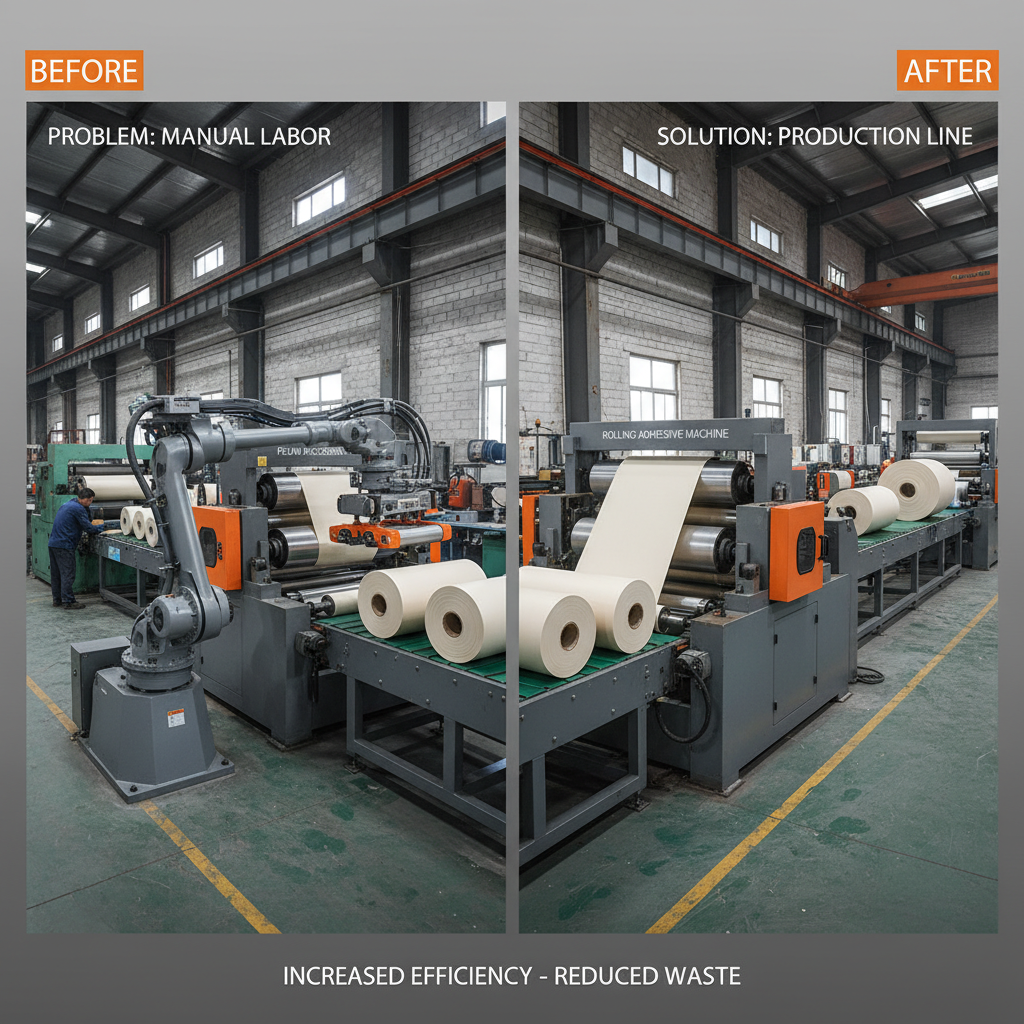
The production of polyurethane foam involves several distinct stages, each requiring specific equipment. These can be broadly categorized into dispensing machines, mixing heads, molds, curing ovens, and auxiliary equipment. Dispensing machines accurately meter and deliver the liquid polyurethane components (polyol and isocyanate). Mixing heads are crucial for homogenous blending of these components, impacting foam quality. Molds define the shape of the final product, while curing ovens accelerate the polymerization process. Finally, auxiliary equipment like conveyors, cutting machines, and ventilation systems complete the production line. Selecting the appropriate combination of these elements is paramount for achieving desired foam properties and production efficiency.
Key Takeaway: Effective polyurethane foam manufacturing relies on a cohesive system of equipment, each optimized for its specific role in the process.
Essential Equipment for Polyurethane Foam Production
Let's delve deeper into some core pieces of polyurethane foam equipment. High-Pressure Dispensing Machines are favored for their precision and ability to handle a wide range of formulations. Low-Pressure machines are more cost-effective for simpler applications. Mixing heads come in various designs – dynamic, static, and impinging – each offering different mixing efficiencies. The choice depends on the foam density and viscosity. Finally, molds can be made from aluminum, steel, or composite materials, depending on production volume and complexity.
Key Equipment Breakdown:
• Dispensing Machines: High-Pressure, Low-Pressure
• Mixing Heads: Dynamic, Static, Impinging
• Molds: Aluminum, Steel, Composite
Polyurethane Foam Equipment: A Comparative Analysis
Choosing the right equipment necessitates a careful comparison of different options. Factors to consider include production volume, foam type (rigid, flexible, integral skin), budget, and automation level. For high-volume production of rigid foam, a fully automated system with high-pressure dispensing and a static mixing head is ideal. For lower-volume, flexible foam production, a manual or semi-automatic system with a low-pressure dispenser and dynamic mixing head might suffice. The table below provides a quick comparison of key features.
Trends and Innovations in Polyurethane Foam Equipment
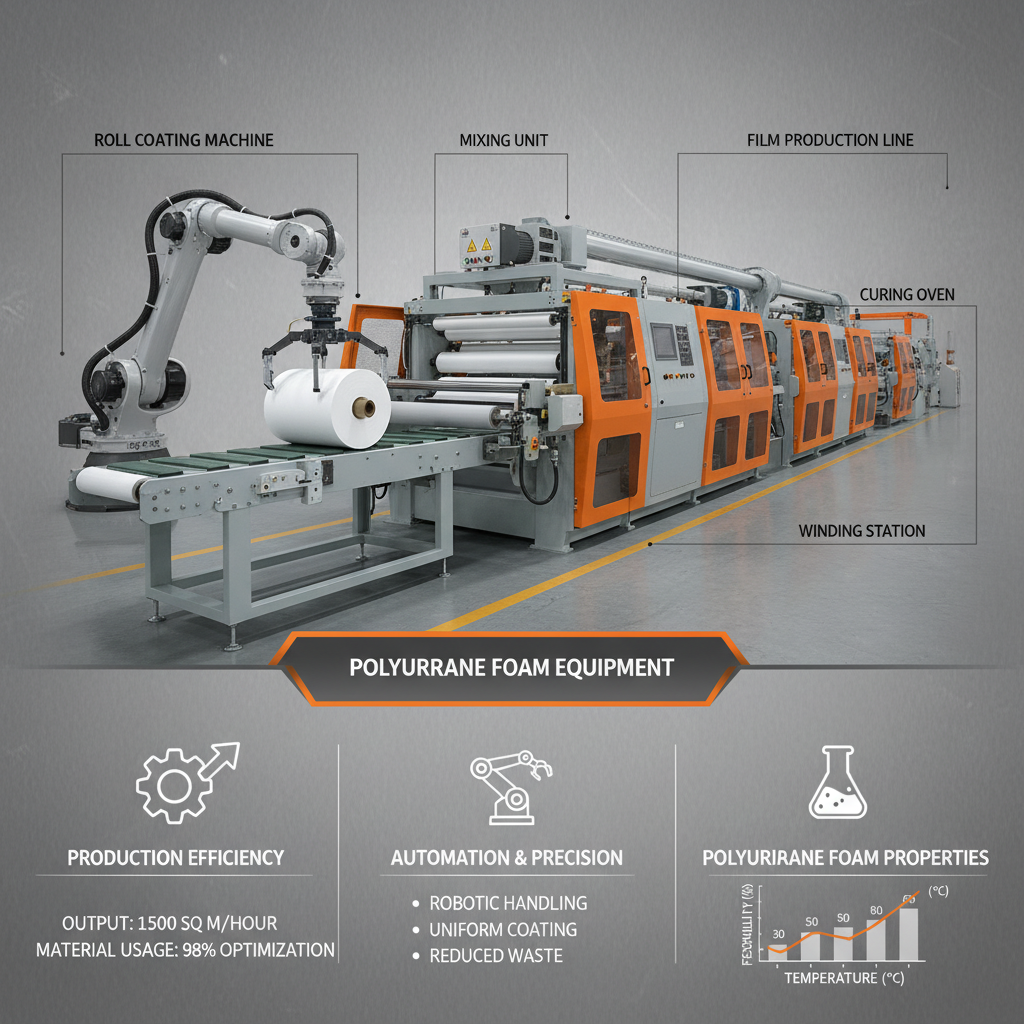
The polyurethane foam equipment industry is continually evolving. Recent innovations include the development of more precise and energy-efficient dispensing machines, as well as the integration of advanced control systems for improved foam quality and reduced waste. There's a growing trend towards using bio-based polyols and isocyanates, requiring equipment capable of handling these new formulations. Furthermore, automation and Industry 4.0 technologies are being implemented to enhance process monitoring, predictive maintenance, and overall operational efficiency. Headliningline remains at the forefront of these innovations, providing cutting-edge solutions for foam manufacturers.
Selecting the Right Supplier for Your Polyurethane Foam Equipment
Choosing a reliable supplier is just as important as selecting the right equipment. Look for a supplier with a proven track record, excellent customer support, and the ability to provide customized solutions. Consider factors like equipment quality, warranty terms, and the availability of spare parts and technical assistance. A supplier who understands your specific needs and can offer expert guidance can significantly contribute to the success of your polyurethane foam manufacturing operation.
Conclusion: Investing in the Future of Foam Manufacturing
Investing in high-quality polyurethane foam equipment is crucial for optimizing production, ensuring product quality, and maintaining a competitive edge. By carefully considering your specific needs and partnering with a trusted supplier, you can build a foam manufacturing operation that is efficient, reliable, and capable of meeting the evolving demands of the market.
Frequently Asked Questions (FAQs)
What is the typical lead time for polyurethane foam equipment?
Lead times can vary significantly depending on the complexity of the equipment, customization requirements, and the supplier’s production schedule. Generally, standard equipment can be delivered within 4-8 weeks, while customized solutions may take 12-16 weeks or longer. It’s essential to discuss lead times upfront with your supplier to ensure your project stays on track. Factors like global supply chain disruptions can also influence delivery timelines, so planning and early ordering are recommended.
What maintenance is required for polyurethane foam equipment?
Regular maintenance is vital for ensuring the longevity and optimal performance of your equipment. This includes daily cleaning of mixing heads and dispensing nozzles, periodic inspection of seals and hoses, and scheduled lubrication of moving parts. It’s also important to calibrate dispensing machines regularly to maintain accuracy. Preventative maintenance programs offered by equipment suppliers can help streamline this process. Following the manufacturer’s recommended maintenance schedule will minimize downtime and prevent costly repairs.
What safety precautions should be taken when operating polyurethane foam equipment?
Polyurethane chemicals can be hazardous, so safety is paramount. Always wear appropriate personal protective equipment (PPE), including gloves, safety glasses, and respirators. Ensure adequate ventilation in the work area to prevent exposure to fumes. Follow the manufacturer’s safety guidelines for handling and storing chemicals. Proper training for operators is essential. Regularly inspect equipment for leaks and address any safety concerns immediately.