



Comprehensive Guide to Polyurethane Foam Dispensing Equipment Selection and Usage
Comprehensive Guide to Polyurethane Foam Dispensing Equipment Selection and Usage
Polyurethane Foam Dispensing Equipment: A Comprehensive Guide
Polyurethane foam dispensing equipment is crucial for a diverse range of industries, from insulation and packaging to automotive and construction. Efficient and precise dispensing ensures optimal product quality and minimizes waste. This article explores the types of equipment available, key considerations for selection, and the benefits of investing in high-quality systems. Choosing the right polyurethane foam dispensing equipment can significantly improve your production process and bottom line.
Types of Polyurethane Foam Dispensing Equipment
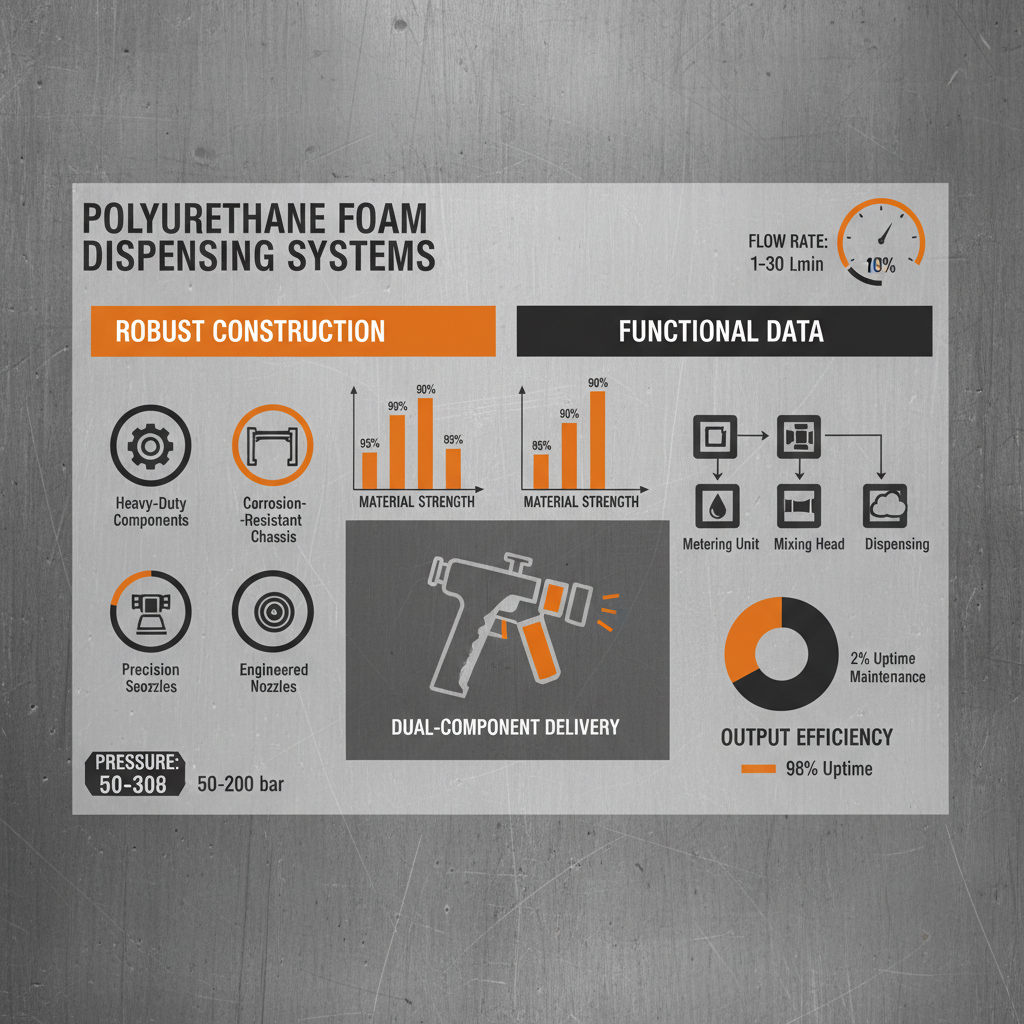
The market offers several types of polyurethane foam dispensing equipment, each suited to different applications and production volumes. These include portable dispensing guns, benchtop machines, and fully automated systems. Portable guns are ideal for small-scale projects and offer flexibility, while benchtop machines provide greater control and precision for medium-sized operations. Automated systems are designed for high-volume production, ensuring consistent quality and minimizing labor costs. Understanding these options is the first step in selecting the right equipment for your needs. The precision of polyurethane foam dispensing equipment significantly impacts the final product's performance.
Key Takeaway: The choice of equipment depends heavily on production volume, required precision, and budget constraints.
Key Considerations When Selecting Equipment
Several factors should guide your selection process. First, consider the type of polyurethane foam you’ll be dispensing—different formulations require specific equipment capabilities. Next, assess the desired output rate and production volume. Accurate metering and mixing are crucial for achieving consistent foam quality. Also, evaluate the ease of operation, maintenance, and cleaning. Finally, consider the level of automation needed to optimize your workflow and reduce labor costs. Investing in dispensing equipment with advanced control features is a smart long-term investment.
Essential Selection Criteria:
• Foam Compatibility
• Output Rate & Volume
• Metering & Mixing Accuracy
• Ease of Maintenance
Comparing Dispensing Methods: Portable vs. Automated
Choosing between portable and automated systems depends on your production needs. Portable guns are cost-effective and versatile for smaller projects, offering manual control. Automated systems, while more expensive upfront, offer superior precision, consistency, and reduced labor costs for large-scale production. The following table highlights the key differences:
Benefits of Investing in Quality Polyurethane Foam Dispensing Equipment
Investing in high-quality equipment offers numerous advantages. Improved foam quality leads to superior product performance. Reduced waste translates to cost savings. Increased production efficiency boosts overall output. Consistent dispensing ensures uniformity and reliability. Furthermore, advanced equipment often incorporates features that simplify operation and maintenance, minimizing downtime. Choosing a reputable supplier like Headlining Line guarantees reliable equipment and expert support.
Maintaining Your Polyurethane Foam Dispensing Equipment
Regular maintenance is key to ensuring the longevity and optimal performance of your dispensing equipment. This includes cleaning the mixing head and hoses after each use, inspecting seals and filters for wear and tear, and lubricating moving parts as recommended by the manufacturer. Following a scheduled maintenance plan will prevent costly breakdowns and extend the equipment's lifespan. Properly maintained polyurethane foam dispensing equipment ensures consistent results and minimizes downtime.
Conclusion: Optimizing Your Foam Dispensing Process
Selecting the right polyurethane foam dispensing equipment is a crucial decision that impacts product quality, production efficiency, and overall costs. By carefully considering your specific needs, exploring the available options, and prioritizing regular maintenance, you can optimize your foam dispensing process and achieve superior results. Invest in quality equipment and a proactive maintenance program for long-term success.
Frequently Asked Questions (FAQs)
What is the typical payback period for automated polyurethane foam dispensing equipment?
The payback period for automated equipment varies depending on production volume, labor costs, and waste reduction. However, most companies experience a return on investment within 12-36 months. The reduced labor costs, minimized material waste, and improved product consistency contribute to significant long-term savings. A detailed cost-benefit analysis should be conducted to determine the specific payback period for your operation. Consider factors such as increased throughput, reduced rework, and lower material consumption when evaluating the investment.
How do I choose the right mixing head for my application?
The choice of mixing head depends on the viscosity of the polyurethane components and the desired mixing ratio. Static mixers are suitable for low-viscosity materials and offer simple, reliable operation. Dynamic mixers, which use impellers or rotors, are ideal for higher-viscosity materials and provide more thorough mixing. Consider the foam density and cell structure requirements when selecting a mixing head. Consult with an expert from Headlining Line for personalized guidance.
What safety precautions should I take when operating polyurethane foam dispensing equipment?
Polyurethane chemicals can be hazardous. Always wear appropriate personal protective equipment (PPE), including gloves, safety glasses, and a respirator. Ensure adequate ventilation in the work area. Follow the manufacturer's safety guidelines for handling and dispensing polyurethane components. Be aware of the potential for exothermic reactions and take precautions to prevent overheating. Proper training and adherence to safety protocols are essential for preventing accidents and injuries.
What kind of support and training does Headlining Line offer?
Headlining Line offers comprehensive support and training programs to ensure our customers can operate and maintain their equipment effectively. This includes on-site installation, operator training, and ongoing technical support. We also provide preventative maintenance services and a readily available supply of spare parts. Our team of experienced technicians is dedicated to helping you maximize the performance and lifespan of your investment. We also offer remote support for quicker troubleshooting.