



Choosing the Right PU Foam Mixing Machine for Optimal Production Efficiency
Choosing the Right PU Foam Mixing Machine for Optimal Production Efficiency
Choosing the Right PU Foam Mixing Machine for Your Business
Selecting the optimal PU foam mixing machine is crucial for businesses involved in polyurethane foam production. These machines are essential for consistent foam quality and efficiency. This guide will explore the key factors to consider when choosing a machine, covering types, applications, specifications, and maintenance. Whether you’re in furniture, automotive, or construction, understanding these aspects will help you make an informed decision. Choosing the correct machinery will optimize your production process and ensure a high-quality finished product.
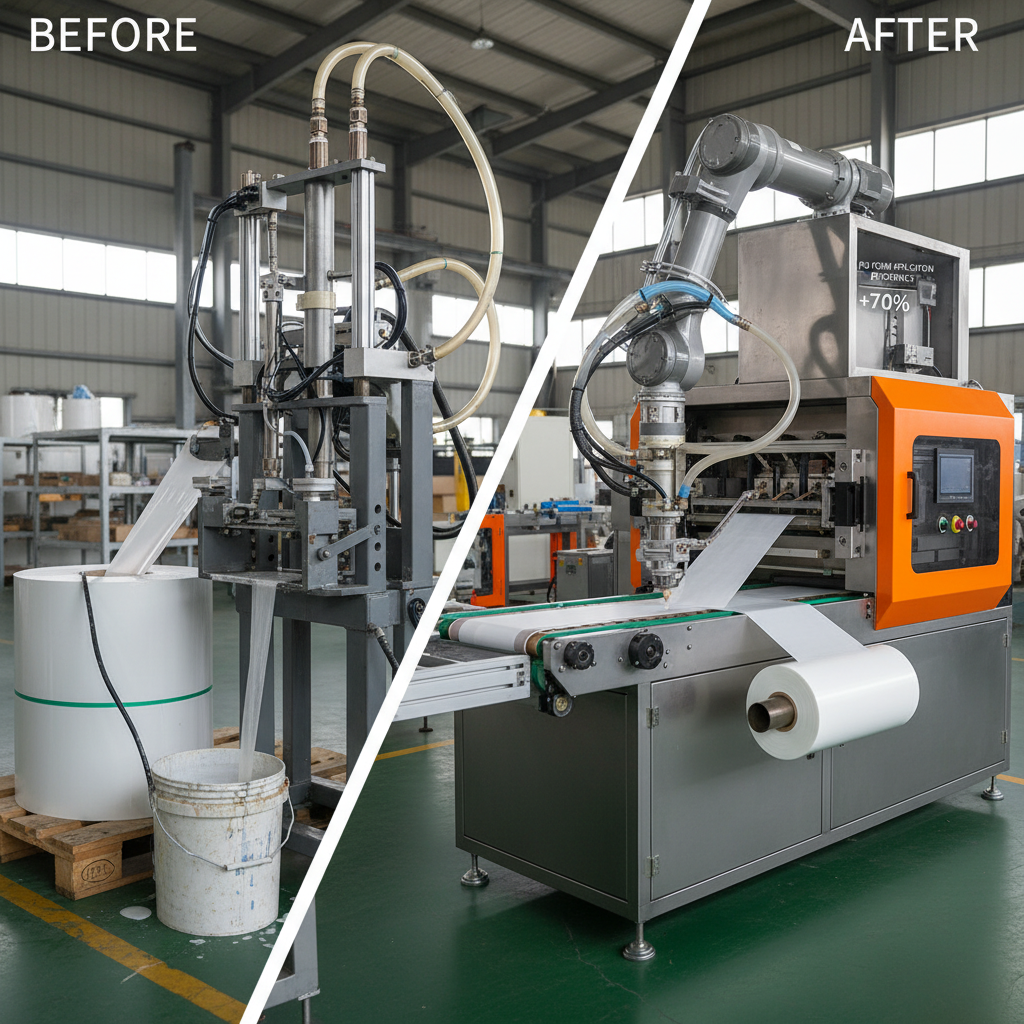
Understanding PU Foam Mixing Machine Types
PU foam mixing machines come in several varieties, each suited for different production scales and foam types. Low-pressure machines are ideal for smaller operations and flexible foam production. High-pressure machines are used for rigid foam and large-scale applications. Dynamic mixing machines offer precise control over mixing ratios and are often used for complex formulations. Static mixing machines are simpler and more cost-effective, but less versatile. Understanding the nuances of each type allows you to align your choice with your specific production needs and budget. Headliningline provides a wide range of machines to suit any application.
Key Highlights: PU foam mixing machines are essential for consistent foam quality, offering various types tailored to production scales and foam properties.
Applications Across Industries
The applications of PU foam mixing machines are incredibly diverse. The automotive industry utilizes them for seating, dashboards, and insulation. Furniture manufacturers employ them for cushions and mattresses. Construction uses rigid foam for insulation and structural components. Packaging relies on foam for protective cushioning. The versatility of PU foam makes these machines indispensable across many sectors. A high-quality PU foam mixing machine ensures reliable production for these diverse applications.
Application Benefits:
• Automotive: Seating, dashboards, insulation.
• Furniture: Cushions, mattresses.
• Construction: Insulation, structural components.
• Packaging: Protective cushioning.
Key Features to Consider When Selecting a PU Foam Mixing Machine
Several key features should influence your decision. Mixing precision is paramount for consistent foam quality. Output capacity determines the machine’s suitability for your production volume. Control systems (manual, semi-automatic, or fully automatic) affect operator involvement and accuracy. Maintenance requirements and the availability of spare parts are crucial for long-term reliability. Finally, consider the energy efficiency of the machine to minimize operating costs.
PU Foam Mixing Machine Specifications & Performance
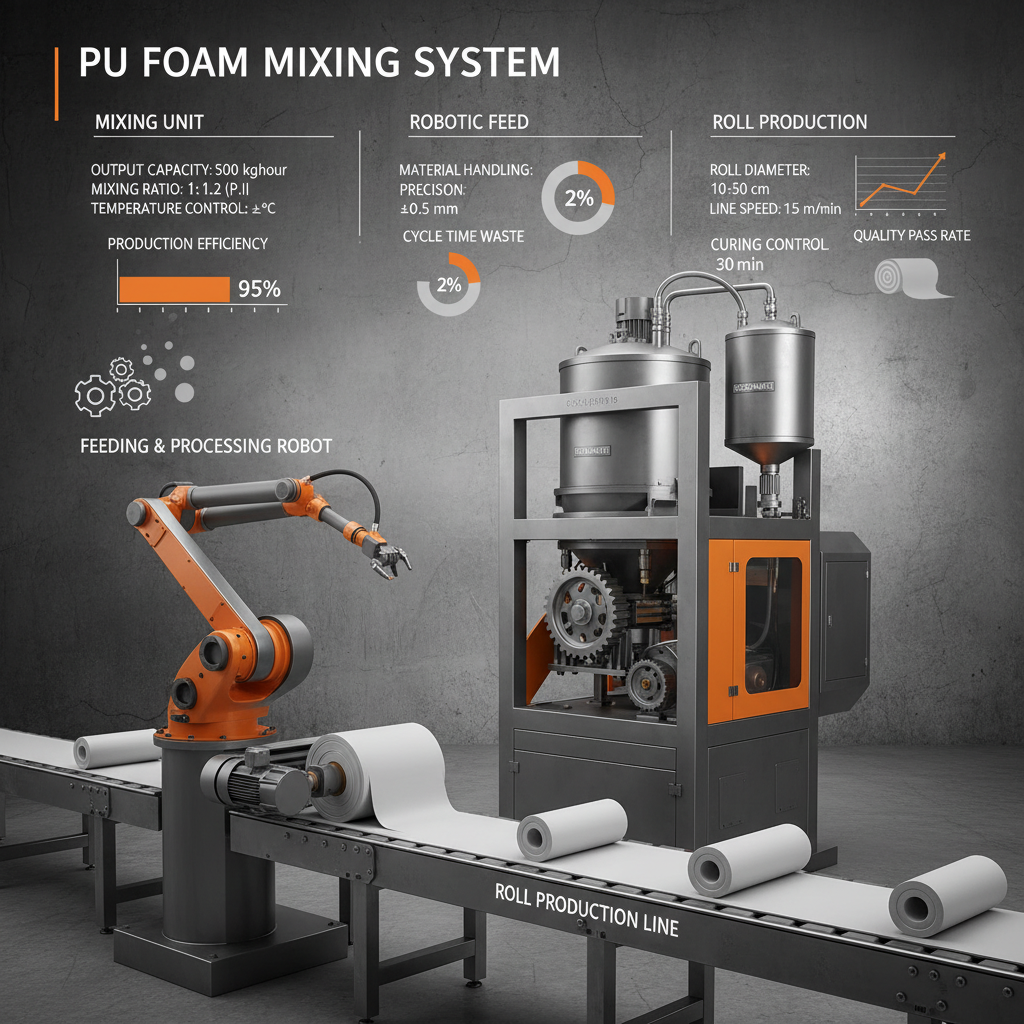
Understanding the specifications of a PU foam mixing machine is essential for determining its suitability for your needs. Key specifications include mixing ratio range, output flow rate (kg/min), motor power (kW), and material viscosity compatibility. Machines vary in their ability to handle different formulations and production rates. Consider your specific requirements carefully and consult with suppliers like Headliningline for expert guidance.
Maintenance and Longevity of Your PU Foam Mixing Machine
Regular maintenance is vital to prolonging the life of your PU foam mixing machine. This includes routine cleaning of mixing heads and chambers, inspection of seals and hoses for leaks, and lubrication of moving parts. Following the manufacturer’s guidelines for maintenance schedules is crucial. Promptly addressing any issues can prevent costly repairs and downtime. Investing in quality spare parts and establishing a preventative maintenance program will ensure optimal performance for years to come.
Conclusion: Investing in the Right PU Foam Mixing Machine
Choosing the right PU foam mixing machine is a strategic investment for any business relying on polyurethane foam. By carefully considering your needs, evaluating different types, and prioritizing maintenance, you can ensure efficient production, consistent quality, and long-term reliability. Partner with a reputable supplier like Headliningline to access expert guidance and a wide selection of machines.
Frequently Asked Questions (FAQs)
What are the main differences between low-pressure and high-pressure PU foam mixing machines?
Low-pressure machines are generally more suitable for flexible foam production like upholstery and mattresses, offering greater control over cell structure. They operate at lower pressures, reducing material stress and energy consumption. High-pressure machines are ideal for rigid foam applications, such as insulation panels and structural components, where higher densities and closed-cell structures are required. They utilize higher pressures to achieve these characteristics. The choice depends heavily on the type of foam you intend to produce and the desired properties.
How do I determine the correct output capacity for my PU foam mixing machine?
Calculate your peak production demand and choose a machine with an output capacity that exceeds this figure to allow for flexibility and future growth. Consider the cycle time of the machine and the amount of foam you need to produce per hour or day. It's better to slightly overestimate your capacity needs than to undersize the machine. A machine that’s too small will create bottlenecks and limit your production potential.
What safety precautions should be taken when operating a PU foam mixing machine?
Always wear appropriate personal protective equipment (PPE), including gloves, safety glasses, and a respirator, as the chemicals involved can be hazardous. Ensure adequate ventilation in the work area. Familiarize yourself with the machine's emergency stop procedures. Never operate the machine if it’s malfunctioning or damaged. Follow the manufacturer’s safety guidelines and provide proper training to all operators. Regular safety inspections are also crucial.