



Automotive Interior Sound - Insulation Pad Oven: Efficient?
Automotive Interior Sound - Insulation Pad Oven: Efficient?
Automotive Interior Sound - Insulation Pad Oven: the quiet, thermally-stable backbone of modern cabins
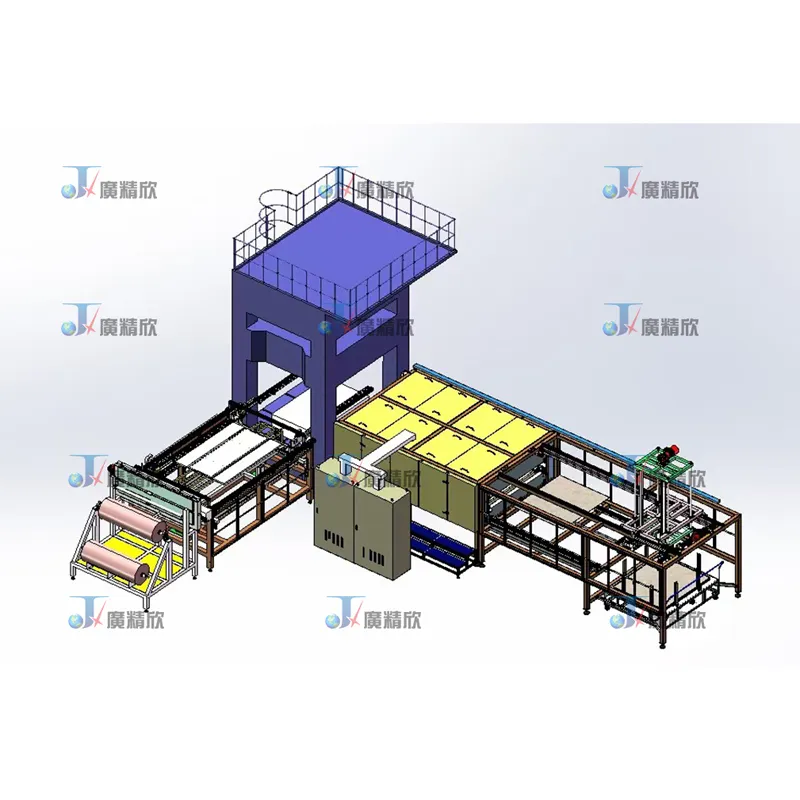
I’ve walked enough trim shops to know: the moment you stabilize heat and noise, everything else feels premium. The Automotive Interior Sound - Insulation Pad Oven line is one of those behind-the-scenes systems people rarely write about, yet it’s quietly steering the new NVH playbook—especially in EVs where motor whine replaces exhaust note, and thermal management is make-or-break.
What’s driving demand right now
- EV-specific NVH: higher-frequency noise needs multi-layer pads with precise forming and controlled cure.
- Lightweighting: bitumen-free, PP felt + PU foam stacks with foil skins are mainstream.
- Traceability: recipe control, sensor logging, and MES hooks are no longer “nice to have.”
- Energy efficiency: closed-loop hot-air/IR, heat recovery, and smart zoning keep OPEX sane.
Process flow, materials, and methods
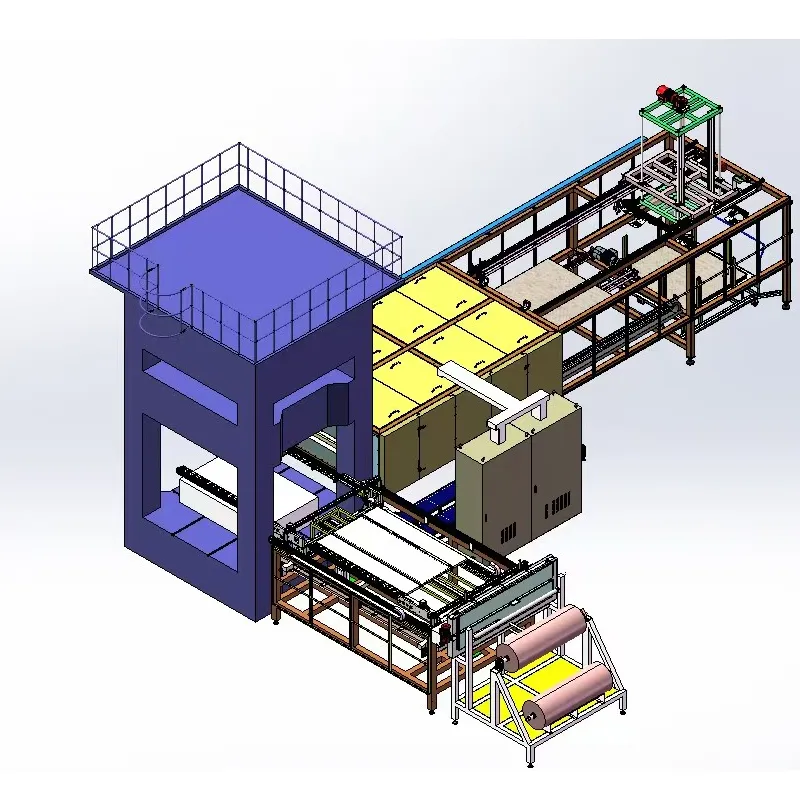
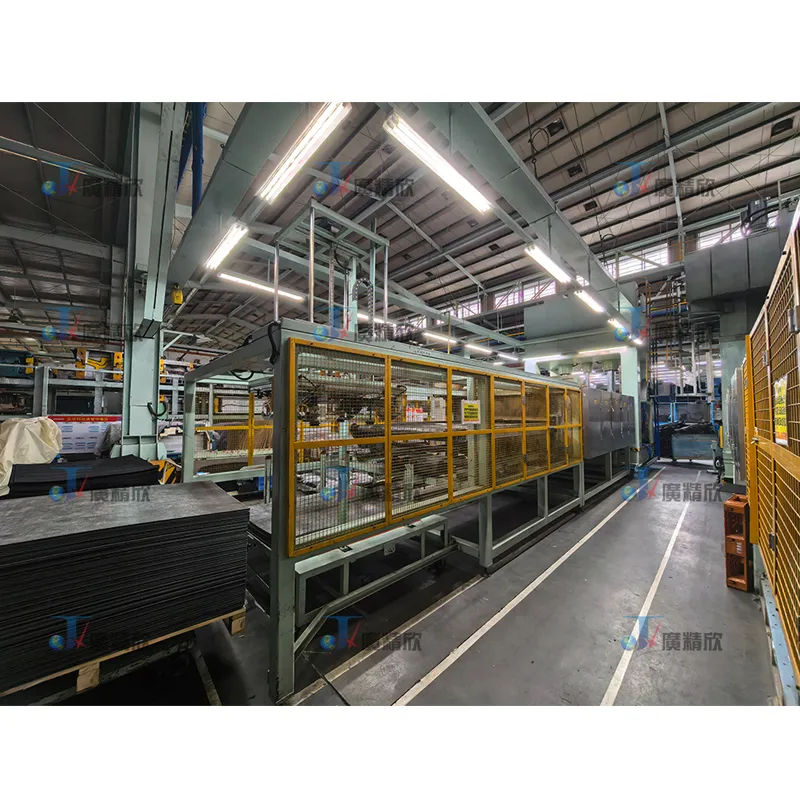
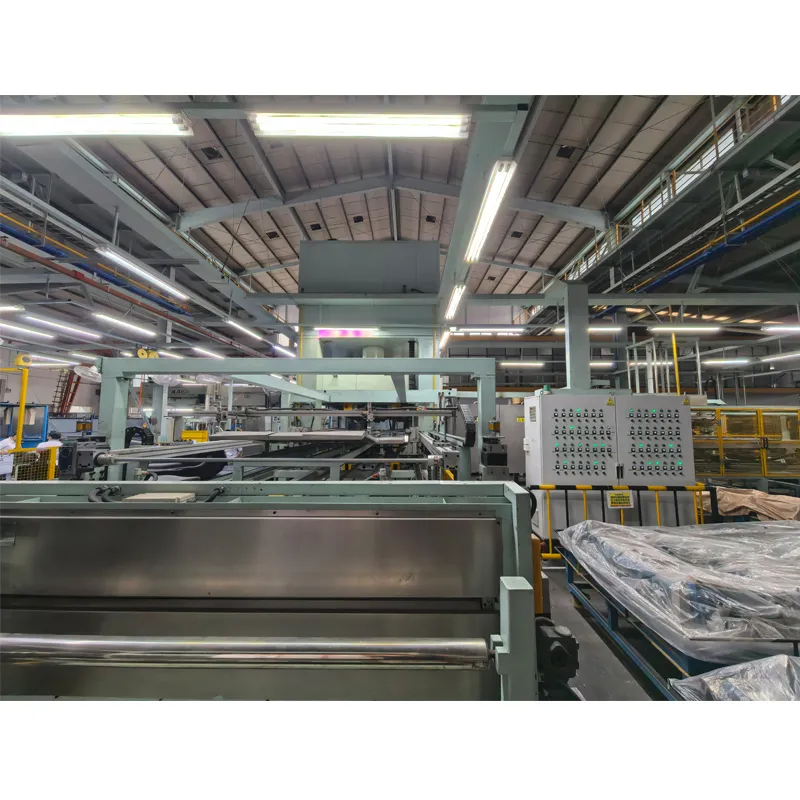
Typical stack: PP felt or PET fiber mat, PU foam core, aluminum or metallized film skin; occasional fiberglass or NBR layers for hotspots. The line unrolls, preheats (IR + hot air), forms in matched dies, presses and cures, then cools, trims, and inspects. Cycle time? ≈60 s/pc in mass production, which—honestly—is swift for multi-layer complexity.
Testing dialed to reality: sound absorption via impedance tube (ISO 10534-2), airborne insulation (SAE J1400) for bulk mats, thermal conductivity (ASTM C518), flammability (FMVSS 302), and VOC outgassing (VDA 278). Real-world service life targets hover around 10–15 years or 200,000 km, assuming typical cabin duty cycles.
Core specifications
| Cycle time | ≤60 s/pc (recipe and part size dependent) |
| Oven temperature range | 120–240 °C, multi-zone with PID control |
| Max sheet width | up to 1,800 mm (customizable) |
| Forming pressure | up to 2.5 MPa (≈25 bar) with closed-loop |
| Energy | IR + hot air; optional thermal oil; heat recovery standard |
| Controls | PLC/SCADA, MES API, recipe/lot traceability |
| Quality | Vision AOI, inline thickness/weight sensors, SPC |
Where it runs (and what it makes)
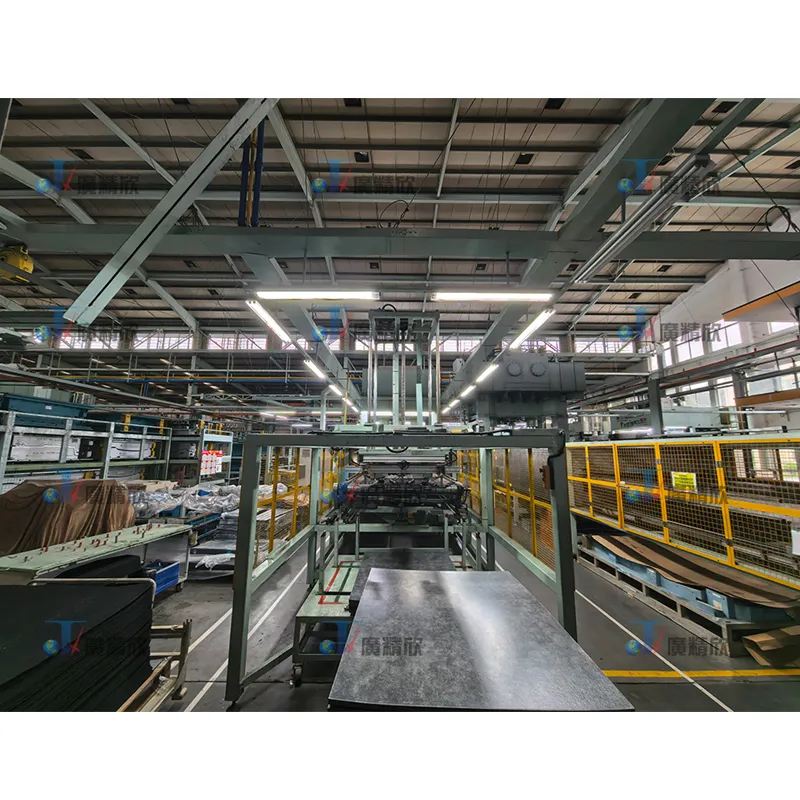
Dash insulators, tunnel pads, firewall shields, floor pan liners, headliners, battery-pack thermal shields—across ICE, EV, bus, rail, and off-highway cabins. One plant manager told me, “Surprisingly, the biggest win was consistency—our trim clips finally lined up.”
Measured results (typical, may vary)
- Normal-incidence absorption α: ≈0.65 @1 kHz (ISO 10534-2).
- Thermal conductivity: 0.035–0.055 W/m·K (ASTM C518) depending on foam density.
- Flammability: burn rate ≤100 mm/min (FMVSS 302).
- VOC (VDA 278): TVOC ≤50 μg/g for low-odor recipes.
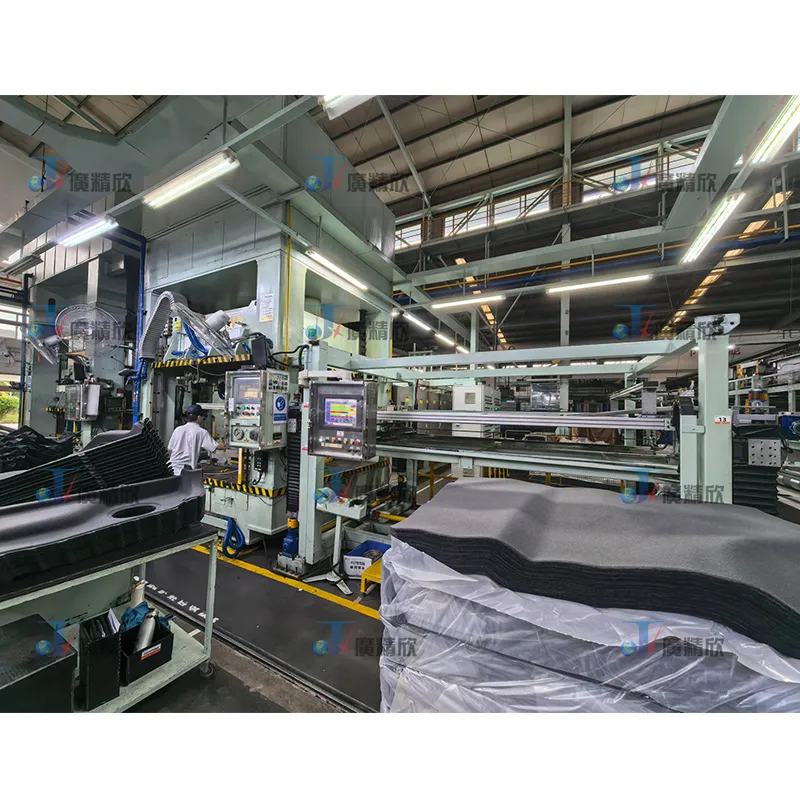
Vendor snapshot (at-a-glance)
| Feature | Chongqing Line (this) | Generic Thermoformer A | Retrofit Integrator B |
|---|---|---|---|
| Cycle time | ≤60 s | ≈75–90 s | varies (legacy) |
| Zones & heat recovery | Multi-zone + recovery | 2–3 zones, limited recovery | depends on site |
| Traceability/MES | Native API | Optional | case-by-case |
| Certs | IATF 16949-ready process | ISO 9001 | varies |
Customization, options, and real-world wins
Quick-change tools, AGV loading, inline kiss-cutting, vision-guided robots, and HEPA-filtered cooling are on the menu. Many customers say recipe management—paired with die temperature uniformity—cut their scrap in half.
Case in point: A Tier‑1 in the EU switched to the Automotive Interior Sound - Insulation Pad Oven with heat-recovery and AOI. Scrap dropped from 3.8% to 1.2%, cycle trimmed to 58 s, FPY hit 99.3%, and cabin noise fell ≈2.5 dB(A) over rough asphalt. Warranty squeaks? down noticeably, according to their QA lead.
Why this matters
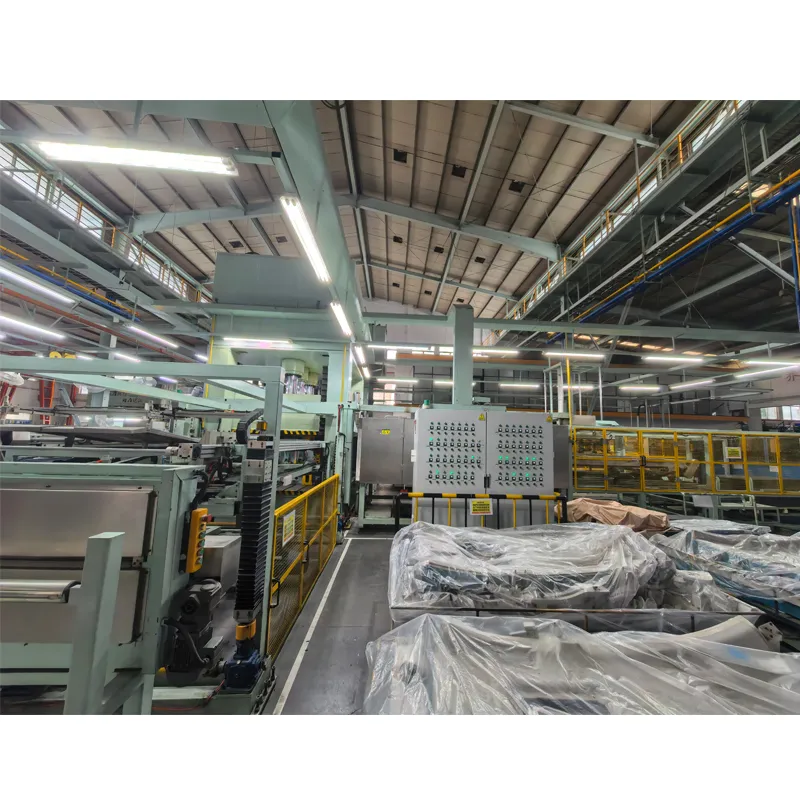
In fact, ovens set the ceiling for pad performance. Tight thermal windows equal predictable acoustics and a cleaner trim deck. If you’re benchmarking, include energy per unit, cure consistency, and VOC stability, not just speed.
Origin: No.398, Qianxing Road, Qiantang Town, Hechuan District, Chongqing, P.R.C
References
- SAE J1400: Laboratory Measurement of the Airborne Sound Insulation of Materials.
- ISO 10534-2: Acoustics—Impedance tube method for absorption and impedance.
- ASTM C518: Steady-State Thermal Transmission by Heat Flow Meter.
- FMVSS 302: Flammability of Interior Materials.
- IATF 16949: Automotive Quality Management Systems.
- VDA 278: Thermal Desorption Analysis of Organic Emissions from Materials.