



Automobile Wheel House Production Line: Precision & Automated Solutions
Automobile Wheel House Production Line: Precision & Automated Solutions
Industry Trends and the Evolution of Automotive Wheel House Manufacturing
The automotive industry is undergoing a profound transformation, driven by electrification, lightweighting, and advanced manufacturing. Within this paradigm, the production of critical structural components like the wheel house is evolving rapidly. Modern Automobile Wheel House Production Line systems are no longer merely assembling parts; they are integrated, intelligent ecosystems designed for precision, efficiency, and adaptability.
Key trends influencing these production lines include the increased use of advanced high-strength steels (AHSS), aluminum alloys, and composites to meet stringent safety standards and reduce vehicle weight. Manufacturers are demanding higher levels of automation, predictive maintenance, and data integration (Industry 4.0) to optimize throughput and minimize downtime. The shift towards electric vehicles (EVs) introduces new design complexities and material requirements, particularly concerning battery housing integration and impact absorption zones. This necessitates production lines capable of handling diverse materials and complex geometries with exceptional accuracy and repeatability.
Our solutions are engineered to address these evolving demands, providing robust and flexible manufacturing platforms that uphold the highest standards of quality and operational efficiency required by global automotive OEMs and Tier 1 suppliers.
Detailed Process Flow of an Automobile Wheel House Production Line
A state-of-the-art Automobile Wheel House Production Line is a complex, multi-stage system integrating precision engineering with advanced automation. The process is designed to convert raw material into a fully formed, high-integrity wheel house assembly.
1. Material Procurement & Preparation:
- Product Materials: Primarily high-strength low-alloy (HSLA) steels, dual-phase (DP) steels, trip-phase (TRIP) steels, or aluminum alloys. These materials are selected for their optimal strength-to-weight ratio, formability, and crash performance. Coil specifications typically range from 0.8 mm to 2.5 mm thickness, with tensile strengths up to 1200 MPa.
- Coil Feeding & Blanking: Large steel or aluminum coils are loaded onto an uncoiler. A decoiler straightens the material, which then passes through a high-precision blanking press. This stage cuts the material into specific shapes (blanks) required for subsequent forming operations. Automated stackers organize blanks for transfer.
2. Forming & Stamping:
- Deep Drawing & Forming: Blanks are fed into large multi-stage hydraulic or mechanical presses. This involves a series of stamping dies to deep draw and progressively form the complex three-dimensional contours of the wheel house. Advanced forming processes like hydroforming may be utilized for specific complex components, leveraging fluid pressure to shape materials precisely and reduce tooling marks.
- Trimming & Piercing: Excess material is trimmed, and precise holes for mounting points, drain plugs, or wiring conduits are pierced using specialized tooling within the press line or in secondary operations.
3. Assembly & Joining:
- Robotic Welding: Formed wheel house components (inner, outer, reinforcements) are transferred to robotic welding cells. Spot welding, resistance welding, and increasingly, laser welding are employed for high-strength, precise, and spatter-free joints. Robots ensure consistent weld quality and cycle times.
- Fastening & Sealing: Additional components, such as brackets or mounting points, may be joined using flow drill screws, riveting, or structural adhesives. Sealing compounds are applied to critical seams to prevent water and debris ingress, enhancing corrosion resistance.
4. Surface Treatment & Finishing:
- Cleaning & Pre-treatment: Assembled wheel houses undergo thorough cleaning to remove oils and contaminants, followed by chemical pre-treatment (e.g., phosphating) to enhance paint adhesion and corrosion resistance.
- Electrocoating (E-coating): Parts are immersed in an electrocoat bath, applying a uniform corrosion-protective primer coat. This ensures coverage in complex geometries and internal surfaces.
- Sealant & Underbody Coating Application: Robotic applicators precisely apply sound deadening, anti-chip, and underbody coatings to specific areas, improving NVH (Noise, Vibration, Harshness) characteristics and further enhancing protection against road debris and corrosion.
5. Quality Control & Testing:
- Metrology & Dimensional Inspection: In-line 3D laser scanners, CMMs (Coordinate Measuring Machines), and vision systems perform 100% inspection of critical dimensions, hole positions, and weld integrity against CAD models. Deviations are immediately flagged.
- Non-Destructive Testing (NDT): Ultrasonic testing (UT) for weld quality, and visual inspections by trained personnel are standard. Destructive testing on sample parts (e.g., pull tests for welds) is performed periodically to validate process parameters.
- Testing Standards: All processes and products conform to rigorous automotive industry standards such as ISO 9001 for quality management, IATF 16949 for automotive quality systems, and specific OEM standards (e.g., VDA, GM, Ford, Stellantis) for material specifications and performance. Service life of components produced on these lines is engineered to meet or exceed vehicle lifetime requirements, typically 10-15 years under normal operating conditions.
Target Industries & Application Scenarios:
Our Automobile Wheel House Production Line solutions are primarily utilized by automotive OEMs, major Tier 1 body-in-white (BIW) manufacturers, and chassis component suppliers. Specific application scenarios include:
- Passenger Vehicle Production: High-volume production lines for compact, sedan, SUV, and luxury vehicle wheel houses, ensuring superior structural integrity and crashworthiness.
- Electric Vehicle (EV) Platforms: Specialized lines handling unique material combinations and geometries required for EV chassis integration, including battery protection zones and optimized weight distribution.
- Commercial Vehicle Manufacturing: Robust lines for light and heavy-duty truck, bus, and commercial van wheel houses, designed for durability under extreme loads and extended service life.
The advantages in these scenarios are significant, encompassing enhanced energy saving through optimized press cycles and robotic efficiency, superior corrosion resistance due to advanced e-coating and sealing processes, and consistent high precision from automated systems reducing material waste and rejections.
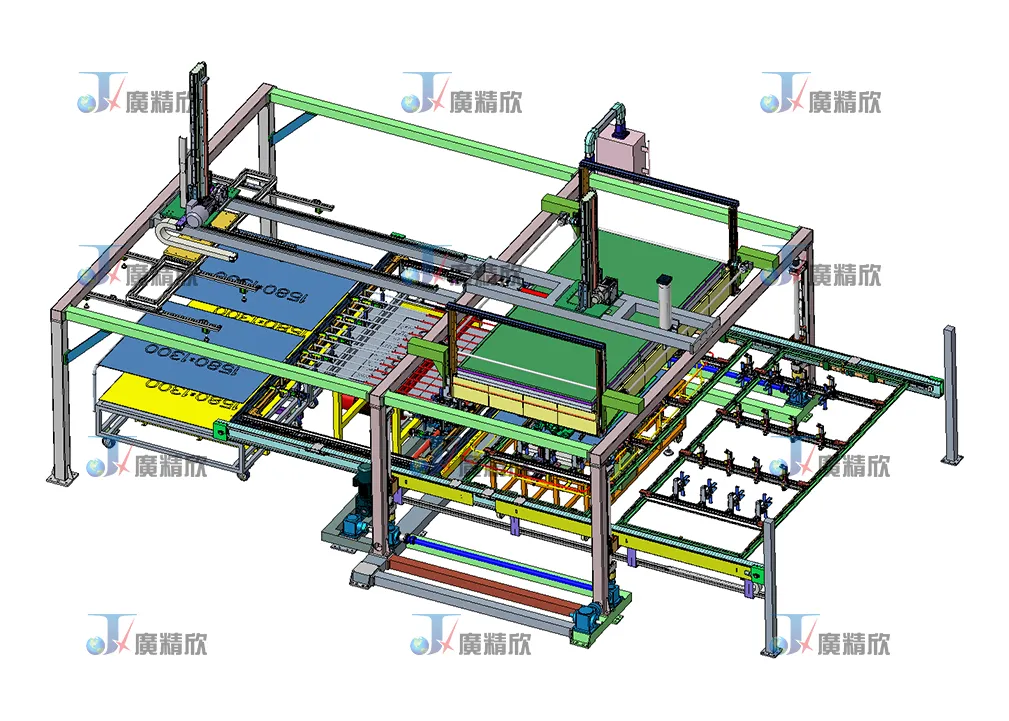
Technical Specifications for an Advanced Automobile Wheel House Production Line
Our advanced Automobile Wheel House Production Line systems are characterized by their robust engineering, high degree of automation, and adherence to global manufacturing standards. Below are typical parameters for a high-volume production setup:
Product Specification Table: Robotic Welding & Assembly Cell
| Parameter | Specification | Notes |
|---|---|---|
| Production Capacity | Up to 60 units/hour (LH/RH pair) | Configurable for single or paired production |
| Material Thickness Range | 0.8 mm - 2.5 mm | Compatible with AHSS, DP, TRIP steels, and aluminum |
| Welding Technology | Robotic Spot Welding, Laser Welding (optional) | Integrated weld quality monitoring |
| Number of Robots | 6-12 Industrial Robots (e.g., KUKA, Fanuc) | Depends on cycle time & complexity |
| Positional Accuracy | ±0.05 mm (component placement) | Ensured by vision guidance and precise jigging |
| Power Consumption | Approx. 250-400 kW (peak) | Optimized for energy efficiency, regenerative drives |
| Overall Footprint | Approx. 30m x 15m (LxW) per cell | Modular design allows for space optimization |
| Control System | Siemens S7, Rockwell Allen-Bradley PLC, HMI | Integrated with MES/SCADA for data logging |
| Mean Time Between Failures (MTBF) | >800 hours | Achieved through robust component selection and predictive maintenance |
These parameters underscore the capability of our production lines to meet the stringent requirements of modern automotive manufacturing, providing not just speed but also unwavering quality and reliability.
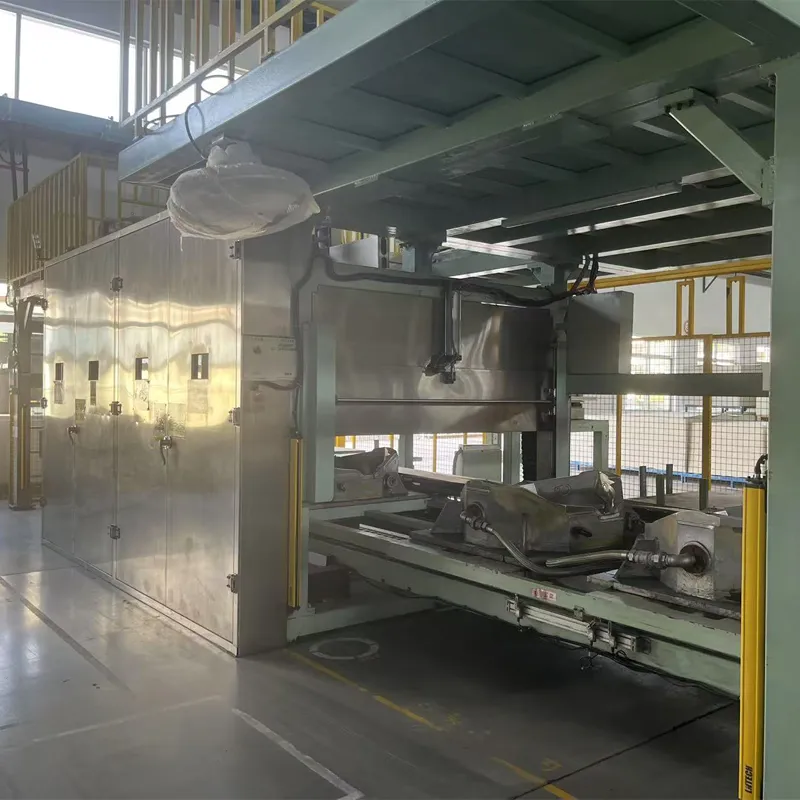
Diverse Application Scenarios for the Automobile Wheel House Production Line
The versatility of our Automobile Wheel House Production Line extends across a broad spectrum of vehicle types and manufacturing philosophies. Its design allows for adaptation to various material specifications, production volumes, and vehicle architectures.
1. High-Volume Passenger Vehicle Manufacturing:
In the intensely competitive passenger car market, speed, consistency, and cost-efficiency are paramount. Our lines are optimized for high-volume production, delivering thousands of wheel house assemblies daily for sedans, SUVs, and hatchbacks. This includes handling complex multi-part assemblies where each component must align perfectly to ensure vehicle crash integrity and fit-and-finish. For instance, in a typical mid-size SUV, the wheel house assembly consists of inner, outer, and various reinforcement panels, all requiring precise welding and sealing. The integration of advanced robotics ensures minimal cycle times and maximum output.
2. Electric Vehicle (EV) Body-in-White Integration:
EV platforms present unique challenges, often requiring larger, more robust wheel houses to accommodate heavier battery packs and enhanced structural elements for impact protection. Our production lines are adept at handling advanced materials like specific aluminum alloys or composite integrations alongside traditional steel, facilitating the lighter yet stronger structures required for EVs. This adaptability ensures seamless integration into modular EV chassis designs, supporting OEMs in their transition to electrified fleets.
3. Commercial and Heavy-Duty Vehicle Applications:
For commercial vehicles – trucks, buses, and specialized utility vehicles – durability and longevity are critical. Wheel houses for these applications must withstand significant loads, continuous vibration, and harsh environmental conditions. Our lines are configured to process thicker gauge materials and incorporate robust welding techniques suitable for components subjected to extreme stresses. The enhanced corrosion resistance features ensure extended operational life, reducing maintenance and replacement costs for fleet operators.
4. Flexible Manufacturing for Low-Volume or Specialized Models:
Beyond mass production, our modular line designs can be tailored for flexible manufacturing. This is crucial for OEMs producing multiple vehicle models on the same line, or for specialized, low-volume vehicles where rapid retooling and configuration changes are necessary. Integrated vision systems and reconfigurable tooling allow for quick changeovers between different wheel house variants, maximizing asset utilization and minimizing idle time.
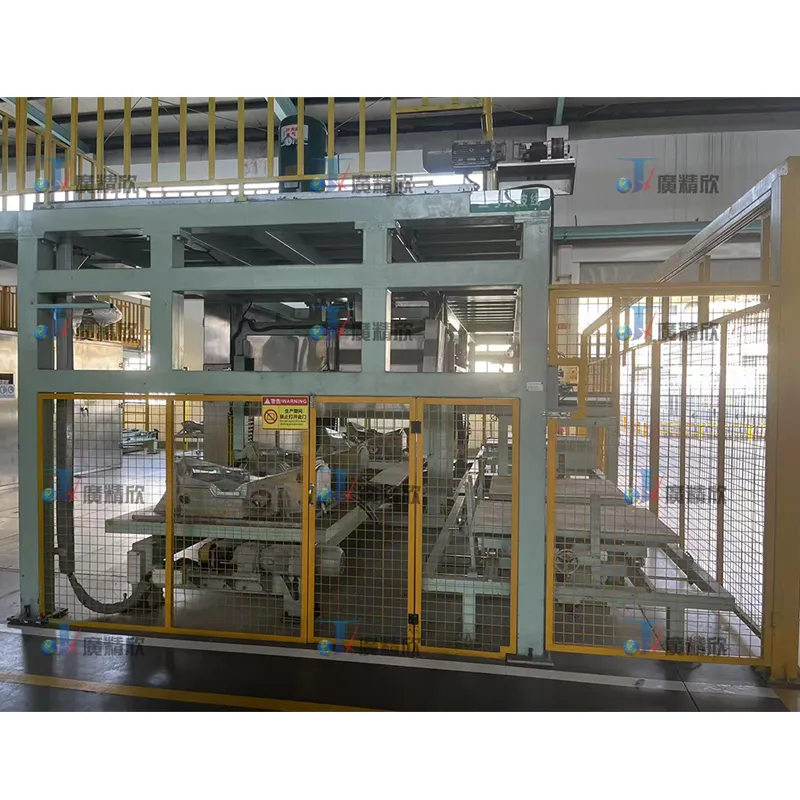
Technical Advantages of Our Automobile Wheel House Production Line Solutions
Our Automobile Wheel House Production Line systems are engineered with a focus on delivering significant operational and qualitative advantages that translate directly into enhanced profitability and product quality for our clients.
1. Superior Precision and Repeatability:
Utilizing advanced robotic systems, high-precision tooling, and integrated vision inspection, our lines achieve dimensional tolerances within ±0.05 mm. This level of precision ensures consistent part geometry, critical for subsequent vehicle assembly, and significantly reduces the risk of alignment issues, rework, and scrap. Robotic welding parameters are continuously monitored and adjusted in real-time to ensure optimal weld penetration and strength, vital for structural integrity and crash safety.
2. Enhanced Energy Efficiency:
Our systems incorporate energy-efficient components, including servo-driven presses with regenerative braking, optimized robot motion paths, and intelligent power management for welding equipment. This leads to a significant reduction in overall power consumption, lowering operational costs and contributing to a smaller carbon footprint. For example, servo presses can offer up to 30% energy savings compared to conventional hydraulic presses due to their ability to provide power only when needed.
3. Robust Corrosion Resistance:
The integrated surface treatment processes, including multi-stage pre-treatment, advanced electrocoating (e-coat), and robotic sealant application, provide a superior barrier against environmental corrosion. E-coat ensures uniform coverage on all surfaces, including complex internal structures, while automated sealant application prevents water ingress into critical seams. This significantly extends the service life of the wheel house, especially in regions with harsh weather conditions or high road salt usage.
4. High Degree of Automation and Industry 4.0 Integration:
Our lines are designed for maximum automation, from material feeding and stamping to welding, inspection, and unloading. This minimizes human intervention, reducing labor costs and improving safety. Full integration with manufacturing execution systems (MES) and supervisory control and data acquisition (SCADA) platforms enables real-time data collection, remote monitoring, predictive maintenance, and AI-driven process optimization. This translates into higher uptime, reduced operational expenses, and continuous process improvement.
5. Adaptability and Future-Proofing:
Modular design and flexible tooling solutions allow for rapid adaptation to new vehicle models, material changes, or production volume adjustments. This future-proofs the investment, enabling manufacturers to respond quickly to market demands and technological shifts, such as the increasing adoption of multi-material vehicle architectures. The ability to integrate new technologies like advanced sensor fusion or additive manufacturing components further enhances the line's longevity.
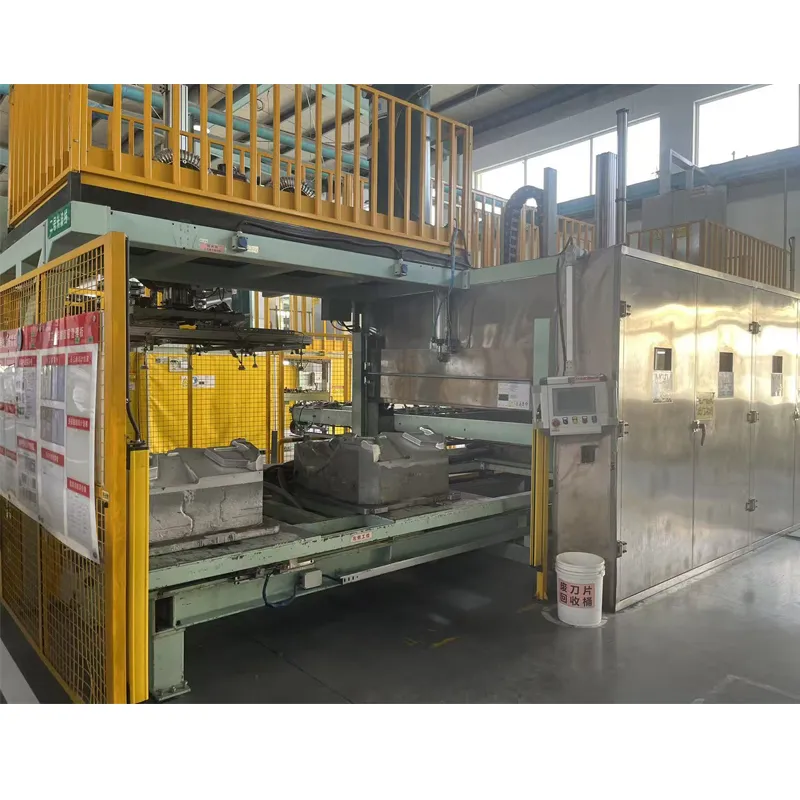
Vendor Comparison: Evaluating Automobile Wheel House Production Line Providers
When investing in an Automobile Wheel House Production Line, a comprehensive vendor comparison is crucial. Key differentiating factors often include the level of automation, technological integration, after-sales support, and customization capabilities. Below is a comparative overview highlighting our strengths against typical industry offerings.
Production Line Comparison Matrix
| Feature/Criterion | Our Solution | Competitor A (Mid-Range) | Competitor B (Entry-Level) |
|---|---|---|---|
| Automation Level | Full automation (L3/L4), Integrated Industry 4.0 | High automation (L2), Limited data integration | Partial automation (L1), Manual intervention needed |
| Precision & Tolerance | ±0.05 mm (Vision-guided) | ±0.1 mm (Standard jigging) | ±0.2 mm (Basic tooling) |
| Material Compatibility | AHSS, Aluminum, Multi-material configurations | Mostly HSLA/AHSS, limited aluminum | Standard steels only |
| Energy Efficiency | Optimized (Servo-drives, regenerative systems) | Standard efficiency (Hydraulic presses) | Basic (Higher energy consumption) |
| Cycle Time (per unit pair) | 60 seconds or less | 90-120 seconds | >120 seconds |
| Customization & Flexibility | High (Modular design, rapid retooling) | Moderate (Limited module changes) | Low (Fixed configuration) |
| After-Sales Support | Global 24/7, remote diagnosis, onsite experts | Regional office hours, basic remote support | Limited, delayed responses |
| Cost of Ownership (TCO) | Competitive upfront, significantly lower long-term (efficiency, uptime) | Moderate upfront and long-term | Low upfront, higher long-term (maintenance, lower efficiency) |
This comparison underscores our commitment to providing cutting-edge solutions that offer superior performance, lower total cost of ownership, and unparalleled support, making our Automobile Wheel House Production Line a strategic investment for leading manufacturers.
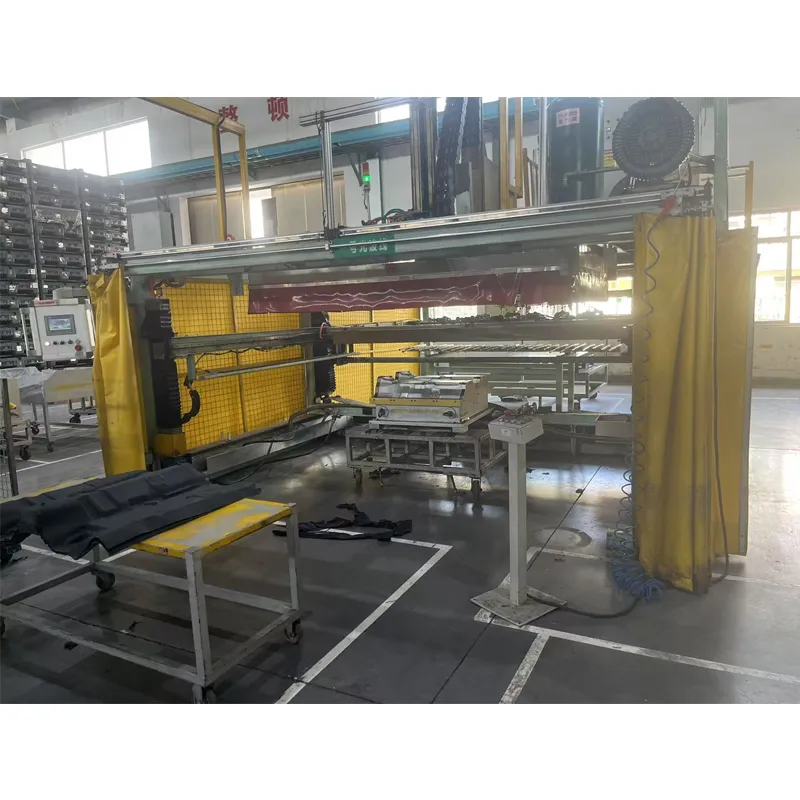
Customized Solutions for Your Automobile Wheel House Production Line
Recognizing that no two manufacturing operations are identical, we specialize in delivering highly customized Automobile Wheel House Production Line solutions. Our approach ensures that each system is perfectly aligned with specific production requirements, plant layouts, and strategic objectives.
Tailored Design and Engineering:
- Volume & Capacity Scaling: Whether a client requires a high-volume line for mass-market vehicles or a flexible, lower-volume setup for niche or luxury models, our engineers design the line capacity accordingly. This involves scaling the number of robotic cells, press tonnage, and material handling systems to match desired output rates without over-investing in excess capacity.
- Material Specificity: With the diverse materials used in modern automotive manufacturing (AHSS, aluminum, composites), we customize forming and joining technologies. This could involve incorporating dedicated aluminum welding stations, specialized heat treatment processes for advanced steels, or adhesive bonding for multi-material junctions, ensuring optimal material integrity and component performance.
- Integration with Existing Infrastructure: We excel at integrating new production lines seamlessly into existing factory layouts and operational ecosystems. This includes adapting to specific factory dimensions, connecting with existing material supply chains, waste management systems, and integrating with the client's preferred MES/ERP systems for real-time data exchange and production planning.
Flexible Tooling and Robotics:
- Modular Fixturing: Our proprietary modular fixturing systems allow for quick changeovers between different wheel house variants or even entirely different vehicle platforms. This reduces retooling time and costs, maximizing line uptime and adaptability.
- Robotic Agility: Robots are selected and programmed based on specific task requirements, from high-speed pick-and-place to complex welding paths. Advanced offline programming and simulation tools minimize physical setup time and ensure optimal robot cell utilization.
Advanced Software and Control Systems:
- Custom HMI/SCADA: Human-Machine Interface (HMI) and SCADA systems are customized to client preferences, offering intuitive control, comprehensive diagnostics, and tailored reporting features.
- Data Analytics & AI Integration: We can integrate advanced data analytics platforms and AI-driven process optimization modules that leverage historical production data to predict maintenance needs, optimize weld parameters, and identify potential quality deviations before they occur.
Our consultative approach begins with a deep dive into your operational needs and ends with a tailored, high-performance solution designed for your success. This commitment to customization ensures your investment yields maximum returns.
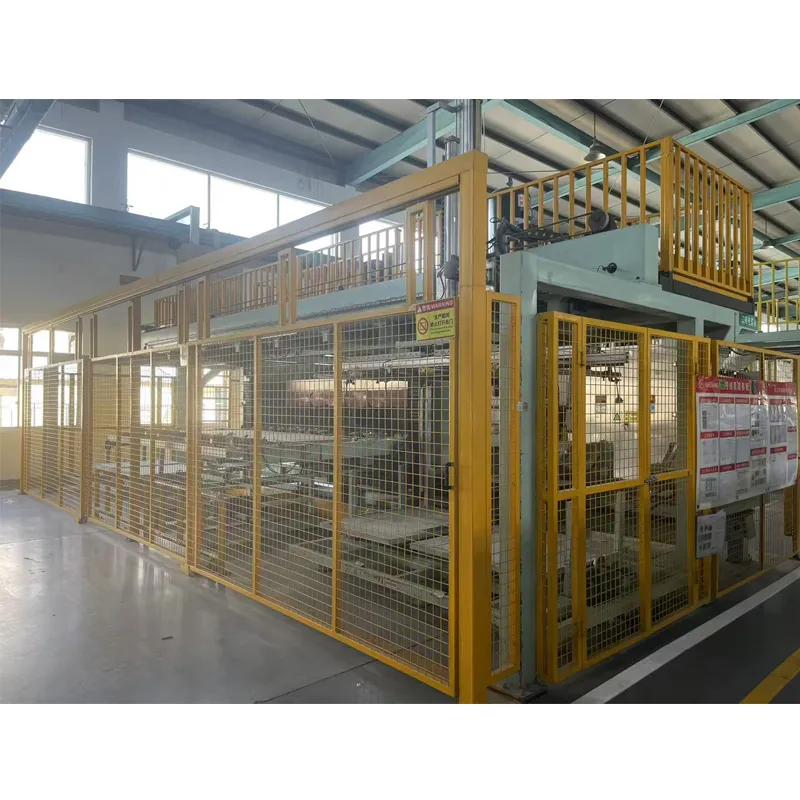
Application Case Studies: Real-World Impact of Our Automobile Wheel House Production Line
Our expertise in delivering cutting-edge Automobile Wheel House Production Line solutions has resulted in tangible benefits for global automotive manufacturers. These case studies highlight our capability to optimize production, enhance quality, and provide significant ROI.
Case Study 1: High-Volume SUV Wheel House Line for a Leading OEM
- Client: Global Tier 1 supplier for a major European Automotive OEM.
- Challenge: The client needed to ramp up production of a new generation SUV wheel house assembly, which featured complex geometry and required very high dimensional accuracy due to advanced suspension mounting points. The existing line was struggling with quality consistency and throughput targets.
- Solution: We designed and implemented a fully automated Automobile Wheel House Production Line, integrating 10 industrial robots for precise material handling, spot welding, and laser welding. The line included in-line 3D vision inspection systems and an advanced predictive maintenance module.
- Results:
- Increased Production Output: Achieved a 40% increase in production capacity, reaching 55 units per hour (LH/RH pair).
- Improved Quality: Reduced dimensional variance by 60%, leading to a 75% reduction in rejections and rework due to dimensional inaccuracies.
- Enhanced Uptime: Predictive maintenance reduced unplanned downtime by 25%.
- Customer Feedback: "The precision and reliability of the new line have fundamentally transformed our output and quality metrics. It was a critical upgrade for our new SUV program." - Production Manager.
Case Study 2: Multi-Material Wheel House Line for an EV Startup
- Client: An innovative EV startup focused on modular vehicle platforms.
- Challenge: The client required a flexible production line capable of assembling wheel houses from a combination of high-strength steel and specific aluminum alloys, designed to integrate with their unique 'skateboard' chassis for optimal battery protection and lightweighting.
- Solution: We provided a customized Automobile Wheel House Production Line featuring flexible robotic cells with interchangeable end-effectors, capable of handling both steel and aluminum components. It included both resistance spot welding (for steel) and advanced friction stir welding (for aluminum), along with automated adhesive dispensing for dissimilar material joining.
- Results:
- Multi-Material Capability: Successfully enabled production of hybrid wheel house assemblies, meeting stringent weight targets (15% reduction vs. all-steel designs) and crash performance requirements.
- Operational Flexibility: The modular design allowed for rapid changeover between different wheel house variants (front/rear, left/right, different models), supporting the client's agile manufacturing strategy.
- Time-to-Market: Accelerated their vehicle launch schedule by providing a robust and adaptable production solution within aggressive timelines.
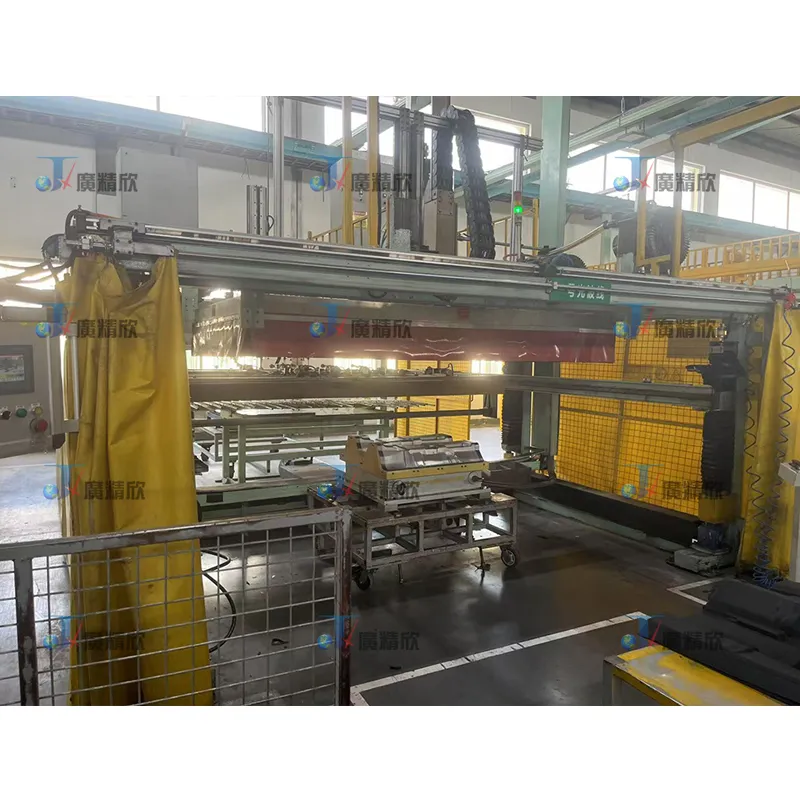
Frequently Asked Questions (FAQ) about Our Automobile Wheel House Production Line
Q1: What is the typical lead time for a complete Automobile Wheel House Production Line?
A1: The lead time for a complete production line can vary depending on the complexity, level of customization, and specific equipment involved. Typically, from initial design approval to factory acceptance testing (FAT) and shipment, it ranges from 12 to 18 months. Installation and commissioning at the client's site usually takes an additional 2-4 months.
Q2: What kind of warranty do you offer on your production lines?
A2: We offer a standard 12-month warranty from the date of final acceptance or 18 months from shipment, whichever comes first. This warranty covers all manufacturing defects and component failures under normal operating conditions. Extended warranty options and comprehensive service contracts are also available for enhanced peace of mind.
Q3: How do you ensure the quality of the manufactured wheel houses?
A3: Quality is embedded throughout our production line design. This includes high-precision tooling, advanced robotics for consistent execution, in-line vision systems, and 3D laser scanners for 100% dimensional inspection. Furthermore, integrated weld quality monitoring, non-destructive testing, and adherence to IATF 16949 quality management standards ensure that every wheel house meets or exceeds OEM specifications.
Q4: Can your line accommodate different vehicle models or future design changes?
A4: Yes, our production lines are designed with modularity and flexibility in mind. We utilize reconfigurable tooling, adaptable robotic programs, and quick-change fixture systems to allow for efficient changeovers between different wheel house designs or vehicle models. Our engineering team can also provide support for future modifications and upgrades to extend the line's operational lifespan.
Q5: What kind of customer support and training do you offer?
A5: We provide comprehensive support, including on-site training for your operational and maintenance staff during installation and commissioning. Our global support network offers 24/7 technical assistance, remote diagnostics, and prompt dispatch of field service engineers. We also maintain a readily available stock of critical spare parts to minimize any potential downtime.
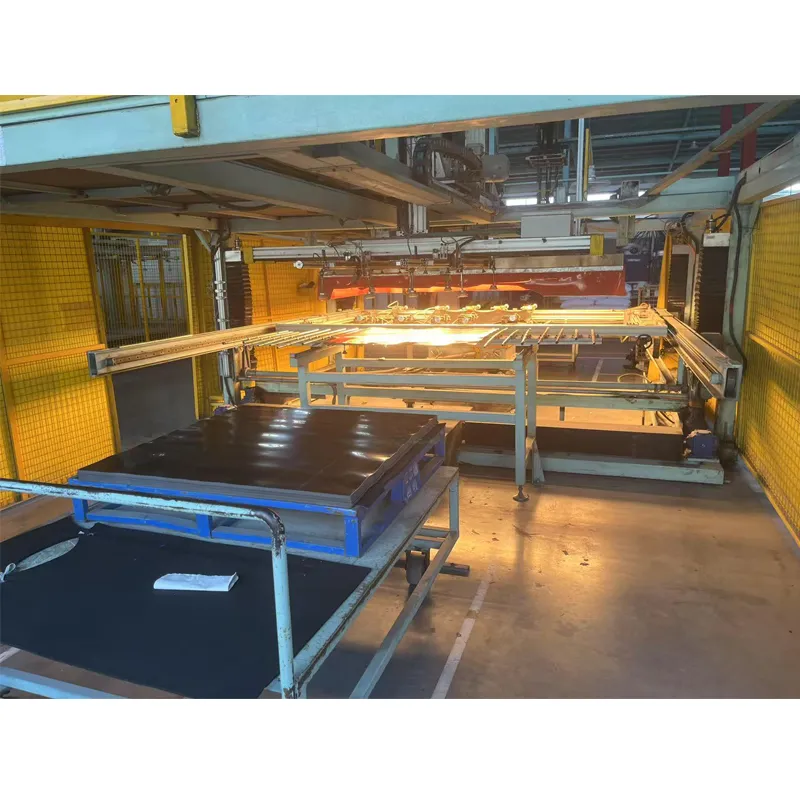
Lead Time, Fulfillment, Warranty & Customer Support
Lead Time and Fulfillment:
Our project delivery process for an Automobile Wheel House Production Line is meticulously managed from conception to full operational status. Following contract finalization and detailed engineering design, the typical manufacturing and assembly phase at our facilities takes 9-12 months. This includes rigorous in-house quality control and pre-shipment testing. Factory Acceptance Testing (FAT) with client representatives typically concludes this phase. Shipping, installation, and on-site commissioning (Site Acceptance Testing – SAT) generally add another 3-6 months, depending on location and local logistical complexities. We provide detailed project timelines with critical milestones for transparent tracking.
Warranty Commitments:
We stand behind the quality and performance of our equipment. Every Automobile Wheel House Production Line is covered by a comprehensive warranty:
- Standard Warranty: 12 months from the date of Site Acceptance Test (SAT) or 18 months from the date of shipment, whichever occurs first. This covers all parts and labor for defects in materials and workmanship under normal operating conditions.
- Extended Warranty Options: Clients can opt for extended warranty packages, providing up to 5 years of coverage, including preventative maintenance schedules and priority service.
Customer Support and After-Sales Service:
Our commitment extends well beyond delivery. We offer a multi-tiered support system designed to ensure continuous, efficient operation of your production line:
- Dedicated Project Management: A dedicated project manager guides you through every phase, from initial design to post-installation support.
- Global 24/7 Technical Support: Our global support centers provide round-the-clock telephone and online assistance for immediate troubleshooting.
- Remote Diagnostics: Integrated remote access capabilities allow our experts to diagnose and resolve many software or control issues without requiring an on-site visit, reducing downtime.
- On-Site Field Service: A team of highly skilled field service engineers is available for rapid dispatch globally for complex issues, routine maintenance, and calibration.
- Spare Parts Management: We maintain a robust inventory of critical spare parts, with efficient logistics to ensure timely delivery, minimizing supply chain disruptions.
- Operator and Maintenance Training: Comprehensive training programs are provided for your operational, maintenance, and programming staff, both at our facilities and on-site, ensuring your team is fully equipped to manage the line.
Certifications, Partnerships, and Authoritativeness
Our commitment to excellence in every Automobile Wheel House Production Line is underpinned by stringent quality certifications, robust industry partnerships, and decades of specialized experience, establishing us as a trusted authority in advanced manufacturing solutions.
Industry Certifications:
- ISO 9001:2015 Certified: Our quality management systems are globally recognized and certified under ISO 9001:2015, ensuring consistent product quality and continuous improvement in all our processes, from design to delivery.
- IATF 16949 Compliant: As a supplier to the automotive industry, our manufacturing processes and products adhere to the rigorous standards of IATF 16949, the international standard for automotive quality management systems. This ensures our solutions meet the highest demands for safety, reliability, and regulatory compliance.
- CE Marking: All our equipment and systems conform to relevant European health, safety, and environmental protection standards, carrying the CE mark for compliance within the European Economic Area.
Strategic Partner Clients:
We have cultivated long-standing relationships with leading global automotive OEMs and Tier 1 suppliers. While specific client names are protected by non-disclosure agreements, our portfolio includes successful deployments with major manufacturers across North America, Europe, and Asia, servicing both traditional internal combustion engine (ICE) vehicles and rapidly expanding electric vehicle (EV) programs. Our consistent track record of successful project delivery and operational excellence has cemented our position as a preferred partner.
Years of Service and Expertise:
With over 25 years of specialized experience in automated manufacturing and robotic integration for the automotive sector, our team comprises industry veterans, mechanical and electrical engineers, robotics specialists, and automation programmers. This deep expertise ensures that every Automobile Wheel House Production Line we deliver benefits from proven methodologies, innovative design, and robust implementation, addressing the most complex manufacturing challenges.
Authoritative References & Benchmarking:
Our solutions are designed and tested against global automotive benchmarking standards. Performance metrics, such as OEE (Overall Equipment Effectiveness), cycle times, and dimensional accuracy, consistently surpass industry averages, validated by independent audits and client production data. We regularly participate in industry forums and collaborate with research institutions to stay at the forefront of manufacturing technology, integrating the latest advancements in robotics, materials science, and AI into our offerings.
References
- Automotive Research Center, University of Michigan. "Advanced Manufacturing Processes for Lightweight Automotive Structures." Annual Report, 2023.
- International Organization for Standardization. "ISO 9001:2015 Quality management systems - Requirements." Geneva, Switzerland, 2015.
- International Automotive Task Force. "IATF 16949:2016 Automotive quality management system standard." Southfield, MI, USA, 2016.
- Schaefer, S., & Gries, T. "Materials for lightweight construction in automotive engineering." Journal of Materials Engineering and Performance, 2022.
- Manufacturing Technology Centre (MTC). "Future trends in automotive body-in-white production." Industry White Paper, 2023.