



Comprehensive Guide to Polyurethane Processing Equipment and Solutions
Comprehensive Guide to Polyurethane Processing Equipment and Solutions
Polyurethane Processing Equipment: A Comprehensive Guide
Polyurethane (PU) is a remarkably versatile polymer used in a vast array of applications, from insulation and adhesives to coatings and elastomers. Efficient and reliable polyurethane processing equipment is crucial for achieving consistent product quality and maximizing production efficiency. This article will explore the various types of equipment involved in PU processing, key considerations when choosing the right machinery, and how Headlining Line can provide solutions tailored to your specific needs. Investing in the right equipment is paramount to success in the polyurethane industry.
Understanding the Polyurethane Processing Landscape
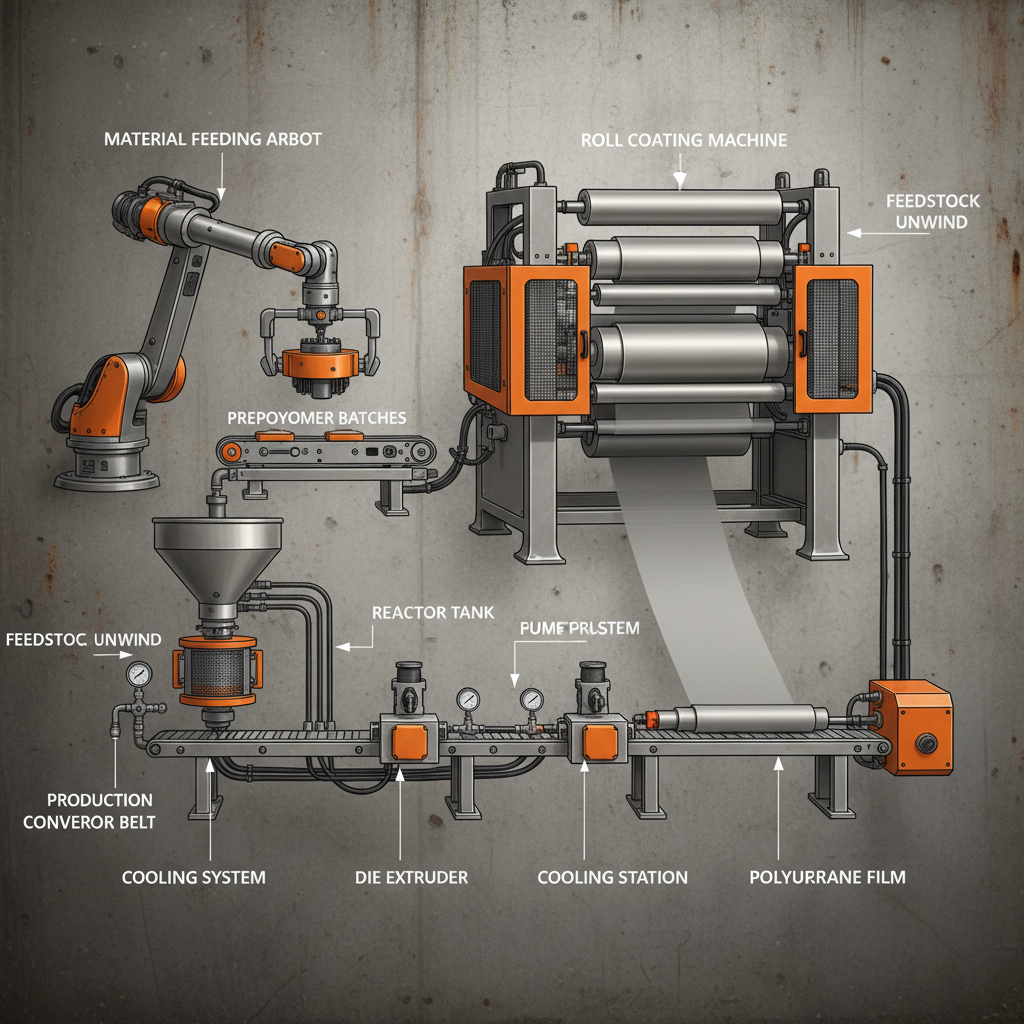
The processing of polyurethane involves combining polyols, isocyanates, and various additives. The type of polyurethane processing equipment required depends on the final product desired and the specific processing method employed. Common methods include casting, spraying, foaming, and reaction injection molding (RIM). Each process demands specialized machinery to ensure proper mixing, temperature control, and dispensing of the components. The efficiency and precision of this equipment directly impact the physical properties and overall quality of the finished polyurethane product. Choosing the appropriate machinery can streamline your production and improve your product consistency.
Key Considerations: Selecting the right equipment requires a thorough assessment of your production volume, desired product complexity, and budget constraints.
Essential Types of Polyurethane Processing Equipment
Several key pieces of equipment are commonly used in polyurethane processing. These include: Mixing Heads – responsible for precise and consistent mixing of polyol and isocyanate components; Metering Pumps – accurately dispense the required volumes of each component; Pouring Machines – automate the filling of molds or dispensing onto surfaces; Spraying Equipment – delivers a uniform coating of polyurethane foam or elastomer; RIM Machines – specifically designed for reaction injection molding, providing high-volume production of complex parts; and Foam Dispensers – control the expansion and application of polyurethane foam. Each piece of equipment plays a crucial role in the overall process, and selecting high-quality machinery is essential for achieving optimal results. Headlining Line provides a wide variety of these essential pieces of equipment.
Equipment Selection Factors:
• Production Volume
• Product Complexity
• Material Viscosity
• Budget Constraints
Polyurethane Processing Equipment Comparison
Selecting the best polyurethane processing equipment necessitates a comparison of different techniques and technologies. Consider the table below, highlighting the strengths and weaknesses of each method.
The Role of Automation in Polyurethane Processing
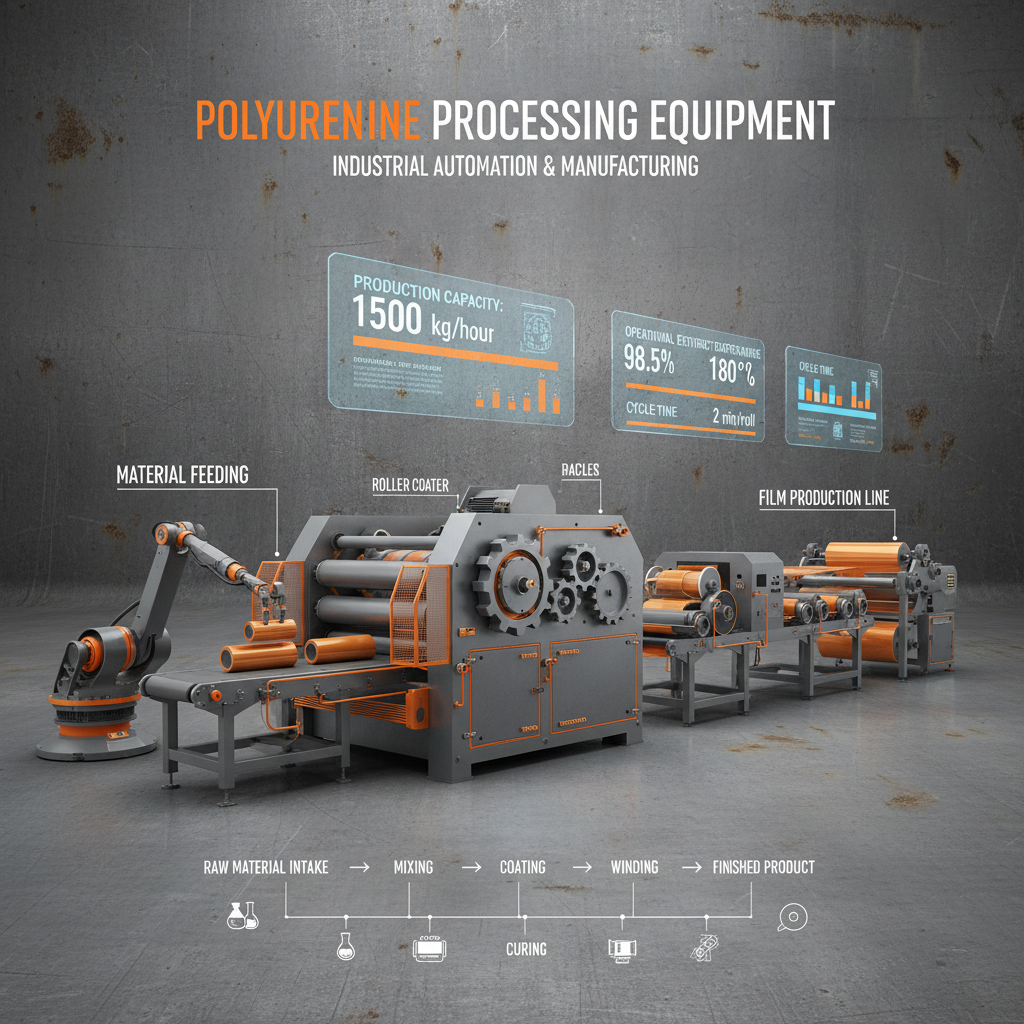
Automation is increasingly prevalent in polyurethane processing, offering numerous benefits. Automated systems reduce labor costs, improve consistency, minimize material waste, and enhance safety. From robotic dispensing systems to fully automated RIM machines, the level of automation can be tailored to your specific needs. Headlining Line offers a range of automated solutions designed to optimize your polyurethane production process. Investing in automation can significantly improve your bottom line and ensure a competitive edge in the market.
Choosing the Right Supplier: Headlining Line
Selecting a reliable supplier for your polyurethane processing equipment is paramount. Headlining Line is a trusted provider of high-quality equipment, offering comprehensive solutions tailored to your specific application. We provide expert guidance, installation support, and ongoing maintenance to ensure your operations run smoothly. We are committed to delivering innovative and dependable equipment that enhances your productivity and profitability.
Conclusion: Partnering for Polyurethane Success
Investing in the right polyurethane processing equipment is crucial for success in this dynamic industry. Headlining Line is your trusted partner, providing innovative solutions, expert support, and a commitment to quality. Contact us today to discuss your specific needs and discover how we can help you optimize your polyurethane production process.
Frequently Asked Questions (FAQs)
What factors influence the cost of polyurethane processing equipment?
The cost of polyurethane processing equipment is influenced by several factors including the type of equipment (mixing heads, metering pumps, RIM machines, etc.), the level of automation, production capacity, and the supplier. More complex machines with higher automation and larger capacities naturally come at a higher price point. The reputation and service offerings of the supplier also impact the cost. Investing in quality equipment from a reputable source, like Headlining Line, is often a more cost-effective long-term strategy due to reduced downtime and increased efficiency.
What maintenance is required for polyurethane processing equipment?
Regular maintenance is critical for ensuring the longevity and optimal performance of your polyurethane processing equipment. This includes periodic cleaning of mixing heads and dispensing nozzles, inspection and replacement of seals and filters, lubrication of moving parts, and calibration of metering pumps. Following the manufacturer's recommended maintenance schedule is crucial. Preventative maintenance can help avoid costly downtime and extend the life of your investment.
How can I ensure proper safety when operating polyurethane processing equipment?
Polyurethane processing involves working with potentially hazardous chemicals. Proper safety measures are essential, including wearing appropriate personal protective equipment (PPE) such as gloves, eye protection, and respirators. Ensure adequate ventilation in the work area to prevent the buildup of fumes. Thoroughly understand the material safety data sheets (MSDS) for all chemicals used. Regular training for operators is also vital to ensure safe operation of the equipment.