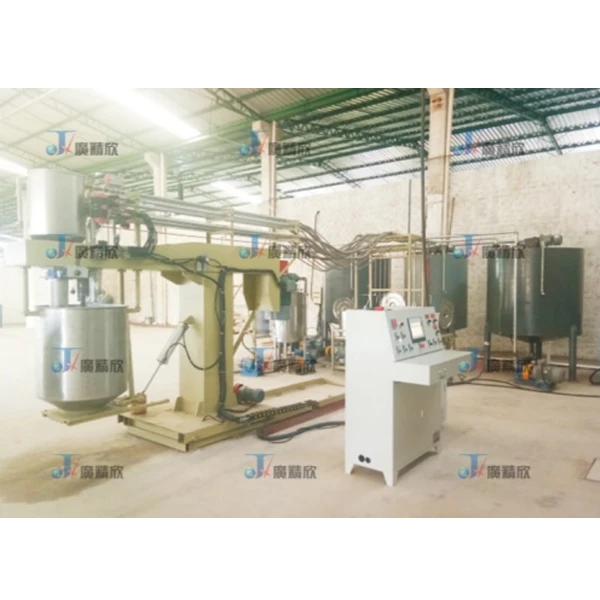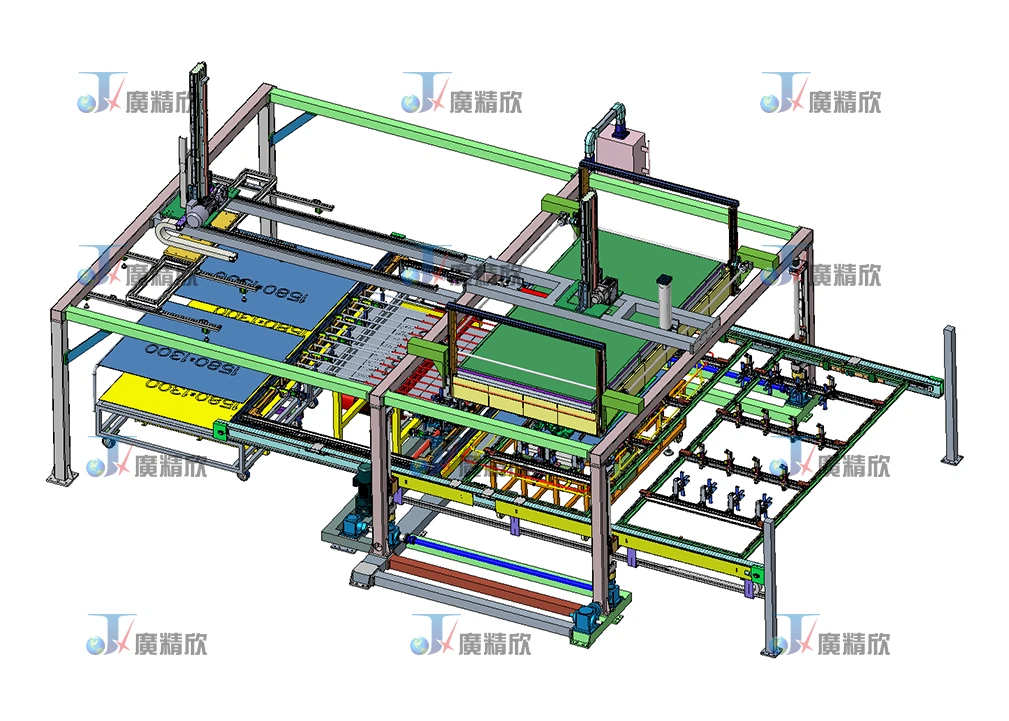
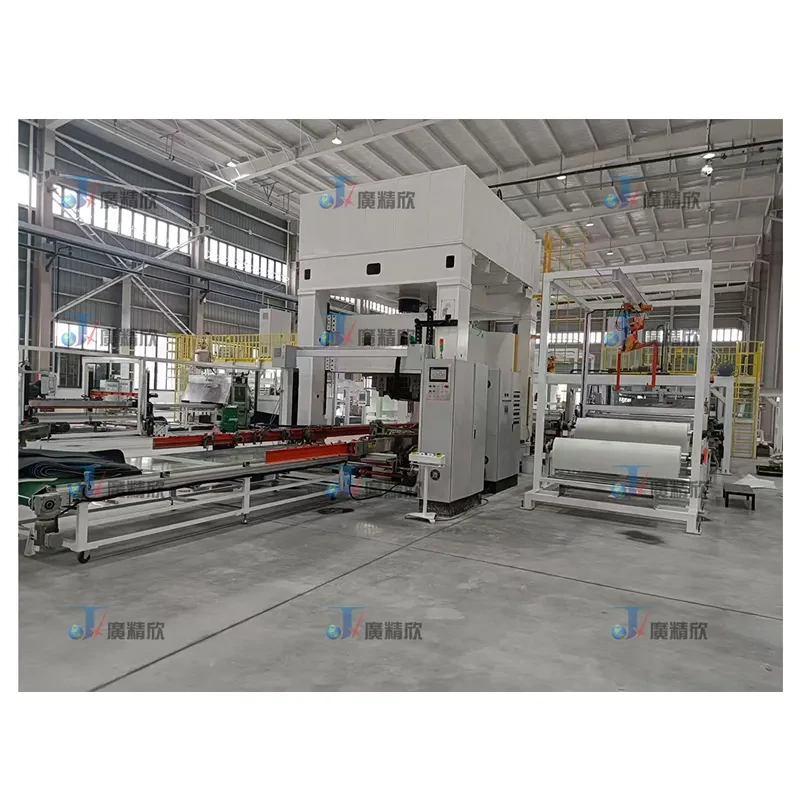
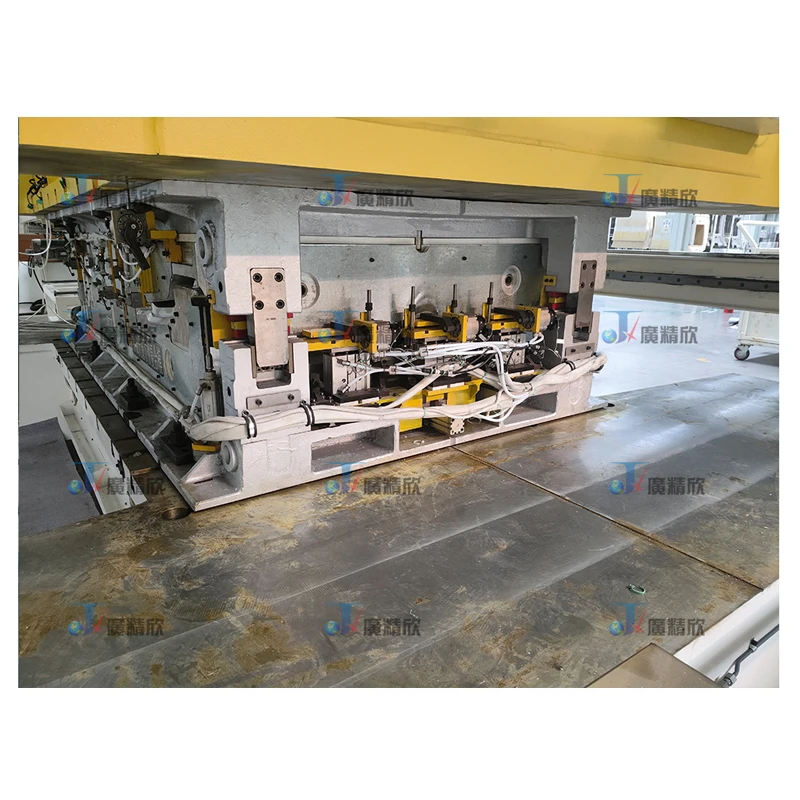
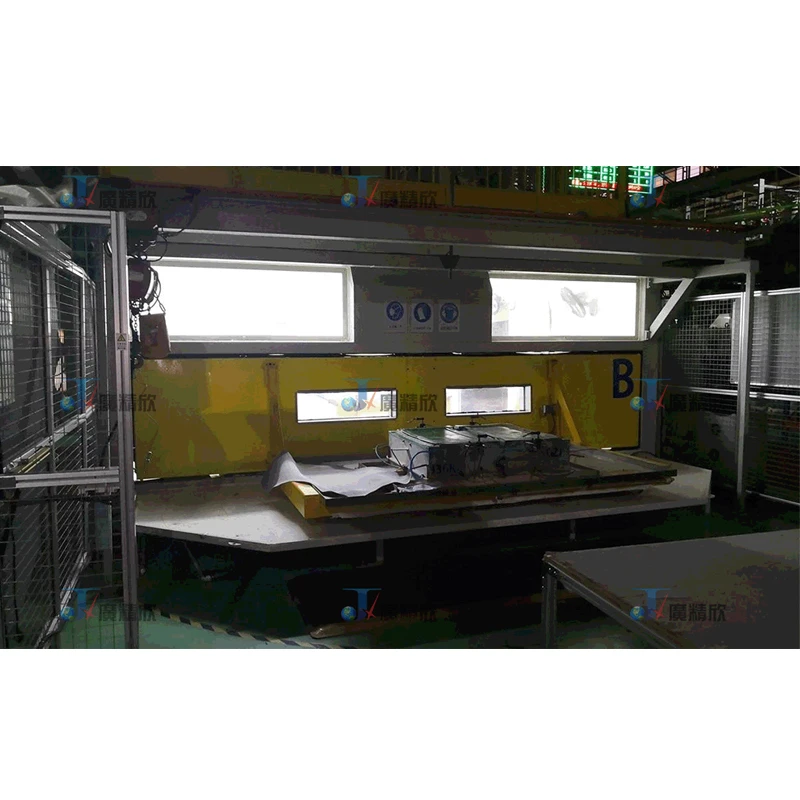
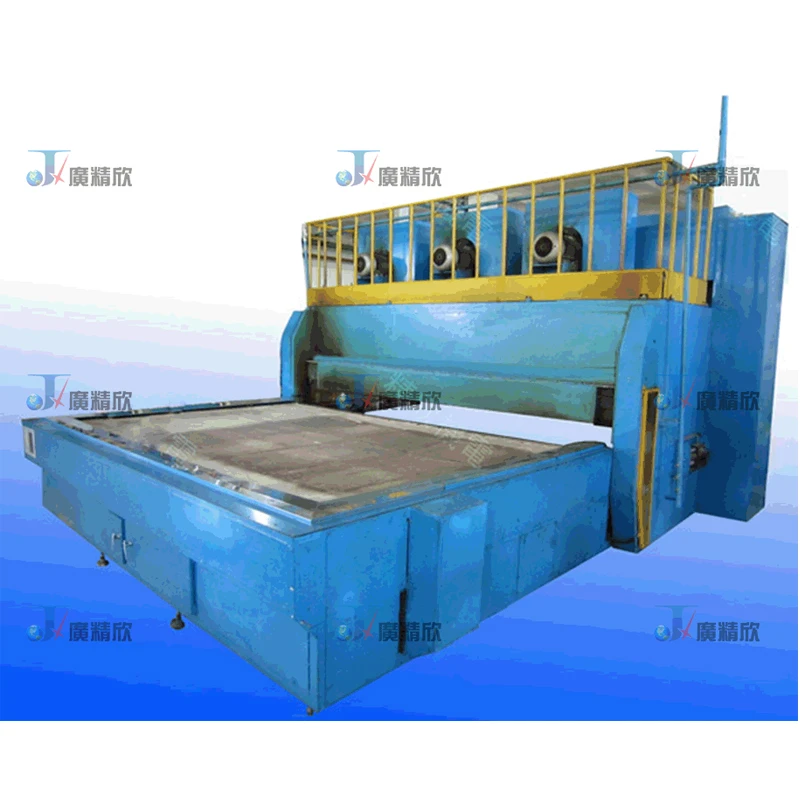
Algeria Automotive Interior Solution with automotive interior machinery

Empowering Algeria's automotive manufacturing sector with high-precision, fully automatic production lines for premium interior components.

Algeria Automotive Interior Solution with automotive interior machinery

Our integrated approach combines advanced automation and local market insights to deliver world-class interior assembly systems tailored for the Algerian automotive ecosystem.

Automotive Interior Manufacturing Landscape in Algeria

Analyzing the current state of vehicle interior production in the North African hub.

Algeria is currently witnessing a strategic shift toward increasing local integration rates in vehicle assembly. The demand for high-quality interior components is rising as local plants move away from simple CKD (Complete Knock-Down) kits toward more complex local sourcing of fabrics and foams.

The extreme temperature fluctuations in the Algerian climate necessitate materials and machinery that can handle heat-resistant adhesives and durable textiles. Consequently, there is a growing need for a fully automatic headlining line that ensures consistent bonding quality regardless of environmental humidity.

Currently, many local workshops still rely on semi-manual processes, which creates bottlenecks in production speed and quality consistency. Transitioning to advanced automotive interior machinery is now a priority for Algerian manufacturers aiming to meet international OEM standards.
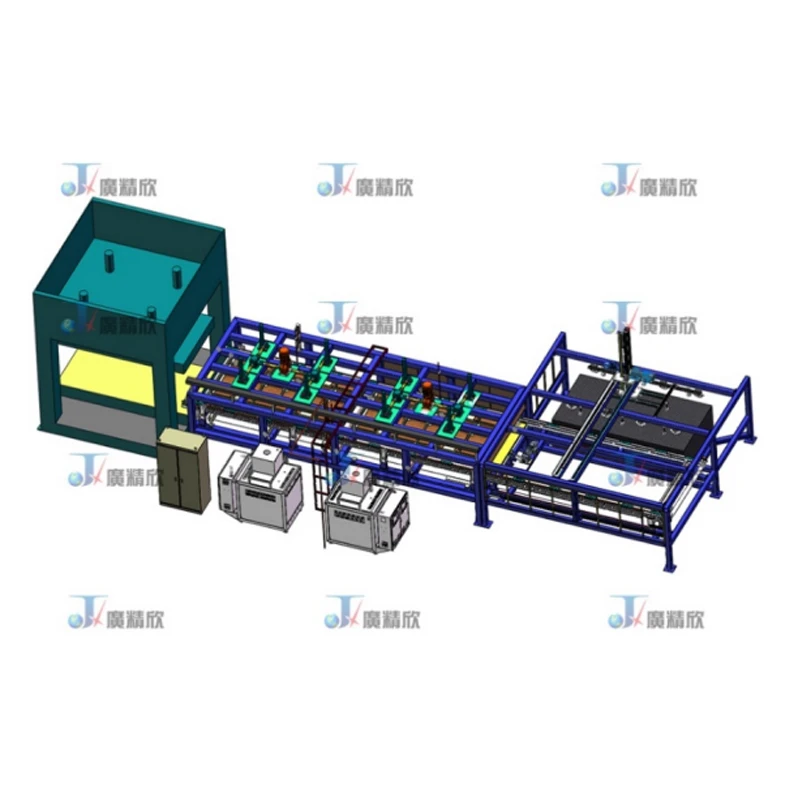
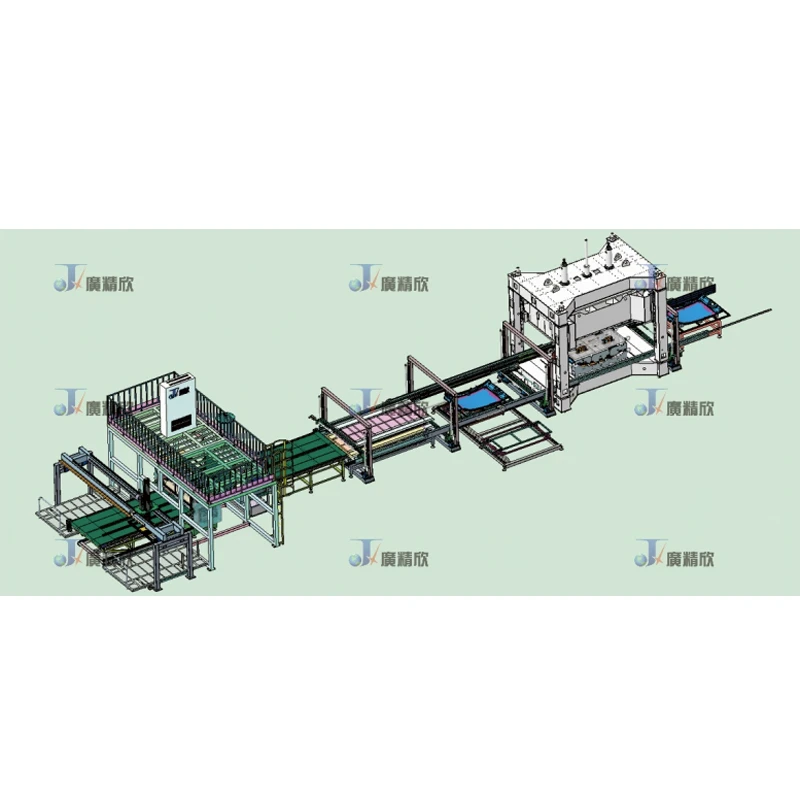
Evolution of Interior Equipment in Algeria

Tracing the trajectory from manual craftsmanship to intelligent automation.

Market Development History

From 2000 to 2010, the Algerian automotive sector focused primarily on import and basic assembly. Interior components were mostly imported, and local production was limited to simple sewing and basic fabric cutting using manual shears.

Between 2011 and 2020, the government introduced stricter local-content requirements. This period saw the introduction of basic pressing machines and the first generation of non woven fabric cutting line systems to improve material utilization and reduce waste.

Since 2021, the market has entered the "Automation Era." The focus has shifted toward high-efficiency systems such as the automatic car carpet line to support the growing volume of locally assembled SUVs and passenger cars.

Future Development Trends

Integration of Industry 4.0

Expect a surge in IoT-enabled machinery that allows Algerian plant managers to monitor production yield and machine health in real-time from centralized dashboards.

Sustainable Material Processing

Future lines will prioritize the processing of recycled non-woven fabrics and bio-based foams to align with global green manufacturing trends.

Precision Robotic Assembly

The adoption of robotic arms within the car ceiling assembly machine setups will minimize human error and maximize interior finish quality.

Future Outlook for Algeria's Automotive Equipment

Strategic projections for the next 3-5 years of industrial growth.

Hyper-Automation Shift
Transitioning from semi-auto to fully autonomous cells to reduce labor costs and increase precision.
Material Diversification
Adapting machinery to handle hybrid fabrics and lightweight composite materials for EV models.
Energy Efficiency
Implementation of low-energy heating elements for adhesive curing to reduce operational costs.
Smart Quality Control
Integrating AI visual inspection systems to detect fabric defects automatically in real-time.

Industry Outlook

Based on Google Search trends and industrialization data, the Algerian market is shifting from "buying equipment" to "investing in turnkey solutions." There is a significant increase in queries regarding integrated production lines that can handle multiple interior components under one roof.

As Algeria strengthens its ties with European and Asian automotive brands, the local equipment standard will likely converge toward global norms, making the demand for high-end automotive interior machinery a structural necessity for survival in the next decade.

Localized Application Scenarios in Algeria

Practical deployments of our technology in the Algerian automotive industrial zones.

01. Algiers Industrial Zone - Mass Production Headlining

Implementation of a fully automatic headlining line for a high-volume passenger car assembly plant, reducing cycle time per unit by 40%.

02. Oran Automotive Cluster - Luxury Interior Upgrades

Deployment of a car ceiling assembly machine specifically calibrated for premium thickened foams used in luxury SUVs.

03. Setif Component Factory - High-Precision Cutting

Installation of a non woven fabric cutting line to optimize raw material usage for multiple car models, reducing waste by 15%.

04. Constantine Interior Workshop - Carpet Production

Using an automatic car carpet line to standardize the floor mat production for commercial vans exported across North Africa.

05. Blida Manufacturing Hub - Integrated Interior Cell

A combined setup of various automotive interior machinery to create a one-stop shop for interior fabric processing and assembly.

Brand Story

Global Development Journey of Guangzhou Jingxin Electromechanical Co., Ltd.

Foundational Excellence

Established with a mission to solve the precision gap in automotive interior assembly, we began by mastering the core mechanics of fabric bonding.

Technological Breakthrough

We developed the first generation of fully automated cutting and pressing systems, eliminating manual errors and setting a new industry benchmark.

Global Market Expansion

Recognizing the needs of emerging markets, we expanded our reach to Africa, providing localized technical support and durable machinery.

Sustainable Innovation

We integrated eco-friendly heating and cutting technologies to help our clients reduce their carbon footprint while maintaining high output.

Future Vision

Today, we strive to be the leading global partner for automotive interior automation, bridging the gap between raw materials and luxury interiors.

Comprehensive Product Portfolio for Algeria

End-to-end equipment solutions designed for the rugged and demanding Algerian manufacturing environment.

Algeria Interior Machinery FAQs

Answers to the most common technical and commercial queries from our Algerian partners.

How does a fully automatic headlining line handle Algerian climate extremes?

Our lines feature advanced temperature-controlled heating zones and industrial-grade ventilation to ensure that adhesive bonding remains consistent even during high-temperature summers in Algeria.

What is the typical lead time for automotive interior machinery shipping to Algiers?

Depending on the customization level, manufacturing takes 30-60 days, with sea freight to Algerian ports typically taking an additional 25-35 days.

Can an automatic car carpet line process recycled non-woven fabrics?

Yes, our equipment is designed with adjustable tension and pressure settings to accommodate various material densities, including sustainable and recycled textiles.

Is training provided for local operators on the car ceiling assembly machine?

Absolutely. We provide comprehensive on-site installation and operator training, as well as remote technical support to ensure your Algerian team can operate the machinery independently.

How do I maintain a non woven fabric cutting line to prevent downtime?

We recommend a scheduled monthly blade inspection and lubrication of the guide rails. Our machines come with a preventive maintenance checklist tailored for industrial environments.

Does your automotive interior machinery comply with EU standards for Algeria exports?

Yes, our machinery is built to international safety and quality standards (CE), ensuring that the parts produced in Algeria are eligible for export to European markets.

Get Expert Consultation for Your Factory

Ready to upgrade your production capacity in Algeria? Our engineers are standing by to design your custom layout.

Contact Us Now

If you are interested in our products, you can choose to leave your information here, and we will be in touch with you shortly.