South Africa serves as the primary automotive hub for the African continent, characterized by a strong presence of global OEMs. However, the industry faces unique challenges, including volatile energy stability and a critical need for skilled technical labor to operate complex automotive interior machinery. This has led to a growing demand for systems that are not only efficient but also robust and easy to maintain.
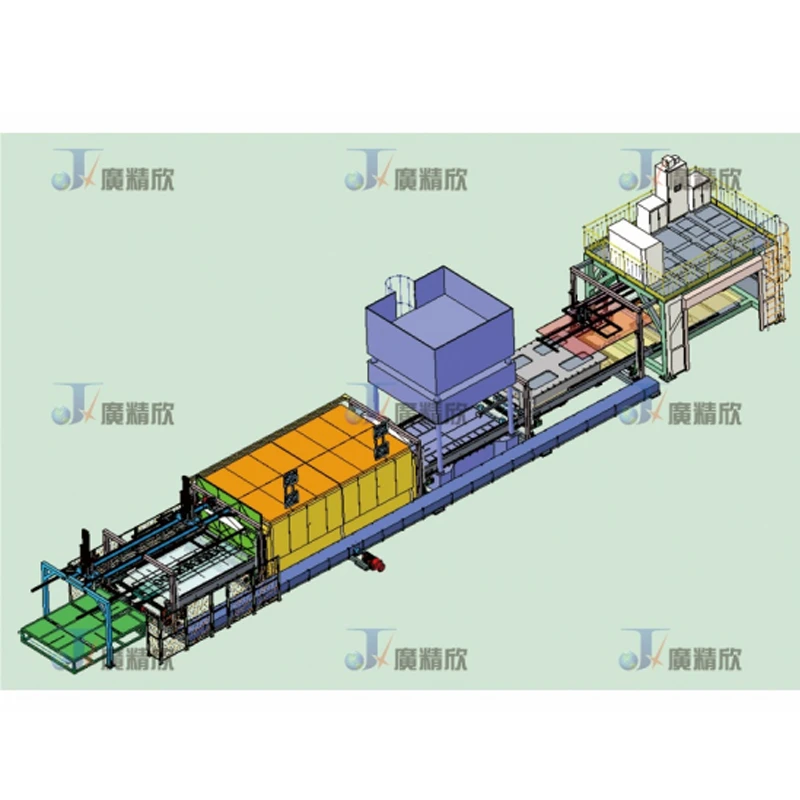
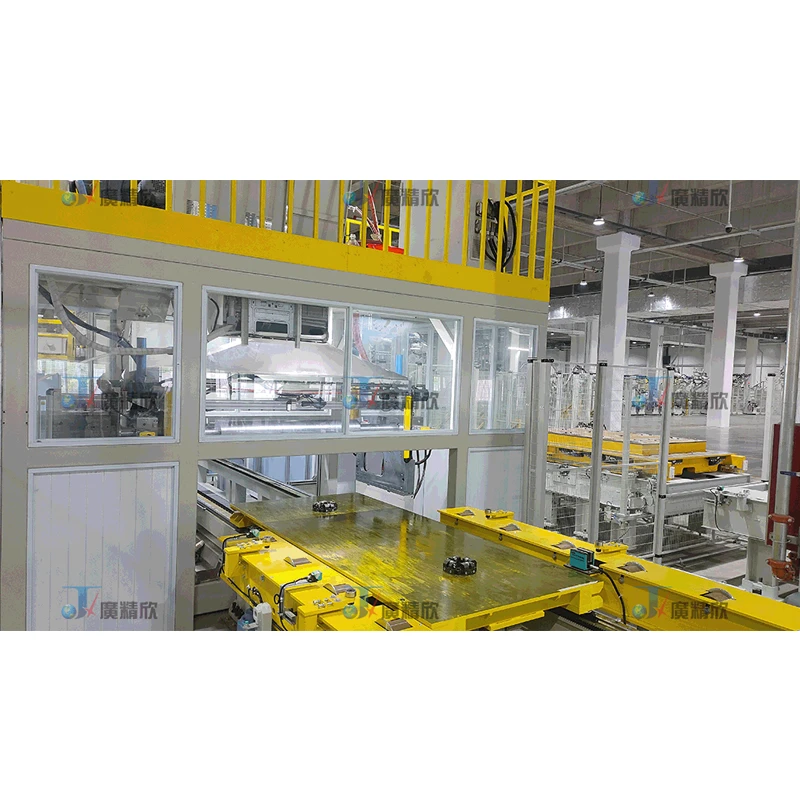
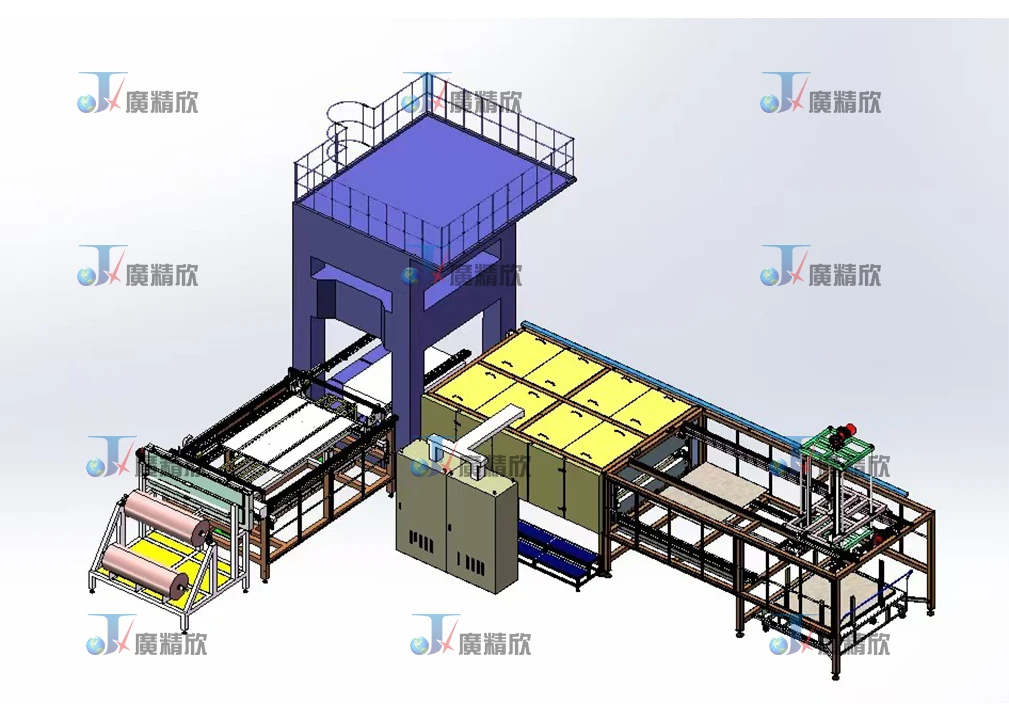
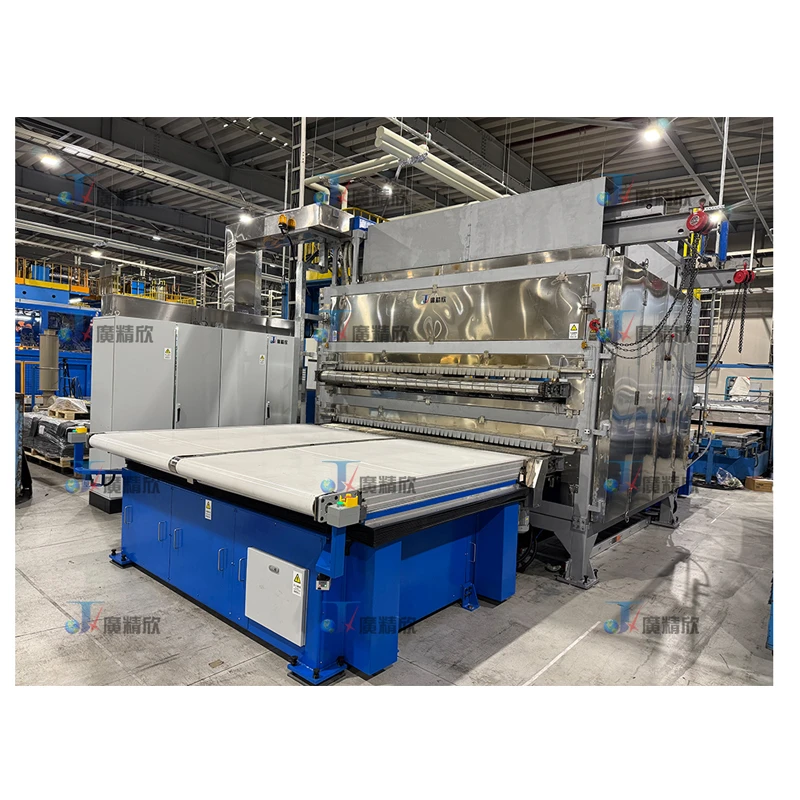
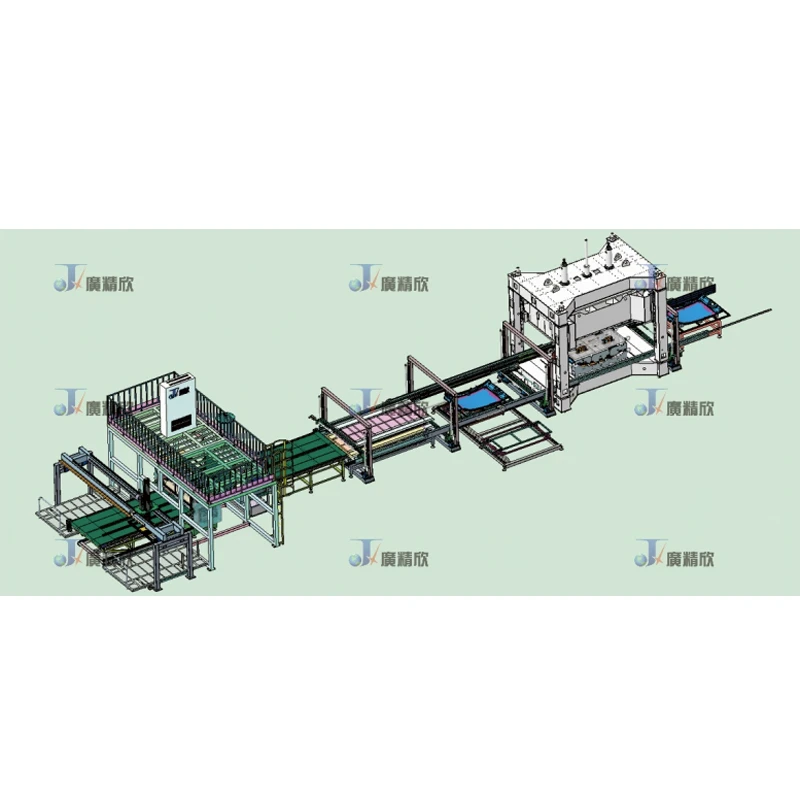
The local climate, particularly in coastal manufacturing hubs like Gqeberha and Durban, necessitates equipment that can handle humidity and temperature fluctuations without compromising the bonding quality of interior fabrics. Consequently, the transition toward a fully automatic headlining line has become a strategic priority for plants aiming to reduce scrap rates and maintain global quality standards.
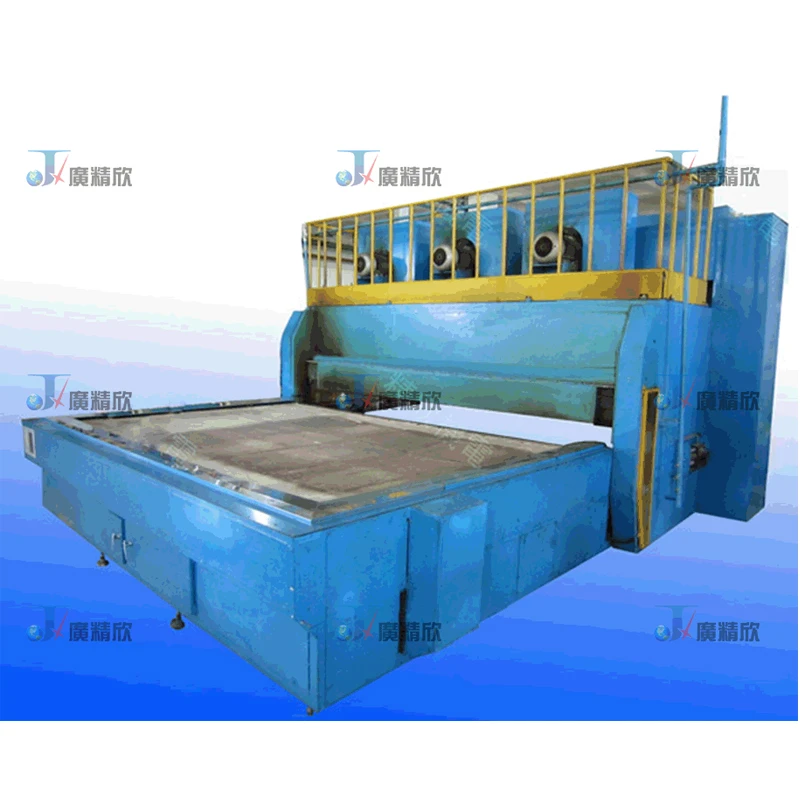
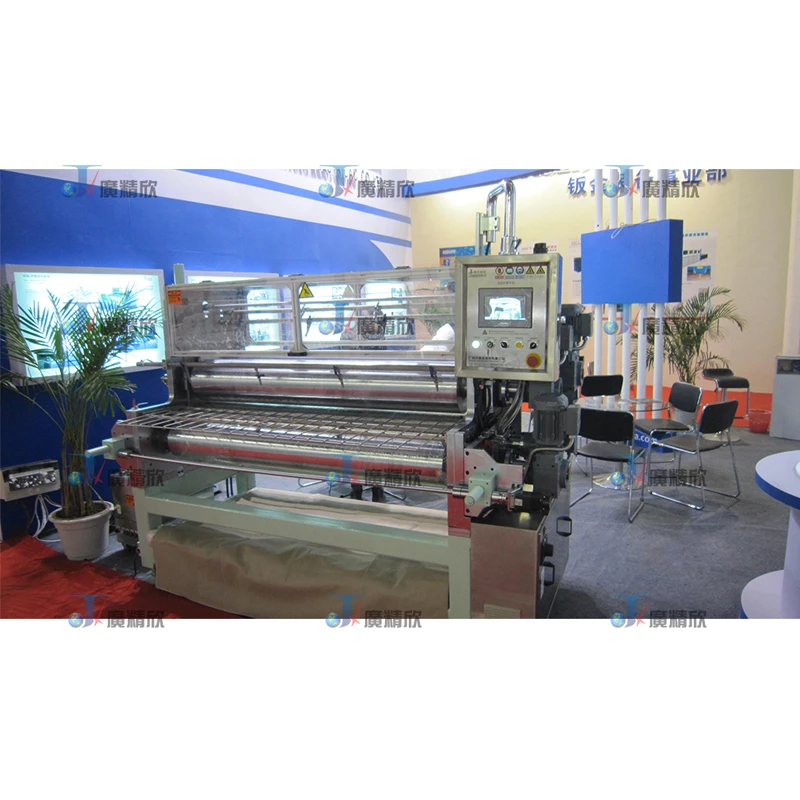
Economically, there is a significant push toward localization. South African manufacturers are increasingly seeking integrated solutions like the non woven fabric cutting line to reduce reliance on imported pre-cut components, thereby shortening the supply chain and improving overall production agility.