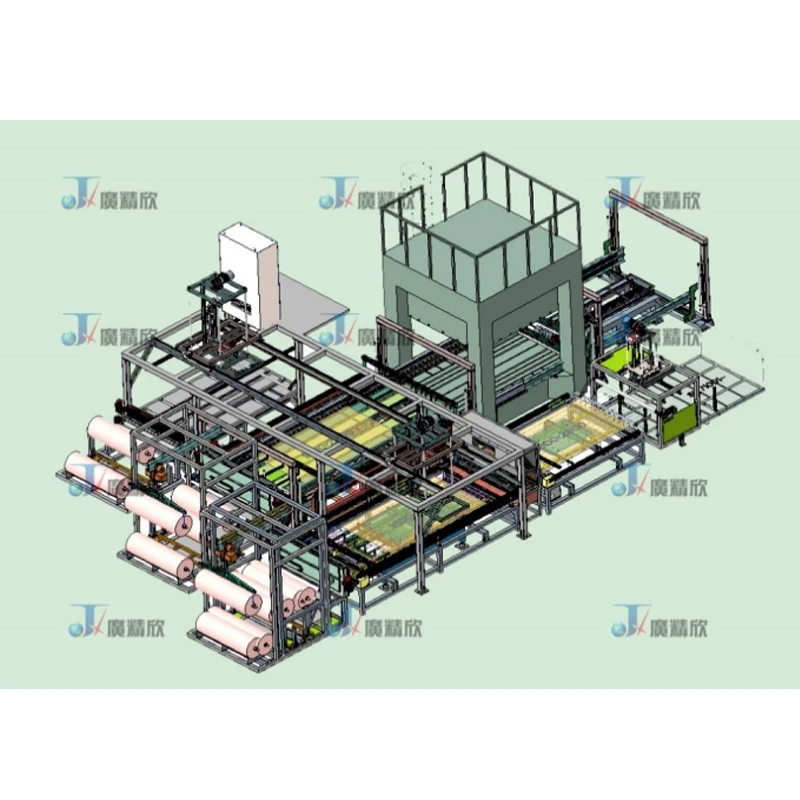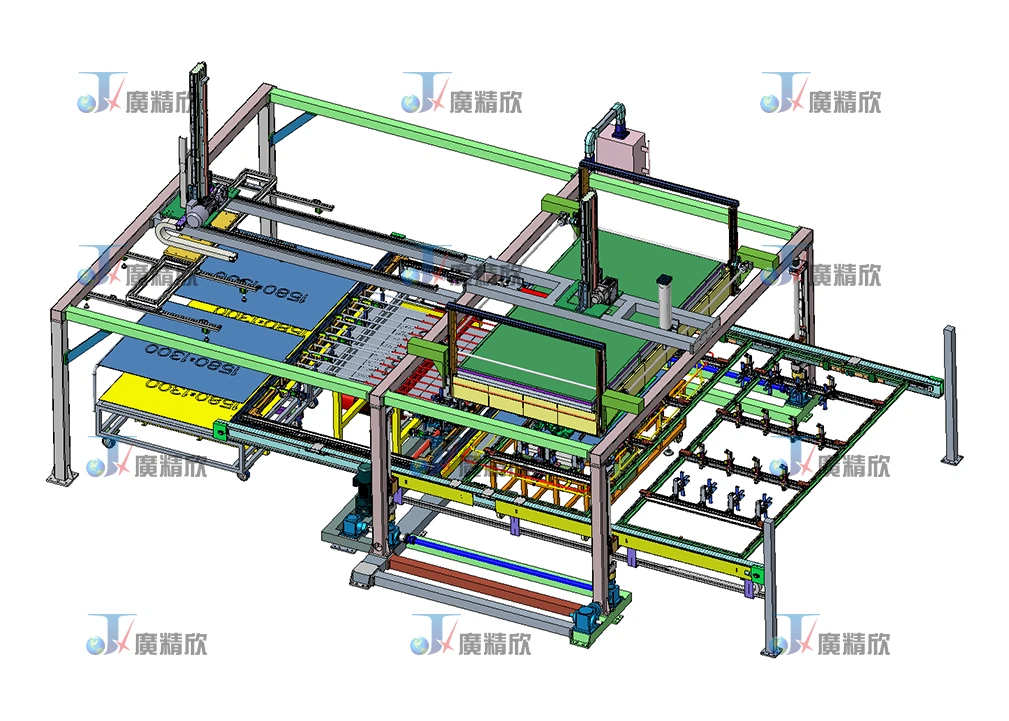
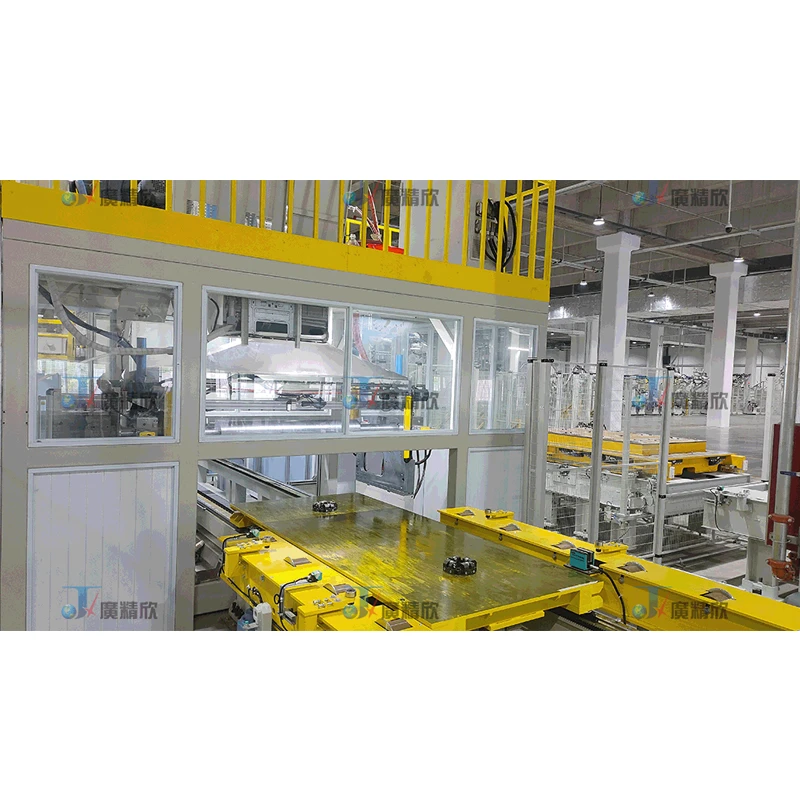
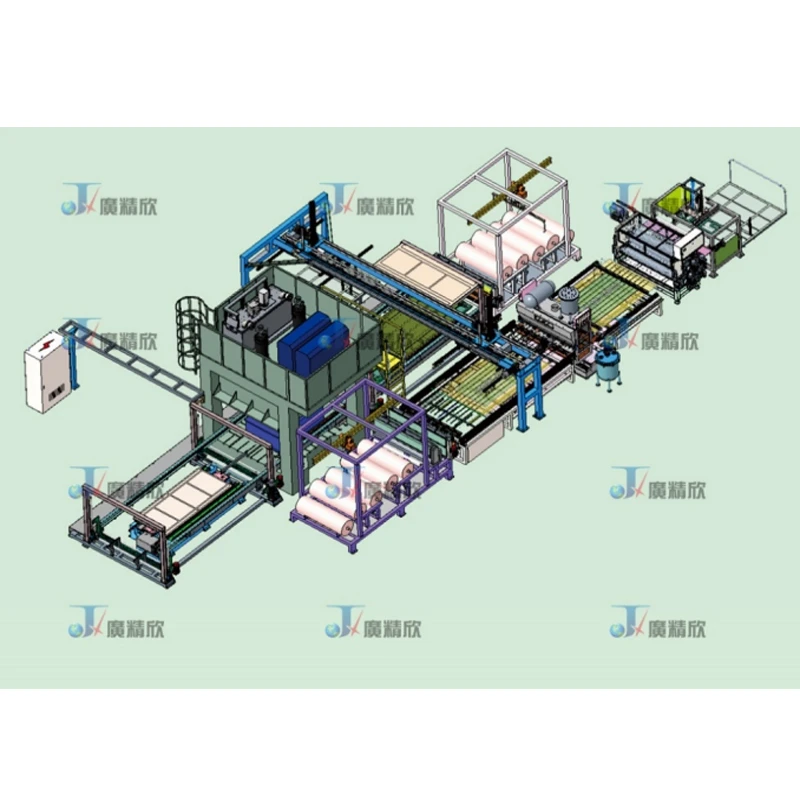
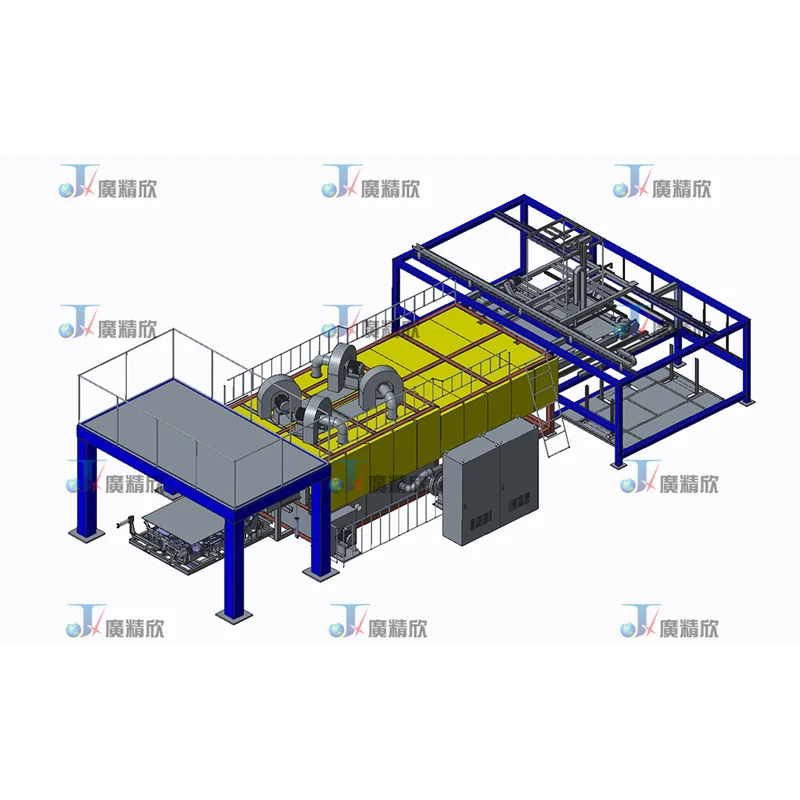
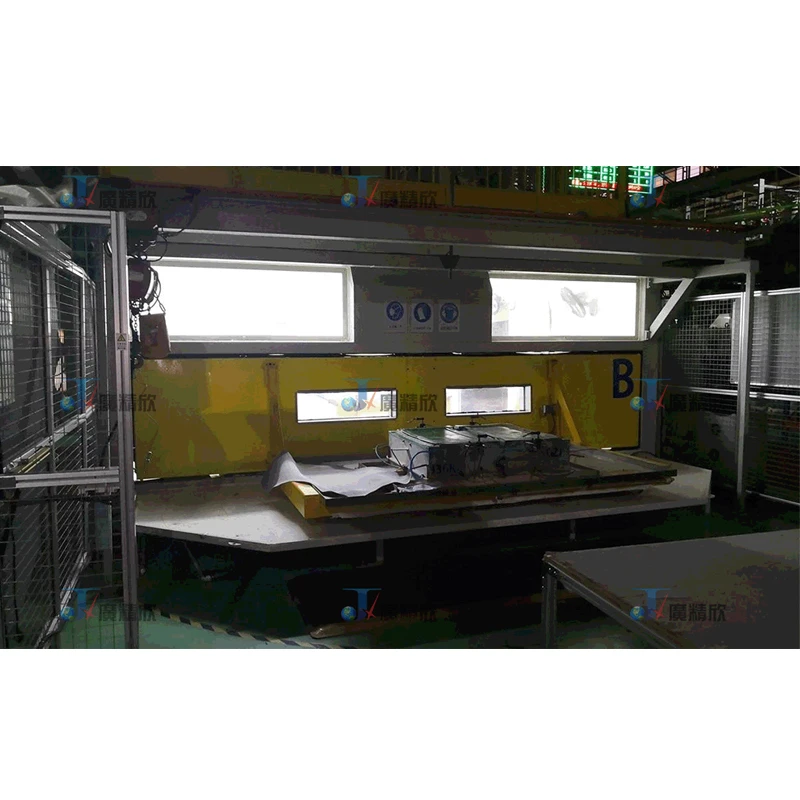
Advanced automotive interior machinery Solutions for Cambodia Market

Empowering Cambodian automotive component manufacturers with high-precision, automated production lines for interior ceiling and flooring systems.

Advanced automotive interior machinery Solutions for Cambodia Market

We provide integrated manufacturing systems specifically engineered for the automotive interior sector in Cambodia, ensuring efficiency, durability, and global quality standards.

Current State of Automotive Interior Manufacturing in Cambodia

Analyzing the transition from manual labor to semi-automation in the Cambodian industrial landscape.

Cambodia's automotive sector is currently experiencing a pivotal shift as the government encourages local value-addition. Traditionally reliant on imported complete kits, local factories are now investing in automotive interior machinery to reduce costs and improve the precision of interior trims.

The tropical climate of Cambodia presents unique challenges for material handling, particularly for adhesives used in car ceilings. This has led to an increased demand for climate-controlled car ceiling assembly machine units that can maintain consistent bonding quality despite high humidity.

Currently, many workshops still rely on manual cutting, which leads to high material waste. The introduction of an industrial non woven fabric cutting line is becoming a necessity for firms aiming to enter the supply chain of larger regional OEMs in Southeast Asia.
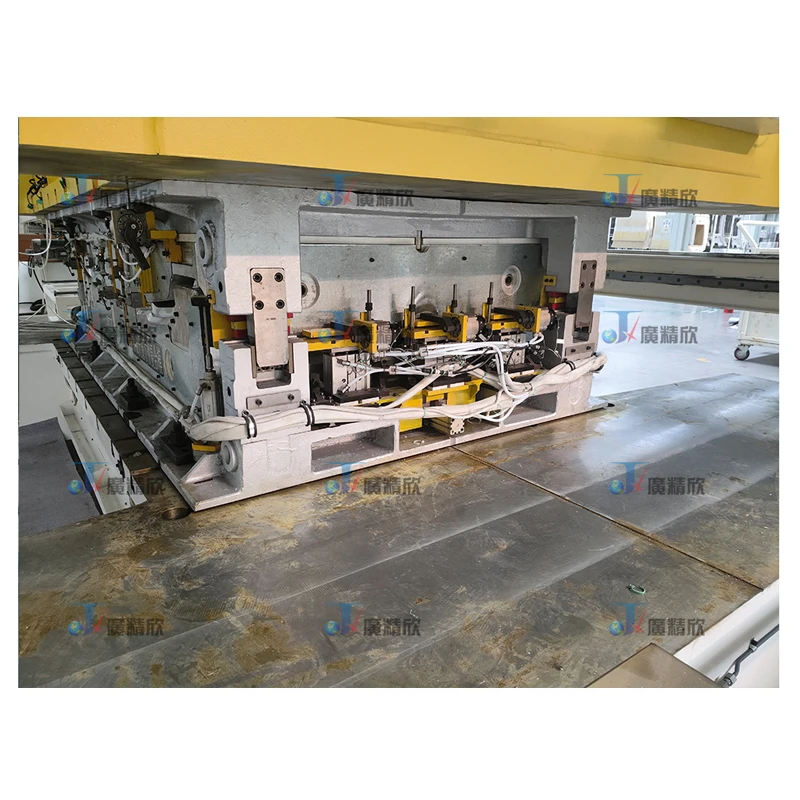
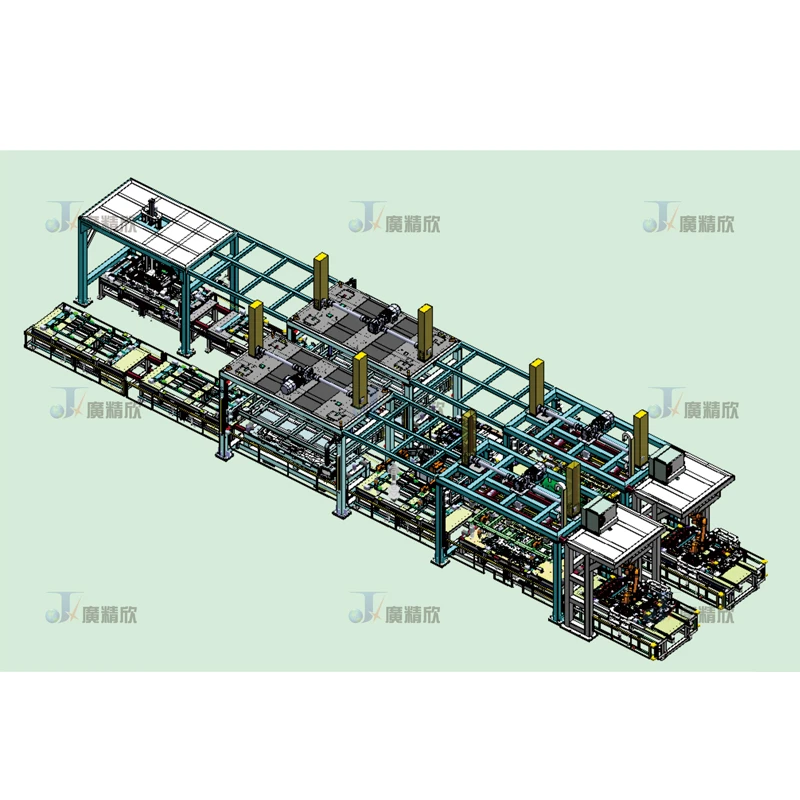
Evolution and Technical Trajectory of Interior Production

From manual craftsmanship to the era of fully automatic intelligence.

Market Development History

In the early 2010s, Cambodia's automotive interior production was dominated by manual sewing and hand-gluing. Production cycles were long, and quality variance was high, limiting the ability of local plants to scale.

Between 2015 and 2020, semi-automatic presses were introduced. This period marked the first wave of mechanization, where basic automatic car carpet line components began appearing to standardize floor mat production.

From 2021 to the present, the focus has shifted toward full integration. The adoption of a fully automatic headlining line has allowed factories to synchronize fabric cutting, foaming, and trimming into a single seamless workflow.

Future Development Trends

IoT-Enabled Real-time Monitoring

Future lines will integrate sensors to monitor adhesive temperature and pressure in real-time, reducing defect rates to near zero.

Eco-friendly Material Integration

Shift towards biodegradable non-woven fabrics, requiring specialized adjustments in the cutting and bonding machinery.

Modular Production Cells

Moving away from fixed long lines to flexible modular cells that can quickly switch between different car models.

Industry Trends and Future Outlook

Strategizing the next 5 years of automotive interior equipment evolution.

Hyper-Automation Integration
Transitioning to AI-driven controls to optimize the speed of the fully automatic headlining line.
Precision Cutting Evolution
Adopting laser-guided technology in the non woven fabric cutting line for zero-error margins.
Sustainable Bonding Processes
Implementing solvent-free adhesives within the car ceiling assembly machine for green certification.
Multi-Model Flexibility
Developing universal molds for the automatic car carpet line to serve multiple vehicle segments.

Industry Outlook

Based on regional growth patterns in Southeast Asia, Cambodia is expected to see a surge in local assembly plant investments. This will drive the demand for high-throughput automotive interior machinery that can match the speed of main vehicle assembly lines.

The integration of Industry 4.0 will not be an option but a requirement. We predict that by 2028, the majority of headlining production in Cambodia will be managed via centralized digital twins, optimizing material usage and energy consumption.

Localized Application Scenarios in Cambodia

Practical implementations of our machinery across various Cambodian industrial zones.

01. Phnom Penh OEM Component Plant

Implementation of a fully automatic headlining line to produce ceiling panels for electric tuk-tuks and passenger cars, ensuring rapid output for urban mobility projects.

02. Sihanoukville Export-Oriented Facility

Deploying a high-speed non woven fabric cutting line for mass-producing interior linings destined for regional export markets in Thailand and Vietnam.

03. Specialized Luxury Car Trim Studio

Utilizing a precision car ceiling assembly machine to create custom-fit, high-end headliners for luxury vehicle imports requiring local refurbishment.

04. Industrial Floor Mat Factory

Integration of an automatic car carpet line to standardize heavy-duty floor mats for commercial fleets operating in rural provinces.

05. Automotive Interior Parts Hub

A comprehensive suite of automotive interior machinery used to create a one-stop shop for all interior soft-trim components in the Special Economic Zones (SEZ).

Brand Story

Global Development Journey of Guangzhou Jingxin Electromechanical Co., Ltd.

Foundational Excellence

Started with a focus on precision mechanical engineering, solving the core problem of material waste in automotive interior trimming.

Technological Breakthrough

Developed the first generation of fully automated bonding systems, eliminating manual errors in headliner production.

Global Expansion

Expanded our footprint across Asia, tailoring our machinery to meet the specific humidity and power requirements of Southeast Asian markets.

Smart Manufacturing Era

Integrated PLC and IoT controls into our equipment, enabling remote diagnostics and optimized production cycles.

Commitment to Sustainability

Now leading the way in energy-efficient machinery that supports the global transition to green automotive interiors.

Comprehensive Product Portfolio for the Cambodian Market

Tailored equipment solutions for every stage of the automotive interior manufacturing process.

Common Questions for Cambodia Automotive Machinery

Expert answers to technical and logistical queries regarding interior production lines.

How does a fully automatic headlining line improve production speed in Cambodia?

By integrating cutting, gluing, and pressing into one continuous flow, it removes the bottlenecks associated with manual transfer, increasing output by up to 300%.

Can the automotive interior machinery be customized for specific vehicle models?

Yes, we provide modular molds and adjustable PLC settings that allow manufacturers to switch between different car ceiling dimensions quickly.

What is the maintenance requirement for an automatic car carpet line in humid climates?

We use corrosion-resistant coatings and sealed electronics to protect the machinery from Cambodia's humidity, requiring only routine lubrication and sensor calibration.

Is a car ceiling assembly machine energy efficient for local plants?

Our machines utilize servo-driven systems and optimized heating elements to minimize power consumption while maintaining high bonding strength.

How accurate is the non woven fabric cutting line for complex shapes?

Our cutting lines use CNC precision control, ensuring an accuracy of ±0.5mm, which drastically reduces material scrap and assembly time.

What training is provided for operators using automotive interior machinery?

We provide full on-site installation, operator training, and digital manuals to ensure the Cambodian workforce can maximize the equipment's potential.

Ready to Automate Your Interior Production?

Contact our expert engineers today for a customized production layout designed specifically for your facility in Cambodia.

Contact Us Now

If you are interested in our products, you can choose to leave your information here, and we will be in touch with you shortly.