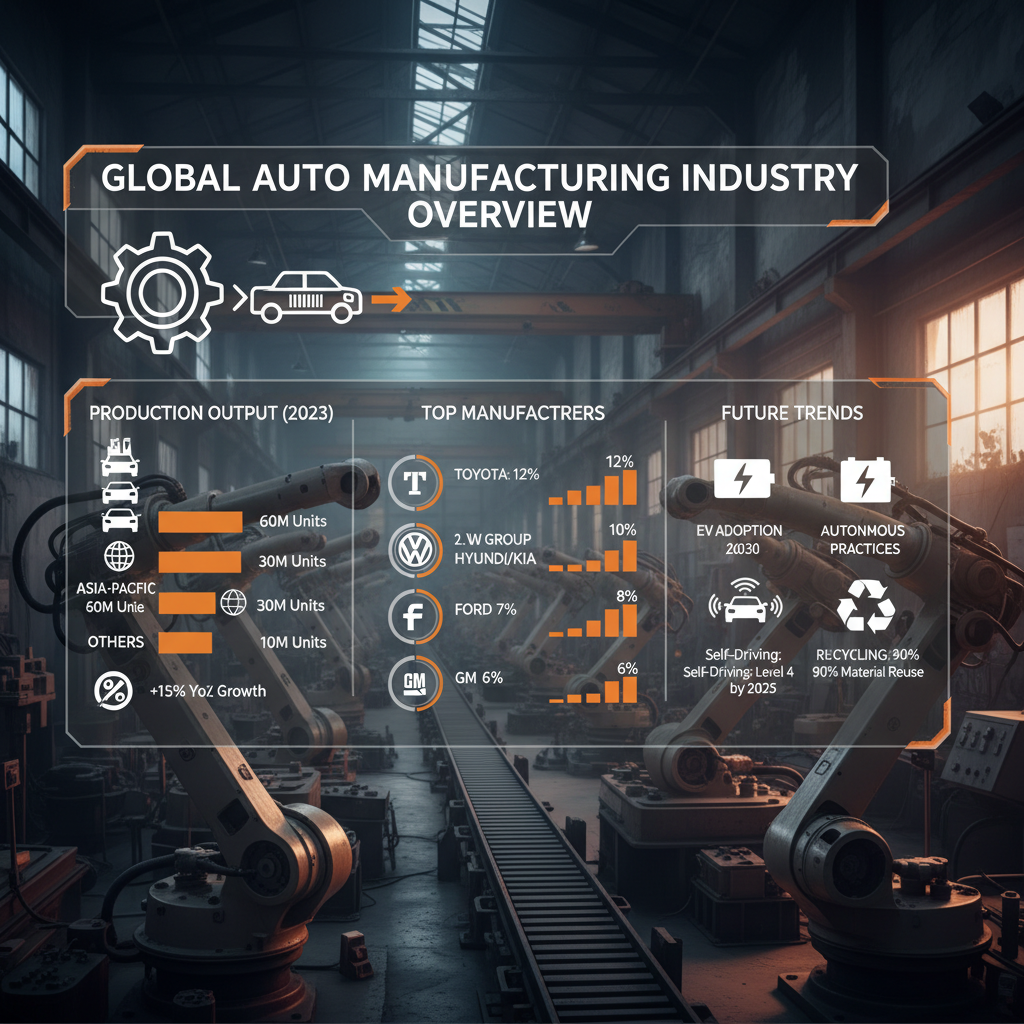
The automobile manufacturing industry is a cornerstone of the global economy, representing a complex and interconnected network of processes, technologies, and businesses. It's far more than simply assembling vehicles; it encompasses design, engineering, materials science, supply chain management, and increasingly, software development. This industry profoundly impacts employment, innovation, and international trade, contributing significantly to GDP in many nations. Understanding its intricacies is crucial for investors, policymakers, and anyone interested in the future of transportation and technology.
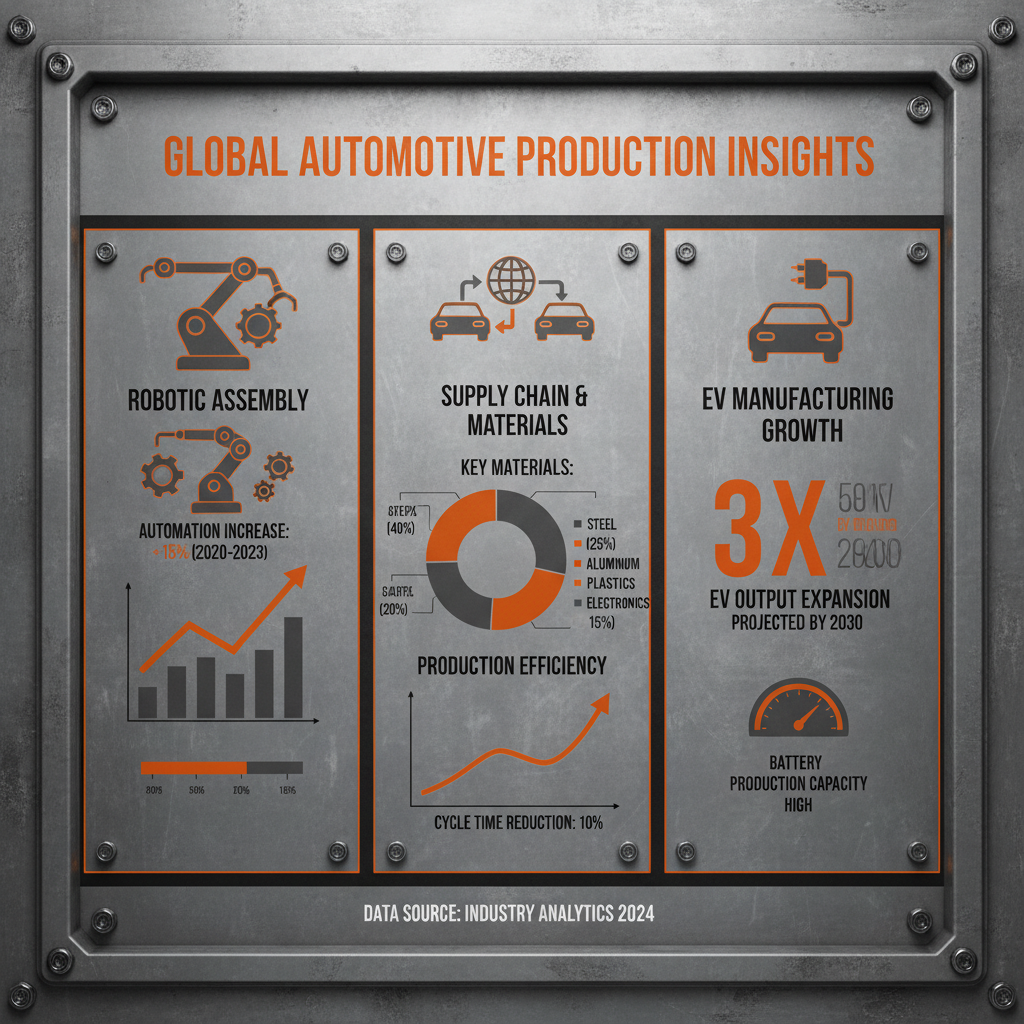
Globally, the automotive sector accounted for roughly 3.3% of global GDP in 2022, directly and indirectly employing tens of millions of people (source: UNCTAD). The industry is currently undergoing a seismic shift driven by electric vehicles (EVs), autonomous driving technology, and changing consumer preferences. These transformations present both challenges and opportunities, requiring companies to adapt quickly and invest in new capabilities. The future competitiveness of nations is inextricably linked to their ability to foster innovation and maintain a skilled workforce within the automobile manufacturing industry.
The benefits of understanding the automobile manufacturing industry extend beyond economic considerations. It provides insights into advancements in manufacturing processes, materials science, and logistics, offering valuable lessons applicable to other industries. Furthermore, the industry's focus on sustainability and safety sets benchmarks for responsible production and product development, influencing societal norms and consumer expectations.
Introduction to the Automobile Manufacturing Industry
The automobile manufacturing industry is a complex ecosystem characterized by intricate supply chains and rapid technological advancements. It’s a significant driver of innovation, continually pushing boundaries in areas like materials science, robotics, and artificial intelligence. The industry's evolution is not merely about creating vehicles, but about redefining mobility and transportation systems.
From the initial design and engineering phases to the final assembly and distribution, each step in the process requires precision, efficiency, and a commitment to quality. The competitive landscape is increasingly global, with manufacturers vying for market share through innovation, cost optimization, and customer-centric strategies. This requires a robust understanding of the automobile manufacturing industry's intricacies.
Defining Automobile Manufacturing
Automobile manufacturing encompasses all the processes involved in creating vehicles, from the sourcing of raw materials to the delivery of the finished product to consumers. This includes body construction, powertrain assembly, electrical systems integration, painting, and final inspection. It’s a highly capital-intensive industry, requiring significant investments in manufacturing facilities, equipment, and research and development.
The industry's connection to modern industrial capabilities is undeniable. It acts as a catalyst for advancements in automation, robotics, and lean manufacturing principles, pushing the boundaries of efficiency and productivity. These innovations often have spillover effects, benefiting other sectors of the economy.
Moreover, the automobile manufacturing industry directly addresses critical humanitarian needs, providing essential transportation for individuals and goods. Accessible and reliable transportation is fundamental for economic development, healthcare access, and social inclusion, demonstrating the industry's broader societal impact.
Core Components of Automotive Production
Several key factors underpin successful automobile manufacturing. Precision Engineering is paramount, ensuring the accuracy and reliability of every component. This demands highly skilled engineers and advanced design tools. Supply Chain Management is equally crucial, involving the coordination of thousands of suppliers to deliver parts and materials on time and within budget.
Quality Control is non-negotiable, requiring rigorous testing and inspection throughout the manufacturing process. This ensures that vehicles meet safety standards and customer expectations. Furthermore, Lean Manufacturing principles, focused on minimizing waste and maximizing efficiency, are widely adopted to optimize production processes and reduce costs.
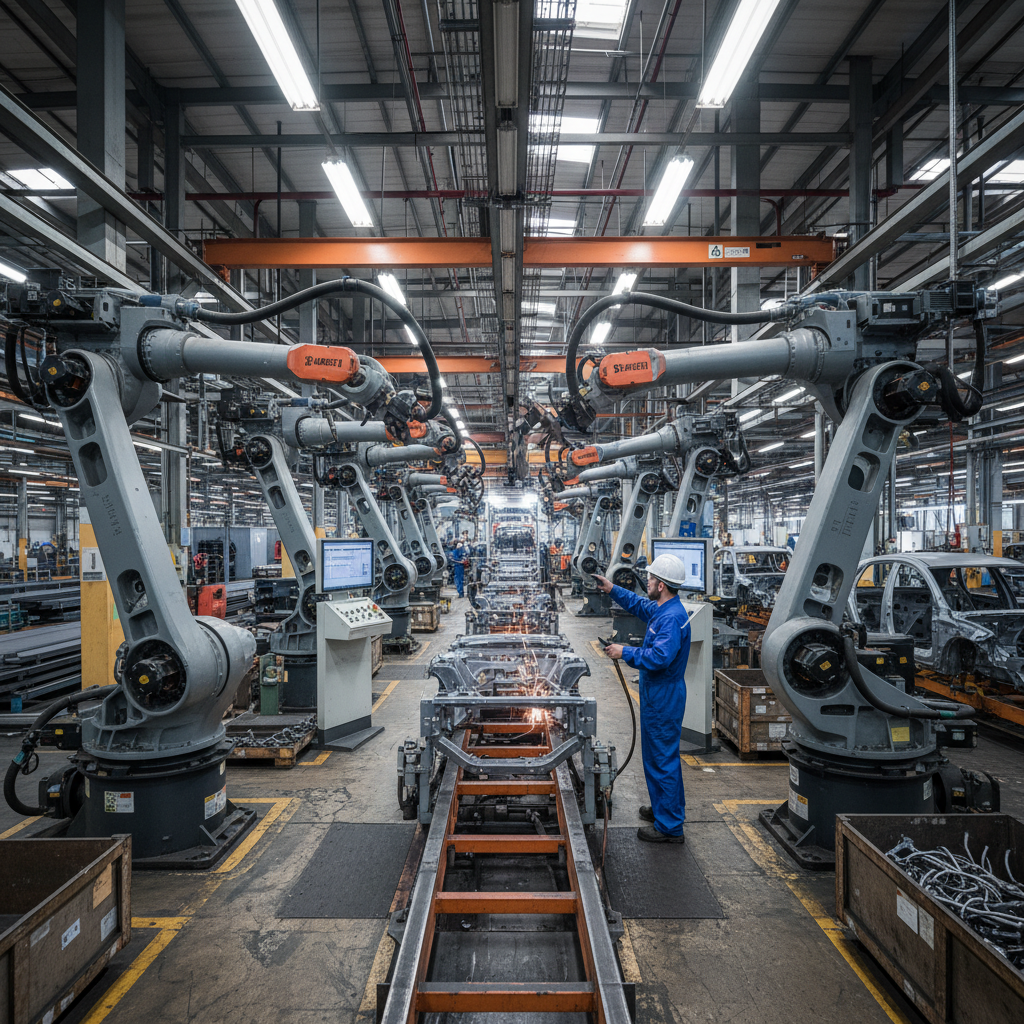
Technological Integration plays an increasing role, with automation, robotics, and data analytics transforming manufacturing floors. Finally, Skilled Workforce Development is essential, as the industry requires a workforce equipped with the knowledge and skills to operate and maintain increasingly sophisticated technologies.
Global Applications and Impact
The automobile manufacturing industry has a profound global reach. Major automotive hubs exist in North America, Europe, and Asia, with countries like China, Germany, and the United States leading in production volume. These hubs drive regional economies, providing employment and attracting investment.
The industry's influence extends beyond developed nations. In emerging markets, automotive manufacturing is often a key driver of economic growth, creating jobs and fostering technological development. For example, in India, the automotive sector contributes significantly to the country's manufacturing output and exports.
In remote industrial zones, the presence of automotive manufacturing facilities can stimulate infrastructure development and provide access to essential goods and services. Furthermore, the automotive industry's focus on sustainable transportation is driving innovation in electric vehicles and alternative fuels, with global implications for reducing carbon emissions.
Comparative Analysis of Automobile Manufacturing Methods
Advantages and Long-Term Value
The automobile manufacturing industry delivers substantial economic benefits, including job creation, tax revenue, and technological innovation. Cost efficiency, achieved through economies of scale and lean manufacturing practices, allows for more affordable vehicles, boosting consumer demand. Sustainability is also becoming a key advantage, as manufacturers invest in cleaner technologies and reduce their environmental footprint.
Beyond the tangible benefits, the industry fosters a culture of innovation and engineering excellence, attracting top talent and driving progress in related fields. The safety features incorporated into modern vehicles enhance passenger protection, providing a sense of security and well-being.
Future Trends and Innovations
Several key trends are shaping the future of the automobile manufacturing industry. The transition to electric vehicles (EVs) is accelerating, driven by government regulations and consumer demand. Autonomous driving technology is rapidly evolving, promising to revolutionize transportation and logistics. Digital transformation, fueled by data analytics and artificial intelligence, is optimizing manufacturing processes and enhancing product development.
Sustainability is becoming a central focus, with manufacturers exploring alternative materials, reducing waste, and embracing circular economy principles. The development of connected car technologies is creating new opportunities for in-vehicle services and data-driven insights.
Challenges and Potential Solutions
Despite its successes, the automobile manufacturing industry faces several challenges. Supply chain disruptions, geopolitical instability, and rising material costs can impact production and profitability. The need for significant investments in new technologies, such as EV infrastructure and autonomous driving systems, poses a financial burden for manufacturers.
To overcome these challenges, manufacturers must embrace agility, diversify their supply chains, and foster collaboration with suppliers and technology partners. Investing in workforce development and reskilling programs is crucial to ensure a skilled workforce capable of operating and maintaining advanced manufacturing technologies.
Furthermore, adopting circular economy principles and exploring innovative financing models can help to mitigate risks and promote sustainable growth. Government support and regulatory frameworks that incentivize innovation and investment are also essential.
Summary of Key Challenges and Potential Solutions in Automobile Manufacturing
| Challenge |
Impact on the Industry |
Potential Solution |
Implementation Difficulty (1-10) |
| Supply Chain Disruptions |
Production delays, increased costs |
Diversify supplier base, regionalize sourcing |
7 |
| Rising Material Costs |
Reduced profit margins, increased vehicle prices |
Explore alternative materials, negotiate long-term contracts |
6 |
| Technological Disruption (EVs, Autonomous Driving) |
Need for significant R&D investment, workforce reskilling |
Strategic partnerships, government incentives |
8 |
| Skilled Labor Shortage |
Difficulty in maintaining production quality, hindering innovation |
Invest in training programs, attract STEM talent |
9 |
| Geopolitical Instability |
Trade barriers, supply chain vulnerabilities |
Diversification of manufacturing locations, proactive risk management |
7 |
| Sustainability Concerns |
Increasing regulatory pressure, consumer demand for eco-friendly vehicles |
Invest in sustainable materials, reduce carbon footprint |
5 |
FAQS
Currently, several key technologies are reshaping the automobile manufacturing industry. These include advancements in electric vehicle (EV) technology, autonomous driving systems, and the integration of artificial intelligence (AI) and machine learning (ML) into production processes. Digital twins, additive manufacturing (3D printing), and advanced robotics are also playing increasingly important roles. These innovations aim to enhance efficiency, improve product quality, and reduce manufacturing costs.
Sustainability is now a central focus within the automobile manufacturing industry. Manufacturers are actively exploring the use of lightweight and recycled materials, reducing energy consumption in production facilities, and implementing water conservation measures. The transition to electric vehicles and the development of sustainable supply chains are also key components of this effort. Furthermore, companies are increasingly adopting circular economy principles to minimize waste and maximize resource utilization.
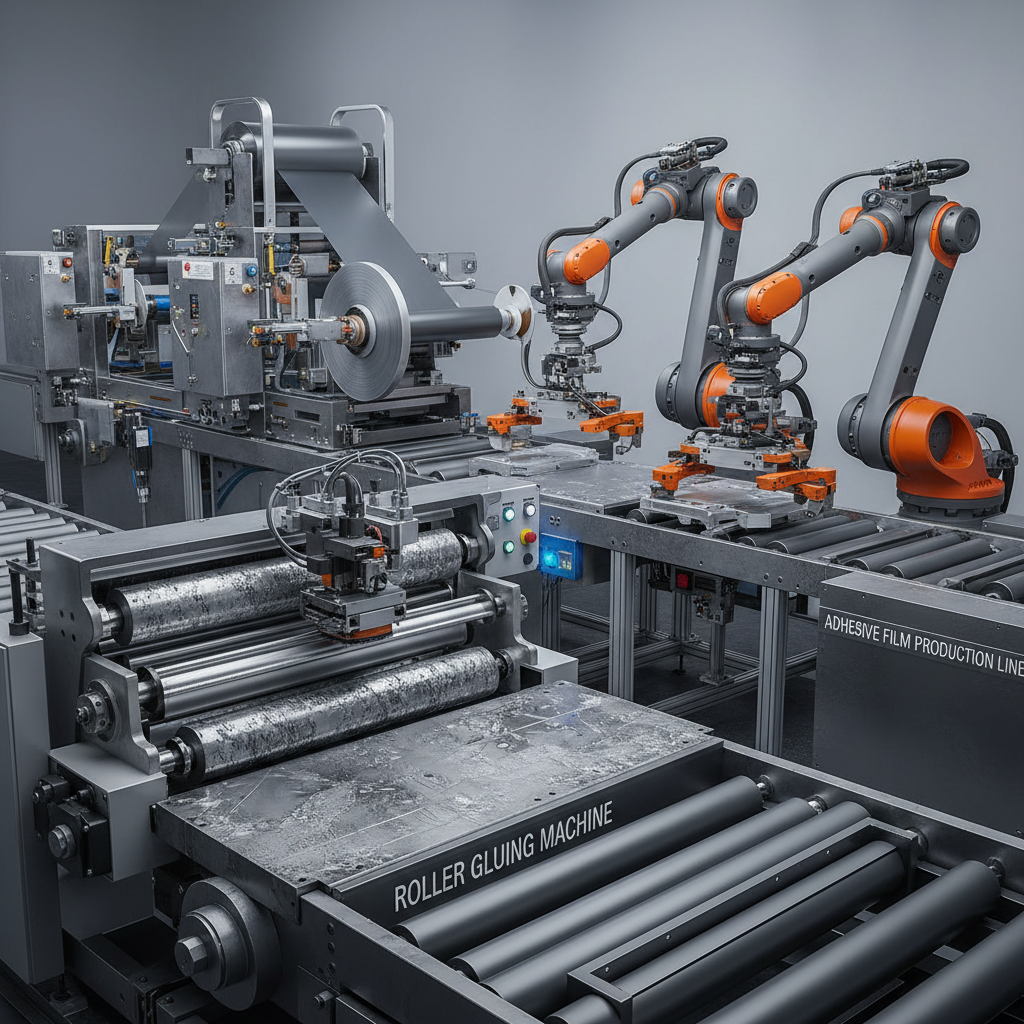
Automation is fundamental to modern automobile manufacturing industry, driving efficiency, precision, and cost reduction. Robots are widely used for tasks such as welding, painting, assembly, and material handling. Automated systems also play a crucial role in quality control and inspection. The increasing adoption of collaborative robots (cobots) allows for greater flexibility and human-robot collaboration on the factory floor, further enhancing productivity.
The automobile manufacturing industry has been significantly affected by recent supply chain disruptions, particularly the shortage of semiconductors. This has led to production cuts, increased vehicle prices, and longer delivery times. Geopolitical instability and logistical challenges have exacerbated these issues. Manufacturers are responding by diversifying their supplier base, building strategic partnerships, and investing in supply chain resilience.
Transitioning to EV production presents several challenges. These include the high cost of battery technology, the need for significant investments in charging infrastructure, and the sourcing of raw materials for battery production. Manufacturers also face challenges in adapting their existing production facilities and retraining their workforce to handle the unique requirements of EV manufacturing. Ensuring a sustainable and ethical supply chain for battery materials is also a crucial consideration.
The automobile manufacturing industry is experiencing a growing demand for skilled professionals in several areas. These include engineers specializing in electric vehicles, autonomous driving, and robotics. Data scientists, software developers, and cybersecurity experts are also highly sought after. Moreover, there is a need for skilled technicians to maintain and repair increasingly complex manufacturing equipment. Problem-solving, critical thinking, and adaptability are also essential skills for success in this dynamic industry.
Conclusion
In conclusion, the automobile manufacturing industry is a vital force in the global economy, continuously evolving through technological innovation and adapting to changing market demands. Its complexities extend beyond simple assembly, encompassing intricate supply chains, sustainable practices, and a constant pursuit of efficiency. Understanding its dynamics is crucial for stakeholders across various sectors.
Looking ahead, embracing digital transformation, prioritizing sustainability, and investing in workforce development will be paramount for success. The industry's ability to overcome current challenges and capitalize on emerging opportunities will shape the future of transportation and mobility. Visit our website at www.headliningline.com to learn more about the latest trends and developments in the automobile manufacturing sector.