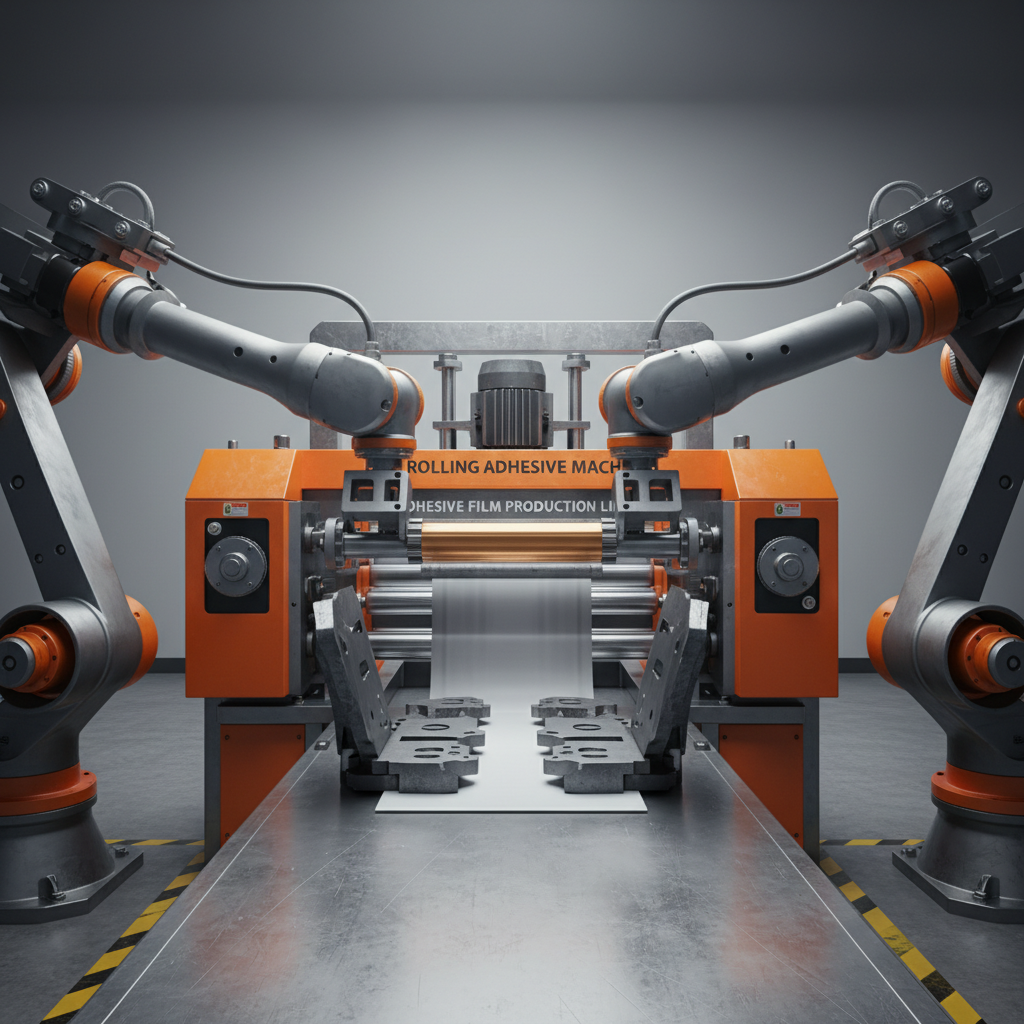
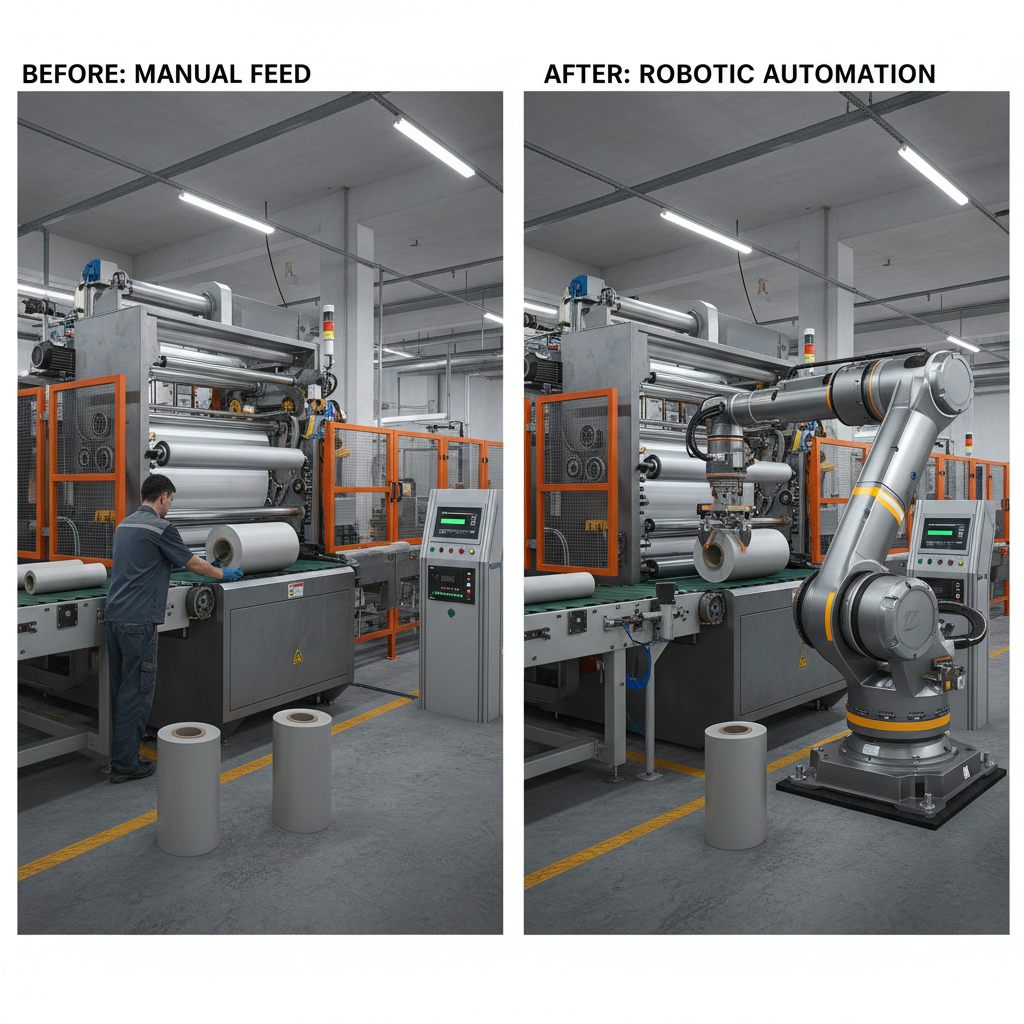
The world is facing increasing demands for efficient and scalable manufacturing solutions, especially in sectors like automotive, where precision and speed are paramount. The auto production line represents a significant advancement in this field, enabling manufacturers to meet these demands while maintaining quality and reducing costs. Understanding the nuances of these lines is crucial for industry professionals, policymakers, and anyone interested in the future of manufacturing.
Globally, the automotive industry is a major economic driver, employing millions and contributing significantly to GDP. According to the International Organization of Motor Vehicle Manufacturers (OICA), global vehicle production reached approximately 85.5 million units in 2023. The efficiency of the auto production line directly impacts a country’s ability to compete in this market.
However, current systems often grapple with challenges like bottlenecks, quality control issues, and the need for greater flexibility to adapt to rapidly changing consumer preferences. A comprehensive understanding of how auto production lines are designed, implemented, and optimized is vital to addressing these challenges and unlocking the full potential of modern manufacturing.
The Importance of Auto Production Lines
Auto production lines are the backbone of the modern automotive industry, representing a complex interplay of machinery, robotics, and human expertise. Their efficient operation directly correlates with a manufacturer’s ability to deliver vehicles that meet stringent quality standards, on time, and at competitive prices. Without effective production lines, the industry would be unable to satisfy global demand.
The importance extends beyond simply building cars. Optimized auto production lines contribute to economic growth through job creation, technological innovation, and increased export revenue. Investment in these systems fosters a ripple effect, stimulating development in related industries such as tooling, robotics, and software engineering.
Defining the Auto Production Line
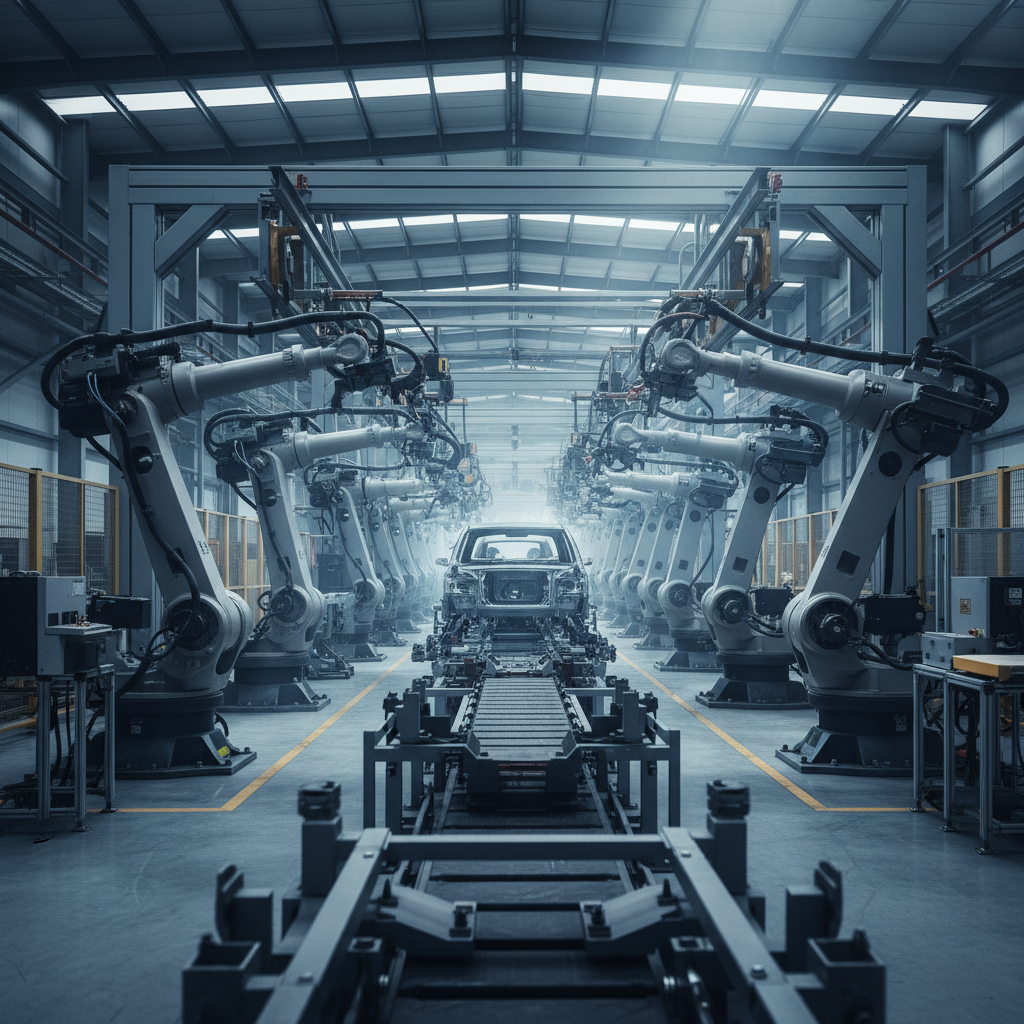
An auto production line is a series of interconnected workstations and processes designed to assemble vehicles in a sequential and efficient manner. It's more than just an assembly process; it's a meticulously engineered system optimized for minimizing waste, maximizing throughput, and ensuring consistent quality. Components flow from one station to the next, with each station performing a specific task.
This concept is deeply rooted in the principles of mass production and the assembly line, pioneered by Henry Ford in the early 20th century. While Ford’s original line was revolutionary, modern auto production lines leverage advanced technologies like robotics, automation, and real-time data analytics to achieve levels of efficiency and precision previously unimaginable.
The connection to modern industry is undeniable; virtually all manufactured goods rely on similar production principles. However, the automotive sector, with its complex assembly requirements and high production volumes, has consistently pushed the boundaries of production line technology, serving as a model for other industries.
Core Components of Efficiency
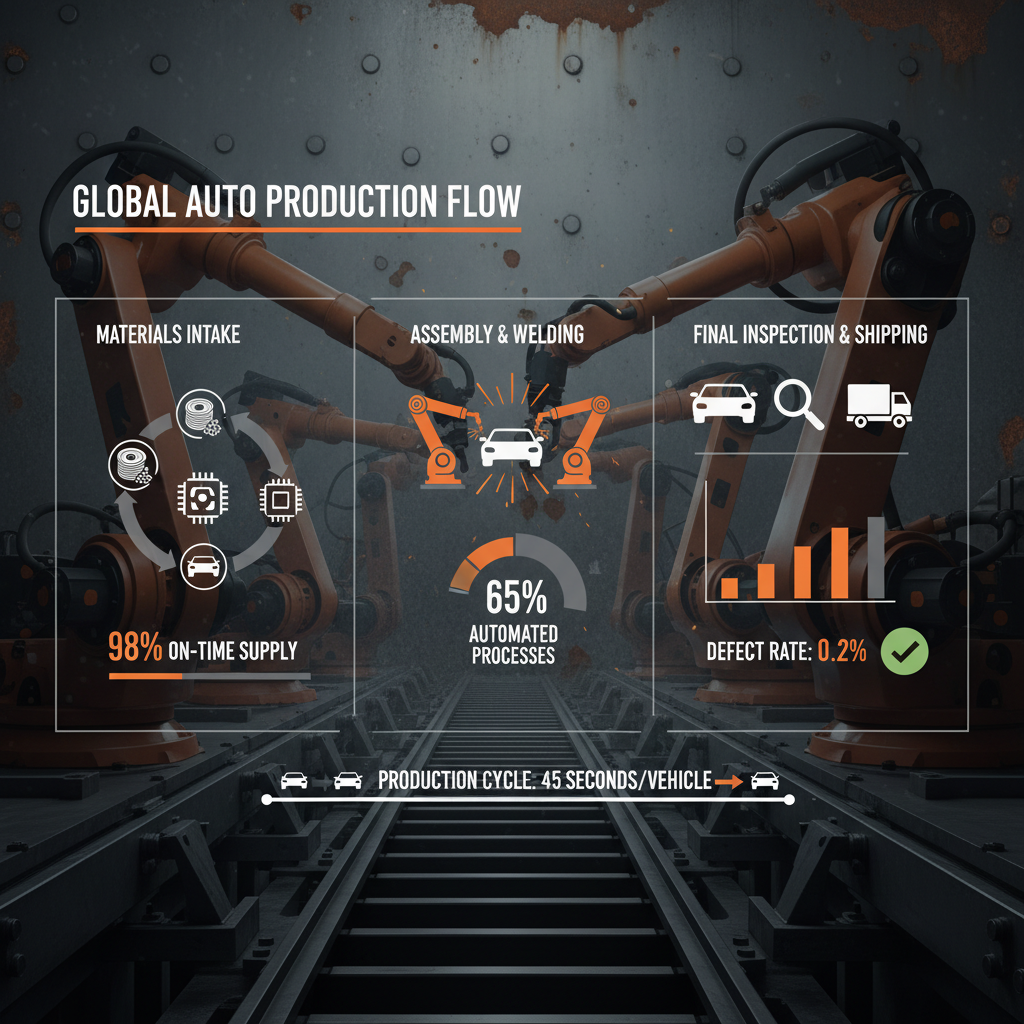
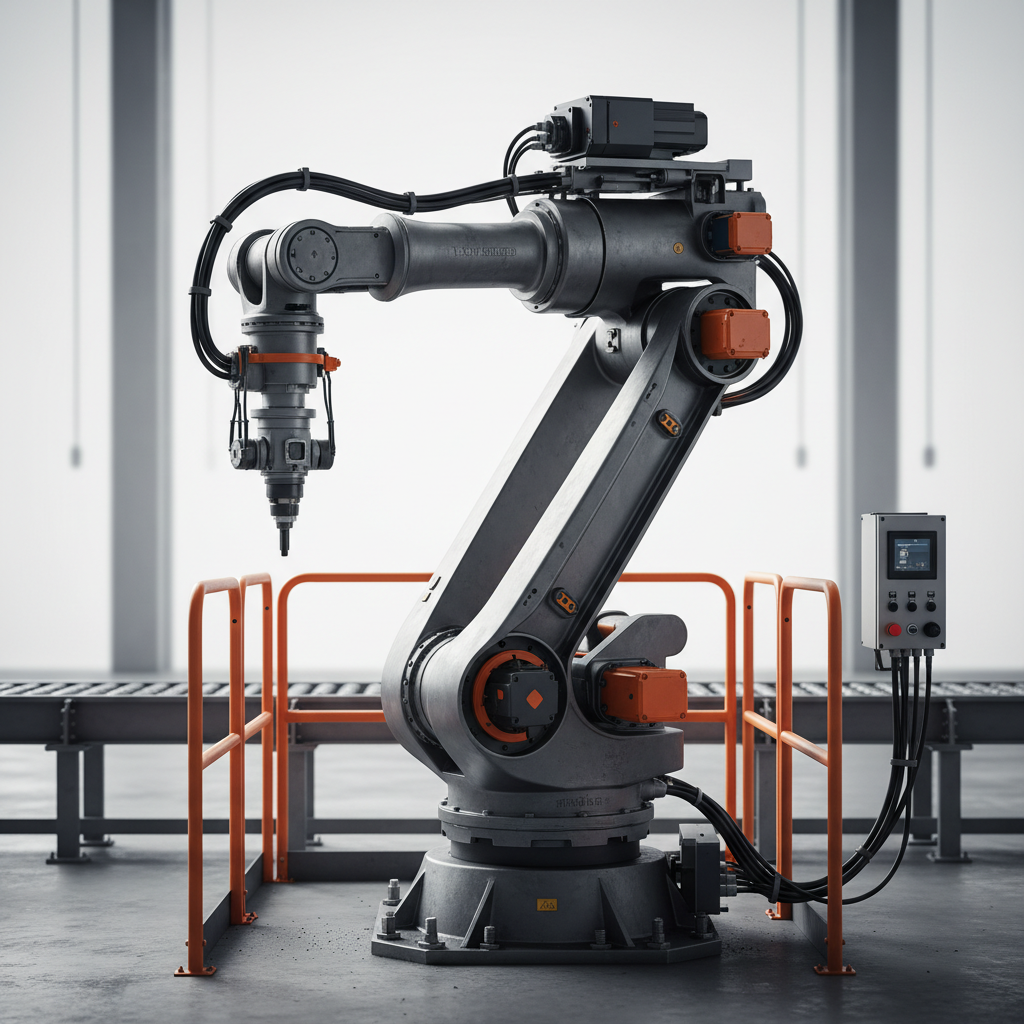
Several key components contribute to the efficiency of an auto production line. First is Automation, including robotic welding, painting, and assembly. These automated systems significantly reduce cycle times and minimize human error. Secondly, Just-in-Time (JIT) Inventory Management ensures that components arrive exactly when needed, reducing storage costs and waste.
Another critical element is Quality Control. Sophisticated inspection systems, including computer vision and sensor technology, continuously monitor the production process, identifying and addressing defects early on. This prevents faulty vehicles from reaching consumers and minimizes costly recalls. Furthermore, Lean Manufacturing Principles are essential, focused on eliminating waste in all forms, from materials to time.
Finally, Data Analytics and Predictive Maintenance play a crucial role. By collecting and analyzing data from sensors throughout the line, manufacturers can identify potential equipment failures before they occur, scheduling maintenance proactively and minimizing downtime. This ensures continuous operation and maximizes overall efficiency.
Key Performance Indicators in Auto Production Lines
Monitoring key performance indicators (KPIs) is essential for evaluating and optimizing the performance of an auto production line. These metrics provide insights into efficiency, quality, and cost-effectiveness.
Understanding these indicators allows manufacturers to make data-driven decisions, identify areas for improvement, and ultimately enhance the overall performance of their operations.
Auto Production Line Performance Metrics
Global Applications of Auto Production
Auto production lines are deployed globally, with major concentrations in established automotive manufacturing hubs such as Germany, Japan, the United States, and China. These countries boast highly skilled workforces, robust infrastructure, and strong supply chains, making them ideal locations for automotive production.
However, production is increasingly diversifying, with new facilities emerging in regions like Mexico, India, and Southeast Asia, driven by lower labor costs and growing domestic markets. Automotive manufacturers are strategically locating plants closer to their customer base to reduce transportation costs and improve responsiveness.
Benefits and Long-Term Value
The benefits of investing in advanced auto production lines are substantial. Tangible benefits include reduced labor costs, increased production output, improved product quality, and lower overall manufacturing costs. These factors translate into increased profitability and a stronger competitive position.
Beyond the financial gains, optimized production lines enhance worker safety by automating hazardous tasks. They also promote sustainability by minimizing waste and energy consumption. Furthermore, the continuous innovation spurred by these lines drives economic growth and creates high-skilled jobs.
The long-term value lies in building a resilient and adaptable manufacturing capability that can respond quickly to changing market demands and technological advancements. This ensures long-term success and leadership in the automotive industry.
Future Trends and Technological Advancements
The future of auto production lines is inextricably linked to advancements in several key areas. Artificial intelligence (AI) and machine learning (ML) are poised to revolutionize production processes, enabling predictive maintenance, optimized resource allocation, and real-time quality control.
Another crucial trend is the increasing adoption of digital twin technology, creating virtual replicas of production lines to simulate different scenarios and optimize performance. Furthermore, advancements in materials science, such as lightweight composites and advanced alloys, are enabling the production of more fuel-efficient and sustainable vehicles.
The move towards electric vehicles (EVs) is also driving innovation in production line design, requiring new processes for battery assembly and electric motor integration. Sustainable manufacturing practices, including closed-loop recycling systems and the use of renewable energy sources, will become increasingly important in the coming years.
FAQS
The payback period for a new auto production line varies widely based on factors such as the scale of the investment, the complexity of the line, and the projected production volume. However, a typical payback period ranges from 3 to 7 years, driven by increased efficiency, reduced labor costs, and improved product quality. Thorough cost-benefit analysis is crucial before any investment.
Assessing automation readiness involves evaluating several factors, including the existing layout of your facility, the availability of skilled personnel, the compatibility of existing systems with new technologies, and your IT infrastructure. A comprehensive audit, potentially conducted by an automation specialist, can identify gaps and provide recommendations.
Connected auto production lines are vulnerable to cybersecurity threats such as ransomware, data breaches, and denial-of-service attacks. Implementing robust security measures, including firewalls, intrusion detection systems, and regular security audits, is essential. Employee training on cybersecurity best practices is also critical.
Predictive maintenance, leveraging sensor data and machine learning algorithms, allows manufacturers to anticipate equipment failures and schedule maintenance proactively. This minimizes unplanned downtime, reduces repair costs, and extends the lifespan of critical equipment, leading to significant improvements in overall uptime.
Digital twin technology creates a virtual replica of the auto production line, enabling manufacturers to simulate different scenarios, test changes without disrupting physical operations, and optimize performance in real-time. This leads to faster innovation, improved efficiency, and reduced risks.
Ensuring data privacy requires implementing robust data encryption, access controls, and data anonymization techniques. Compliance with relevant data privacy regulations, such as GDPR, is crucial. Establishing clear data governance policies and conducting regular security audits are also essential.
Conclusion
In conclusion, the auto production line stands as a cornerstone of modern manufacturing. Its evolution, driven by technological advancements and the pursuit of greater efficiency, has transformed the automotive industry and beyond. The core components – automation, quality control, and data analytics – are crucial for success, and understanding these elements is paramount for industry stakeholders.
Looking ahead, the integration of AI, digital twins, and sustainable practices will further enhance the capabilities of these lines. Investing in innovative technologies and fostering a skilled workforce will be essential for maintaining a competitive edge in the rapidly evolving automotive landscape. To learn more about optimizing your own automotive production, visit our website: www.headliningline.com.