Email: chen@gjxgroup.com.cn
Tel: +8613662488820
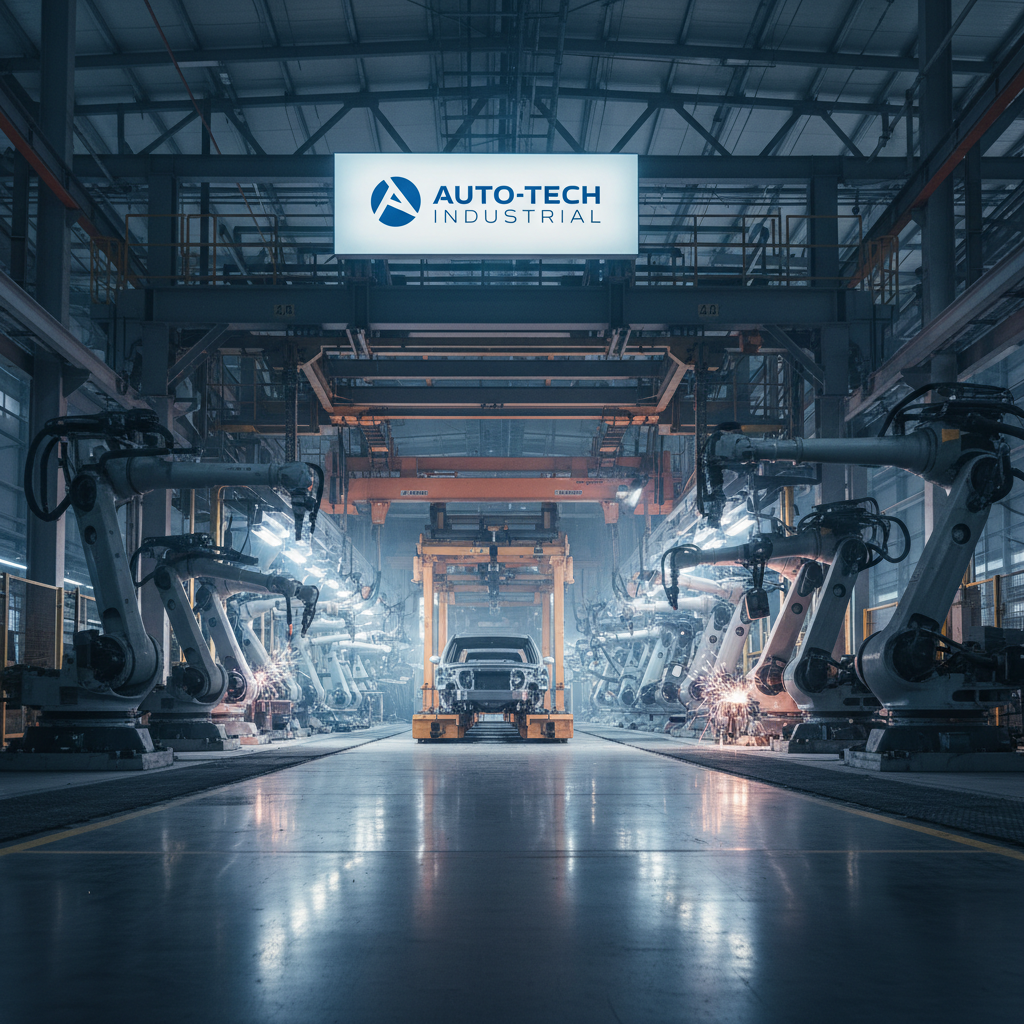
The car manufacturing sector is a cornerstone of the global economy, driving innovation and providing essential transportation solutions. It's a complex system encompassing design, engineering, production, and distribution, impacting countless industries and employing millions worldwide. Understanding the nuances of this sector is crucial for investors, policymakers, and anyone involved in the automotive supply chain. The increasing demand for vehicles, coupled with advancements in technology, continues to shape the car manufacturing sector landscape.
Globally, the automotive industry contributes significantly to GDP, with major players concentrated in regions like China, the United States, Germany, and Japan. According to the International Organization of Motor Vehicle Manufacturers (OICA), global vehicle production reached over 85 million units in 2023, demonstrating the sector’s ongoing resilience. The sector faces challenges, including fluctuating raw material costs, evolving emission regulations, and the rapid transition to electric vehicles, all requiring adaptable and efficient manufacturing processes.
The car manufacturing sector isn't merely about assembling vehicles; it’s about creating a sophisticated ecosystem that fuels economic growth and societal progress. Specialized equipment manufacturers, like us at Headliningline, play a vital role in enabling automakers to produce high-quality, innovative vehicles efficiently and cost-effectively. This sector demands constant improvement and adaptation to stay competitive in a rapidly changing world.
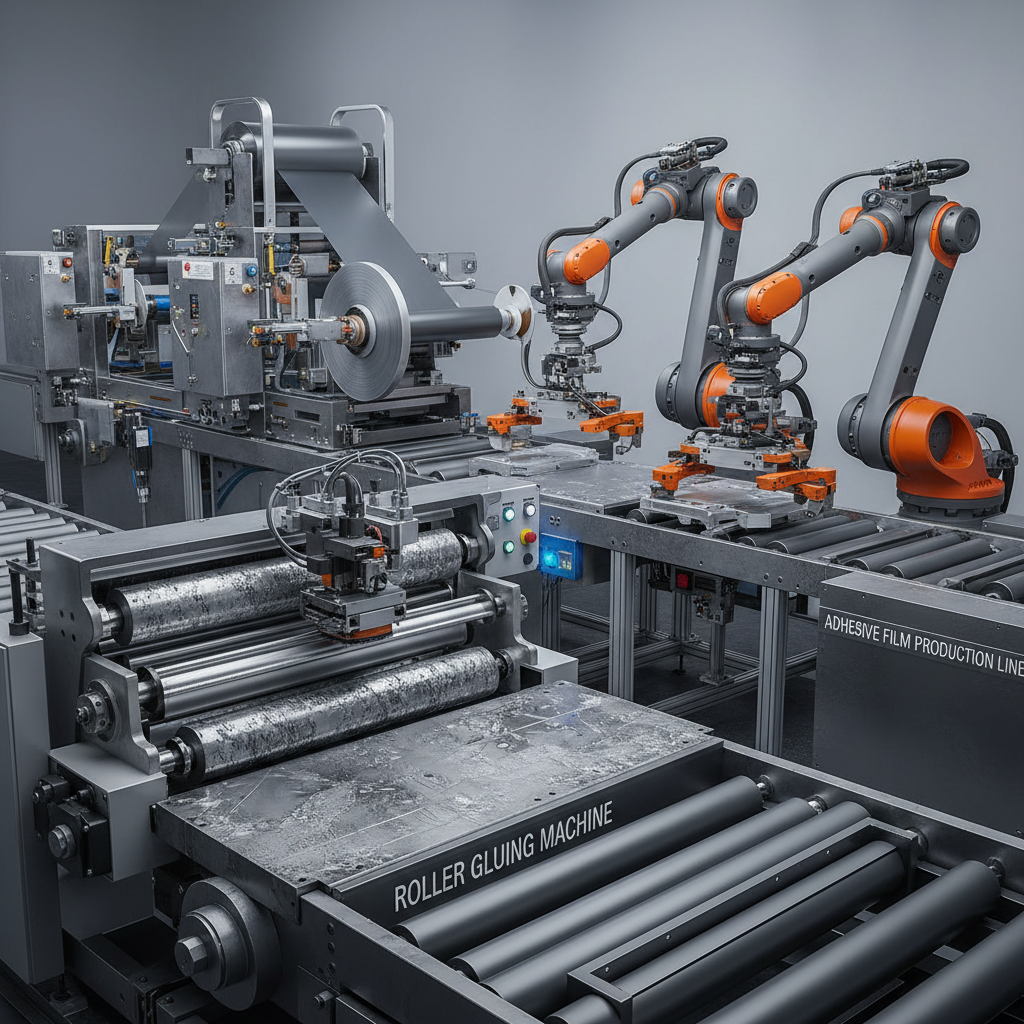
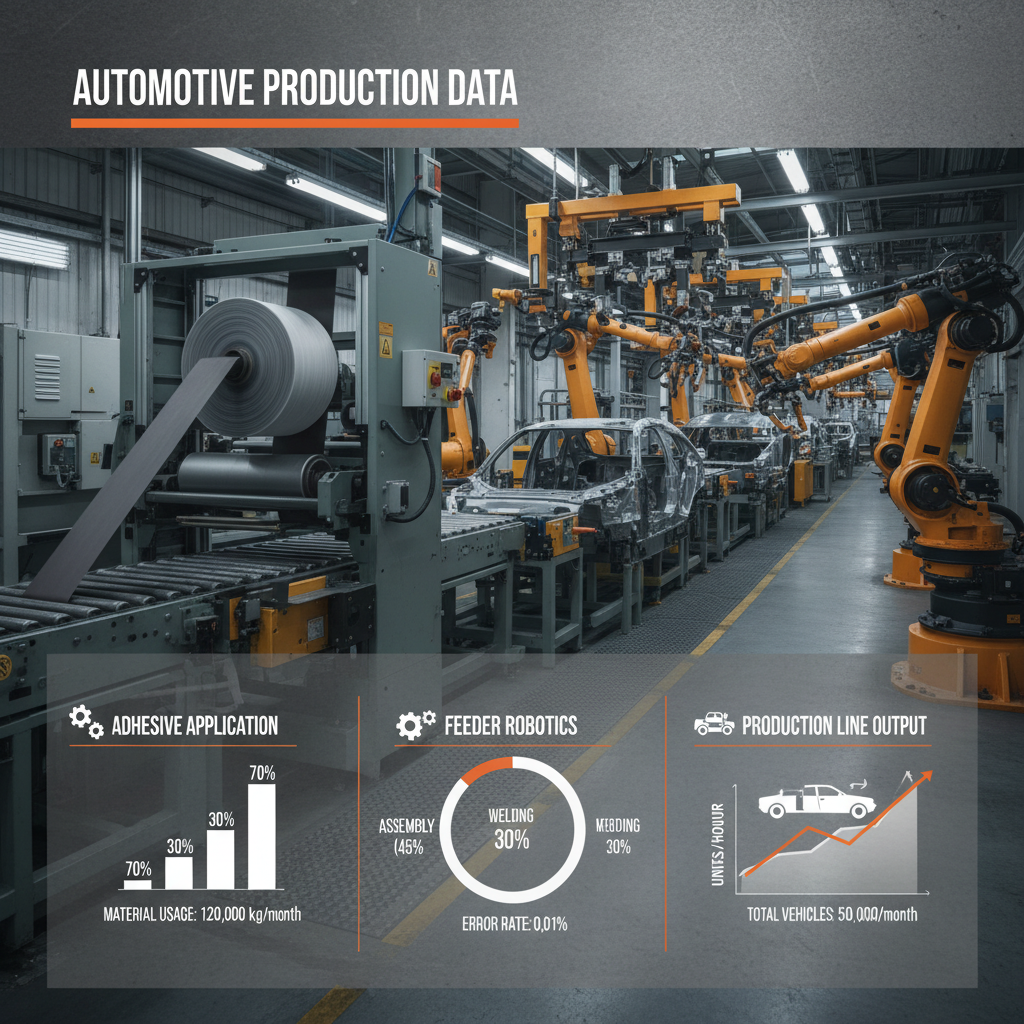
The car manufacturing sector is a significant engine of economic growth worldwide, representing trillions of dollars in revenue and employing millions. The automotive industry directly and indirectly supports jobs in various sectors, including steel production, electronics, textiles (for interiors), and logistics. Its influence extends beyond mere transportation; it drives innovation in materials science, automation, and software development.
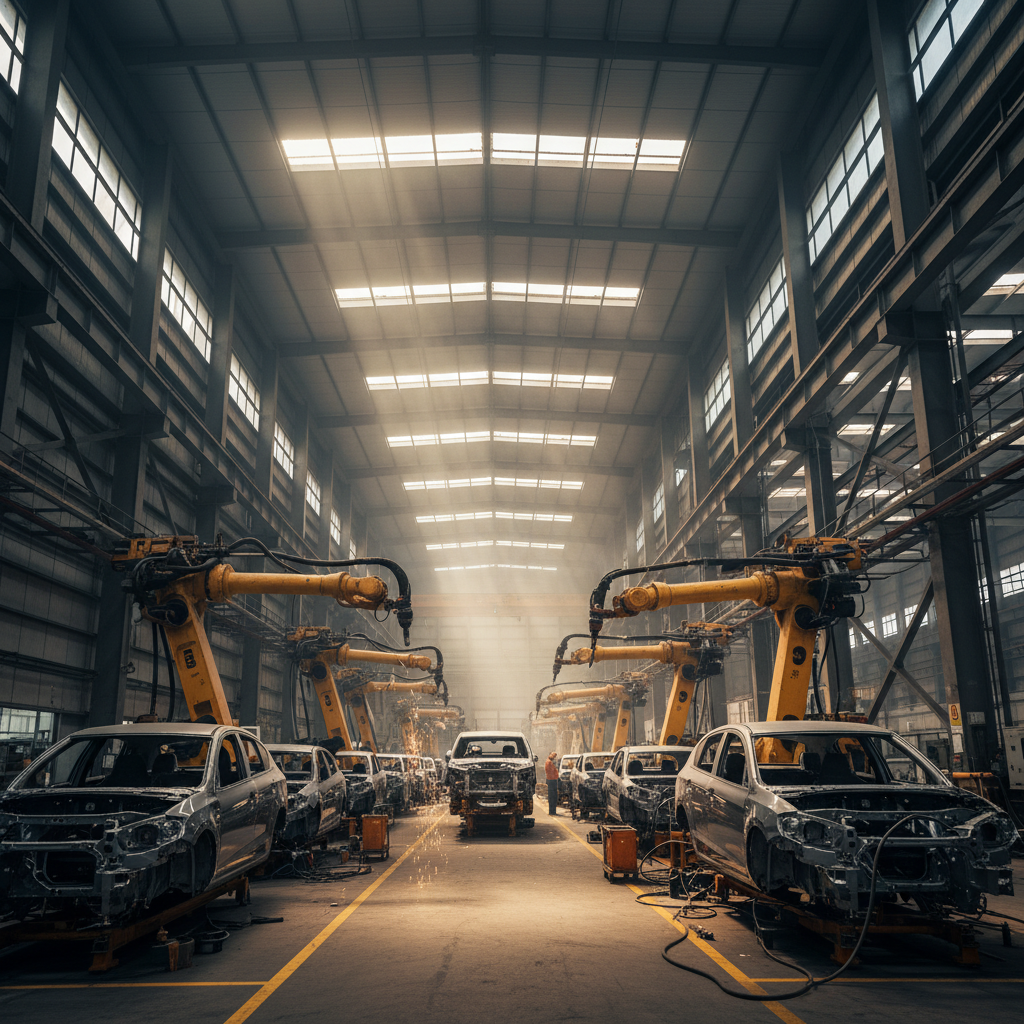
The sector’s importance is underscored by its consistent contribution to global trade. Cars and automotive components are among the most traded commodities, connecting manufacturers and consumers across international borders. As emerging markets grow, the demand for automobiles continues to rise, making the car manufacturing sector a critical component of global economic development. car manufacturing sector requires efficient production lines.
Automating headliner assembly offers several key benefits within the car manufacturing sector. Primarily, it significantly improves production efficiency and reduces labor costs. Automation ensures consistent quality and precision, minimizing defects and rework. It also enhances worker safety by reducing the need for manual handling of materials and repetitive tasks. Furthermore, automated systems can be easily scaled to meet fluctuating production demands, increasing overall flexibility and responsiveness.
The quality of automotive carpet production lines directly impacts the overall vehicle experience. High-quality carpets contribute to a luxurious and comfortable interior, enhancing the perceived value of the vehicle. Durable carpets withstand wear and tear, maintaining their appearance and functionality over time. Effective carpet production also minimizes odors and allergens, improving air quality within the vehicle. A well-produced carpet contributes to a quieter ride by absorbing sound, enhancing the overall driving experience.
Fabric lamination is crucial for improving the durability of automotive interiors. By bonding multiple layers of materials together, lamination creates a more robust and resilient surface. This process enhances resistance to abrasion, UV degradation, and staining, extending the lifespan of interior components. Lamination also improves the dimensional stability of fabrics, preventing warping or shrinking over time. It provides the foundation for aesthetically pleasing and long-lasting interiors.
Dry production lines for automotive headliners offer several advantages, including reduced environmental impact and lower operating costs. These lines eliminate the need for solvents and adhesives, minimizing VOC emissions and creating a healthier work environment. Dry-formed headliners are often lighter in weight, contributing to improved fuel efficiency. Furthermore, the process is generally faster and more efficient than wet-formed methods, increasing production throughput.
Advanced interior cutting equipment, such as CNC cutting machines and laser cutters, optimizes material usage by precisely cutting fabrics and other interior materials. This minimizes waste and reduces raw material costs. These machines can also handle complex shapes and patterns with high accuracy, improving the fit and finish of interior components. Software optimization and nesting algorithms further enhance material efficiency, reducing scrap rates and maximizing yield.
High-quality dies and forms are fundamental to producing consistent and accurate automotive interior components. They ensure that parts are manufactured to precise specifications, maintaining proper fit and functionality. Durable dies and forms minimize downtime and reduce the need for frequent replacements. Precision tooling also contributes to a higher quality surface finish and reduced material waste. Investing in quality tooling is essential for achieving optimal production efficiency and product reliability.
In conclusion, the car manufacturing sector is a dynamic and vital force in the global economy, driven by innovation, efficiency, and a constant pursuit of improvement. The core components and critical factors influencing production, from advanced equipment like our specialized assembly lines to the embrace of sustainable practices, are essential for long-term success. Understanding these elements allows manufacturers to navigate the challenges and capitalize on the opportunities within this evolving landscape.
Looking ahead, the car manufacturing sector will continue to be shaped by technological advancements, evolving consumer preferences, and increasing environmental concerns. Companies that prioritize automation, sustainability, and data-driven decision-making will be best positioned to thrive in the future. Visit our website at www.headliningline.com to learn more about how we can help you optimize your automotive interior production processes.