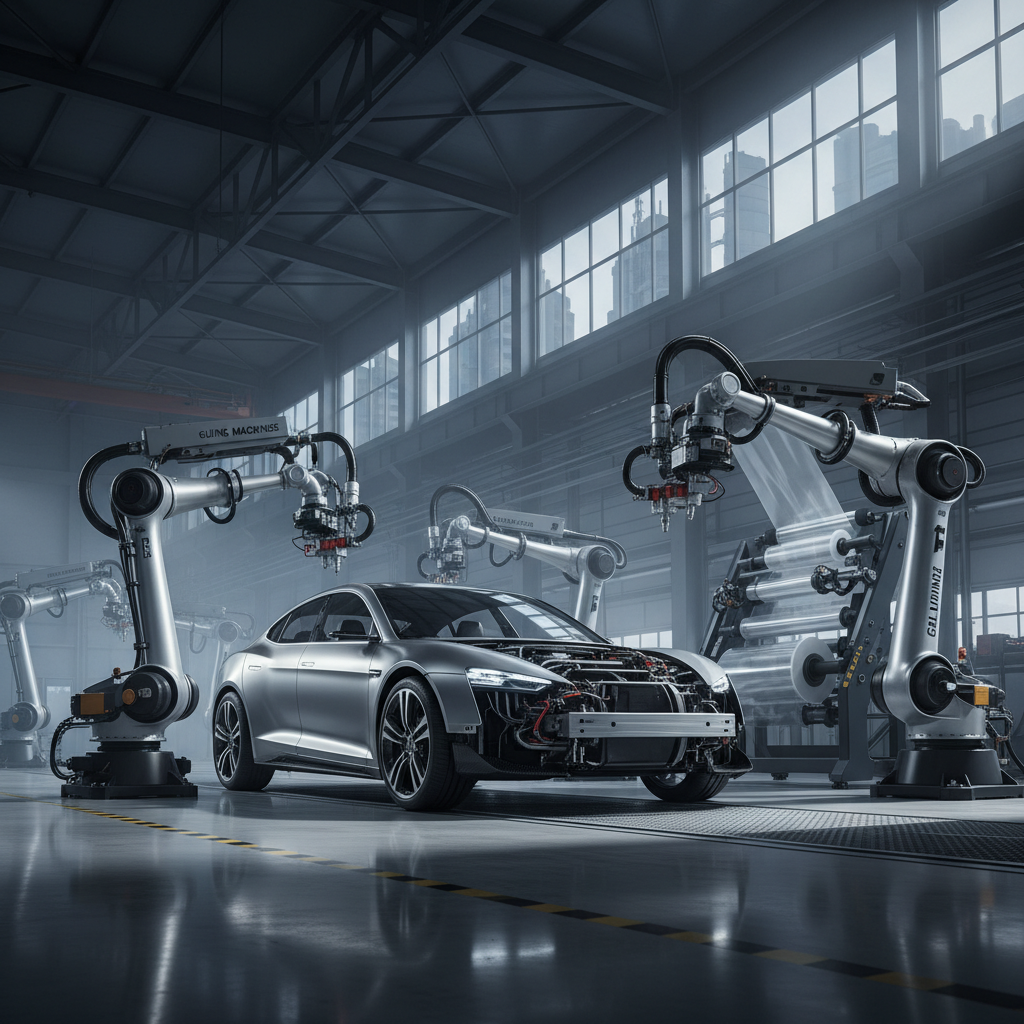
Automotive manufacturing services are the backbone of modern transportation, a global industry that touches nearly every corner of the planet. From the family sedan to heavy-duty trucks, the complex process of designing, engineering, and assembling vehicles requires specialized expertise and infrastructure. The scale is immense – millions of vehicles are produced annually, representing trillions of dollars in economic activity. Understanding the nuances of these services – from tooling and stamping to painting and final assembly – is crucial for businesses looking to compete in this dynamic market. automotive manufacturing services aren't just about building cars; they're about innovation, efficiency, and meeting evolving consumer demands.
The automotive industry is facing unprecedented disruption. The shift towards electric vehicles, autonomous driving technologies, and connected car features is forcing manufacturers to rethink traditional production methods. This requires a flexible and agile approach to manufacturing, demanding services that can adapt to rapidly changing designs and technologies. Furthermore, global supply chain challenges, geopolitical uncertainties, and increasing pressure for sustainability are adding layers of complexity. Effective automotive manufacturing services are now essential not just for production, but for navigating these turbulent times.
Ultimately, the success of any automotive manufacturer hinges on the quality, cost, and speed of its manufacturing process. That’s where specialized services come in. Whether it’s optimizing assembly lines, sourcing specialized components, or implementing advanced quality control measures, leveraging expert automotive manufacturing services is no longer a luxury, but a necessity for survival and growth.
The Global Landscape of Automotive Manufacturing Services
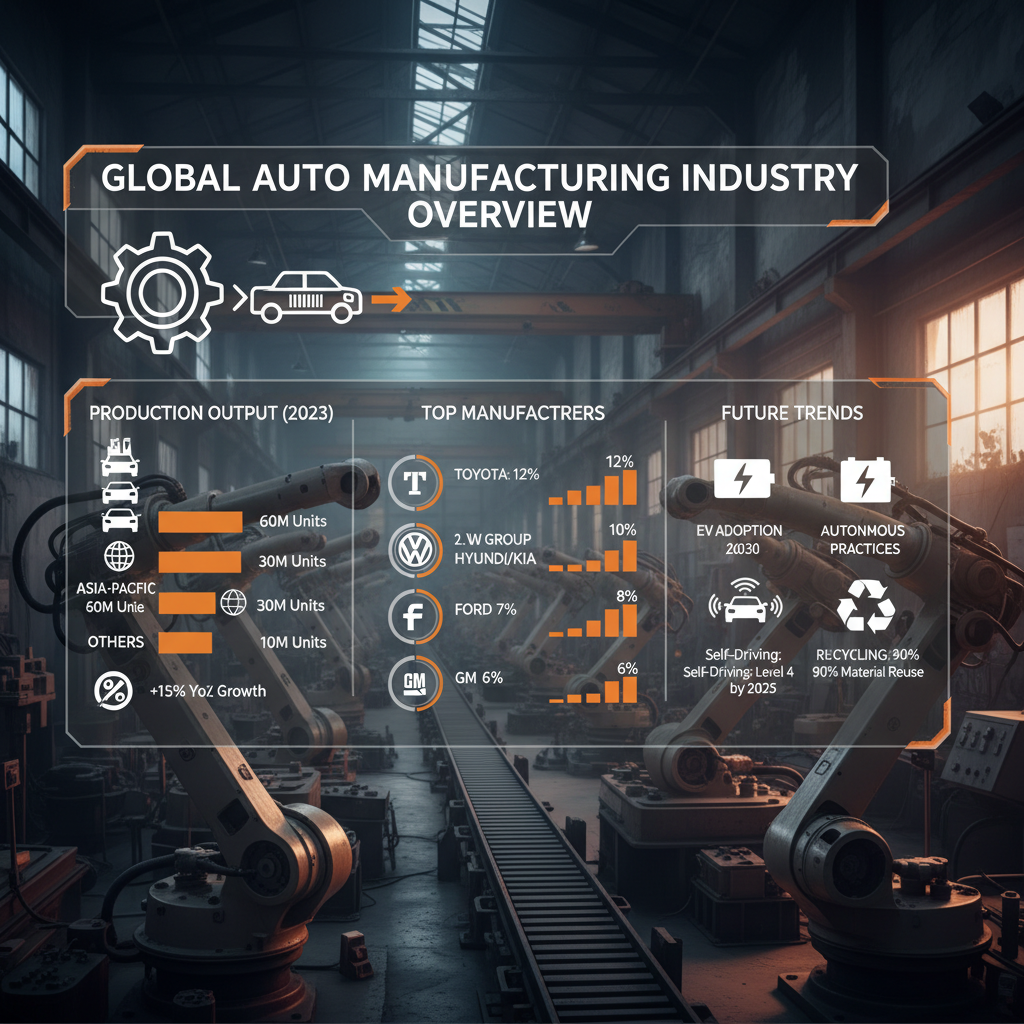
The automotive industry is a truly global operation. Production isn't concentrated in a single region; it’s a complex network spanning Asia, Europe, and North and South America. According to the International Organization of Motor Vehicle Manufacturers (OICA), Asia accounted for over 50% of global vehicle production in 2023. China is the dominant force, producing over 30% of all vehicles worldwide. But Europe and North America still represent significant manufacturing hubs, particularly for high-end and specialized vehicles. automotive manufacturing services must therefore operate on a global scale, navigating diverse regulations, supply chains, and labor markets.
This global complexity presents challenges. Recent disruptions, such as the COVID-19 pandemic and geopolitical tensions, have exposed vulnerabilities in the supply chain. Manufacturers are increasingly seeking to diversify their sourcing and build more resilient supply networks. Furthermore, the push for sustainability and the transition to electric vehicles are driving demand for new materials, manufacturing processes, and skilled labor, creating both opportunities and challenges for automotive manufacturing services providers.
Defining Automotive Manufacturing Services
At its core, automotive manufacturing services encompass all the processes involved in transforming raw materials into finished vehicles. This extends far beyond simple assembly. It includes everything from initial design and prototyping, tooling and die-making, stamping, welding, painting, and powertrain assembly, to final quality control and logistics. Many OEMs (Original Equipment Manufacturers) don't handle all these processes in-house; they outsource to specialized providers.
These services aren't just about physical production. Increasingly, they incorporate digital technologies, such as advanced modeling and simulation, predictive maintenance, and data analytics. The goal is to optimize efficiency, reduce costs, and improve quality throughout the entire manufacturing process. The connection to modern industry stems from the need for specialization and efficiency – automakers focus on design and marketing while leveraging expert partners for the complexities of manufacturing.
Think of it like this: building a car is like building a house. You need architects, plumbers, electricians, and carpenters. Automotive manufacturing services provide those specialized skills and resources, allowing automakers to focus on what they do best - creating vehicles that people want to drive.
Core Components of Effective Automotive Manufacturing
Durability is paramount in automotive manufacturing. Vehicles are expected to withstand harsh conditions and provide years of reliable service. This demands high-quality materials, robust engineering, and rigorous testing throughout the manufacturing process. Services must focus on ensuring components and assemblies meet stringent durability standards.
Scalability is crucial, particularly for automakers facing fluctuating demand. Manufacturing services must be able to quickly ramp up or down production capacity to meet market needs. This requires flexible manufacturing systems, efficient supply chain management, and a skilled workforce. The ability to adapt is key.
Cost Efficiency is a constant driver in the automotive industry. Manufacturers are always seeking ways to reduce production costs without compromising quality. This requires optimizing processes, streamlining supply chains, and leveraging automation technologies. Services need to demonstrate a clear return on investment.
Key Factors Driving Automotive Manufacturing Success
Innovation is the lifeblood of the automotive industry. New materials, advanced manufacturing techniques, and disruptive technologies are constantly emerging. Manufacturing services must embrace innovation to stay ahead of the curve and deliver cutting-edge solutions. This requires investing in research and development and fostering a culture of continuous improvement.
Quality Control is non-negotiable. Defects can have serious consequences, from vehicle recalls to safety hazards. Robust quality control measures are essential throughout the entire manufacturing process, from incoming materials inspection to final assembly testing. Services must adhere to internationally recognized quality standards, such as ISO 9001 and IATF 16949.
Automotive Manufacturing Services – Key Performance Indicators
Global Applications and Industry Impact
Automotive manufacturing services are applied across the entire spectrum of vehicle production. From high-volume production of passenger cars to specialized manufacturing of commercial vehicles, electric vehicles, and even racing cars, these services play a critical role. Regions with established automotive industries, like Germany, Japan, and the United States, heavily rely on these services.
Emerging markets, such as China and India, are also experiencing rapid growth in automotive manufacturing, driving demand for sophisticated services. In remote industrial zones, automotive manufacturing can provide significant economic development, creating jobs and fostering technological advancements. Even in post-disaster relief operations, the rapid deployment of specialized manufacturing facilities can be critical for producing essential vehicles and equipment.
Long-Term Value and Competitive Advantages
The tangible benefits of leveraging strong automotive manufacturing services are clear: reduced costs, improved quality, faster time-to-market, and increased flexibility. But the long-term value extends beyond these immediate gains. Sustainable manufacturing practices, for example, can reduce environmental impact and enhance brand reputation.
From a broader perspective, access to cutting-edge manufacturing technologies can foster innovation and drive competitive advantage. A reliable and resilient supply chain builds trust with customers and reduces risk. Ultimately, effective automotive manufacturing services contribute to the long-term success and sustainability of the entire automotive ecosystem.
Future Trends and Emerging Technologies
The future of automotive manufacturing is being shaped by several key trends. Automation, driven by robotics and artificial intelligence, is transforming production lines, increasing efficiency, and reducing labor costs. Digital twins – virtual representations of physical assets – are enabling predictive maintenance and optimized performance.
The adoption of sustainable materials and manufacturing processes is gaining momentum, driven by environmental concerns and regulatory pressures. Additive manufacturing (3D printing) is opening up new possibilities for prototyping and customized production. And the rise of the connected car is creating demand for advanced manufacturing services that can integrate software and hardware seamlessly.
These trends aren't just about technology; they're about creating a more efficient, sustainable, and responsive automotive industry. automotive manufacturing services that embrace these changes will be best positioned to succeed in the years to come.
Summary of Key Automotive Manufacturing Challenges and Solutions
| Challenge |
Impact on Manufacturing |
Potential Solutions |
Implementation Cost (1-10) |
| Supply Chain Disruptions |
Production delays, increased costs |
Diversification of suppliers, nearshoring |
7 |
| Skilled Labor Shortage |
Reduced productivity, quality issues |
Training programs, automation |
6 |
| Increasing Complexity of Vehicles |
Higher manufacturing costs, longer lead times |
Modular design, digital manufacturing |
8 |
| Demand for Sustainable Manufacturing |
Increased environmental regulations, consumer pressure |
Use of recycled materials, energy-efficient processes |
5 |
| Data Security Concerns |
Risk of intellectual property theft, production disruption |
Robust cybersecurity measures, data encryption |
9 |
| Rapid Technological Advancements |
Need for constant adaptation and investment |
Collaboration with technology partners, agile manufacturing |
7 |
FAQS
Outsourcing allows automakers to focus on core competencies like design and marketing, while leveraging specialized expertise and advanced technologies from service providers. This can lead to reduced costs, faster time-to-market, and improved quality. It also provides greater flexibility to adapt to changing market demands. A good partner will bring a depth of knowledge and resources that would be costly and time-consuming to develop in-house.
Effective services focus on diversifying sourcing, building strong relationships with multiple suppliers, and implementing robust supply chain management systems. They also leverage data analytics to identify potential risks and proactively mitigate disruptions. Nearshoring and regionalization of supply chains are also becoming increasingly popular strategies.
Automation, through robotics and AI, is revolutionizing automotive manufacturing. It increases efficiency, reduces labor costs, and improves quality. Automated systems can perform repetitive tasks with greater precision and speed, while AI-powered systems can optimize processes and predict maintenance needs. It’s a key component of staying competitive.
Services are investing in new technologies and processes specifically tailored to EV production. This includes battery assembly, electric motor manufacturing, and specialized welding techniques. They're also developing expertise in lightweight materials and energy-efficient manufacturing practices to meet the unique demands of EVs.
Key standards include ISO 9001 (quality management system) and IATF 16949 (automotive quality management system). These standards ensure that processes are in place to consistently deliver high-quality products that meet customer expectations and regulatory requirements. Compliance with these standards is often a prerequisite for working with major automakers.
Conduct thorough due diligence, including site visits, audits, and reference checks. Evaluate their experience, expertise, capacity, and commitment to quality. Look for providers with a proven track record of success and a strong understanding of the automotive industry. A clear assessment of their technology and innovation capabilities is also crucial.
Conclusion
Automotive manufacturing services are fundamental to the global transportation industry, evolving rapidly to meet new challenges and opportunities. From navigating complex supply chains to embracing innovative technologies like automation and sustainable materials, these services are critical for automakers seeking to remain competitive. A focus on durability, scalability, cost efficiency, and quality control is paramount.
Looking ahead, the demand for automotive manufacturing services will only continue to grow as the industry undergoes a period of unprecedented transformation. Automakers that strategically partner with experienced and forward-thinking service providers will be best positioned to capitalize on the future of mobility. Visit our website at www.headliningline.com to learn how we can help you navigate these challenges and achieve your manufacturing goals.