Automobile production is a cornerstone of the modern global economy, impacting industries from steel and rubber to logistics and technology. It’s a complex system involving intricate supply chains, advanced manufacturing processes, and substantial capital investment. Understanding this process is crucial for economists, engineers, policymakers, and anyone interested in the forces shaping our world.
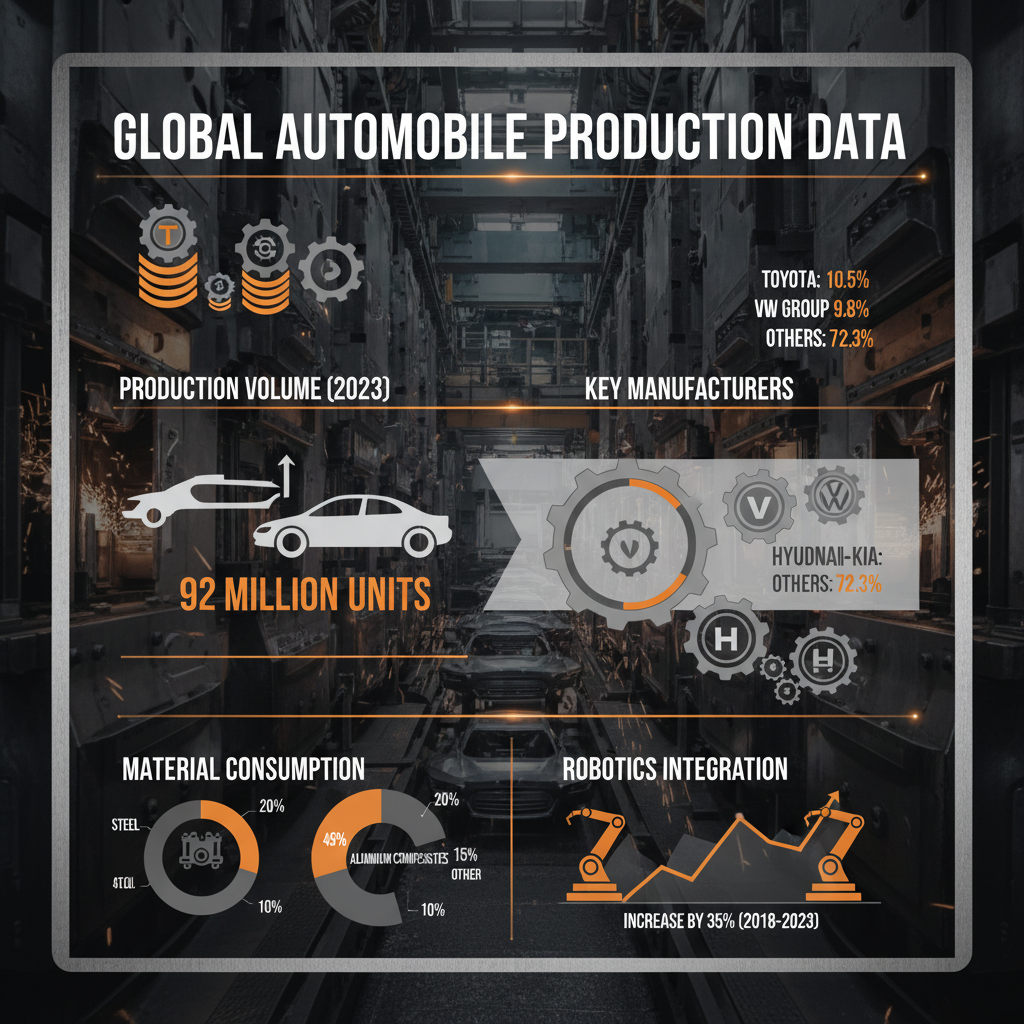
Globally, the automotive industry accounts for approximately 3.3% of the world’s GDP, according to data from the UN Conference on Trade and Development (UNCTAD). Major production hubs include China, the United States, Japan, Germany, and India, each with unique strengths and challenges. The industry is undergoing a rapid transformation, driven by factors like electric vehicle (EV) adoption, autonomous driving technologies, and evolving consumer preferences.
The importance of understanding automobile production extends beyond economic metrics. It’s intrinsically linked to innovation, employment, and societal mobility. Efficient and sustainable automobile production is vital for reducing carbon emissions, improving transportation infrastructure, and enhancing quality of life for billions around the world.
The Global Significance of automobile production
Automobile production isn't merely about assembling vehicles; it’s a vast ecosystem contributing significantly to global economic health. The industry fuels technological advancements in areas like robotics, materials science, and software engineering. Beyond the direct economic impact, efficient automobile production supports related industries – parts suppliers, logistics providers, dealerships, and maintenance services – creating a ripple effect of economic activity.
The industry's geographical distribution also has strategic implications. Nations with robust automobile production capabilities often wield greater economic influence and attract foreign investment. Understanding the dynamics of automobile production is therefore critical for navigating international trade relations and global economic trends.
Defining Automobile Production
Automobile production encompasses all the processes involved in creating motor vehicles, from the initial design and engineering phases to the final assembly and quality control. This includes sourcing raw materials like steel, aluminum, and plastics, manufacturing components such as engines, transmissions, and electronic systems, and integrating these components into a finished vehicle. It’s a remarkably complex undertaking requiring precise coordination between numerous suppliers and specialized manufacturing facilities.
In the context of modern industry, automobile production is a prime example of mass customization. While production lines operate with efficiency, manufacturers also cater to diverse consumer preferences, offering a wide range of models, options, and features. This requires flexible manufacturing systems and advanced supply chain management techniques.
Its connection to humanitarian needs isn’t immediately obvious, but efficient transportation is fundamental to disaster relief, healthcare access, and economic development. Reliable automobile production supports these vital functions by providing affordable and accessible transportation solutions.
Core Components of Efficient automobile production
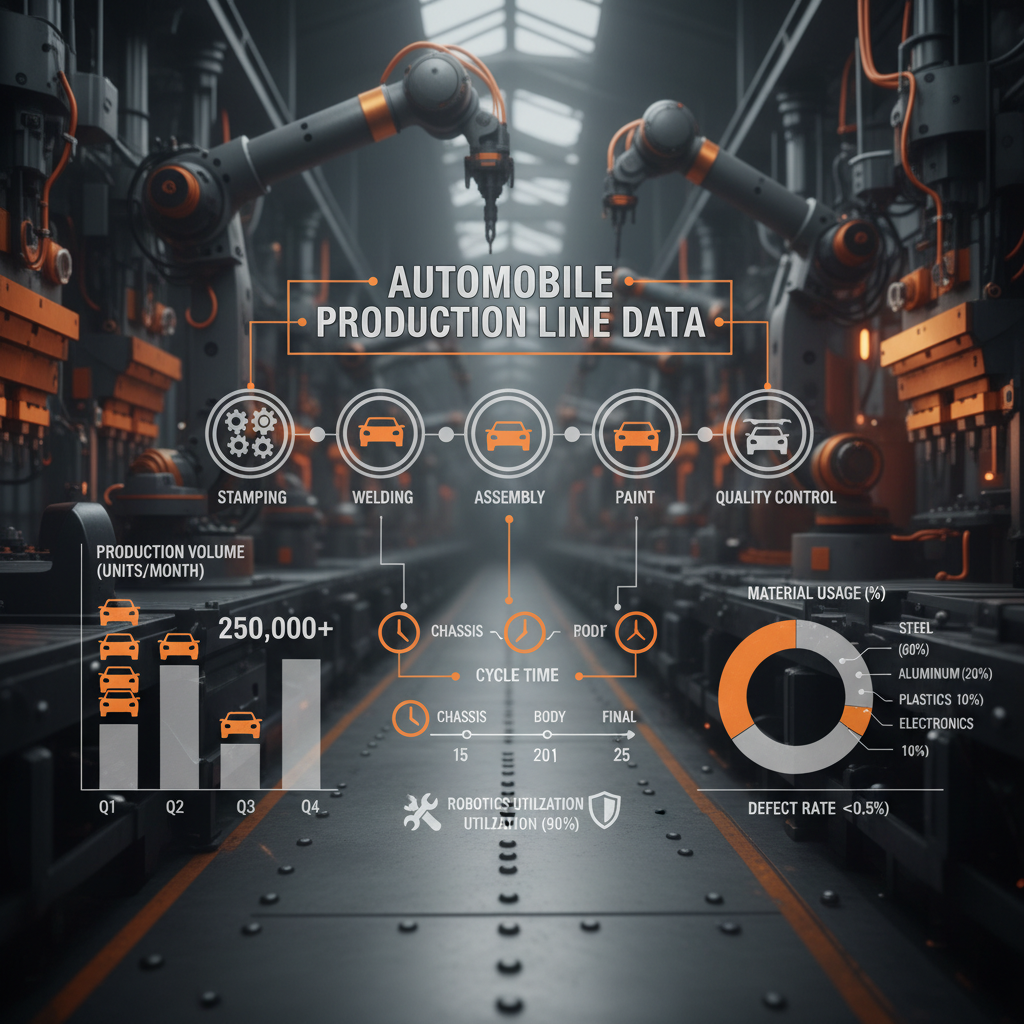
Efficiency in automobile production hinges on several key components. First, supply chain optimization is paramount. A streamlined supply chain ensures the timely and cost-effective delivery of components, minimizing production delays and reducing inventory costs. Second, lean manufacturing principles – eliminating waste and maximizing efficiency at every stage of the process – are essential. This includes techniques like Just-in-Time (JIT) inventory management and continuous improvement (Kaizen).
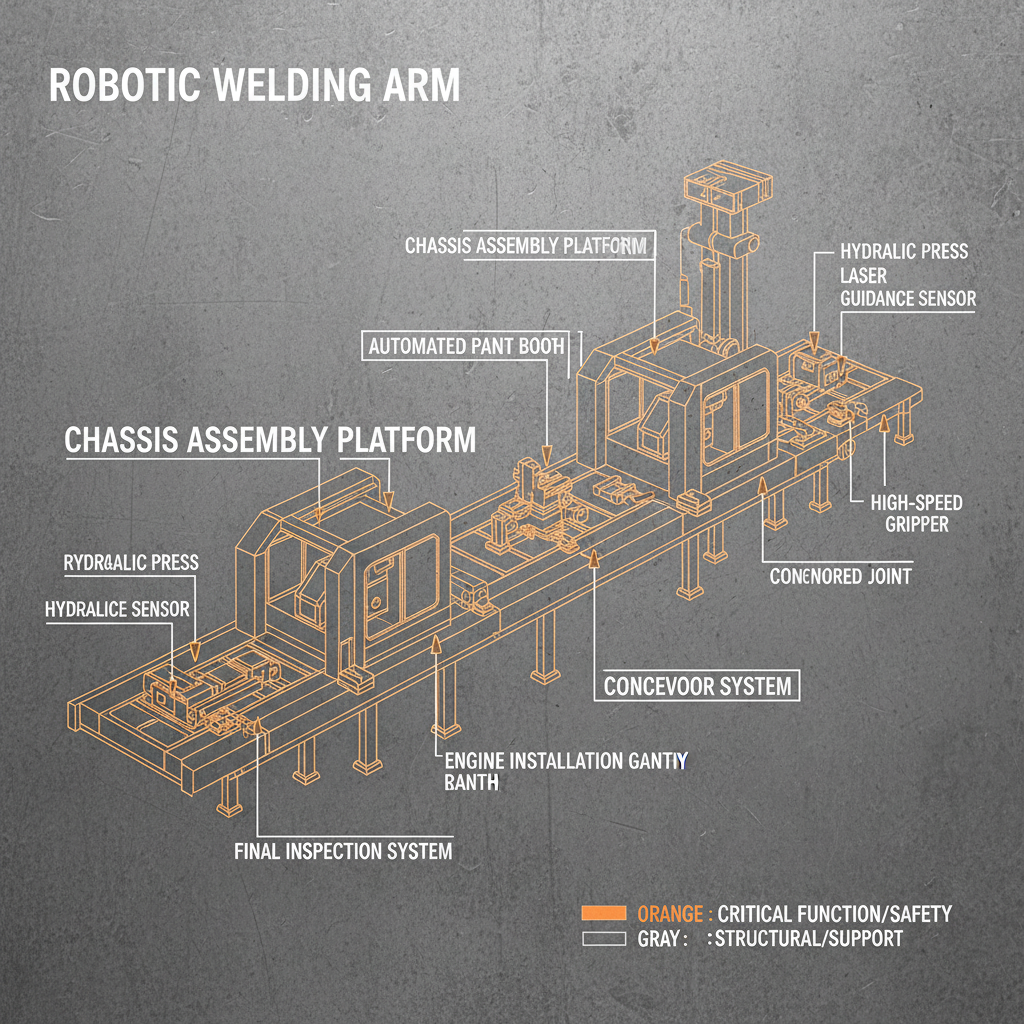
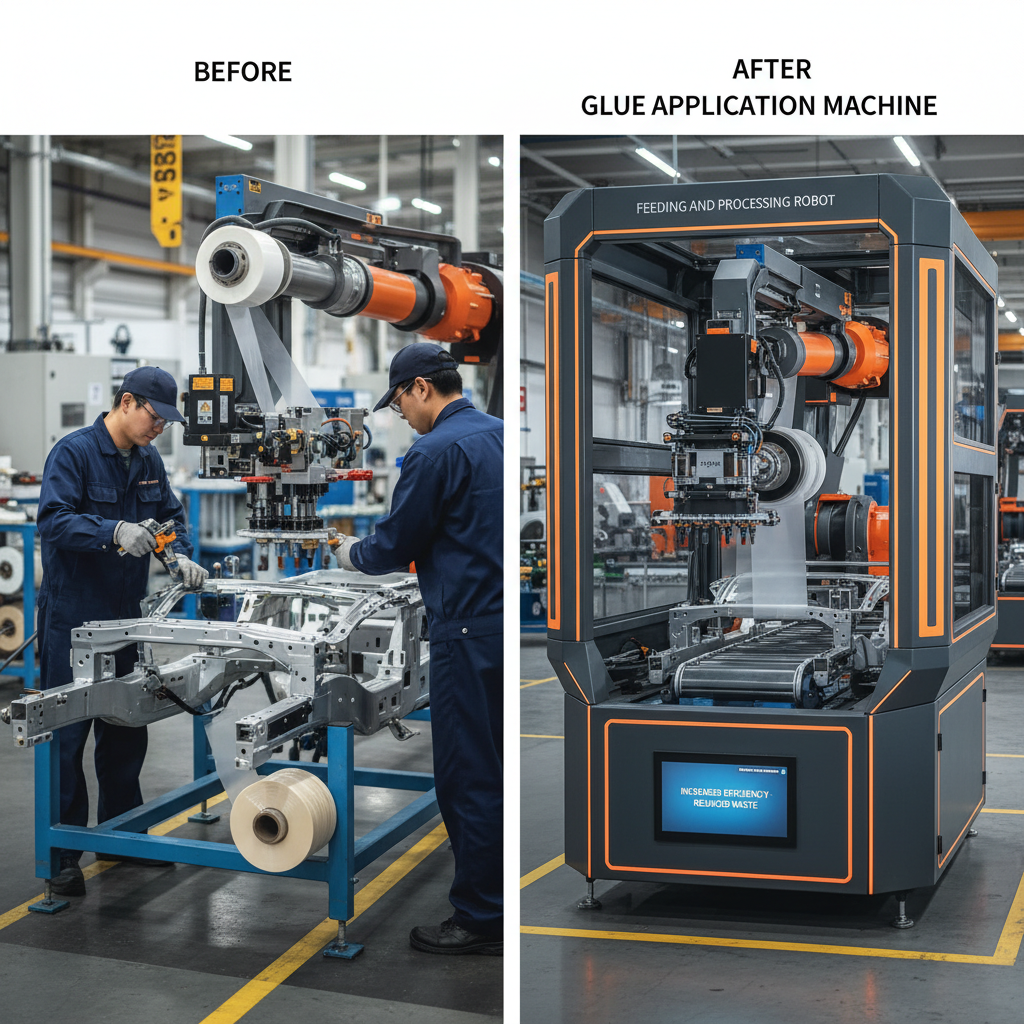
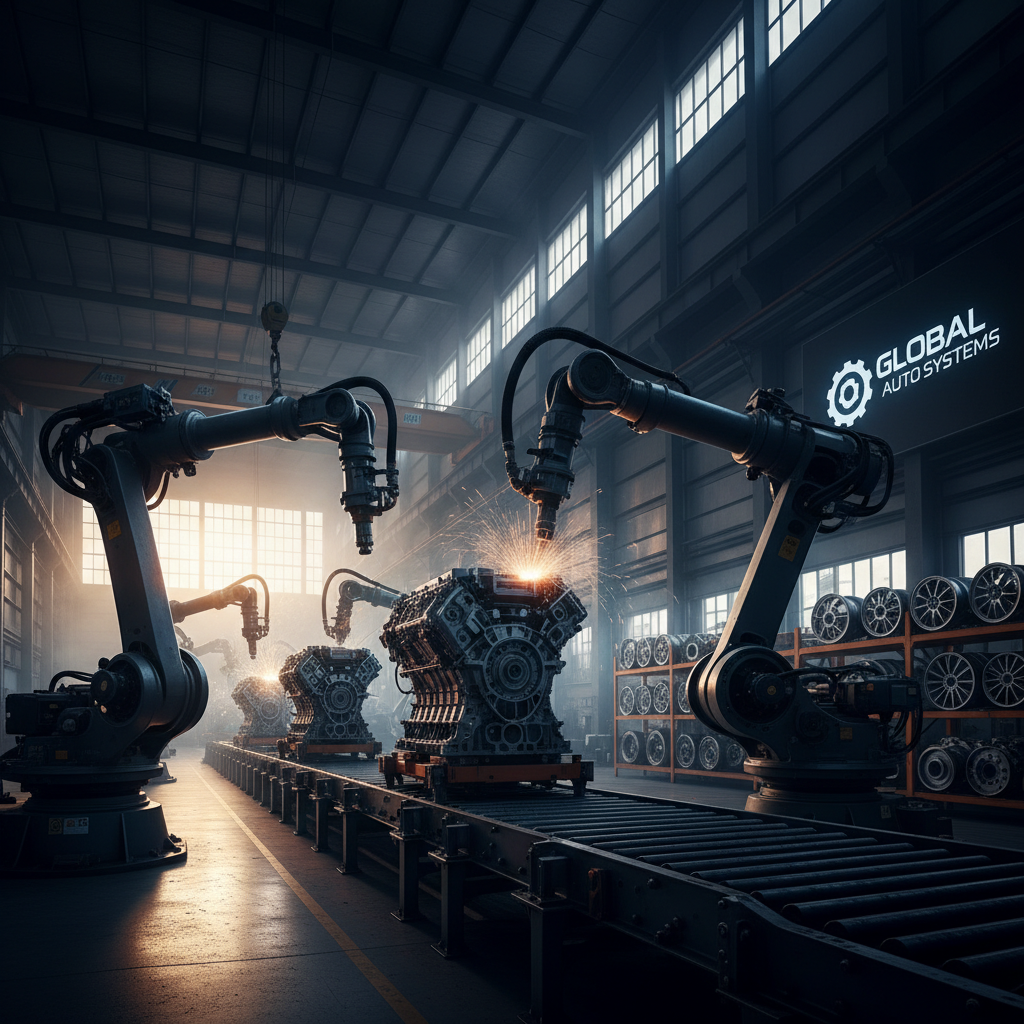
Thirdly, automation and robotics play an increasingly crucial role, enhancing precision, speed, and worker safety. Robots are commonly used for tasks like welding, painting, and assembly. Fourth, quality control systems are vital for ensuring that vehicles meet stringent safety and performance standards. This involves rigorous testing and inspection throughout the production process.
Finally, skilled labor remains a critical component. While automation is increasing, human expertise is still needed for complex tasks, problem-solving, and quality assurance. Investing in workforce training and development is essential for maintaining a competitive edge in automobile production.
Key Factors Influencing automobile production
Several factors fundamentally influence automobile production. Material costs – including steel, aluminum, plastics, and semiconductors – significantly impact overall production expenses. Fluctuations in these costs can disrupt supply chains and affect vehicle pricing. Labor costs are also a key consideration, particularly in regions with strong labor unions or high minimum wage laws.
Technological advancements continually reshape automobile production. The adoption of new technologies, such as electric vehicle powertrains, autonomous driving systems, and advanced manufacturing techniques, requires substantial investment and workforce adaptation.
Comparison of automobile production Methods
Global Applications of automobile production
Automobile production impacts nearly every corner of the globe. In developed economies like Germany and Japan, it’s a sophisticated, technology-driven industry focused on high-quality vehicles and innovation. In emerging markets like China and India, automobile production is rapidly expanding, driven by growing domestic demand and lower labor costs.
In post-disaster relief operations, robust 4x4 vehicles are essential for delivering aid to remote areas. In remote industrial zones, reliable trucks and commercial vehicles are vital for transporting materials and workers. The automotive industry also contributes significantly to national security by providing vehicles for military and law enforcement purposes.
Advantages and Long-Term Value of automobile production
The advantages of thriving automobile production are multifaceted. Economically, it generates substantial revenue, creates jobs, and stimulates innovation. Socially, it provides essential transportation solutions, enhancing mobility and connectivity. From a sustainability perspective, ongoing efforts to develop electric vehicles and fuel-efficient technologies contribute to reducing carbon emissions and mitigating climate change.
The long-term value lies in its capacity for continuous improvement. Investments in research and development drive technological advancements, leading to safer, more efficient, and more sustainable vehicles. Trust in automobile manufacturers is crucial, built on a foundation of quality, reliability, and safety.
Future Trends in automobile production
The future of automobile production is being shaped by several key trends. The transition to electric vehicles (EVs) is accelerating, requiring significant investments in battery technology, charging infrastructure, and new manufacturing processes. Autonomous driving technologies are also poised to revolutionize the industry, potentially leading to safer and more efficient transportation systems.
Digital transformation, including the use of artificial intelligence, big data analytics, and the Internet of Things (IoT), is optimizing production processes, improving supply chain management, and enhancing vehicle performance. Sustainability is increasingly important, with manufacturers focusing on reducing waste, using recycled materials, and minimizing their environmental footprint.
Summary of Key Future Trends in automobile production
| Trend Category |
Key Drivers |
Impact on automobile production |
Investment Required (1-10) |
| Electrification |
Government Regulations, Consumer Demand |
Shift in Powertrain Manufacturing, Battery Supply Chains |
9 |
| Autonomous Driving |
Safety Concerns, Convenience |
Software Development, Sensor Integration |
8 |
| Connectivity |
Data Analytics, Enhanced User Experience |
Cybersecurity Measures, 5G Integration |
7 |
| Sustainable Materials |
Environmental Awareness, Circular Economy |
Recycled Plastics, Bio-Based Composites |
6 |
| Advanced Robotics |
Increased Efficiency, Reduced Costs |
Flexible Manufacturing Systems, Automated Assembly |
8 |
| Digital Twins |
Process Optimization, Predictive Maintenance |
Real-Time Monitoring, Simulation and Analysis |
7 |
FAQS
The automobile production industry currently faces a confluence of challenges, including supply chain disruptions, particularly regarding semiconductors, rising raw material costs, the transition to electric vehicles requiring massive infrastructure investments, and increasing regulatory pressures regarding emissions standards. Furthermore, the need for reskilling the workforce to adapt to new technologies presents a significant hurdle.
Automation is undeniably changing the job landscape in automobile production, leading to a decline in repetitive manual tasks. However, it's also creating new opportunities in areas like robotics maintenance, data analysis, software engineering, and process optimization. The focus is shifting towards higher-skilled roles requiring technical expertise and problem-solving abilities.
Geopolitical instability significantly impacts automobile production through trade wars, tariffs, and disruptions to global supply chains. Political tensions can restrict access to crucial raw materials, increase production costs, and create uncertainty for manufacturers. Recent events have highlighted the vulnerability of just-in-time supply chains to geopolitical shocks.
Current automobile production has a significant environmental footprint, from resource extraction to manufacturing emissions and end-of-life vehicle disposal. However, substantial improvements are being made through the adoption of electric vehicles, the use of recycled materials, more efficient manufacturing processes, and the development of closed-loop recycling systems.
Government policies play a critical role in shaping automobile production through regulations on emissions, fuel efficiency, and safety standards. Incentives for electric vehicle adoption, investment in charging infrastructure, and support for research and development also significantly influence the industry. Trade policies, such as tariffs and trade agreements, can also have a substantial impact.
Supply chain resilience is paramount in automobile production, as disruptions can halt production lines and lead to significant financial losses. Manufacturers are diversifying their supplier base, building strategic stockpiles of critical components, investing in nearshoring and reshoring initiatives, and implementing advanced supply chain monitoring technologies to mitigate risks.
Conclusion
In conclusion, automobile production is a dynamic and complex industry with far-reaching economic, social, and environmental implications. Understanding its core components, key trends, and emerging challenges is crucial for navigating the evolving landscape of transportation and manufacturing. From optimizing supply chains to embracing sustainable practices and harnessing the power of technological innovation, the future of automobile production hinges on adaptability and a commitment to continuous improvement.
Looking ahead, collaboration between manufacturers, governments, and research institutions will be essential to address the challenges and unlock the full potential of this vital industry. Investing in workforce development, fostering innovation, and prioritizing sustainability will pave the way for a more resilient, efficient, and responsible automobile production ecosystem. To learn more about the advancements in automobile production, visit our website: www.headliningline.com