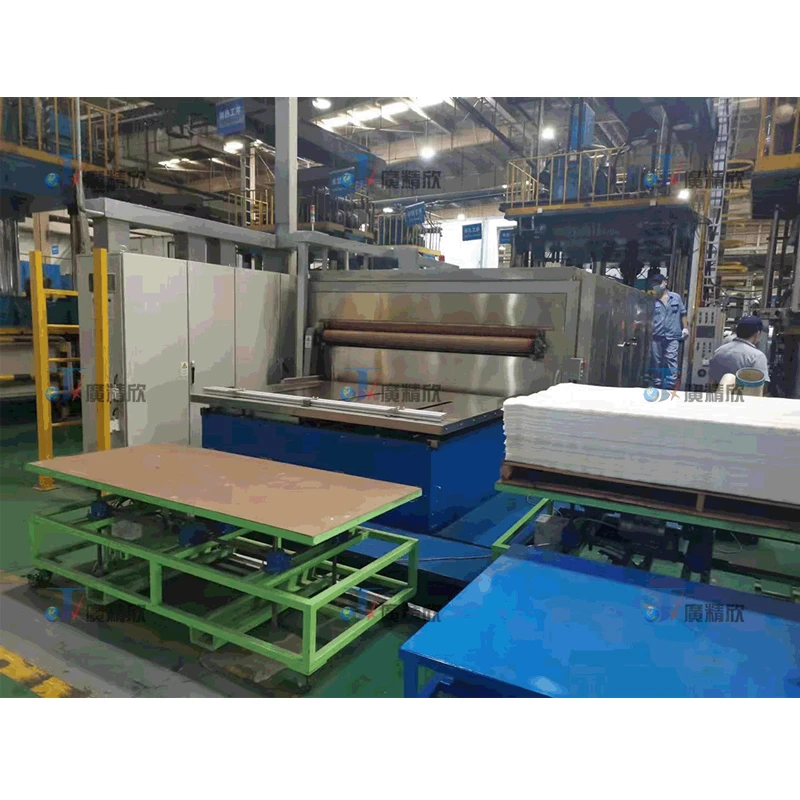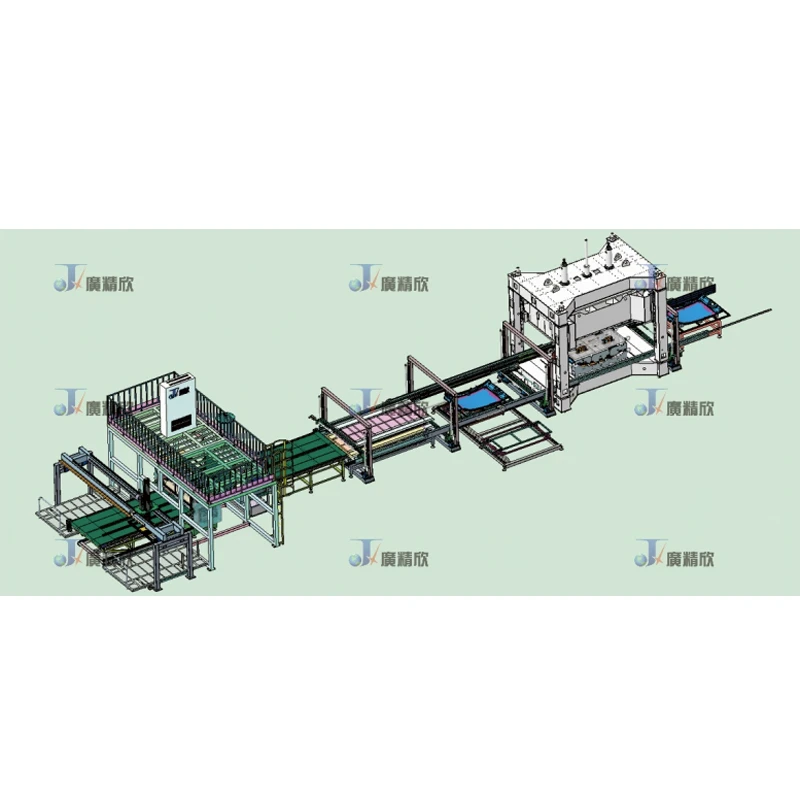
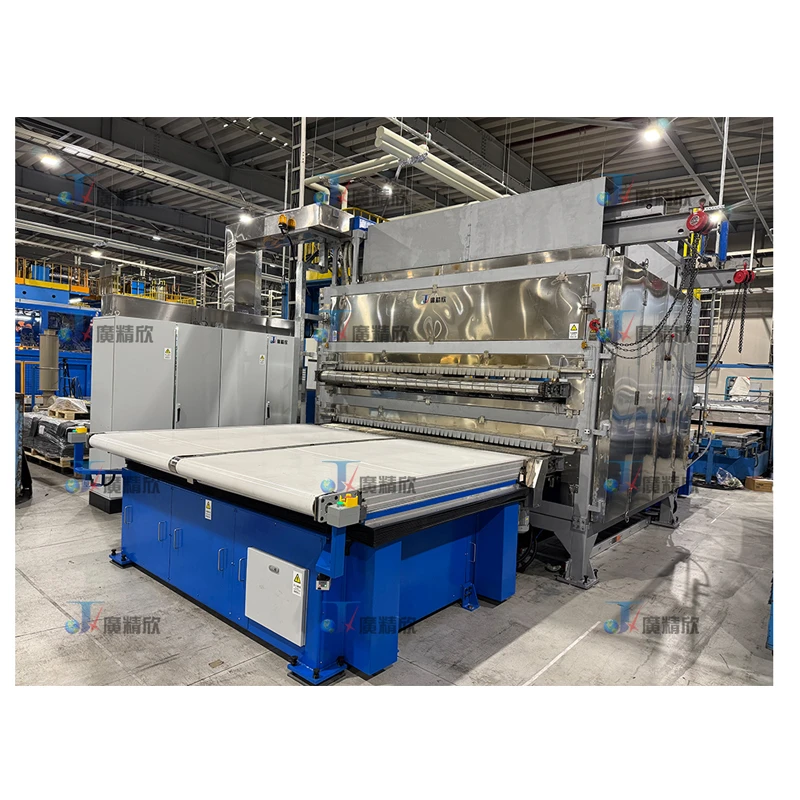
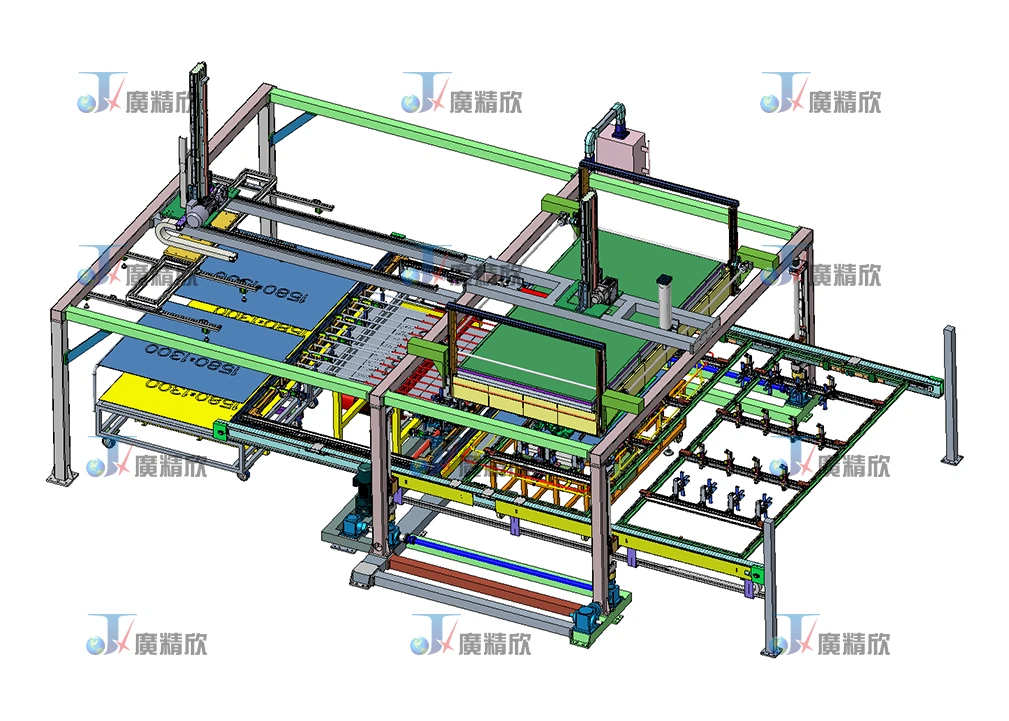
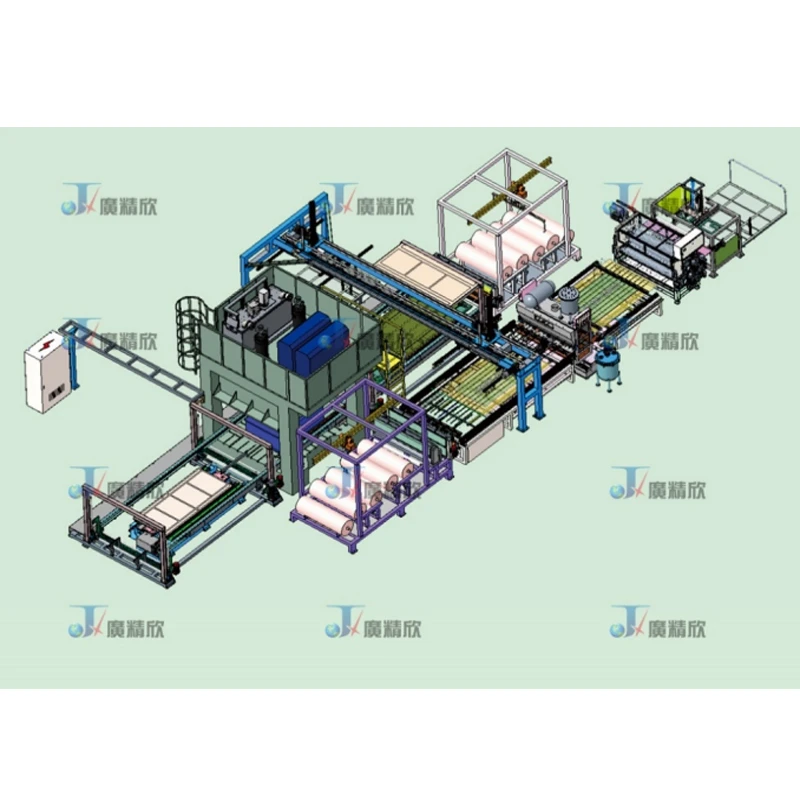
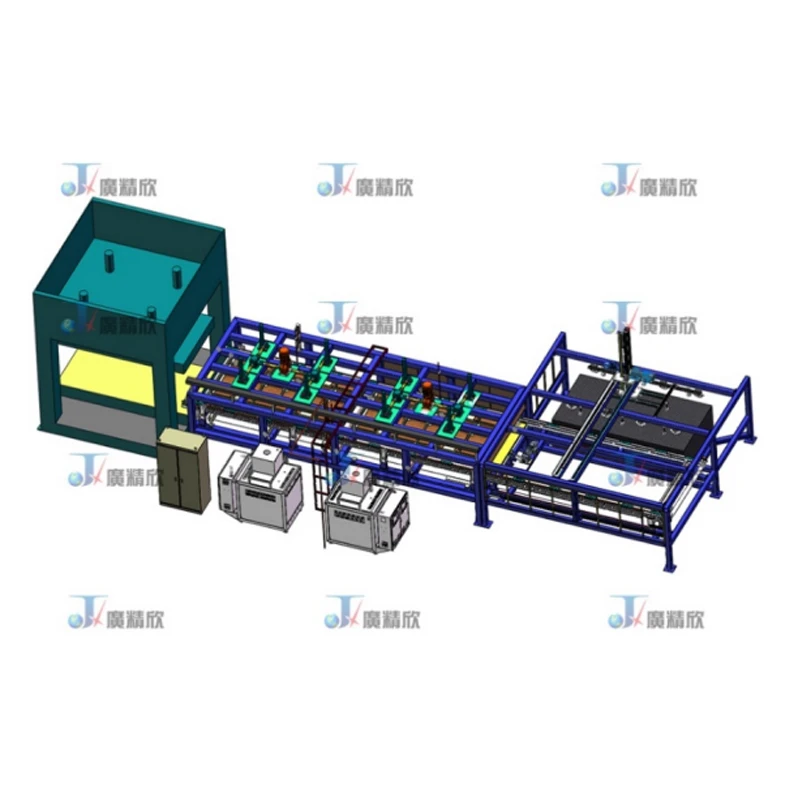
Automotive Interior Solutions in Uganda: High-Efficiency automotive interior machinery

Empowering Uganda's growing automotive assembly sector with precision-engineered automated lines for headlining, carpeting, and fabric cutting.

Automotive Interior Solutions in Uganda: High-Efficiency automotive interior machinery

We provide Uganda's automotive manufacturers with advanced automation to scale production of interior components, ensuring global quality standards for local vehicle assembly plants.

The State of Automotive Interior Production in Uganda

Analyzing the intersection of industrialization and machinery needs in the East African hub.

Currently, Uganda is witnessing a transition from simple vehicle importing to local assembly and component manufacturing. However, many local workshops still rely on semi-manual processes for interior trimming, which limits scalability and results in inconsistent quality of car ceiling assembly machine outputs.

The tropical climate of Uganda, characterized by high humidity and temperature fluctuations, demands interior materials that are durable and resistant to sagging. This creates a critical need for a fully automatic headlining line that can ensure perfect bonding and thermal stability for ceiling fabrics.

Furthermore, the rise of commercial transport (Matatus) and the growth of the logistics sector have increased the demand for durable flooring. Local manufacturers are now seeking an automatic car carpet line to replace labor-intensive hand-cutting, aiming to reduce material waste and increase throughput.
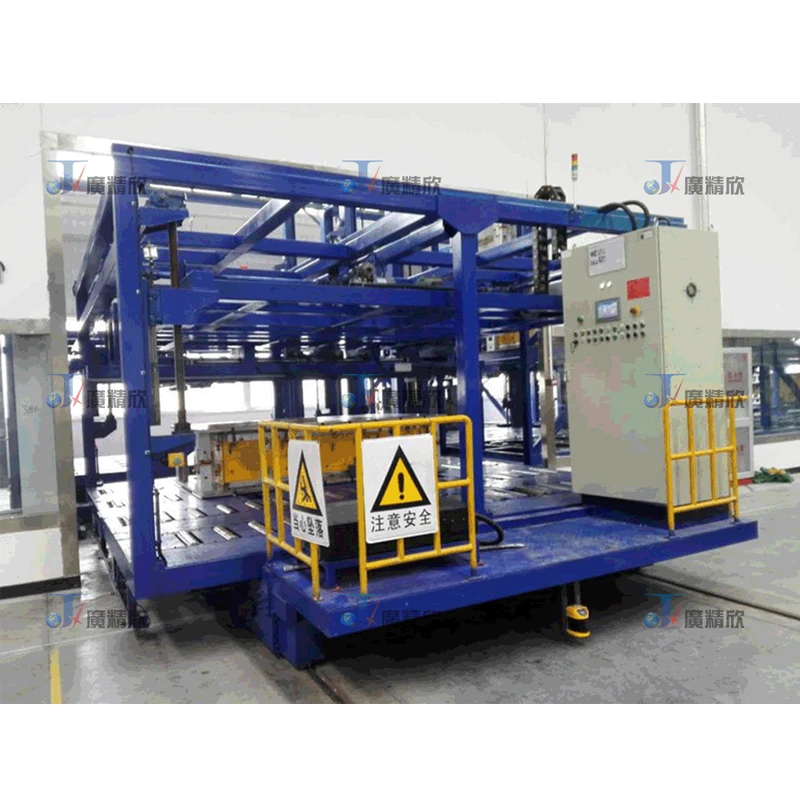
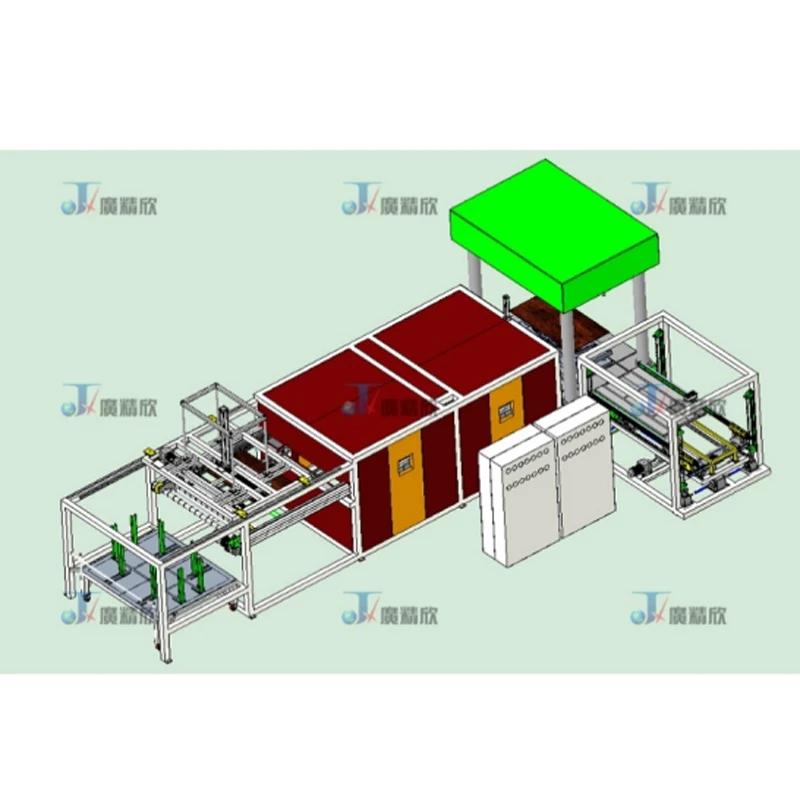
Evolution of Interior Assembly Technology in Uganda

From manual craftsmanship to Industry 4.0 integration.

Market Development History

From 2000 to 2010, Uganda's interior assembly was primarily artisanal, utilizing basic sewing machines and hand-cut foams. Precision was low, and the reliance on imported pre-cut kits was absolute.

Between 2011 and 2020, the introduction of semi-automatic presses and basic pneumatic cutters allowed local firms to start producing simple non-woven components. The focus shifted toward basic efficiency and the initial adoption of non woven fabric cutting line systems for basic shapes.

Since 2021, with the push for "Buy Uganda Build Uganda" (BUBU), there has been a surge in demand for fully integrated automation. The industry is now transitioning toward CNC-controlled machinery to meet the strict tolerances required by modern OEM standards.

Future Development Trends

Eco-friendly Material Integration

Increased adoption of recycled non-woven fibers in Uganda, requiring machinery that can handle varying material densities without compromising bond strength.

Modular Automation Cells

A shift toward modular lines that allow Ugandan factories to start with basic cutting and gradually add automatic bonding and assembly modules as volume increases.

Smart Quality Monitoring

Integration of IoT sensors within the production line to monitor pressure and temperature in real-time, reducing the scrap rate in high-humidity environments.

Industry Trends and Future Outlook for Uganda

Strategizing the next five years of automotive interior manufacturing.

Precision Automation Shift
Transitioning from manual labor to CNC-driven automotive interior machinery to eliminate human error.
Waste Reduction Strategy
Implementing optimized nesting software in the non woven fabric cutting line to lower raw material costs.
Local Supply Chain Integration
Developing local hubs for interior part assembly using high-speed car ceiling assembly machine units.
Capacity Expansion
Scaling output for the East African Community (EAC) market via automatic car carpet line technology.

Industry Outlook

Based on search trends and industrial growth patterns in East Africa, we predict a 15% annual increase in demand for automated interior machinery in Uganda. As the government incentivizes local assembly, the shift from imported semi-finished goods to locally manufactured interiors will accelerate.

The future lies in "Flexible Manufacturing Systems" where a single line can be quickly reprogrammed to switch between different vehicle models, allowing Ugandan SMEs to remain competitive and responsive to market changes.

Localized Application Scenarios in Uganda

Real-world deployments of automotive machinery in the Ugandan market.

01. Kampala Urban Transport Fleet Upgrades

Deploying an automatic car carpet line for the mass refurbishment of commuter taxis, ensuring wear-resistant flooring for high-traffic urban use.

02. Regional OEM Assembly Plants

Integrating a fully automatic headlining line into new vehicle assembly plants to meet strict OEM standards for interior ceiling fitment.

03. Specialized Non-Woven Component Hubs

Establishing dedicated cutting centers using a non woven fabric cutting line to supply multiple small-scale assemblers across Uganda.

04. Luxury Vehicle Interior Customization

Using precision automotive interior machinery to create high-end, custom-fitted ceilings and carpets for the growing executive car market in Entebbe.

05. Automotive Part Export Initiatives

Utilizing a car ceiling assembly machine to produce standardized headliners for export to neighboring South Sudan and Rwanda.

Brand Story

Global Development History of Guangzhou Jingxin Electromechanical Co., Ltd.

Foundation of Excellence

Founded with a vision to revolutionize automotive interiors, we started by mastering the core mechanics of fabric bonding and precision cutting.

Technological Breakthroughs

We developed our first fully automated line, solving the common pain point of uneven adhesive distribution in headlining production.

Global Market Expansion

Expanding beyond Asia, we began adapting our machinery for the unique environmental and electrical requirements of the African market.

Commitment to Sustainability

We integrated energy-saving motors and waste-reduction software into our lines to help clients achieve greener manufacturing.

Empowering Emerging Markets

Our current mission is to provide affordable, high-performance automation to regions like Uganda, fostering local industrial independence.

Common Questions for Ugandan Automotive Manufacturers

Expert answers to technical and logistical concerns regarding interior machinery.

How does a fully automatic headlining line handle high-humidity environments in Uganda?

Our lines feature advanced thermal control and moisture-resistant adhesives specifically calibrated for tropical climates, ensuring no delamination occurs during the bonding process.

What is the installation time for a complete automotive interior machinery set?

Depending on the configuration, a full setup typically takes 2-4 weeks, including calibration and staff training to ensure seamless integration into your Ugandan facility.

Can an automatic car carpet line process locally sourced Ugandan textiles?

Yes, our machinery is designed with adjustable tension and cutting parameters to accommodate various textile densities and materials sourced locally or imported.

Does the car ceiling assembly machine require specialized electrical infrastructure?

Our machines are built with voltage stabilizers and compatible power interfaces to handle the local electrical grids in Uganda, reducing the risk of power-surge damage.

How much material can be saved using a non woven fabric cutting line compared to manual cutting?

Our automated nesting algorithms typically reduce material waste by 15% to 30%, significantly lowering the cost per unit for local producers.

What after-sales support is available for automotive interior machinery in Uganda?

We provide comprehensive remote technical support, detailed video manuals, and an international spare parts logistics chain to ensure minimal downtime for your production.

Ready to Automate Your Production?

Contact our engineering team today to get a customized machinery layout for your plant in Uganda.

Contact Us Now

If you are interested in our products, you can choose to leave your information here, and we will be in touch with you shortly.