The global automotive landscape is undergoing a seismic shift, moving toward smarter, greener, and more personalized vehicles. At the heart of this transformation is the sophisticated process of manufacturing automotive components, which has evolved from simple assembly to a complex orchestration of precision engineering and material science. Understanding the intricacies of this sector is crucial for stakeholders looking to optimize production efficiency and improve vehicle interior quality.
From the ergonomic comfort of the headliner to the acoustic insulation of the wheel house, the quality of interior components directly impacts the end-user's perception of luxury and safety. Modern manufacturing automotive components now requires a seamless integration of automated production lines and sustainable materials to meet stringent international standards. This convergence of technology and design ensures that vehicles are not only functional but also environmentally responsible.
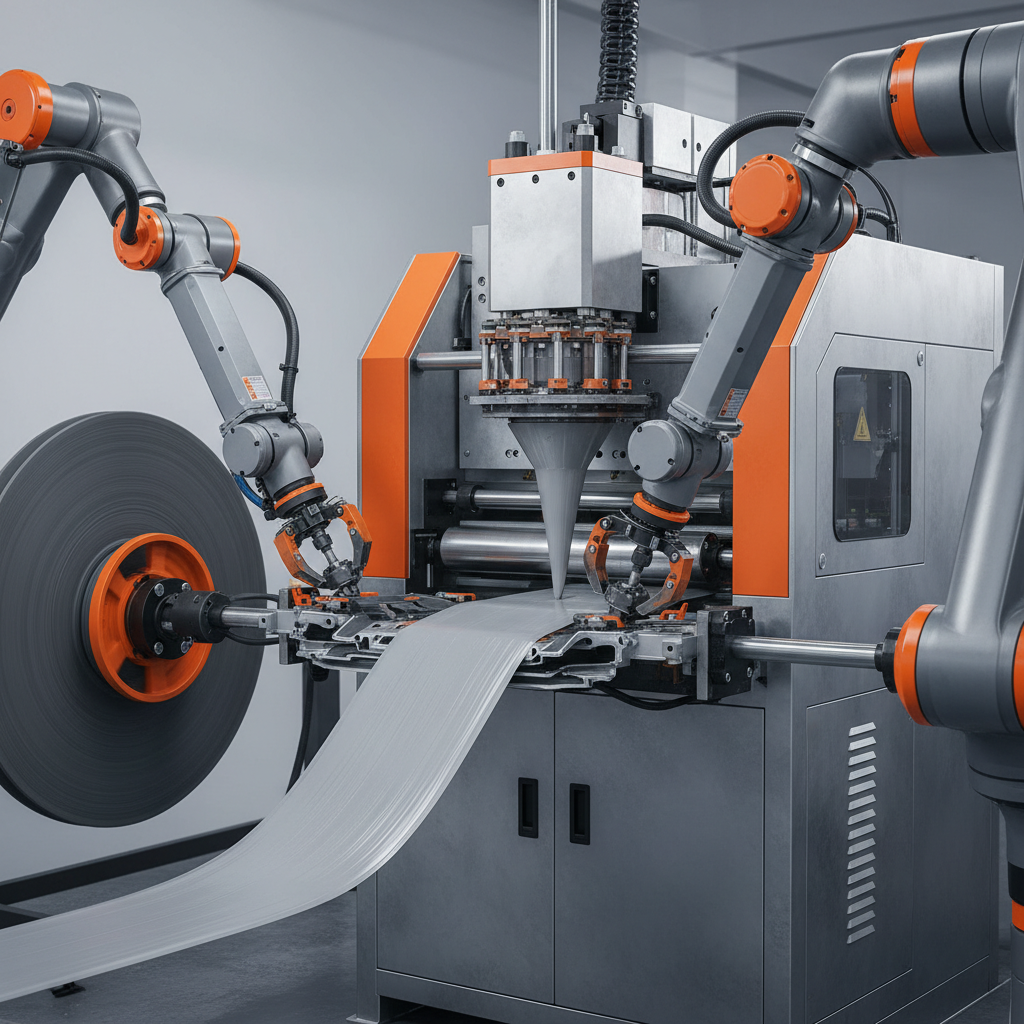
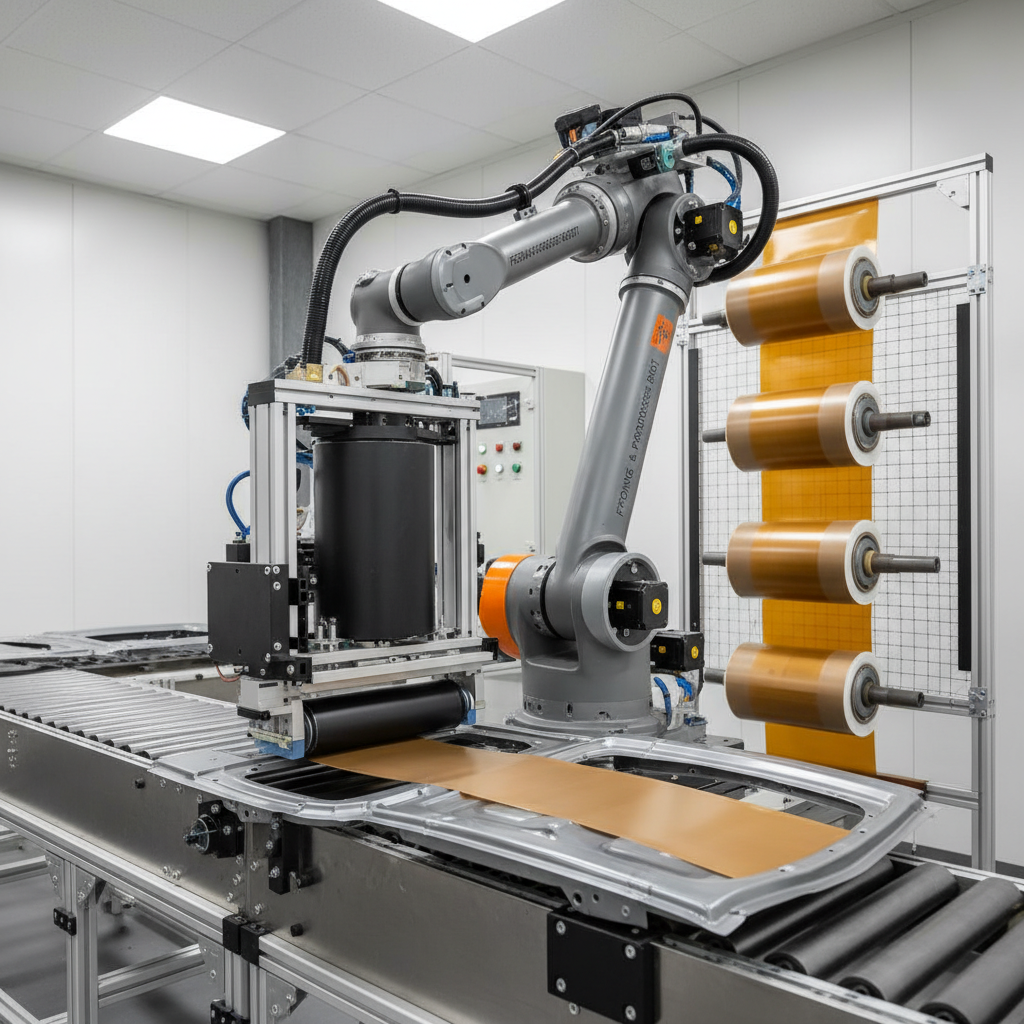
For manufacturers, the challenge lies in balancing high-volume output with the meticulous precision required for custom interior fittings. By adopting advanced lamination and cutting technologies, companies can reduce waste and increase throughput. As we delve deeper into the technical specifications of these production lines, it becomes clear that the future of the industry depends on the ability to scale operations without compromising on the artisanal quality of the vehicle's interior.
The Global Significance of Manufacturing Automotive Components
The global automotive supply chain is a pillar of industrial economy, with the manufacturing automotive components sector contributing trillions to the global GDP. According to ISO standards for automotive quality management (IATF 16949), the precision of interior components is now measured in microns to ensure seamless fitment and passenger safety. This globalized approach allows for a specialized division of labor where dedicated lines for headliners and carpets ensure maximum quality.
However, the industry faces a critical challenge: the transition from traditional internal combustion engine (ICE) vehicles to Electric Vehicles (EVs). EVs demand lighter materials to offset battery weight, forcing a total rethink of how we approach the production of interior sound insulation and fabric lamination. This shift is not merely technical but strategic, requiring a complete overhaul of existing production machinery to accommodate eco-friendly, lightweight polymers.
Defining the Scope of Automotive Interior Production
In simple terms, manufacturing automotive components refers to the systematic process of creating the internal structural and aesthetic elements of a vehicle. This encompasses everything from the primary headliner assembly—the fabric-covered ceiling of the car—to the intricate sound-deadening pads found in the wheel houses. It is a blend of textile engineering, chemical bonding, and mechanical forming.
Beyond the physical parts, this industry serves a deeper humanitarian and social need: safety and psychological comfort. A well-manufactured headliner doesn't just look good; it provides critical thermal insulation and prevents debris from falling on passengers. Similarly, interior sound insulation reduces driver fatigue by minimizing road noise, which directly contributes to safer driving conditions on global highways.
Modern production is categorized into "Wet" and "Dry" processes. Wet production involves resins and molding compounds for rigid shapes, while dry production focuses on lamination and heat-pressing. Together, these methodologies allow manufacturers to create a cohesive interior environment that balances luxury with rugged durability, ensuring the vehicle remains a sanctuary for its occupants.
Core Technical Factors in Component Durability
One of the most critical aspects of manufacturing automotive components is material adhesion. Whether using an Automotive Fabric Lamination Line or a dry pressing process, the bond between the surface fabric and the foam backing must withstand extreme temperature fluctuations—from scorching summer heat to freezing winters—without delaminating.
Scalability in production is equally vital. For a manufacturer to remain competitive, their Interior Cutting Equipment and Form and Die systems must be capable of rapid reconfiguration. This allows the same production line to switch between different vehicle models, ensuring that manufacturing automotive components remains cost-effective even for low-volume, high-end luxury vehicles.
Finally, acoustic performance is a non-negotiable metric. The production of Wheel House and Interior Sound Insulation Pads requires precise density control. If the material is too dense, it adds unnecessary weight; if too porous, it fails to block road noise. Achieving this balance is what separates industry leaders from the rest of the market.
Industrial Applications and Scaling Strategies
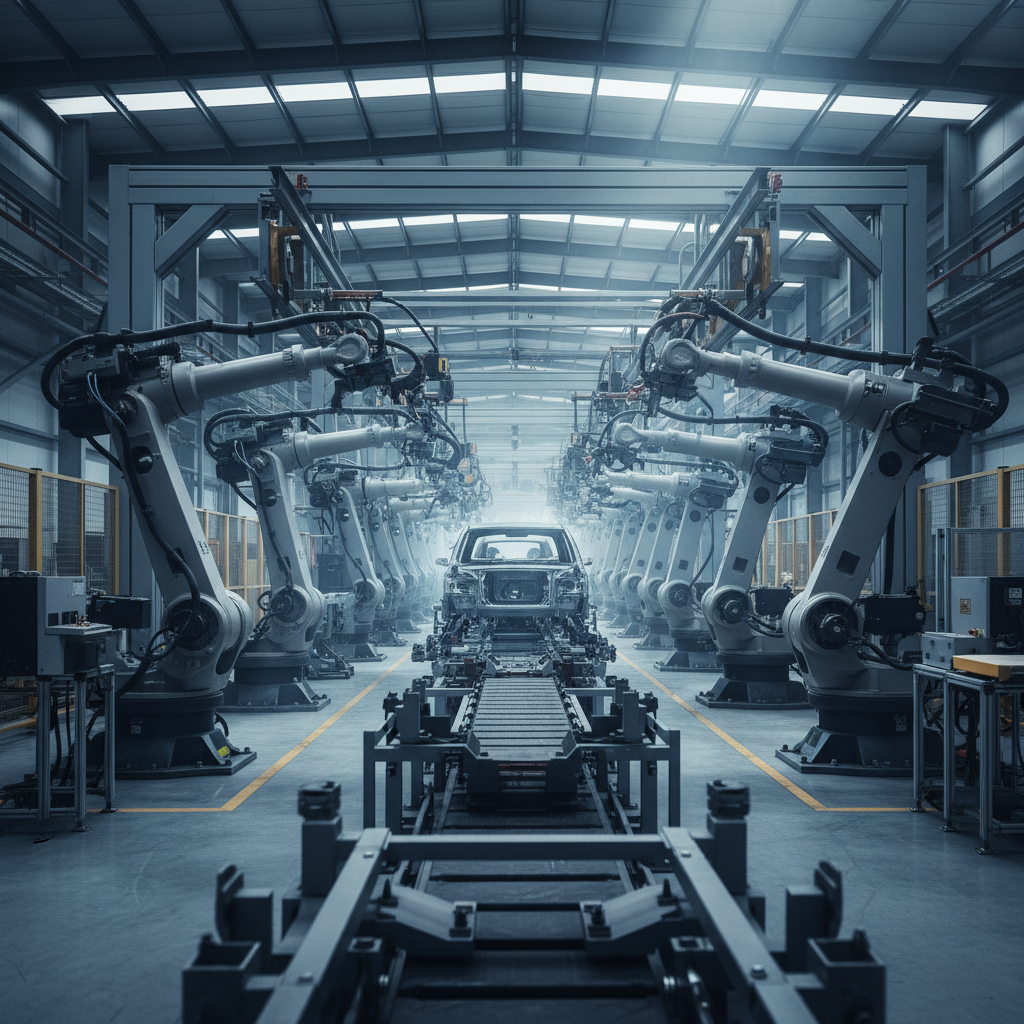
The practical application of manufacturing automotive components is seen in the massive hubs of automotive manufacturing in regions like Germany, Japan, and China. In these zones, integrated production lines for automotive carpets and headliners operate in a Just-In-Time (JIT) sequence, delivering components to the final assembly plant within hours of production to minimize warehouse costs.
Beyond standard passenger cars, these technologies are applied in specialized transport, such as luxury buses and electric shuttles, where the demand for high-ceiling headliners and advanced soundproofing is even greater. By utilizing modular production auxiliary equipment, manufacturers can rapidly scale their output to meet sudden spikes in market demand for new vehicle launches.
Production Efficiency Rating by Component Line
Economic and Environmental Advantages of Modern Lines
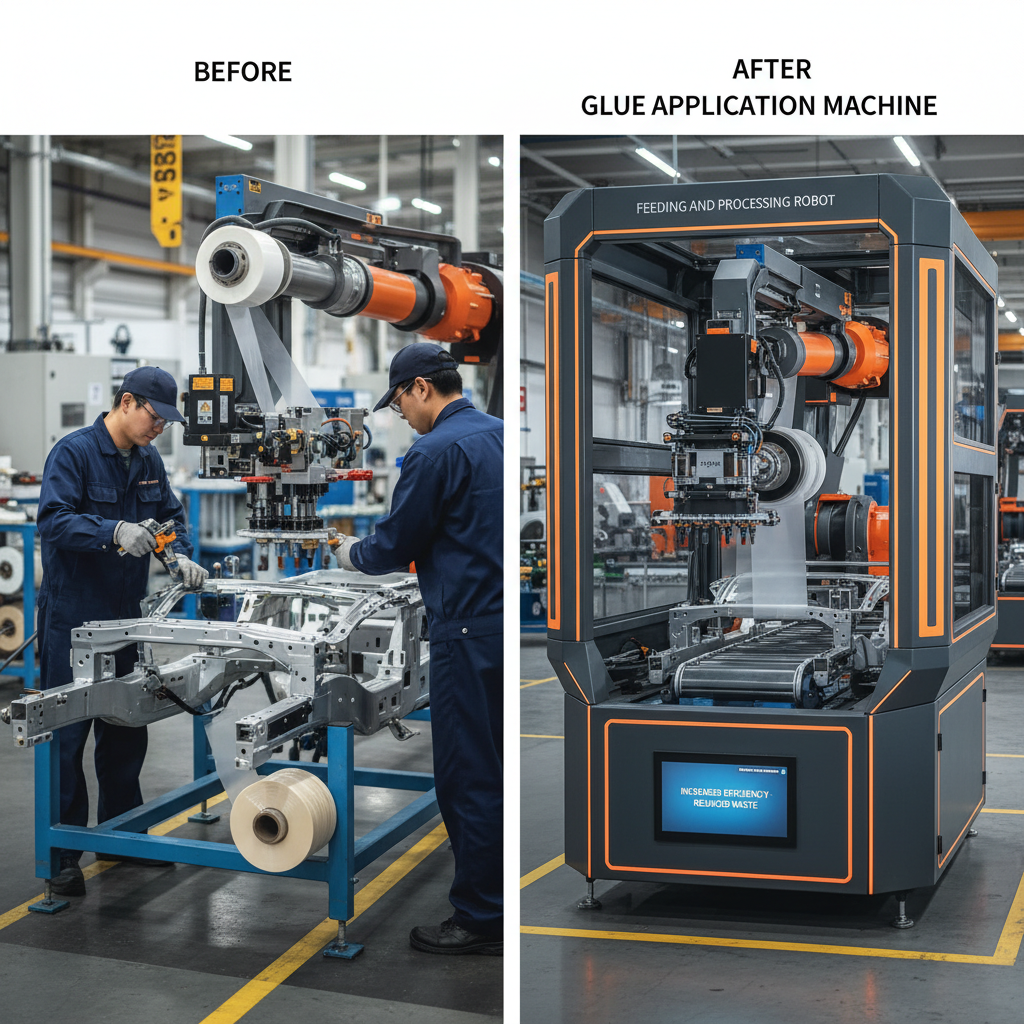
Investing in high-end equipment for manufacturing automotive components offers immediate tangible benefits. Automated cutting and lamination lines significantly reduce material scrap, which not only lowers the cost per unit but also aligns with global "Zero Waste" initiatives. The shift toward water-based adhesives in lamination lines further reduces VOC emissions, improving the workplace environment for technicians.
From a logical and emotional standpoint, these advancements build trust with the end consumer. When a passenger enters a vehicle and feels the premium texture of a perfectly fitted headliner or enjoys the silence provided by high-quality insulation, they associate that experience with reliability and safety. This emotional connection is a powerful driver of brand loyalty in the competitive automotive market.
Future Innovations in Automotive Material Science
The next frontier in manufacturing automotive components is the integration of "smart materials." We are seeing the emergence of headliners that can integrate ambient lighting and haptic sensors directly into the fabric, turning the ceiling of the car into an interactive interface. This requires a revolution in lamination technology to embed electronics without compromising the material's structural integrity.
Sustainability is also driving the adoption of bio-based polymers and recycled ocean plastics for automotive carpets. The challenge for production lines is to maintain the same level of durability and flame retardancy with these new materials. This necessitates the development of more flexible heating and pressing cycles in the production auxiliary equipment to accommodate the varying thermal properties of recycled fibers.
Furthermore, the rise of "Software-Defined Vehicles" means that interior components must be modular. The ability to quickly swap interior panels or update sound insulation layouts without redesigning the entire line will be a key competitive advantage. This shift toward agile manufacturing will redefine how we think about the lifecycle of automotive interiors.
Overcoming Operational Challenges in Production
Despite advancements, manufacturing automotive components is not without its hurdles. One of the most persistent issues is "warping" during the molding process of headliners. This occurs when the cooling rate is uneven, leading to parts that do not fit perfectly into the car's frame. To solve this, manufacturers are implementing closed-loop thermal control systems that monitor temperatures in real-time.
Another challenge is the high energy consumption of large-scale drying and pressing ovens. To combat this, industry leaders are transitioning to induction heating and microwave-assisted curing, which target the bonding agents directly rather than heating the entire air volume of the oven. This not only reduces carbon footprints but also slashes energy costs by up to 30%.
Finally, the shortage of skilled technicians capable of operating complex PLC-driven machinery is a bottleneck. The solution lies in the adoption of Augmented Reality (AR) for maintenance and training, allowing new operators to visualize the internal workings of a lamination line through a headset, thereby reducing setup errors and downtime.
Analysis of Component Production Quality and Efficiency Metrics
| Component Type |
Production Method |
Quality Score (1-10) |
Waste Reduction % |
| Premium Headliner |
Dry Lamination |
9.5 |
12% |
| Standard Headliner |
Wet Molding |
8.2 |
8% |
| Luxury Floor Carpet |
Multi-layer Lamination |
9.0 |
15% |
| Wheel House Pad |
Compression Molding |
8.8 |
10% |
| Door Trim Panel |
Vacuum Forming |
8.5 |
7% |
| Sound Insulation Layer |
Thermal Bonding |
9.2 |
18% |
FAQS
Wet production uses liquid resins and molding compounds to create a rigid shape, often resulting in higher structural strength but requiring longer drying times. Dry production relies on heat-pressing and lamination of pre-formed materials, offering faster cycle times and better suitability for lightweight, fabric-heavy designs. Both are essential in manufacturing automotive components depending on the vehicle's specification.
The most effective way to reduce waste is by implementing CNC-driven Interior Cutting Equipment. These systems use advanced nesting algorithms to maximize the number of parts cut from a single roll of fabric, often reducing scrap by 10-20% compared to manual or semi-automated cutting processes.
Yes, with modern chemical engineering, bio-based and recycled materials can match or exceed the durability of traditional plastics. However, they require specific adjustments in the lamination and forming temperatures to ensure the same level of adhesion and flame retardancy required by safety standards.
The wheel house is a primary entry point for road and tire noise. High-density sound insulation pads manufactured with precise compression molding are critical here to prevent noise from penetrating the cabin, which directly improves passenger comfort and reduces driver stress during long trips.
With proper maintenance and regular updates to the Form and Die systems, a high-quality production line can last 10-15 years. The key is to invest in modular auxiliary equipment that can be upgraded as new materials and vehicle designs are introduced.
Absolutely. By using flexible lamination lines and adjustable molds, manufacturers can switch between high-volume standard parts and low-volume custom components. This versatility is essential for brands that offer highly personalized interior options to their customers.
Conclusion
The complex world of manufacturing automotive components is the invisible backbone of the driving experience. From the precision of the headliner assembly line to the acoustic science of sound insulation pads, every detail contributes to a vehicle's safety, luxury, and efficiency. We have seen that the integration of automation, sustainable materials, and precise thermal control is no longer optional but a necessity for survival in a competitive global market.
Looking forward, the industry must continue to embrace the digital transformation of the factory floor. By combining AI-driven waste reduction with next-generation bio-materials, manufacturers can create interiors that are not only luxurious but truly carbon-neutral. For those seeking to lead in this space, investing in versatile, high-precision production equipment is the only path to sustainable growth. Visit our website: www.headliningline.com