The automotive industry is a cornerstone of the global economy, with car manufacturing business at its heart. From the initial design and engineering phases to the final assembly and quality control, a complex network of specialized equipment and processes is essential. Understanding these processes is critical for optimizing production efficiency, reducing costs, and ensuring the delivery of high-quality vehicles to meet ever-increasing consumer demands. This, in turn, fuels innovation and drives economic growth worldwide.
The scale of car manufacturing business is immense. Globally, tens of millions of vehicles are produced annually, representing a multi-trillion dollar industry. The growth of emerging markets, coupled with increasing demand for electric and autonomous vehicles, is driving significant investment in new manufacturing technologies. This presents both opportunities and challenges for equipment manufacturers, requiring them to develop solutions that are adaptable, scalable, and sustainable. Competition is fierce, demanding continuous improvement and a focus on delivering value to automotive manufacturers.
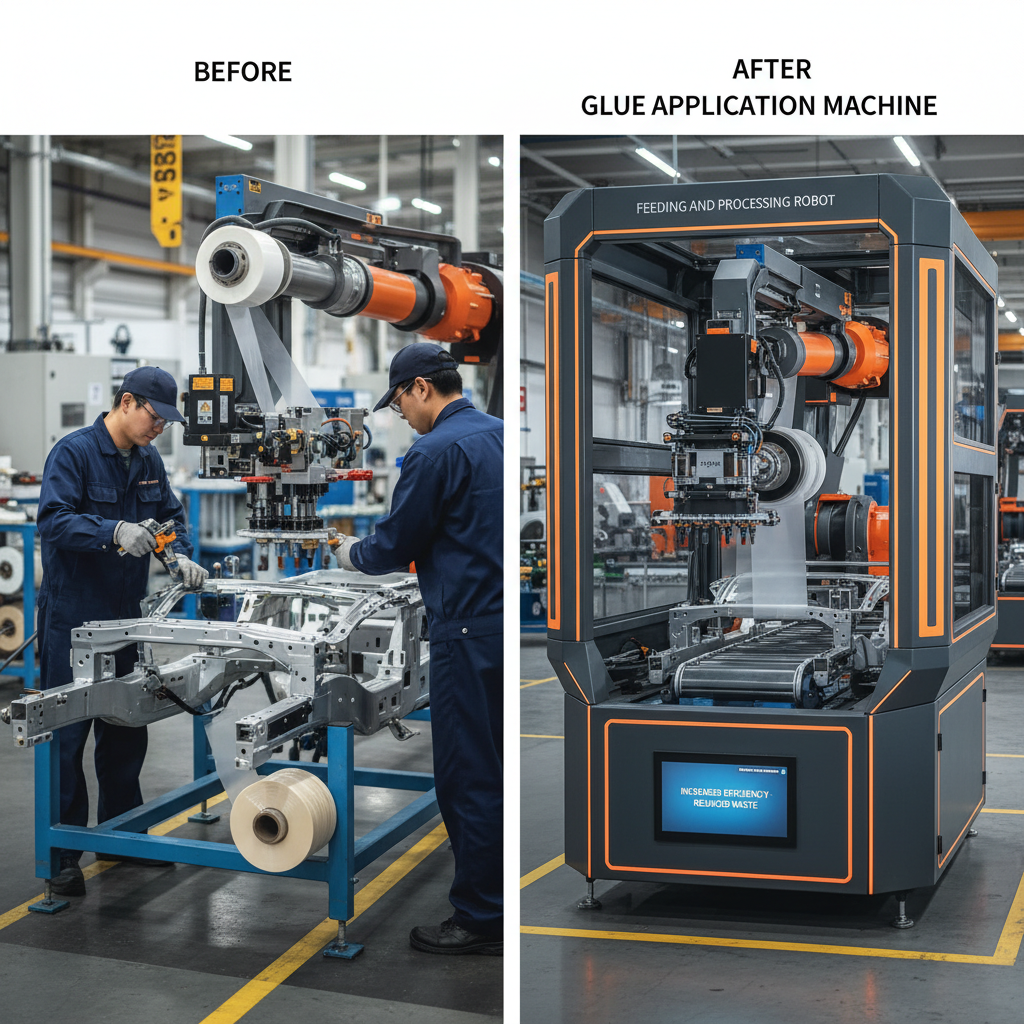
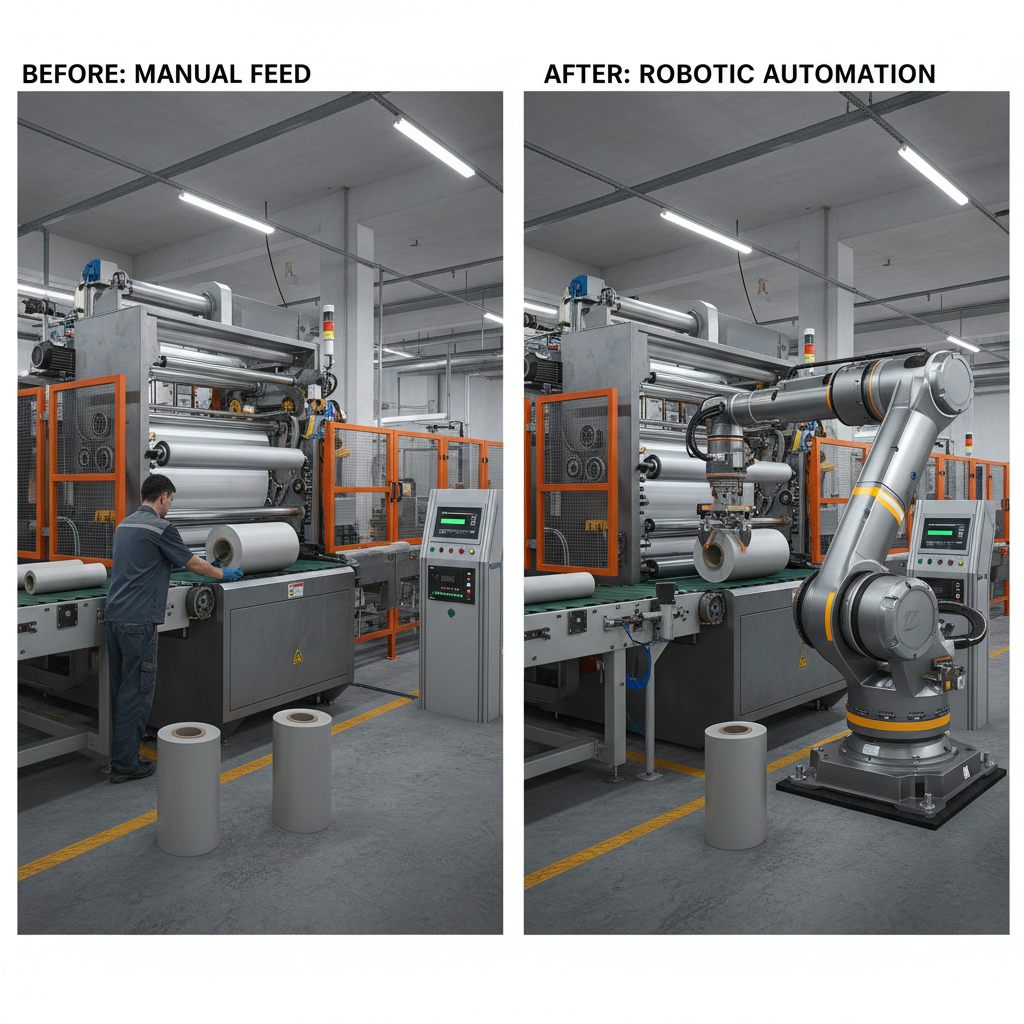
Specialized equipment plays a pivotal role in all stages of car manufacturing business. From the precise assembly of headliners and carpets to the lamination of fabrics and the cutting of interior components, dedicated production lines ensure consistency and efficiency. Investing in state-of-the-art equipment is crucial for maintaining a competitive edge and meeting the stringent quality standards demanded by the automotive industry. The focus is on automation, precision, and minimizing waste throughout the entire process.
The Importance of Specialized Equipment in car manufacturing business
Specialized equipment is the backbone of efficient car manufacturing business. Without precise and reliable machinery, maintaining production quotas and upholding quality standards becomes significantly challenging. From the initial stages of fabric lamination to the final assembly of headliners and carpets, each process demands equipment tailored to its specific requirements. Investing in the right equipment directly impacts a manufacturer’s ability to compete in the global market.
The automotive industry demands an unwavering commitment to precision. Specialized equipment, such as automotive headliner assembly lines and carpet production lines, is designed to deliver that precision consistently. This is especially crucial in today’s market, where consumers expect not only functionality but also a high level of fit and finish in their vehicles. Modern equipment incorporates advanced technologies, like automation and real-time monitoring, to ensure consistent quality and minimize defects.
Defining car manufacturing business and its Global Impact
car manufacturing business encompasses the entire process of designing, engineering, and assembling vehicles. However, a crucial – and often overlooked – aspect is the role of specialized equipment manufacturing. This includes production lines for components like headliners, carpets, and interior trim, as well as equipment for cutting, forming, and laminating materials. These specialized lines often represent a significant investment for automotive manufacturers.
The global impact of car manufacturing business is substantial. It’s a key driver of economic growth, providing employment for millions worldwide and contributing significantly to national GDPs. The industry is also a major consumer of raw materials and a catalyst for innovation in materials science, engineering, and manufacturing technologies. Efficient and reliable specialized equipment is essential for supporting this vast and complex supply chain.
Furthermore, the industry is constantly evolving, driven by factors such as sustainability concerns, the rise of electric vehicles, and the demand for increased fuel efficiency. These shifts necessitate continuous investment in new and improved equipment to meet changing production requirements and environmental regulations. This makes the specialized equipment manufacturing sector a critical enabler of progress in car manufacturing business.
Key Components of Efficient Automotive Production Lines
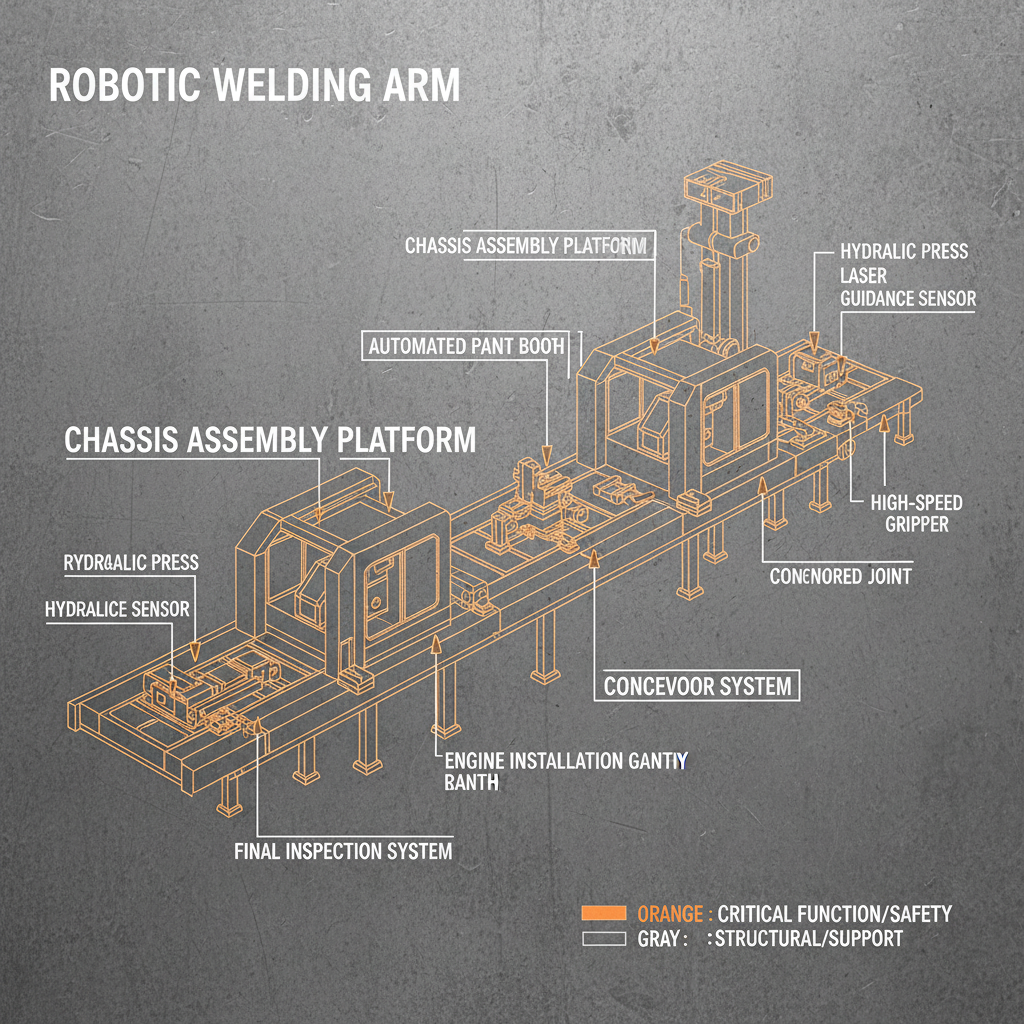
Several core components are essential for building efficient automotive production lines. Automated assembly lines for headliners and carpets are paramount, ensuring consistent quality and reducing labor costs. Precision cutting equipment, capable of handling a variety of materials, is also vital. Lamination lines, designed to bond fabrics to substrates, play a crucial role in creating durable and aesthetically pleasing interior components. All these lines must be integrated seamlessly to create a smooth and efficient flow of materials and products throughout the car manufacturing business.
Another critical component is quality control systems. These systems, often integrated directly into the production lines, utilize sensors and cameras to detect defects and ensure that components meet stringent specifications. Data analytics play a key role here, allowing manufacturers to identify trends, optimize processes, and prevent future issues. The goal is to minimize waste and maximize efficiency throughout the car manufacturing business.
Finally, efficient logistics and material handling are vital. Automated guided vehicles (AGVs) and conveyor systems are commonly used to transport materials and components between workstations, reducing the risk of damage and minimizing downtime. Effective inventory management is also crucial to ensure that the right materials are available at the right time, preventing production delays. These elements combined enhance the overall car manufacturing business.
Global Applications and the Demand for Automotive Assembly Solutions
The demand for automotive assembly solutions extends far beyond the traditional automotive hubs of North America, Europe, and Japan. Emerging markets, such as China, India, and Brazil, are experiencing rapid growth in car ownership, driving significant investment in new manufacturing facilities. These regions represent a huge opportunity for specialized equipment manufacturers.
In China, for example, the demand for locally produced vehicles is soaring, leading to a surge in demand for automotive production lines. Similar trends are evident in India, where a growing middle class is fueling demand for affordable cars. These markets often require solutions that are tailored to their specific needs, such as lower-cost automation and flexible production lines. Understanding these regional nuances is crucial for success in car manufacturing business.
Furthermore, the global shift towards electric vehicles is creating new opportunities for specialized equipment manufacturers. The production of electric vehicle components, such as battery packs and electric motors, requires specialized assembly lines and testing equipment. Manufacturers that can adapt to these changing demands will be well-positioned to capitalize on the growth of the electric vehicle market.
Comparative Efficiency of Automotive Assembly Methods
Advantages of Investing in High-Quality Automotive Production Equipment
Investing in high-quality automotive production equipment offers a multitude of benefits for car manufacturers. Improved efficiency is a primary advantage, leading to higher production volumes and reduced lead times. This, in turn, translates to increased profitability and a stronger competitive position. The precision of advanced equipment also minimizes defects and reduces waste, further enhancing profitability.
Furthermore, high-quality equipment is typically more durable and reliable, resulting in lower maintenance costs and reduced downtime. This is particularly important in a fast-paced manufacturing environment where even short interruptions can have a significant impact on production schedules. A well-maintained production line ensures consistent output and minimizes the risk of costly disruptions to car manufacturing business.
Future Trends Shaping the Automotive Manufacturing Landscape
The automotive manufacturing landscape is undergoing a rapid transformation, driven by several key trends. The rise of Industry 4.0, with its emphasis on automation, data analytics, and the Internet of Things (IoT), is fundamentally changing the way vehicles are produced. Smart factories, equipped with interconnected machines and sensors, are becoming increasingly common.
Another significant trend is the increasing focus on sustainability. Manufacturers are actively seeking ways to reduce their environmental footprint, from using more sustainable materials to implementing energy-efficient production processes. This is driving demand for equipment that is designed to minimize waste and conserve resources. The continuous improvements to processes in car manufacturing business will benefit the environment.
Challenges and Innovative Solutions in Automotive Equipment Manufacturing
Despite the advancements in automotive equipment manufacturing, several challenges remain. One major challenge is the need for increased flexibility. Manufacturers need to be able to quickly adapt their production lines to accommodate new vehicle models and changing customer demands. This requires equipment that is modular, reconfigurable, and easily programmable.
Another challenge is the shortage of skilled labor. As manufacturing processes become more complex, there is a growing need for technicians and engineers who are proficient in automation, robotics, and data analytics. Addressing this skills gap requires investment in training and education programs. Continuous development will ensure a thriving car manufacturing business.
Innovative solutions are emerging to address these challenges. Collaborative robots (cobots), which are designed to work alongside human workers, are gaining popularity. Artificial intelligence (AI) is being used to optimize production processes and predict equipment failures. These technologies are helping manufacturers to overcome the challenges and remain competitive.
Summary of Key Challenges and Solutions in Automotive Equipment Manufacturing
| Challenge |
Impact on car manufacturing business |
Proposed Solution |
Implementation Difficulty (1-10) |
| Lack of Production Line Flexibility |
Increased changeover times and reduced responsiveness to market changes. |
Modular and reconfigurable production lines with quick-change tooling. |
7 |
| Skilled Labor Shortage |
Difficulty maintaining and operating complex equipment. |
Investment in comprehensive training programs and the adoption of user-friendly interfaces. |
8 |
| Rising Material Costs |
Reduced profitability and increased production costs. |
Implementation of waste reduction strategies and the use of alternative, more cost-effective materials. |
6 |
| Integration of New Technologies |
Complexity and cost associated with implementing Industry 4.0 solutions. |
Phased implementation with clear ROI targets and strong cybersecurity protocols. |
9 |
| Maintaining Equipment Uptime |
Production delays and lost revenue due to unplanned downtime. |
Predictive maintenance programs utilizing sensor data and AI-powered analytics. |
5 |
| Supply Chain Disruptions |
Delays in receiving critical components and materials. |
Diversification of suppliers and the development of robust inventory management systems. |
7 |
FAQS
Automating a headliner assembly line offers significant advantages, including increased production speed, improved consistency in product quality, reduced labor costs, and minimized material waste. Automation allows for precise application of adhesives and fabrics, resulting in a higher-quality finished product. It also frees up human workers to focus on more complex tasks and reduces the risk of errors caused by fatigue or manual dexterity limitations.
The materials used in automotive carpets significantly impact their lifespan and performance. High-quality synthetic fibers like polypropylene and nylon offer excellent durability, stain resistance, and wear resistance. The backing material also plays a crucial role; robust backings prevent delamination and maintain shape. Choosing materials suitable for the vehicle’s intended use, considering factors like passenger volume and environmental conditions, is key for longevity.
Lamination is a critical process in enhancing the durability of automotive fabrics. By bonding the fabric to a substrate, such as a foam or non-woven material, lamination provides added strength, stability, and resistance to wear and tear. This process also improves the fabric’s resistance to stretching, shrinking, and fading, contributing to a longer-lasting and aesthetically pleasing interior. Proper lamination techniques are essential for maintaining the integrity of the fabric over time.
The latest advancements in cutting technology for automotive interiors include the use of automated cutting systems, laser cutting, and ultrasonic cutting. These technologies offer greater precision, speed, and flexibility compared to traditional manual cutting methods. Automated systems can handle complex shapes and materials with ease, minimizing waste and improving efficiency. Laser cutting is particularly useful for intricate designs and delicate fabrics.
Predictive maintenance leverages sensor data and machine learning algorithms to anticipate equipment failures before they occur. By monitoring key parameters like temperature, vibration, and pressure, these systems can identify potential issues and schedule maintenance proactively. This prevents unexpected downtime, reduces repair costs, and extends the lifespan of equipment, ultimately maximizing the uptime of automotive production lines within car manufacturing business.
Sustainability is increasingly important in the design and operation of automotive production equipment. This includes using energy-efficient motors and drives, reducing waste through optimized material utilization, and minimizing the use of hazardous materials. Manufacturers are also exploring the use of recycled and renewable materials in their equipment. Sustainable practices not only reduce environmental impact but also lower operating costs and enhance a company's brand reputation.
Conclusion
In conclusion, specialized equipment is the engine driving efficiency and innovation in car manufacturing business. From automated assembly lines to precision cutting tools, each component plays a critical role in delivering high-quality vehicles that meet the demands of a global market. Investing in the latest technologies and prioritizing sustainability are essential for success in this dynamic industry.
Looking ahead, the future of car manufacturing business will be shaped by trends such as Industry 4.0, the rise of electric vehicles, and the growing emphasis on circular economy principles. Manufacturers who embrace these changes and adapt their production processes will be well-positioned to thrive. Explore our comprehensive range of automotive production lines and equipment at car manufacturing business to discover how we can help you optimize your operations.