0%

Table of Contents

The automobile production line represents a cornerstone of modern manufacturing, deeply intertwined with global economic health and technological advancement. Its efficient operation directly impacts the affordability and accessibility of personal transportation, influencing everything from supply chains to employment rates worldwide. Understanding the intricacies of an automobile production line is crucial for engineers, business leaders, and policymakers alike, as innovation in this sector drives broader industrial progress.

Globally, the automotive industry accounts for a substantial portion of manufacturing output and international trade. According to the International Organization of Motor Vehicle Manufacturers (OIMV), over 78 million vehicles were produced worldwide in 2023, showcasing the massive scale of this industry. Optimizing the automobile production line – through automation, lean manufacturing principles, and sustainable practices – is not just about increasing profits; it’s about meeting growing global demand responsibly and efficiently.

The increasing complexity of modern vehicles, coupled with rising consumer expectations, creates ongoing challenges for automobile manufacturers. A robust understanding of the automobile production line allows for targeted improvements in cost reduction, quality control, and responsiveness to market trends, ultimately shaping the future of mobility.
The Evolving Automobile Production Line A Cornerstone of Modern Manufacturing

Introduction to automobile production line

The Evolving Automobile Production Line A Cornerstone of Modern Manufacturing

An automobile production line is a complex system of interconnected workstations and processes designed to assemble vehicles efficiently and cost-effectively. It's a prime example of mass production, utilizing principles of division of labor and standardization to achieve high output volumes. The goal of any successful automobile production line is to deliver quality vehicles while minimizing waste and maximizing productivity.

The history of the automobile production line is closely linked to Henry Ford’s revolutionary implementation of the moving assembly line in the early 20th century. Before Ford, cars were largely hand-built, making them expensive and inaccessible to the average consumer. Ford’s innovation drastically reduced production time and costs, paving the way for the widespread adoption of automobiles and fundamentally changing society.

Defining the automobile production line

At its core, an automobile production line is a sequential manufacturing process where components are added to a vehicle as it moves along a conveyor system. Each station on the line is responsible for a specific task, such as installing a particular part or performing a specific inspection. This structured approach ensures consistency and efficiency, preventing bottlenecks and maximizing output.

The automobile production line isn’t simply about physical assembly. It encompasses a vast network of supporting activities including supply chain management, logistics, quality control, and engineering. Effective management of these interconnected elements is critical to ensuring a smooth and reliable production flow.

In essence, the automobile production line bridges the gap between raw materials and finished products, fulfilling a fundamental human need for transportation and mobility. Modern industry relies heavily on optimized production lines, and the automobile line serves as a benchmark for other manufacturing sectors.

Core Components of an Effective automobile production line

A successful automobile production line depends on several critical components working in harmony. First and foremost is the assembly line itself – the physical pathway for the vehicle as it progresses through the manufacturing process. This line must be carefully designed to optimize workflow and minimize unnecessary movement.

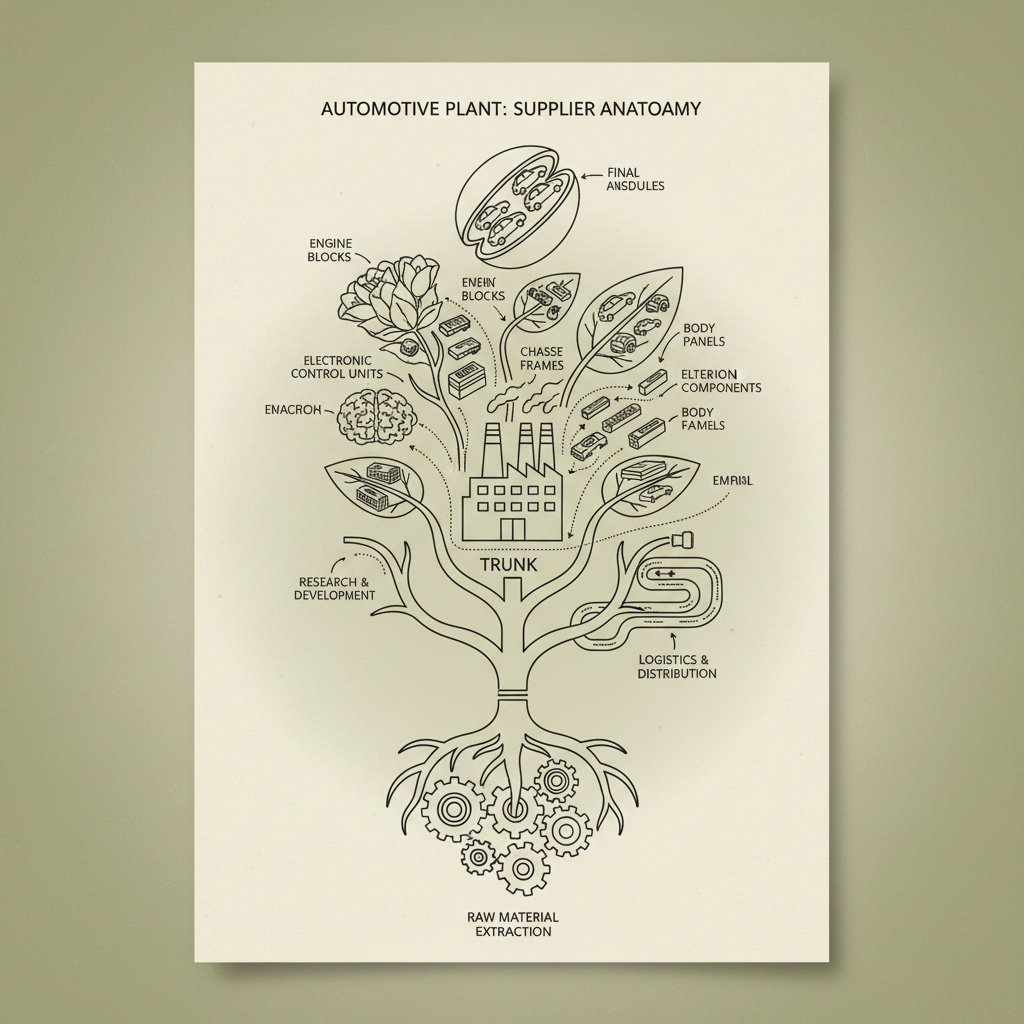
Another key component is the supply chain, which ensures a steady flow of parts and materials to the production line. This requires robust relationships with suppliers, efficient logistics, and accurate forecasting of demand. Just-in-time (JIT) inventory management is a common practice to minimize storage costs and waste.

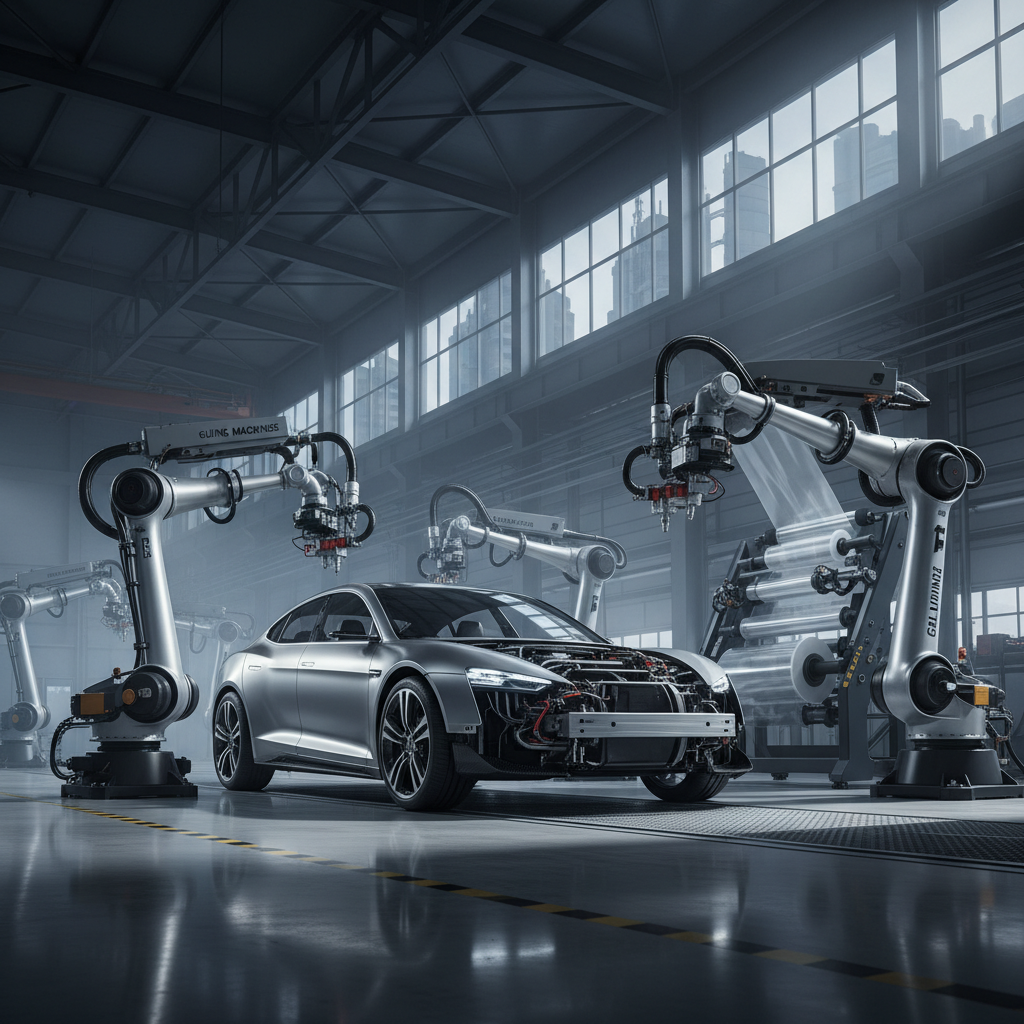
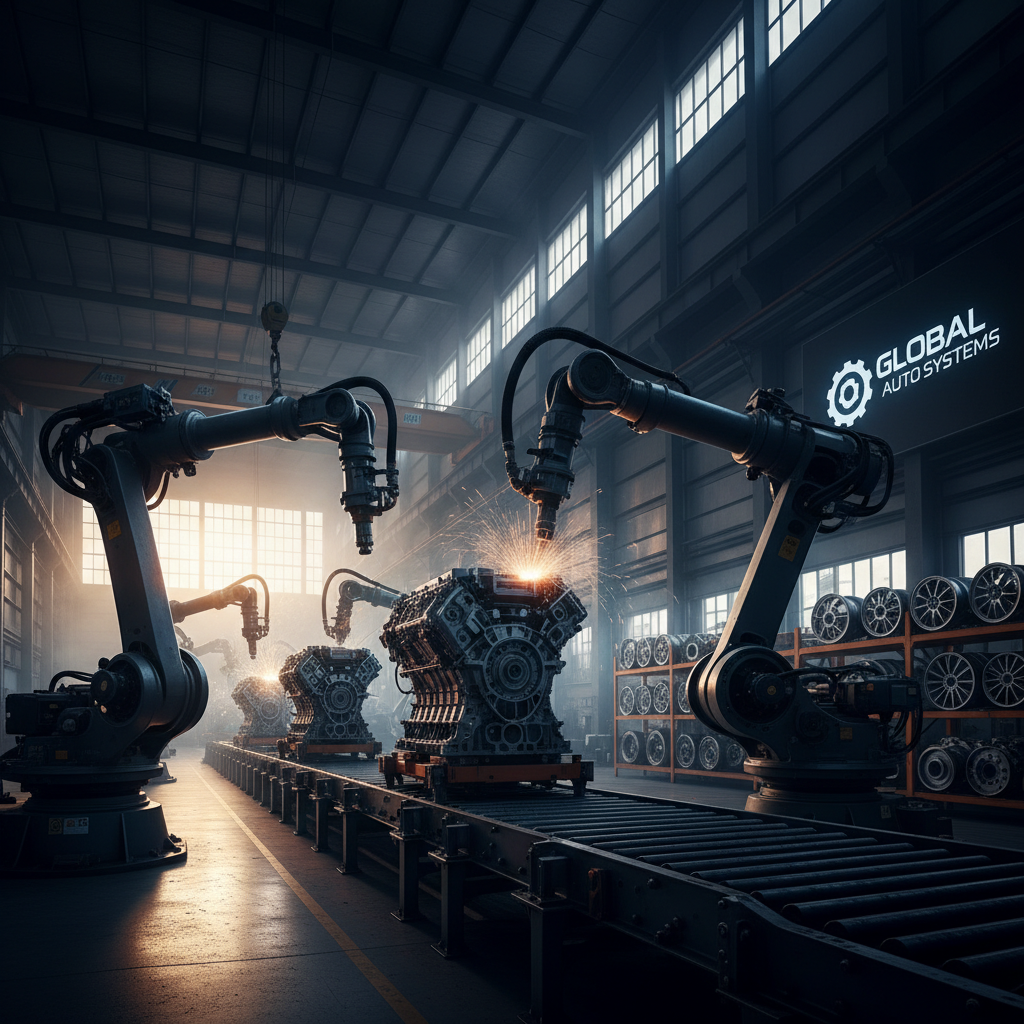
Automation and robotics are playing an increasingly important role, performing repetitive tasks with speed and precision. This not only increases efficiency but also improves worker safety by reducing exposure to hazardous conditions. Finally, quality control systems are essential to identify and address defects, ensuring that only vehicles meeting the highest standards reach the consumer.

Key Factors Influencing automobile production line Efficiency

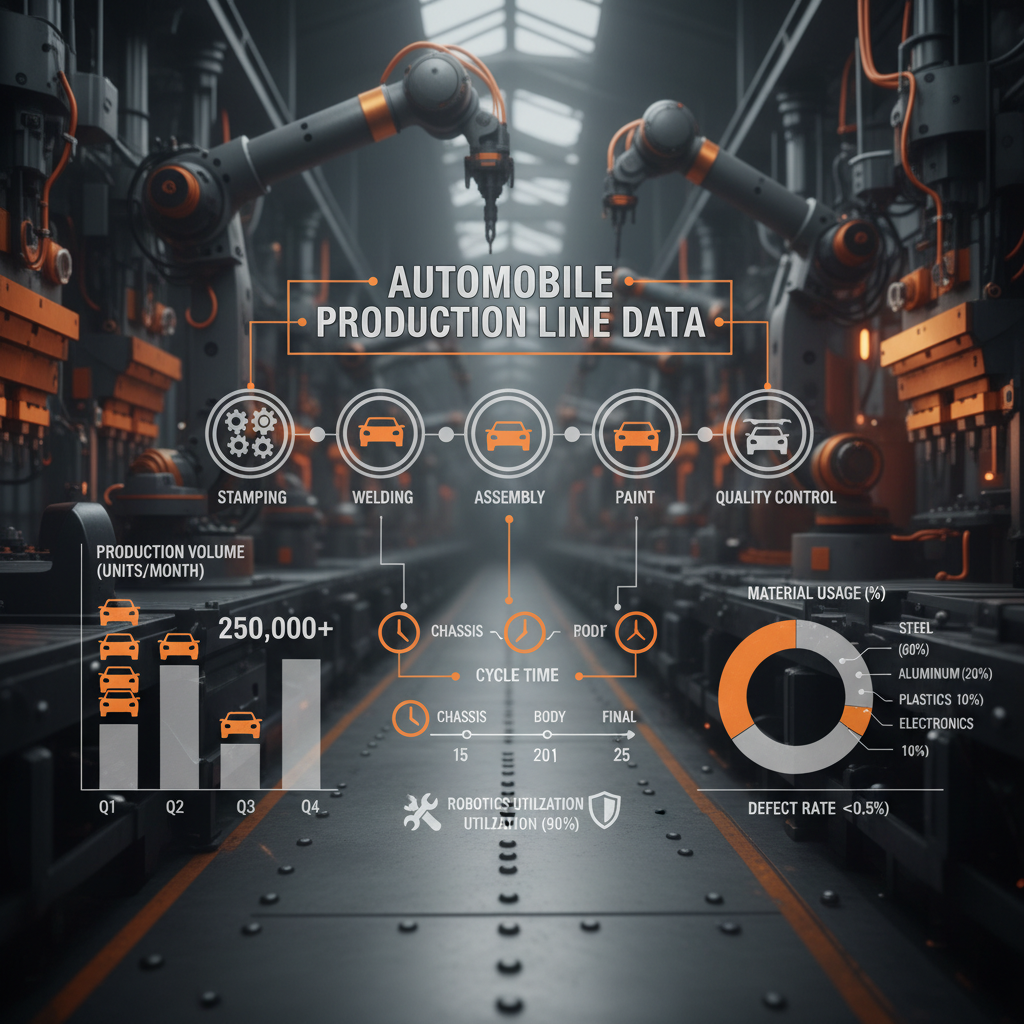
Several key factors dramatically impact the efficiency of an automobile production line. Throughput, or the number of vehicles produced per unit of time, is a critical metric. Increasing throughput requires optimizing each stage of the process and minimizing downtime.

Cycle time, the time it takes to complete a single vehicle, is another important consideration. Reducing cycle time involves streamlining processes, improving worker training, and investing in faster equipment.

automobile production line Efficiency Metrics


Global Applications of automobile production line

automobile production lines are found in automotive manufacturing hubs around the globe. Major centers include Germany, Japan, the United States, China, and South Korea. Each region has adapted the production line to its unique economic conditions and labor market.

In China, for example, automobile production lines have experienced rapid growth in recent decades, driven by increasing domestic demand and government investment. These lines often incorporate advanced automation technologies to enhance efficiency and competitiveness.

Advantages and Long-Term Value of Optimized automobile production line

An optimized automobile production line offers numerous tangible benefits. Reduced costs, through efficient resource utilization and minimized waste, lead to increased profitability. Improved quality control results in fewer defects and higher customer satisfaction. Increased production capacity allows manufacturers to meet growing demand and gain market share.

Beyond these economic benefits, an optimized automobile production line can also contribute to sustainability by reducing energy consumption and emissions. Furthermore, it fosters a safer and more ergonomic working environment for employees, boosting morale and productivity.

The long-term value lies in the continuous improvement mindset it promotes. By constantly analyzing data, identifying bottlenecks, and implementing innovative solutions, manufacturers can ensure their production lines remain competitive and adaptable in a rapidly changing market.

Future Trends in automobile production line Technology

The future of the automobile production line is being shaped by several emerging technologies. Artificial intelligence (AI) and machine learning (ML) are being used to optimize processes, predict maintenance needs, and improve quality control. Digital twins, virtual representations of physical production lines, are enabling manufacturers to simulate and test changes before implementing them in the real world.

Additive manufacturing (3D printing) is increasingly being used to produce customized parts and prototypes, reducing lead times and development costs. The Industrial Internet of Things (IIoT) is connecting machines and systems, providing real-time data and enabling predictive maintenance.

Sustainability will continue to be a driving force, with manufacturers adopting more energy-efficient technologies and using sustainable materials. The rise of electric vehicles (EVs) will also necessitate adjustments to the automobile production line to accommodate battery assembly and other EV-specific components.

FAQS

What are the key differences between traditional and automated automobile production lines?

Traditional automobile production lines rely heavily on manual labor, while automated lines utilize robotics and computer-controlled systems. Automation increases speed, precision, and consistency, reducing labor costs and minimizing errors. However, automated lines require significant upfront investment and specialized maintenance. The optimal approach depends on production volume, product complexity, and budgetary constraints.

How does lean manufacturing apply to automobile production lines?

Lean manufacturing focuses on eliminating waste in all forms – time, materials, and effort – to optimize efficiency. In an automobile production line, this translates to techniques like Just-in-Time (JIT) inventory, Kanban systems for material flow, and continuous improvement (Kaizen) initiatives. The goal is to create a streamlined process that delivers maximum value to the customer with minimal waste.

What role does predictive maintenance play in a modern automobile production line?

Predictive maintenance uses data analytics and machine learning to anticipate equipment failures before they occur. By monitoring key performance indicators (KPIs) like vibration, temperature, and pressure, manufacturers can identify potential problems and schedule maintenance proactively, minimizing downtime and reducing repair costs. This is a crucial component of maximizing uptime and efficiency.

How can automobile manufacturers balance automation with workforce development?

Automation doesn’t necessarily equate to job losses; it often shifts the required skillset. Manufacturers need to invest in workforce development programs to train employees on how to operate, maintain, and program automated systems. Focus should be on developing skills in areas like data analytics, robotics, and AI, enabling workers to collaborate effectively with technology.

What are the cybersecurity risks associated with connected automobile production lines?

Connected automobile production lines, leveraging IIoT and data exchange, are vulnerable to cybersecurity threats. Risks include data breaches, ransomware attacks, and disruption of operations. Robust security measures are essential, including firewalls, intrusion detection systems, and employee training on cybersecurity best practices. Regular security audits and vulnerability assessments are also crucial.

How do sustainability initiatives impact automobile production lines?

Sustainability is becoming increasingly important. This involves using recycled materials, reducing energy consumption, minimizing waste, and implementing environmentally friendly manufacturing processes. Automobile production lines are adapting by adopting cleaner technologies, optimizing resource utilization, and designing for disassembly and recyclability. These initiatives reduce environmental impact and enhance brand reputation.

Conclusion

In conclusion, the automobile production line is a testament to human ingenuity and a cornerstone of modern manufacturing. From its humble beginnings with Henry Ford to the cutting-edge technologies being implemented today, it has consistently evolved to meet changing demands and challenges. Understanding its core components, key factors, and future trends is crucial for anyone involved in the automotive industry or broader manufacturing sector. The ongoing pursuit of efficiency, sustainability, and innovation will continue to drive improvements in automobile production lines for years to come.

Looking ahead, it's essential for manufacturers to embrace a data-driven, agile approach to production line management. Investing in workforce development, adopting new technologies, and prioritizing sustainability will be critical to maintaining competitiveness in a rapidly evolving market. By continuously optimizing their processes and embracing innovation, automobile manufacturers can unlock new levels of efficiency, quality, and profitability. Visit our website at www.headliningline.com to learn more about optimizing your production processes.


Christopher Wilson

Christopher Wilson

Christopher Wilson is a skilled Applications Engineer at Guangjingxin, specializing in the infrared and hot plate heating furnaces used in our carpet production lines. Joining in 2013, he provides technical support to clients and assists in customizing solutions to their specific needs. He's proficient in thermal analysis and control systems.
Previous Exploring the Dynamics of the Automotive and Manufacturing Industry
Next The Global Impact of Automobile Production and Future Industry Trends
Copyright © 2026  Chongqing Guang Jingxin Technology Co., Ltd. All Rights Reserved. Sitemap | Privacy Policy | Top Blog | Global Service