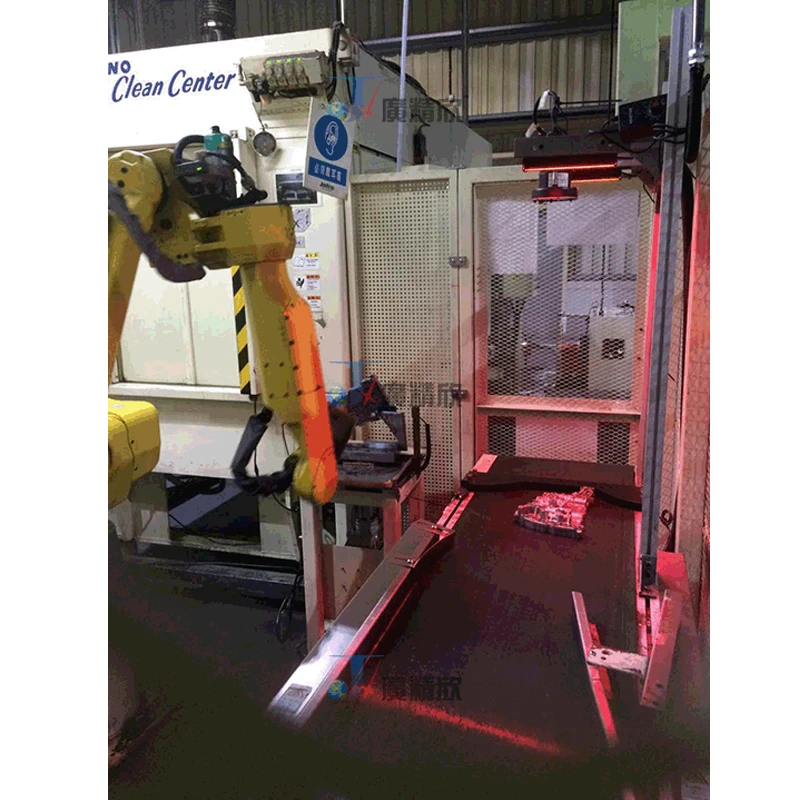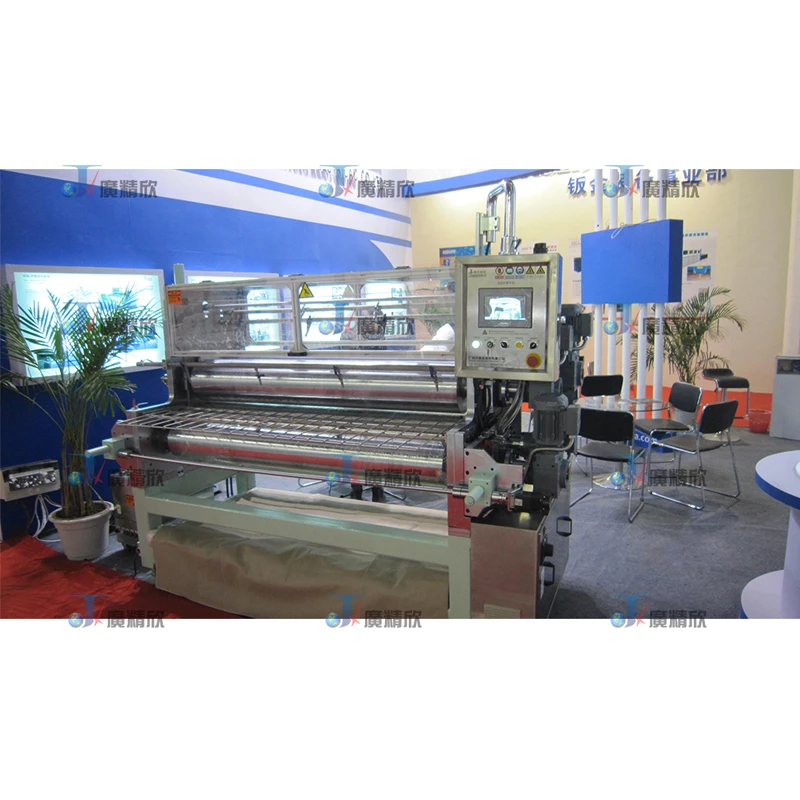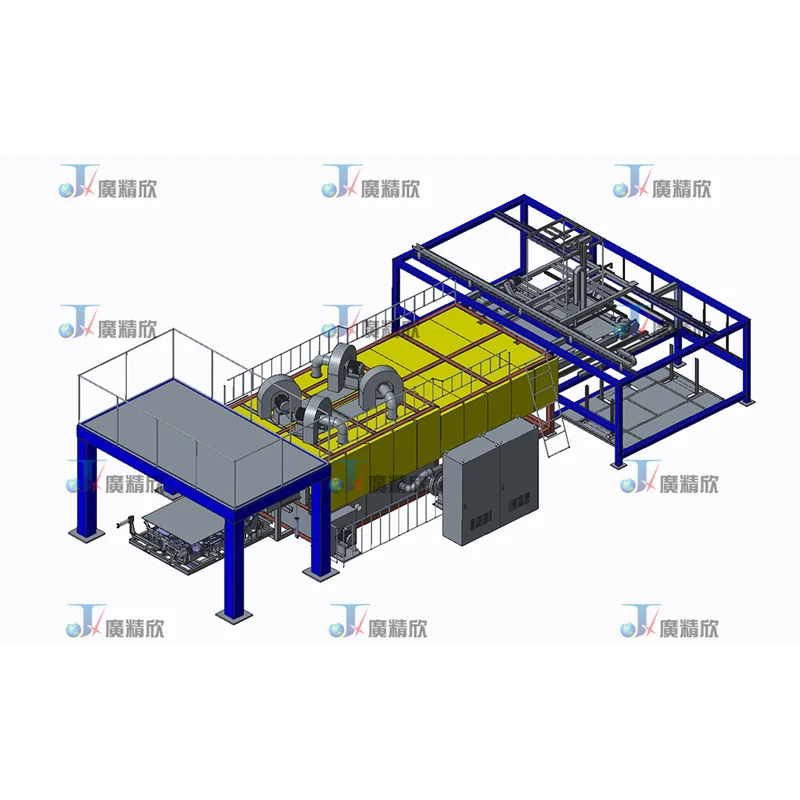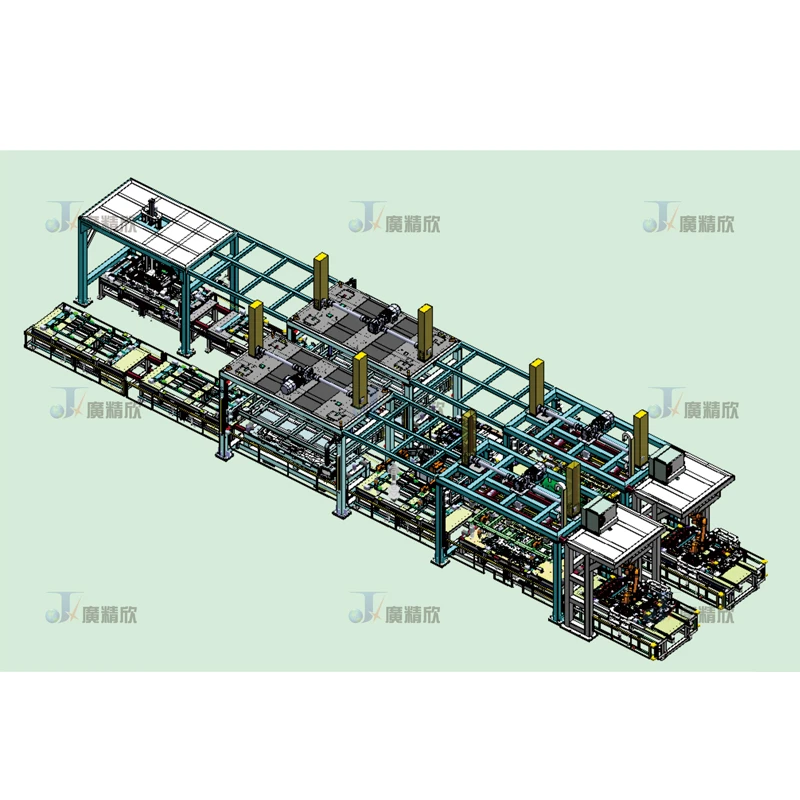
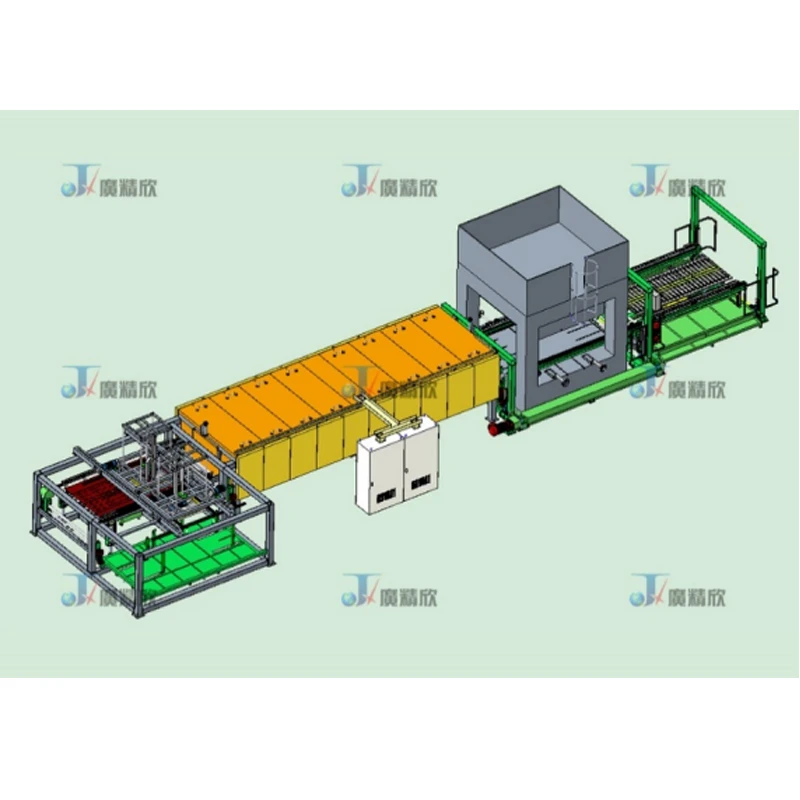
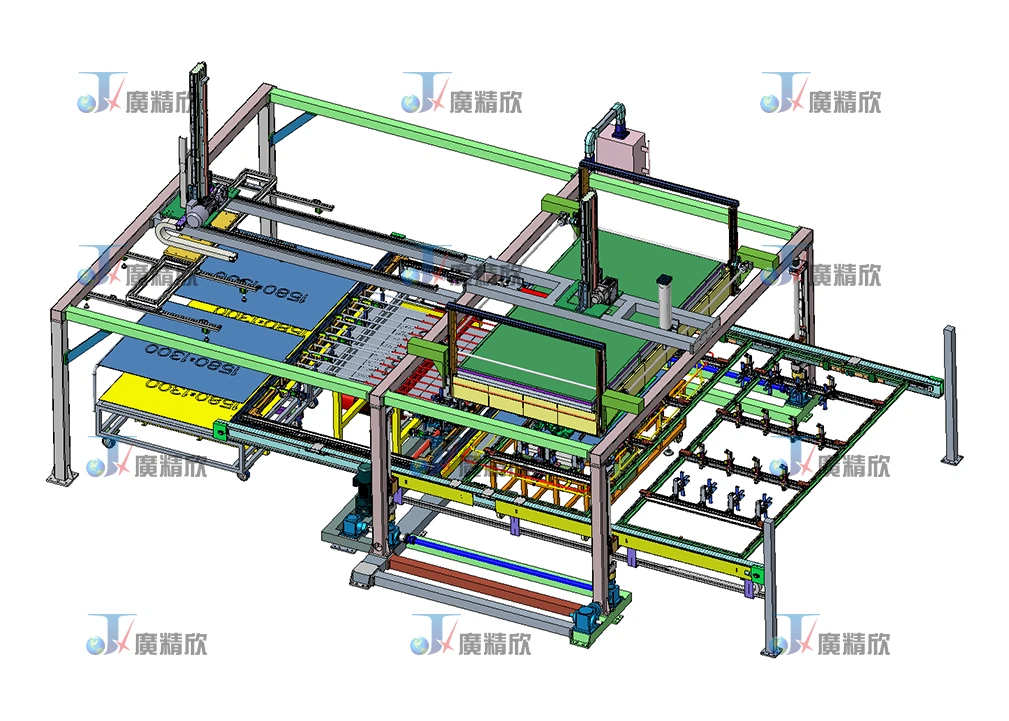
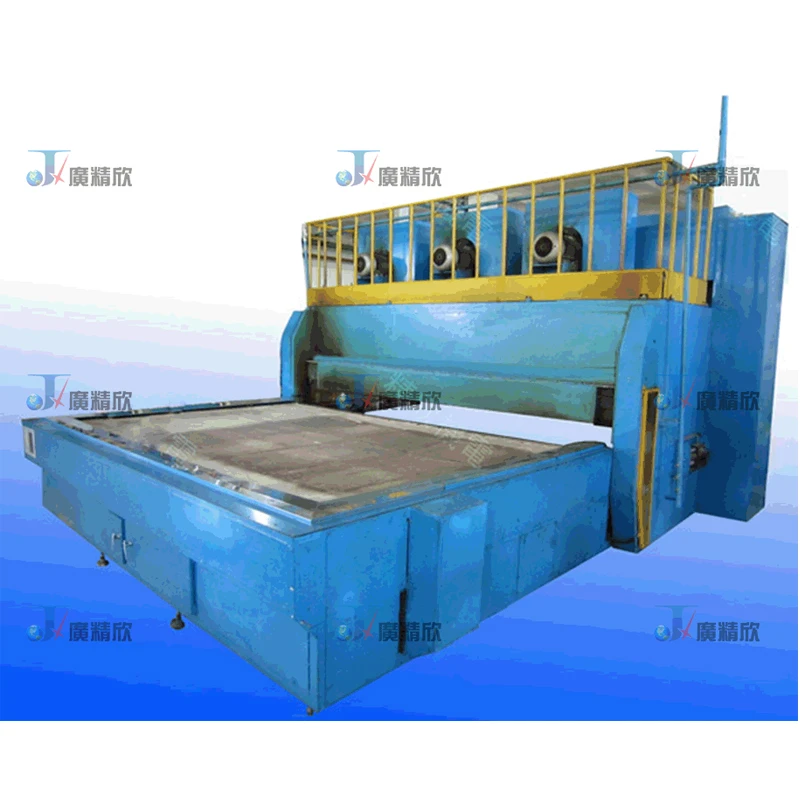
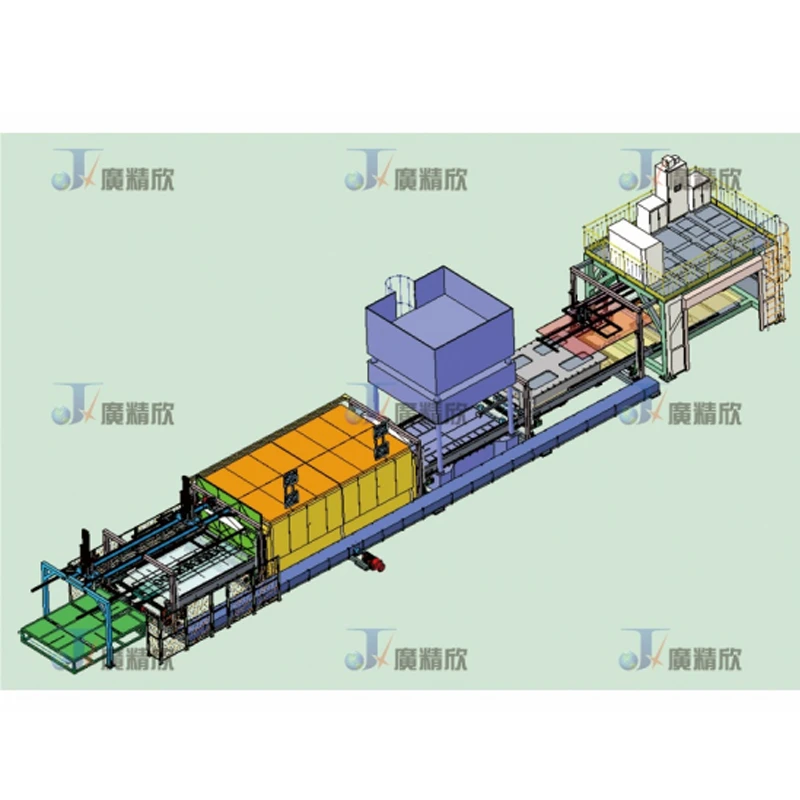
Currently, Paraguay's automotive sector is undergoing a significant shift. Many local workshops and assembly plants still rely on semi-manual processes for interior trimming. However, with the rise of regional trade agreements and an increase in vehicle assembly demands, the need for a fully automatic headlining line has become paramount to ensure consistency and scalability.
The geographical position of Paraguay makes it a strategic hub, but climatic challenges—such as high humidity and temperature fluctuations—require machinery that is durable and precision-engineered. This has led to an increased demand for robust automotive interior machinery that can maintain tight tolerances under varied environmental conditions.
Furthermore, there is a growing emphasis on cost-efficiency. Local manufacturers are seeking to reduce waste in raw materials, particularly in the cutting phase. The adoption of an advanced non woven fabric cutting line is now seen as a critical investment to minimize scrap and optimize the utilization of expensive synthetic textiles.