The automotive sector in Pakistan is currently undergoing a transition from manual labor-intensive processes to semi-automation. In major hubs like Karachi and Lahore, many suppliers still rely on outdated methods for fabricating interior components, leading to inconsistent quality and high material waste, particularly in the handling of non-woven materials.
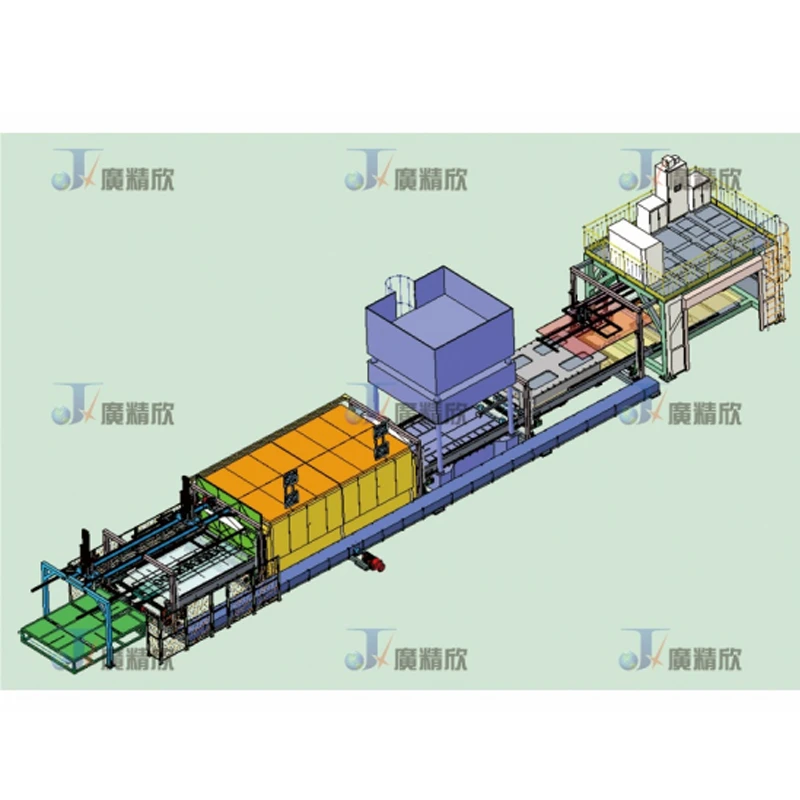
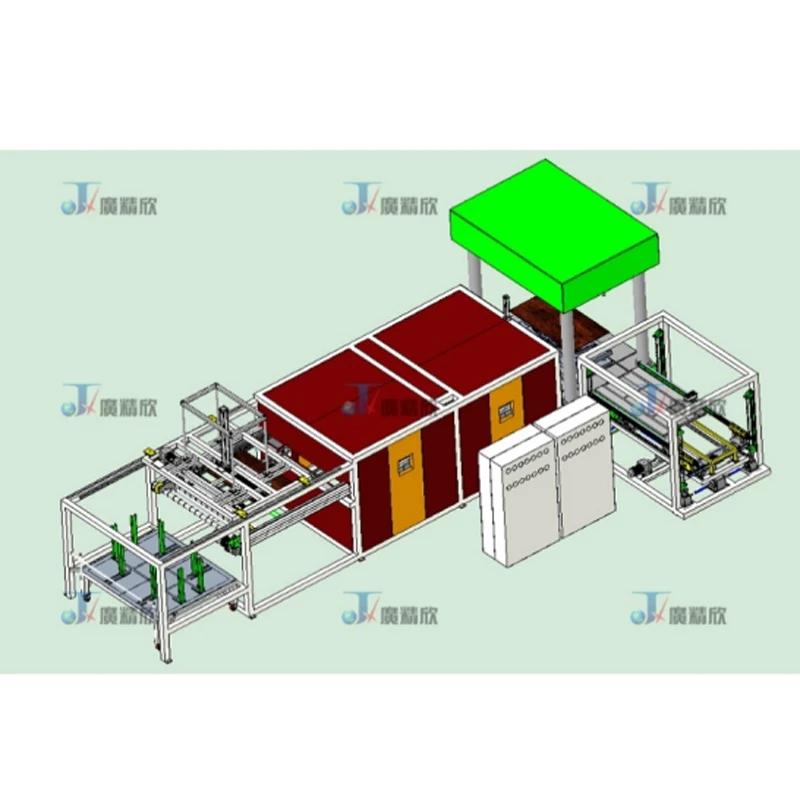
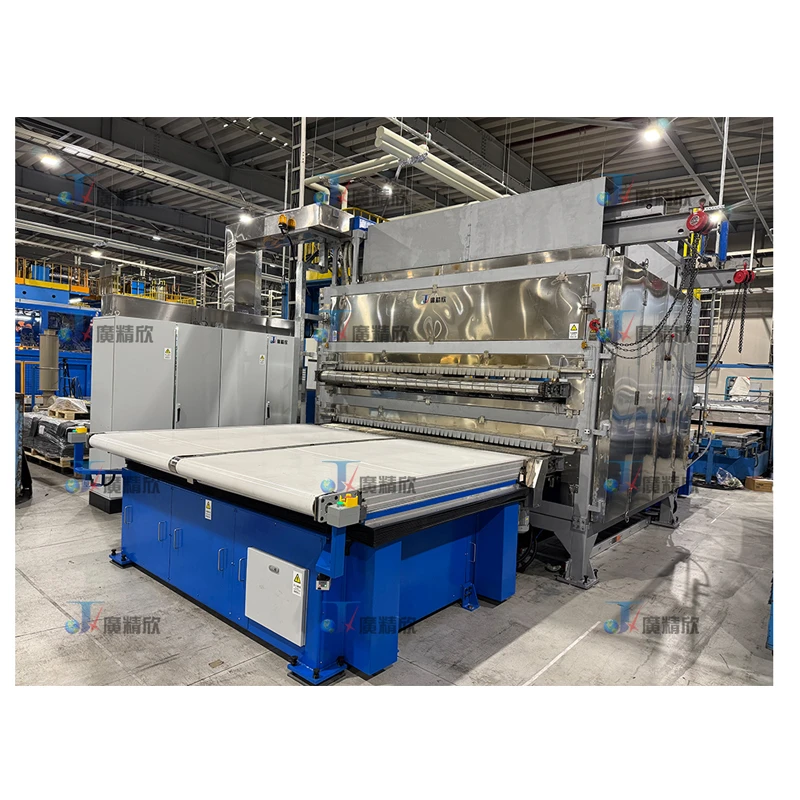
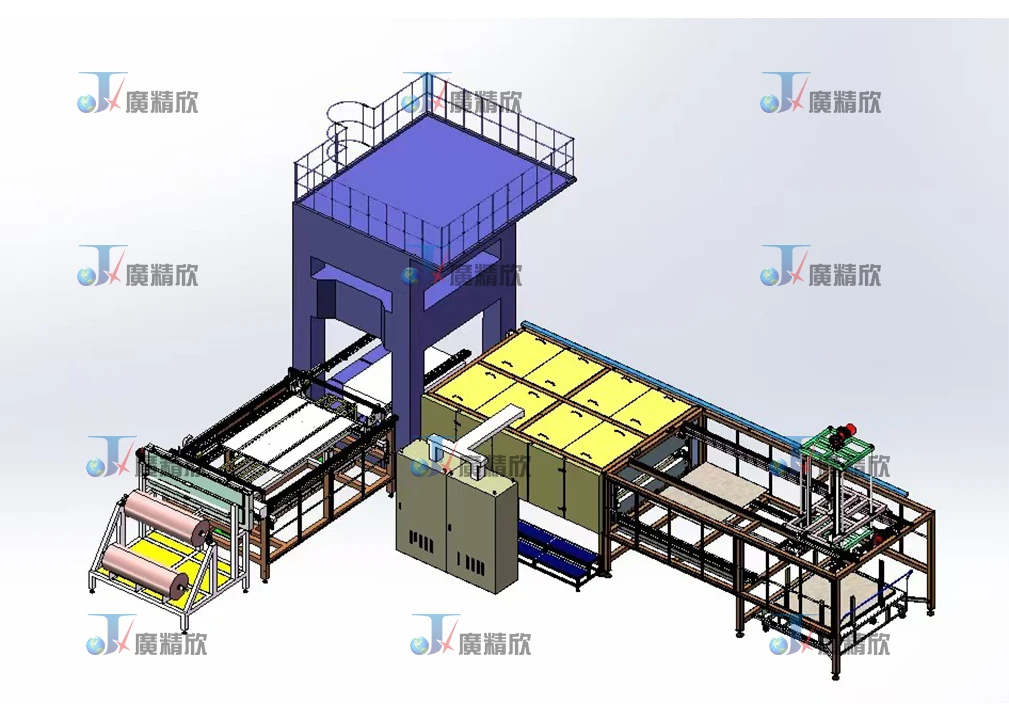
Climate conditions in Pakistan, characterized by extreme heat and humidity, place significant stress on adhesives and fabric integrity. This necessitates the adoption of a fully automatic headlining line that can precisely control temperature and pressure during the bonding process to ensure long-term durability of the car ceiling.
Economic shifts and the push for localization (localization of parts) have increased the demand for high-efficiency automotive interior machinery. Local factories are now seeking solutions that reduce reliance on imported finished interiors by establishing their own high-precision assembly lines.