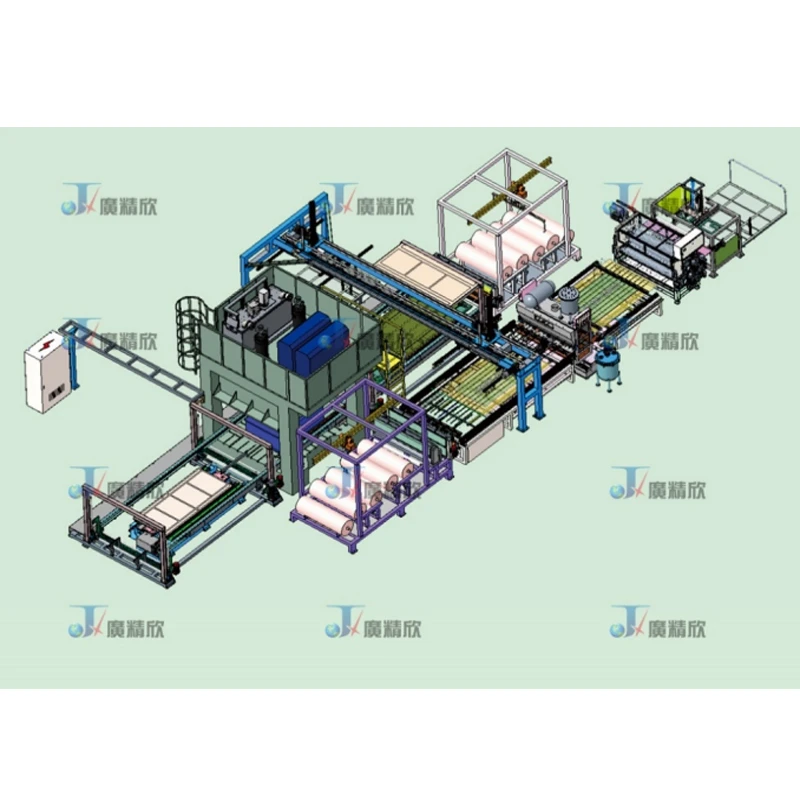
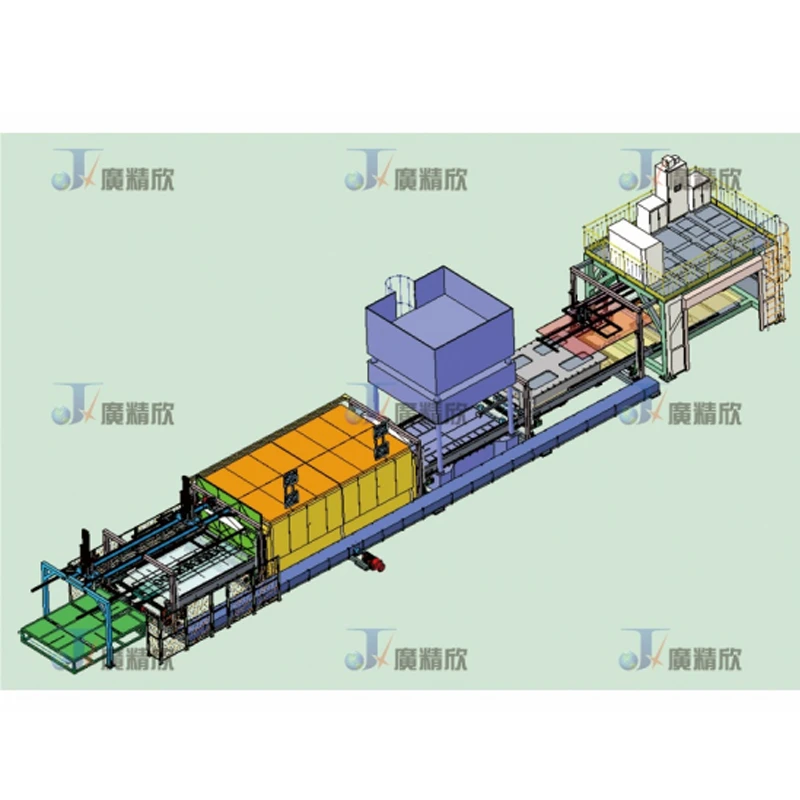
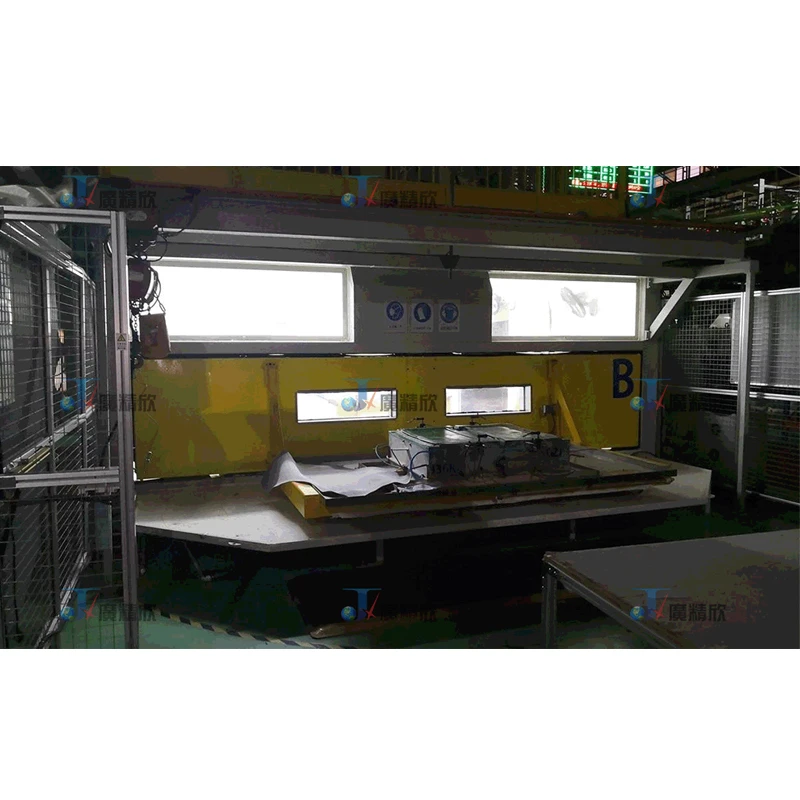
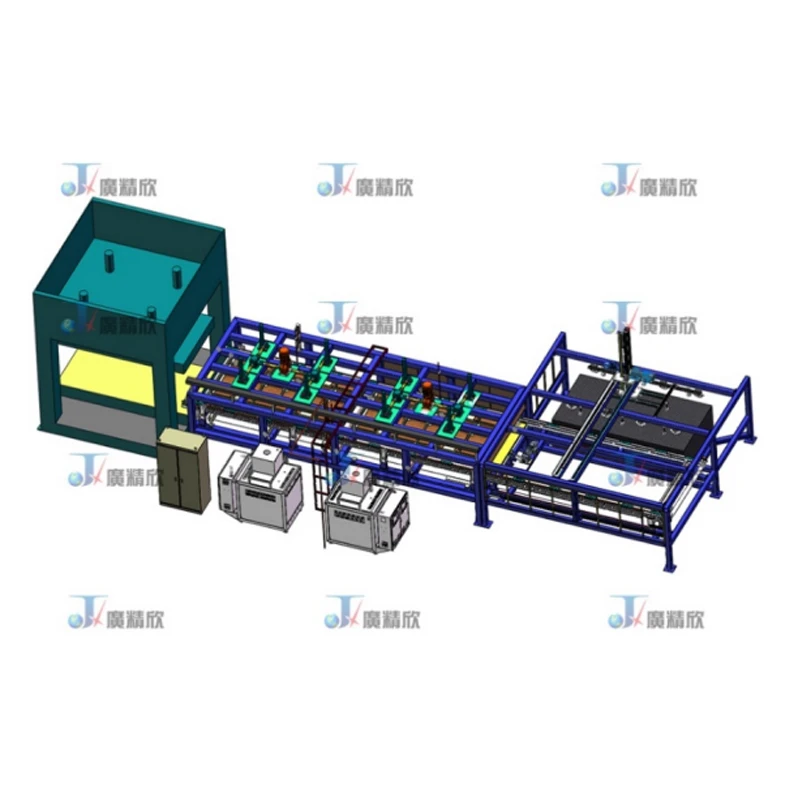
Nigeria's automotive sector is currently experiencing a pivotal shift. Historically dependent on completely built-up (CBU) imports, the industry is moving toward semi-knocked-down (SKD) and completely knocked-down (CKD) assembly. However, the local production of interior components often remains fragmented, relying on labor-intensive processes that struggle to meet global consistency standards.
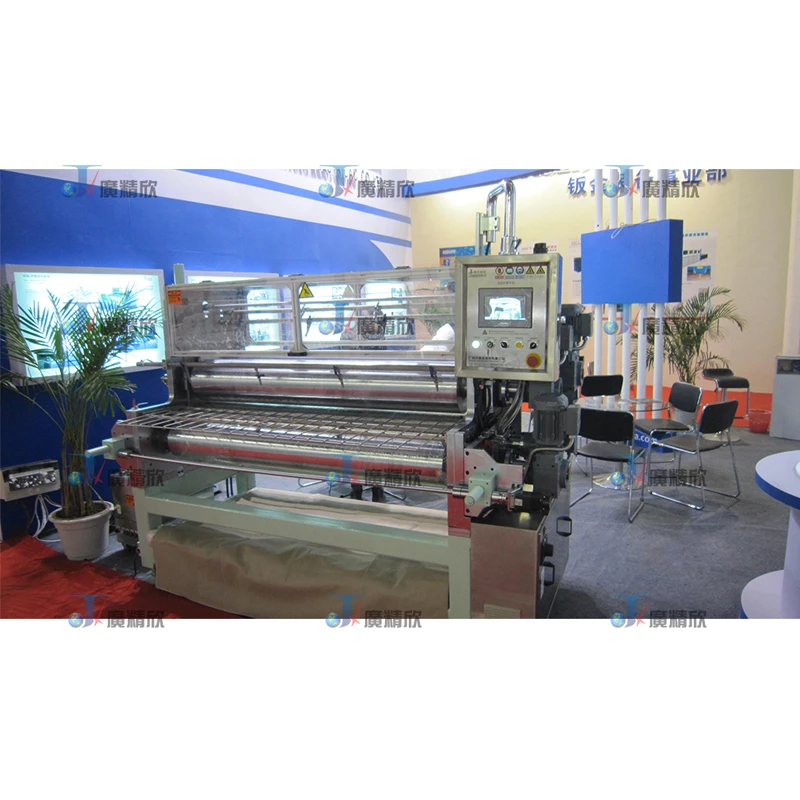
Environmental factors in Nigeria, particularly high humidity and temperature fluctuations, place stringent demands on materials. The need for a robust non woven fabric cutting line has increased as manufacturers seek materials that resist sagging and mold, requiring precision cutting to reduce waste in a cost-sensitive market.
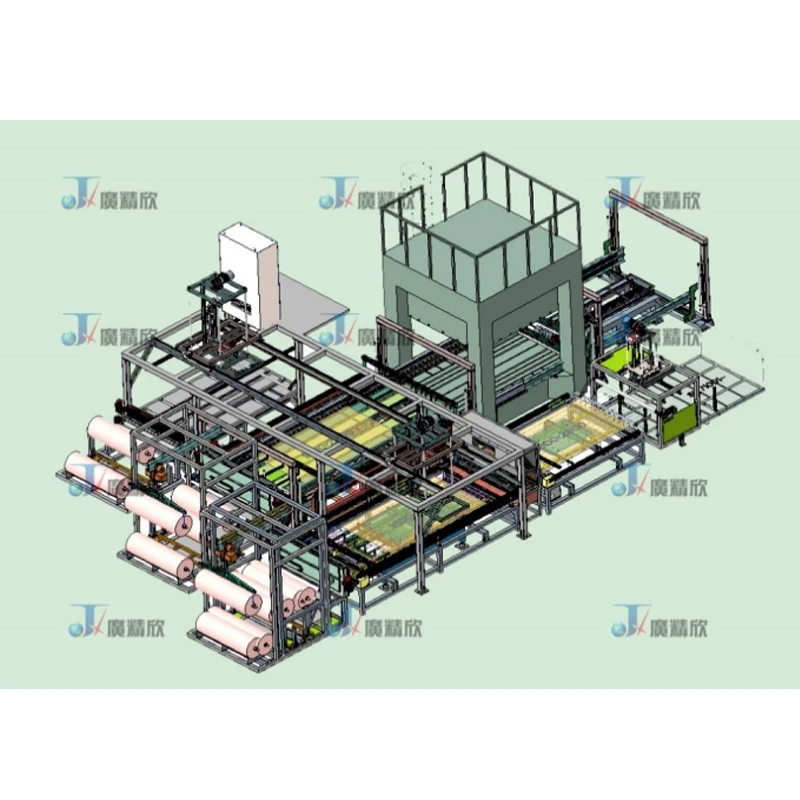
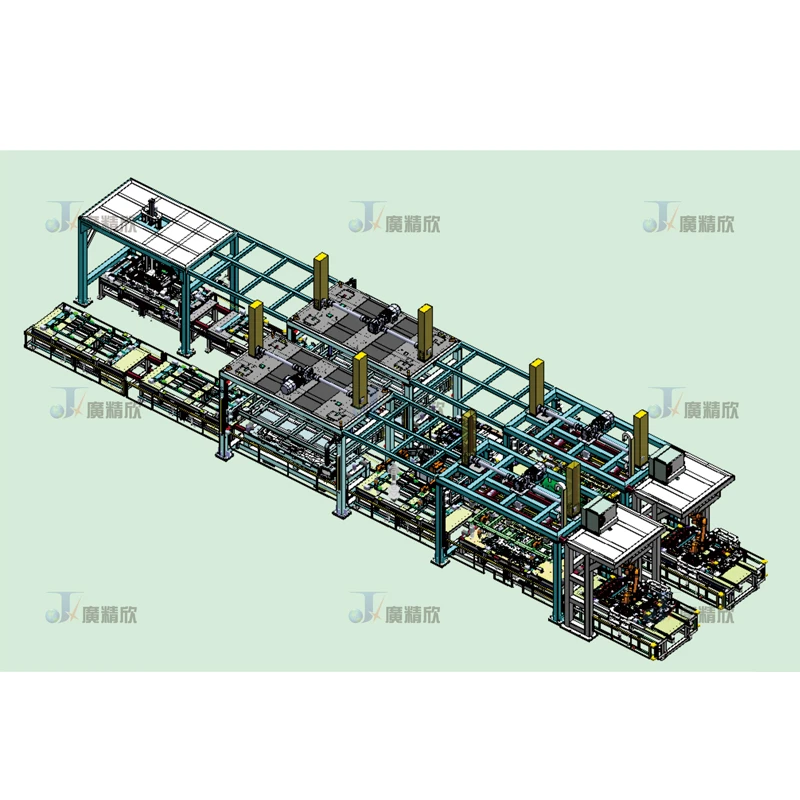
Currently, most Nigerian plants face a "technology gap" where the lack of a fully automatic headlining line limits their ability to scale production for the growing domestic demand in Lagos and Abuja, making the adoption of smart machinery a strategic necessity for survival.