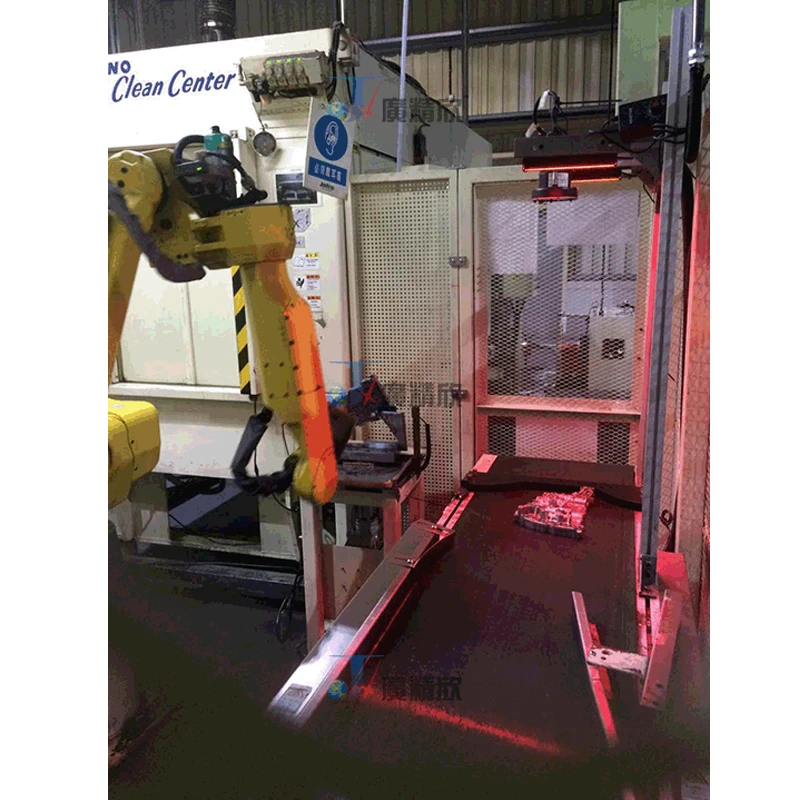
Advanced automotive interior machinery Solutions for Romania's EV Transition

Precision-engineered production lines designed to elevate the efficiency and quality of vehicle interior components across the Romanian automotive cluster.

Advanced automotive interior machinery Solutions for Romania's EV Transition

Providing state-of-the-art automation for the Romanian automotive sector, specializing in high-precision interior trimming and assembly systems that meet strict EU quality standards.

Current State of Automotive Interior Manufacturing in Romania

Analyzing the intersection of traditional craftsmanship and industrial automation in Eastern Europe.

Romania has emerged as a strategic hub for automotive manufacturing in Europe, with a strong presence of OEMs and Tier-1 suppliers. However, many local workshops still rely on semi-automated processes for ceiling and flooring components, creating a bottleneck in production speed and consistency. The demand for a fully automatic headlining line has surged as manufacturers strive to keep pace with the rapid export demands of the EU market.

The Romanian climate, characterized by significant seasonal temperature fluctuations, necessitates materials and machinery that can handle varying humidity levels without affecting the adhesive bonding of interior fabrics. This environmental factor makes the precision of a car ceiling assembly machine critical for ensuring that headliners do not sag or warp over time.

Economically, the shift towards Electric Vehicles (EVs) in cities like Bucharest and Cluj-Napoca is forcing suppliers to redesign interior layouts. This transition requires flexible automotive interior machinery that can be quickly reconfigured for new vehicle models, moving away from rigid, single-purpose toolings to modular, software-driven systems.
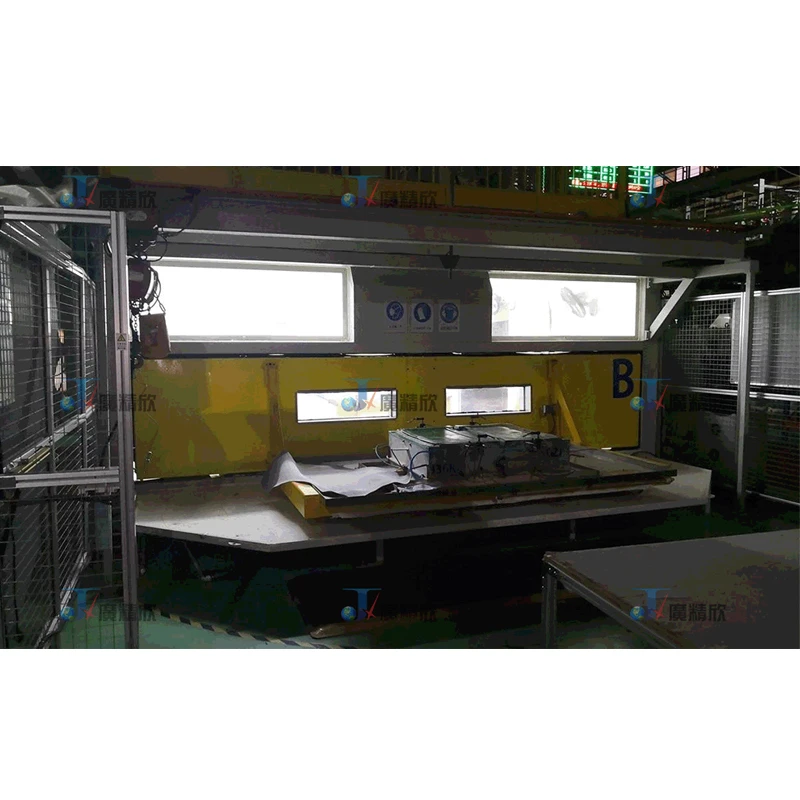
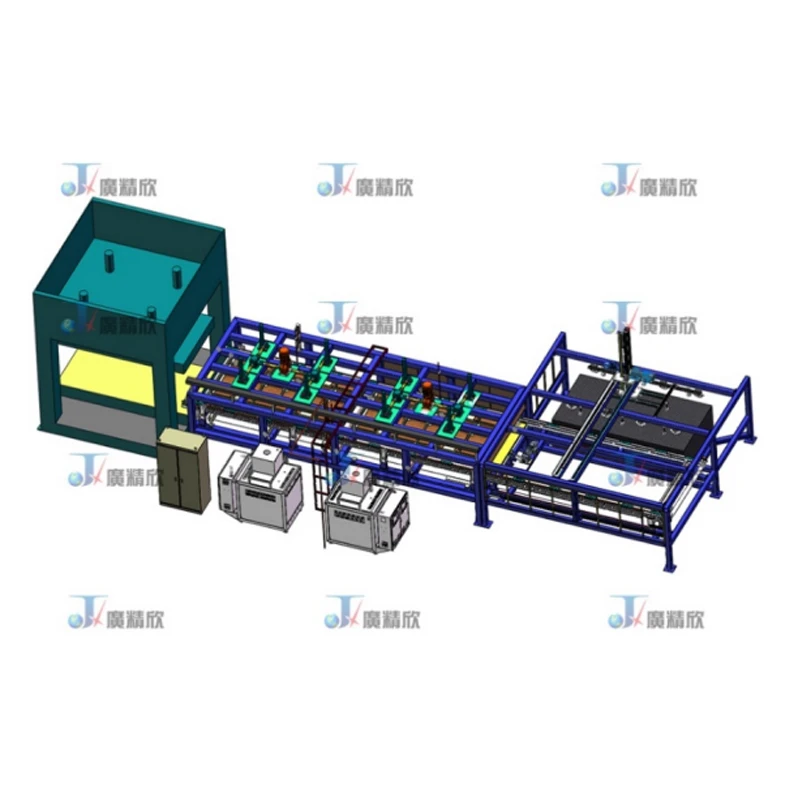
Evolution of Automotive Trimming Technology

From manual cutting to intelligent, zero-waste autonomous production.

Market Development History

In the early 2000s, the Romanian automotive interior sector was dominated by manual labor and basic die-cutting. Production was slow, and material waste was high, especially when dealing with non-woven fabrics. Most components were assembled using manual glue application and handheld presses.

Between 2010 and 2020, the industry entered a phase of "Semi-Automation." Pneumatic cutting tables and basic conveyor systems were introduced. This era saw the rise of the non woven fabric cutting line, which reduced human error and significantly improved the precision of the initial fabric blanks.

From 2021 onwards, the focus shifted toward "Industry 4.0." The integration of PLC controls and servo-driven motors led to the adoption of the automatic car carpet line, allowing for seamless integration between cutting, molding, and finishing processes with minimal human intervention.

Future Development Trends

AI-Driven Quality Inspection

Integration of computer vision systems to detect fabric defects in real-time, automatically adjusting cutting paths to minimize waste.

Eco-Friendly Bonding Agents

Transitioning to bio-based adhesives and ultrasonic welding to meet the stringent EU "Green Deal" environmental regulations for vehicle interiors.

Hyper-Modular Production

Development of "Plug-and-Play" machinery modules that allow manufacturers to switch between different car models in minutes rather than days.

Industry Trends and Future Outlook

Forecasting the technological trajectory of automotive interior assembly in Romania.

Sustainable Material Handling
Integration of recycled non-woven fabrics into the non woven fabric cutting line to reduce carbon footprints.
Smart Factory Integration
Connecting the fully automatic headlining line to cloud ERPs for real-time production tracking.
EV-Specific Interior Design
Optimizing automotive interior machinery for the larger, open-cabin designs of electric vehicles.
Precision Robotics
Replacing manual trimming with high-precision robotic arms in the car ceiling assembly machine.

Industry Outlook

Google search trends for "automated automotive assembly" in Romania show a steady 15% year-on-year increase, indicating a strong shift toward capital-intensive automation. As the labor market tightens in Eastern Europe, the reliance on autonomous lines will become a survival necessity for Tier-2 suppliers.

The future will see a convergence of material science and mechanical engineering, where the automatic car carpet line will not only assemble but also perform quality checks using AI, ensuring a zero-defect rate for luxury vehicle interiors exported to Western Europe.

Local Application Scenarios in Romania

Tailored machinery implementation for the diverse Romanian automotive landscape.

1. High-Volume OEM Support in Pitesti

Implementing a fully automatic headlining line for large-scale production to meet the rigorous daily output requirements of major European car brands based in Pitesti.

2. Custom Luxury Trim Shops in Bucharest

Utilizing a flexible car ceiling assembly machine to produce high-end, customized headliners for the growing luxury and executive vehicle market in the capital.

3. EV Start-up Component Hubs

Deploying modular automotive interior machinery for agile production of interiors for next-generation electric shuttles and urban mobility vehicles.

4. Industrial Fabric Processing Centers

Installing a high-speed non woven fabric cutting line to supply pre-cut blanks for multiple small-scale interior workshops across the region.

5. Commercial Vehicle Flooring Plants

Integrating an automatic car carpet line specifically calibrated for heavy-duty trucks and vans, focusing on durability and precise edge sealing.

Brand Story

Global Development Journey of Guangzhou Jingxin Electromechanical Co., Ltd.

Engineering Foundations

Started with a mission to solve the inefficiency of manual fabric trimming, focusing on the precision of initial cutting systems for the domestic market.

Technological Breakthrough

Developed the first integrated automation system that combined heating, pressing, and cutting, reducing labor costs by 60% for automotive suppliers.

Global Market Expansion

Expanded our footprint into the European market, adapting our machinery to meet the CE certifications and high quality-control standards of the EU.

Innovation in Sustainability

Pioneered waste-reduction algorithms for cutting lines, ensuring that maximum material usage is achieved for every roll of non-woven fabric.

Industry Leadership

Today, we stand as a global leader in automotive interior machinery, committed to driving the industry toward a smarter, greener, and more efficient future.

Complete Interior Production Suite for Romania

From raw fabric to finished interior components, we provide the full spectrum of automation.

Common Questions for Romanian Manufacturers

Expert answers to the most pressing technical and operational queries.

How does a fully automatic headlining line improve production ROI in Romania?

By eliminating manual errors and reducing labor costs, these lines typically see an ROI within 18-24 months through increased throughput and a 30% reduction in material waste.

Can your automotive interior machinery handle recycled eco-fabrics?

Yes, our machinery is designed with adjustable pressure and temperature controls to accommodate the different physical properties of recycled non-woven materials.

What is the typical installation time for an automatic car carpet line?

Standard installation takes 3-5 weeks, including calibration and staff training, ensuring your plant is operational with minimal downtime.

Is the car ceiling assembly machine compatible with different vehicle models?

Absolutely. Our machines feature quick-change mold systems and programmable logic controllers (PLC) to switch between various car models effortlessly.

How precise is the non woven fabric cutting line for complex shapes?

Our cutting lines use high-precision CNC control, achieving an accuracy of ±0.5mm, which is essential for the tight tolerances of modern vehicle interiors.

Do you provide after-sales support for machinery installed in Romania?

We offer comprehensive remote diagnostic support and have a network of certified technicians available for on-site maintenance and parts replacement.

Ready to Automate Your Interior Production?

Contact our engineering team today to get a customized solution for your facility in Romania.

Contact Us Now

If you are interested in our products, you can choose to leave your information here, and we will be in touch with you shortly.