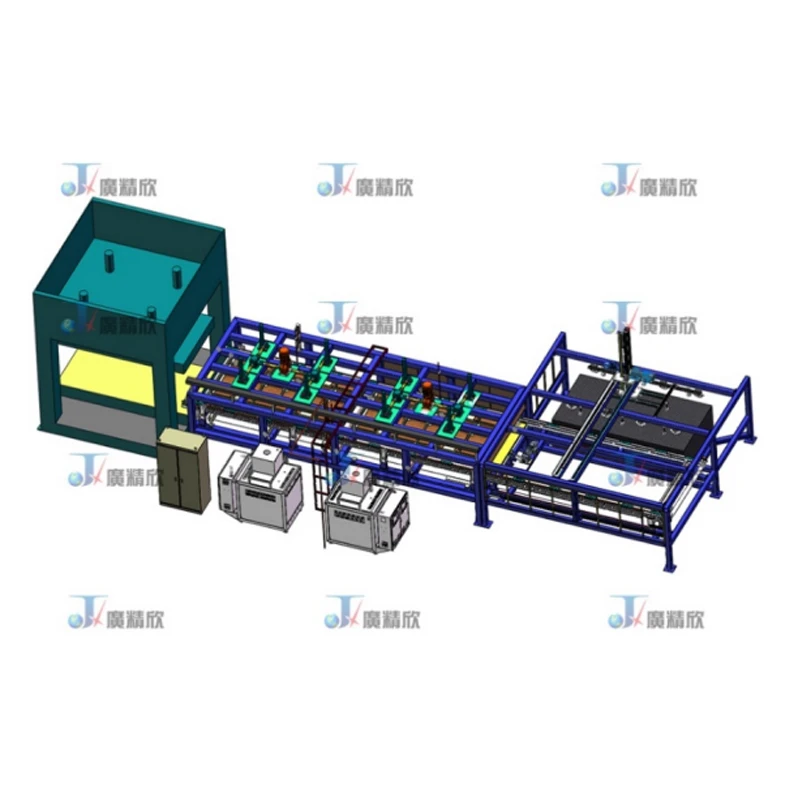
Advanced automotive interior machinery Solutions for Bolivia's Growing Auto Market

Integrating precision engineering and high-efficiency automation to elevate the domestic production of vehicle interiors in the Bolivian automotive sector.

Advanced automotive interior machinery Solutions for Bolivia's Growing Auto Market

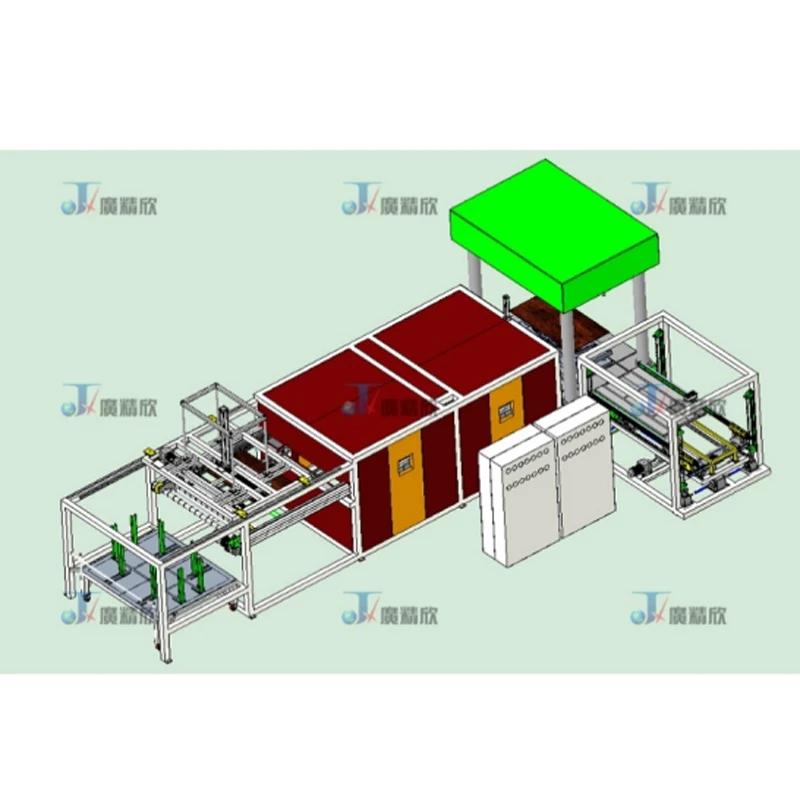
Empowering Bolivian manufacturers with high-performance automation tools, including the fully automatic headlining line, to reduce manual labor and increase production consistency.

Analyzing the State of Automotive Interior Manufacturing in Bolivia

Challenges and opportunities in the Andean region's specialized equipment sector.

Bolivia's automotive industry is currently characterized by a transition from small-scale assembly to more formalized manufacturing. Due to the varied geography—from the high Altiplano to the tropical lowlands—vehicle interiors must withstand extreme temperature fluctuations, necessitating high-quality automotive interior machinery that can process durable, climate-resistant materials.

Currently, many local workshops still rely on semi-manual processes for ceiling and floor installation. The lack of a widespread automatic car carpet line has led to inconsistencies in product quality and higher waste rates, particularly when dealing with high-density non-woven fabrics used in rugged terrain vehicles.

Economic shifts and the rise of electric vehicle assembly interests in South America are pushing Bolivian firms to adopt an automatic car carpet line to remain competitive. The focus is shifting toward reducing operational costs through automation while meeting international safety and aesthetic standards.
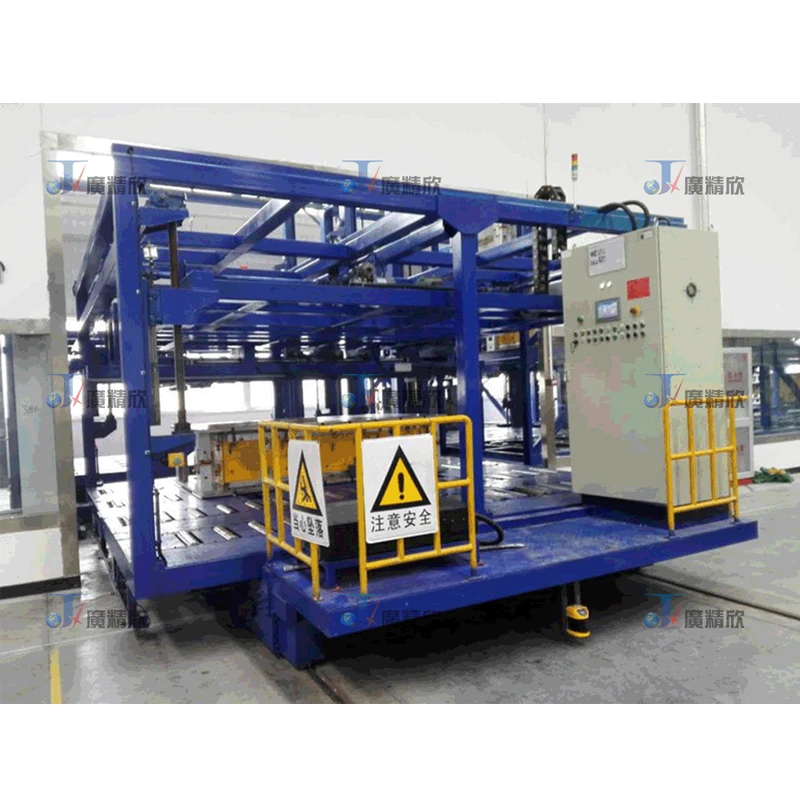
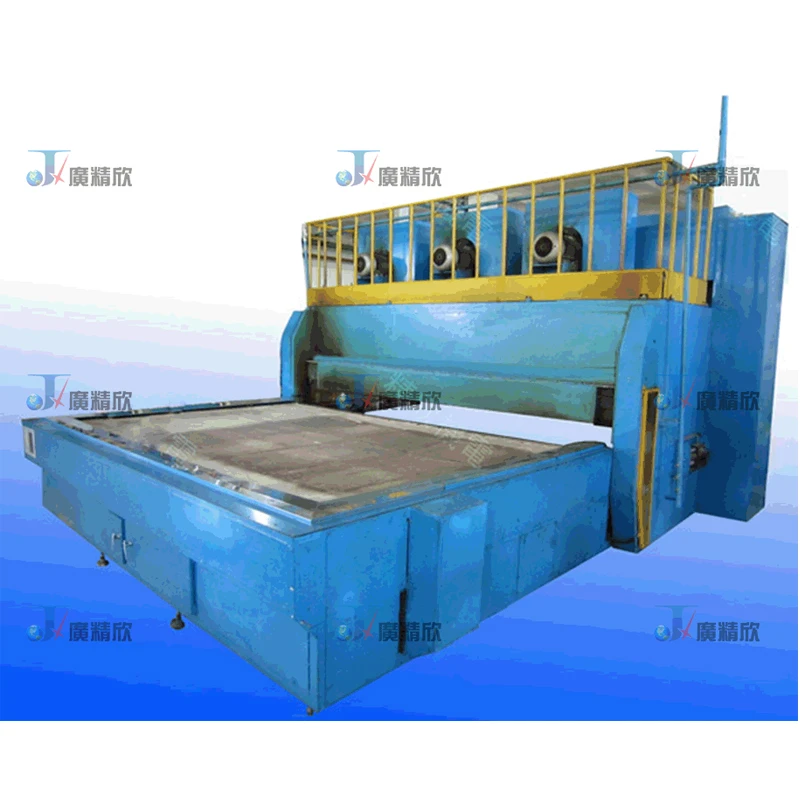
Evolution and Trajectory of Interior Assembly Technology

From manual craftsmanship to digital precision in car ceiling production.

Market Development History

Before 2010, the Bolivian market relied almost exclusively on imported pre-fabricated interior components or rudimentary manual cutting. The "Craftsman Era" meant that every car ceiling was essentially hand-fitted, leading to significant variance in quality.

Between 2010 and 2020, we saw the introduction of semi-automatic hydraulic presses and basic non woven fabric cutting line systems. This period marked the shift toward standardization, allowing for the first iterations of localized mass production for utility vehicles.

From 2021 onwards, the integration of PLC-controlled systems and a car ceiling assembly machine has become the new benchmark. Modern facilities now prioritize synchronized heating and pressing cycles to ensure permanent adhesion and structural integrity.

Future Development Trends

Smart Integration & Industry 4.0

The next 3 years will see the adoption of IoT-enabled car ceiling assembly machine units that provide real-time data on fabric tension and adhesive temperature.

Sustainable Material Processing

With global trends moving toward eco-friendly interiors, there is a rising demand for specialized non woven fabric cutting line technology that minimizes scrap and handles recycled polymers.

Hyper-Automation of Trims

Google search trends indicate a spike in "automated interior trimming" in the Andean region, suggesting a shift toward fully integrated fully automatic headlining line systems that handle everything from cutting to final inspection.

Industry Outlook and Future Perspectives

Strategizing for the next generation of automotive interior production in Bolivia.

AI-Driven Precision
Implementation of AI vision systems in the fully automatic headlining line to detect fabric defects instantly.
Modular Scalability
Developing modular automotive interior machinery that allows factories to scale production as demand grows.
Green Manufacturing
Low-energy heating elements in the car ceiling assembly machine to reduce carbon footprints.
Material Versatility
Upgraded non woven fabric cutting line systems capable of handling hybrid composite materials.

Industry Outlook

The outlook for Bolivia is strongly linked to the regional integration of the Mercosur trade bloc, which is expected to increase the flow of vehicle components. This creates a massive opportunity for local firms to transition from importers to producers by investing in high-end automotive interior machinery.

We project that within 5 years, the demand for customized vehicle interiors will lead to a hybrid production model—where automated lines handle the base structure, and robotic cells handle personalized finishes, fundamentally changing the operational logic of Bolivian auto plants.

Localized Application Scenarios in Bolivia

Practical implementations of automation across various Bolivian automotive needs.

01. Heavy-Duty SUV Interior Production

Utilizing the fully automatic headlining line to produce thick, sound-dampening ceilings for 4x4 vehicles used in the Bolivian highlands, ensuring durability against high-altitude UV radiation.

02. Urban Transit Bus Fleet Upgrades

Implementing a high-capacity automatic car carpet line for the mass production of industrial-grade floor coverings for city buses in La Paz and Santa Cruz.

03. Specialized EV Prototype Assembly

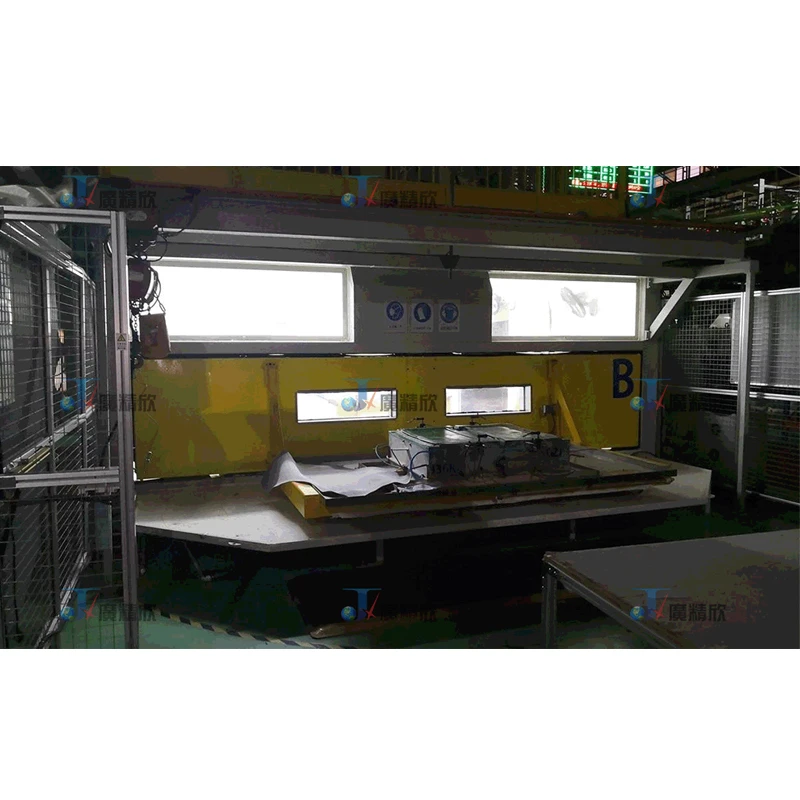
Integrating a precision car ceiling assembly machine for the emerging electric vehicle startups in Bolivia to achieve lightweight, aerodynamic interior fittings.

04. Non-Woven Fabric Component Supplier

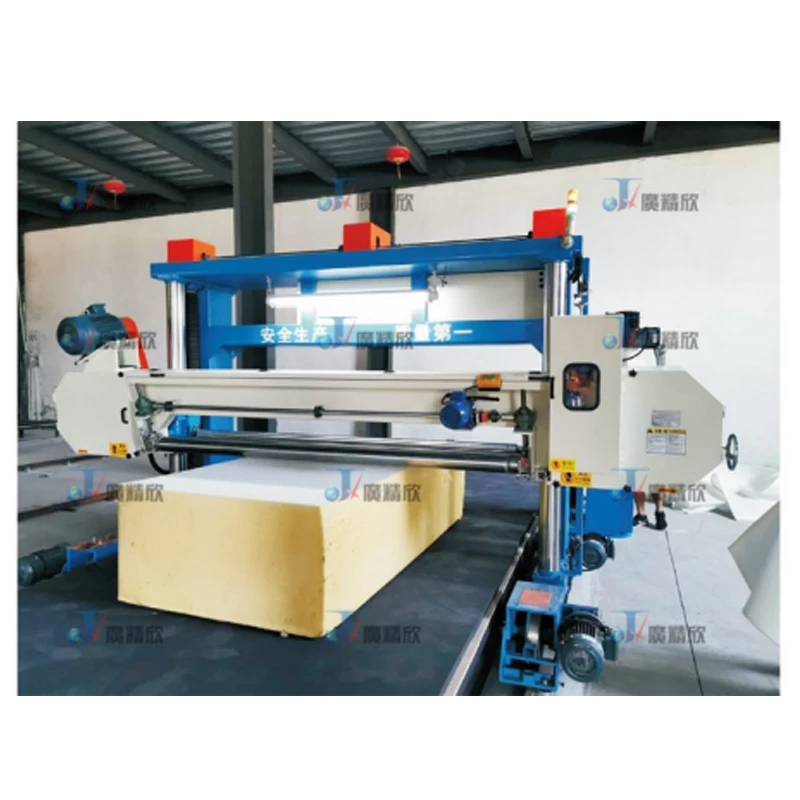
Setting up a dedicated non woven fabric cutting line for local textile suppliers to provide pre-cut interior blanks to multiple small assembly plants.

05. Luxury Vehicle Aftermarket Customization

Using modular automotive interior machinery to create high-end, custom-stitched headliners and carpets for the luxury vehicle market in Bolivia.

Brand Story

Global Development History of Guangzhou Jingxin Electromechanical Co., Ltd.

Foundational Engineering

Started with a mission to solve the inefficiency of manual fabric cutting, focusing on the core mechanics of precision automotive trimming.

Automation Breakthrough

Developed the first integrated fully automatic headlining line, eliminating human error in the heating and pressing stages.

Global Expansion

Extended our reach into the South American market, tailoring our automotive interior machinery to meet local climatic and industrial requirements.

Technological Synergy

Integrated AI and smart sensors into our car ceiling assembly machine, setting new standards for industry 4.0.

Sustainable Future

Committed to eco-friendly manufacturing, optimizing the non woven fabric cutting line to reduce global industrial waste.

Comprehensive Interior Equipment Portfolio for Bolivia

A full suite of machinery designed to streamline the entire vehicle interior production process.

Bolivian Automotive Machinery FAQ

Expert answers to common technical and logistical questions.

How does a fully automatic headlining line improve production speed in Bolivia?

By synchronizing the cutting, gluing, and pressing stages, it reduces the production cycle per unit by up to 60% compared to semi-manual methods used in local workshops.

Can the automotive interior machinery handle high-density Bolivian textiles?

Yes, our machinery is designed with adjustable pressure and heat settings to accommodate a wide range of fabric densities, including rugged non-woven materials.

What is the maintenance requirement for an automatic car carpet line in high-altitude areas?

Our systems include specialized lubrication and sealing to prevent wear and tear caused by the thin air and dust typical of the Altiplano region.

Is the car ceiling assembly machine compatible with different vehicle models?

Absolutely. The machine utilizes interchangeable molds and programmable logic controllers (PLC) to switch between different car models rapidly.

How does the non woven fabric cutting line reduce material waste?

Our nesting software optimizes the placement of patterns on the fabric roll, significantly reducing scrap and lowering the cost per unit.

What training is provided for operators of automotive interior machinery in Bolivia?

We provide comprehensive remote technical training and detailed English/Spanish manuals to ensure your local team can operate and maintain the equipment efficiently.

Ready to Automate Your Production?

Contact our engineering team today to customize your interior production line for the specific demands of Bolivia.

Contact Us Now

If you are interested in our products, you can choose to leave your information here, and we will be in touch with you shortly.