



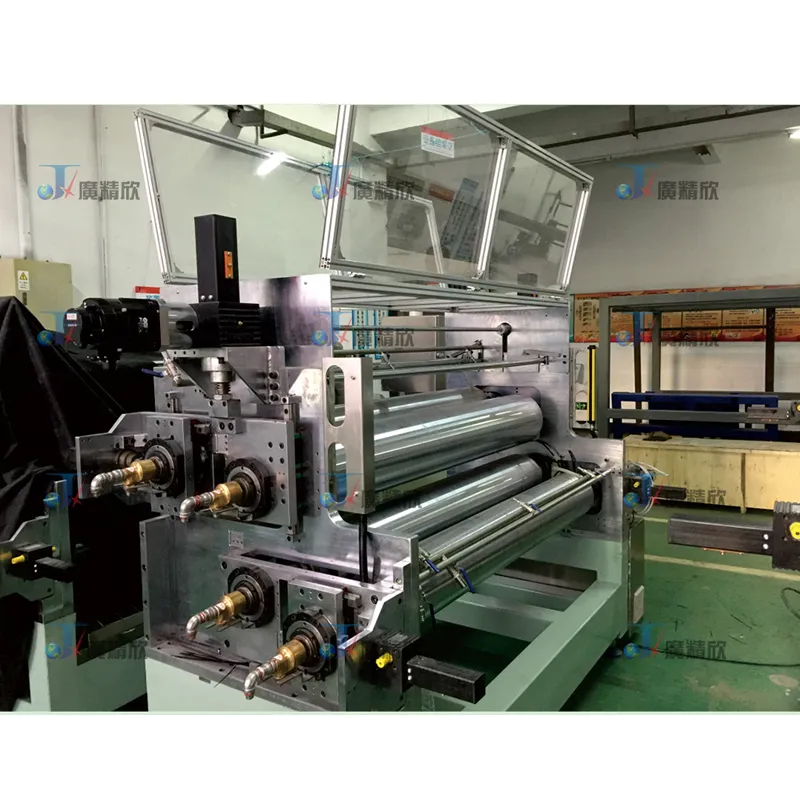
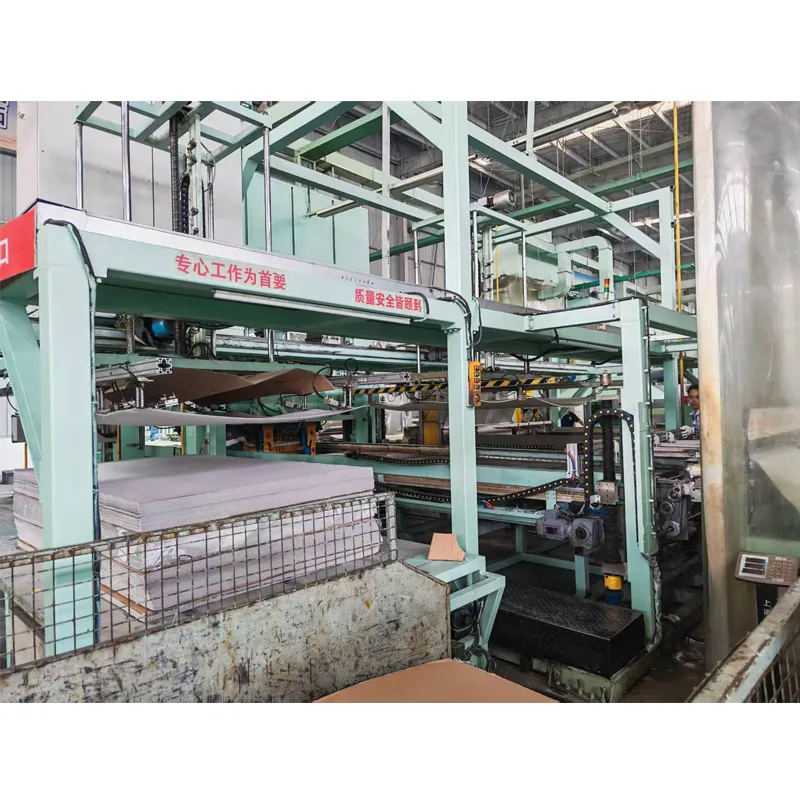
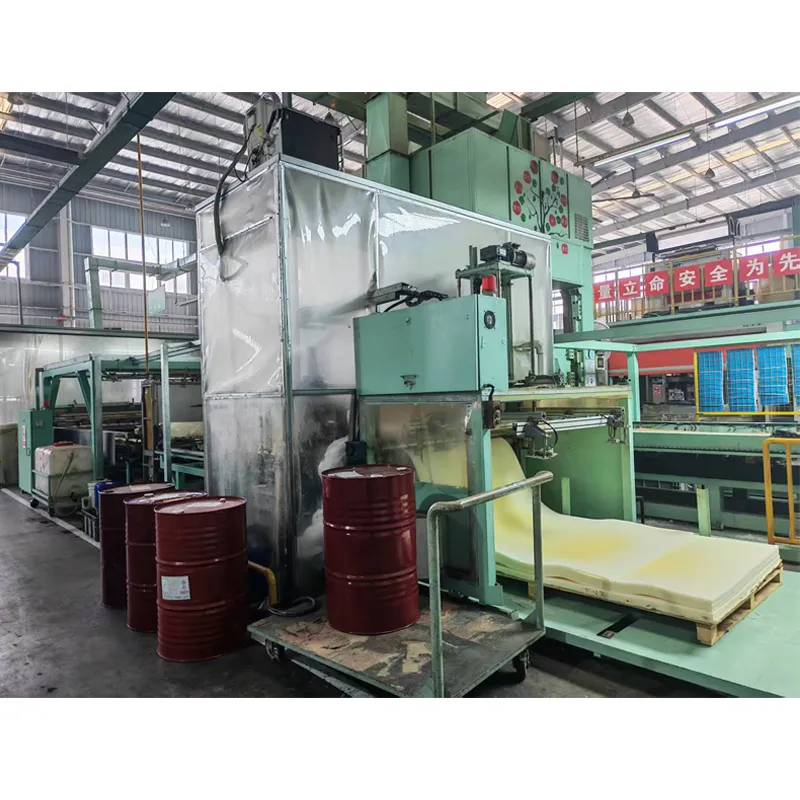
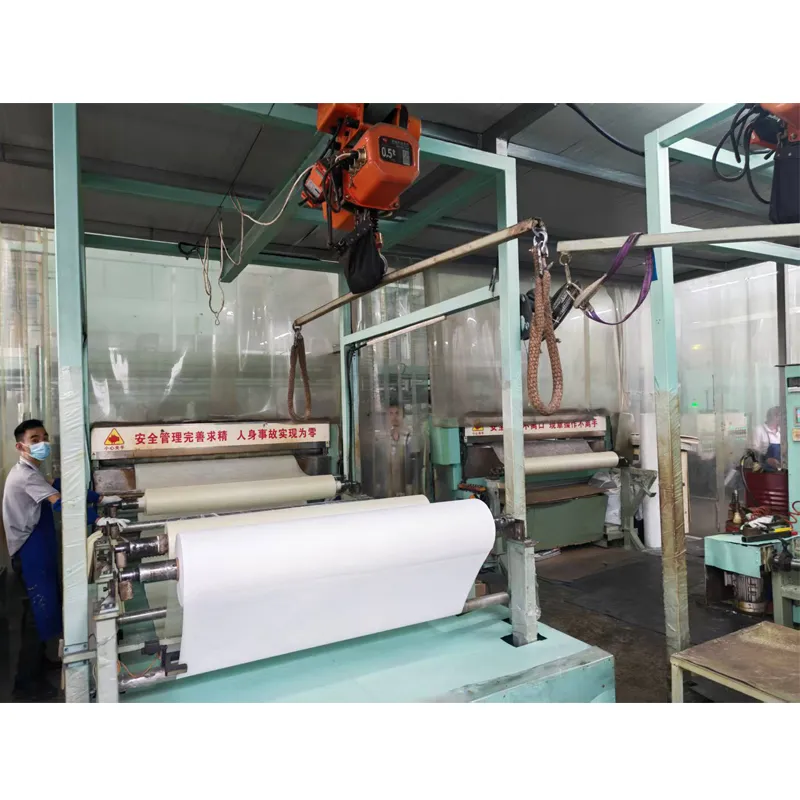
The Automobile Headliner Wet Method Line is a high-performance industrial solution specifically engineered for the production of premium vehicle interior headliners. By utilizing an advanced fiberglass rolling adhesive process combined with PU plate spraying, this system ensures superior structural integrity, enhanced sound insulation, and exceptional durability for modern automotive interiors.
Designed for scalability and precision, the production line integrates a seamless workflow from material feeding to final forming. It employs a sophisticated multi-layer superposition process—combining non-woven fabrics and fiberglass felt—to deliver a consistent, high-quality finish that meets the rigorous standards of the global automotive manufacturing industry.
Detailed Parameters
| Production Cycle | Up to 62 seconds per piece | Process Method | Wet Method (Fiberglass Rolling Adhesive) |
|---|---|---|---|
| Core Material | Glass Fiber Felt & PU Plate | Layer Structure | 5-Layer Superposition |
| Feeding System | Automated Coil & PU Feeding | Cutting Precision | High-Accuracy Optimized Cutting |
| Operator Requirement | 1-2 Skilled Operators | forming Process | Pressure Maintaining Forming Press |
| 控制系统 | MAS Management Monitoring | 应用 | Automotive Interior Headliner |
主要优势
Structural Integrity
The combination of glass fiber rolling glue and PU spraying ensures maximum adhesion and long-term durability.
High Efficiency
Fully automated workflow achieves a rapid production rhythm of 62 seconds per unit for large-scale output.
Labor Optimization
Reduces workforce requirements by 4-5 workers compared to traditional manual production methods.
Material Savings
Precise cutting systems minimize clamping distance and material waste, significantly lowering raw cost.
Enhanced Insulation
Optimized PU plate spraying enhances the sound-dampening and thermal insulation properties of the headliner.
Intelligent Control
Integration with MAS monitoring enables real-time tracking and error prevention via material scanning.
Product Gallery
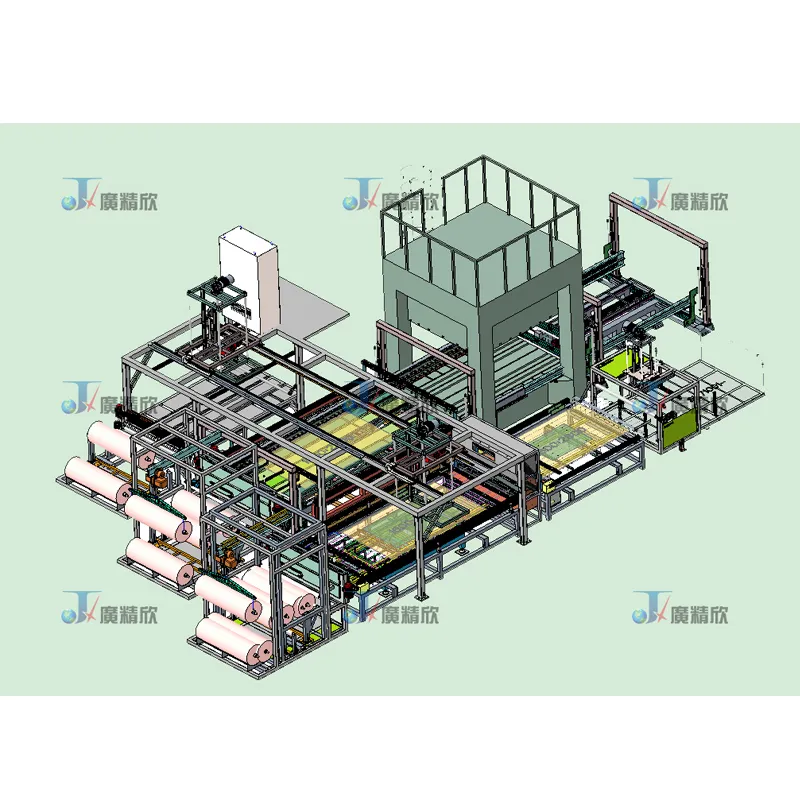
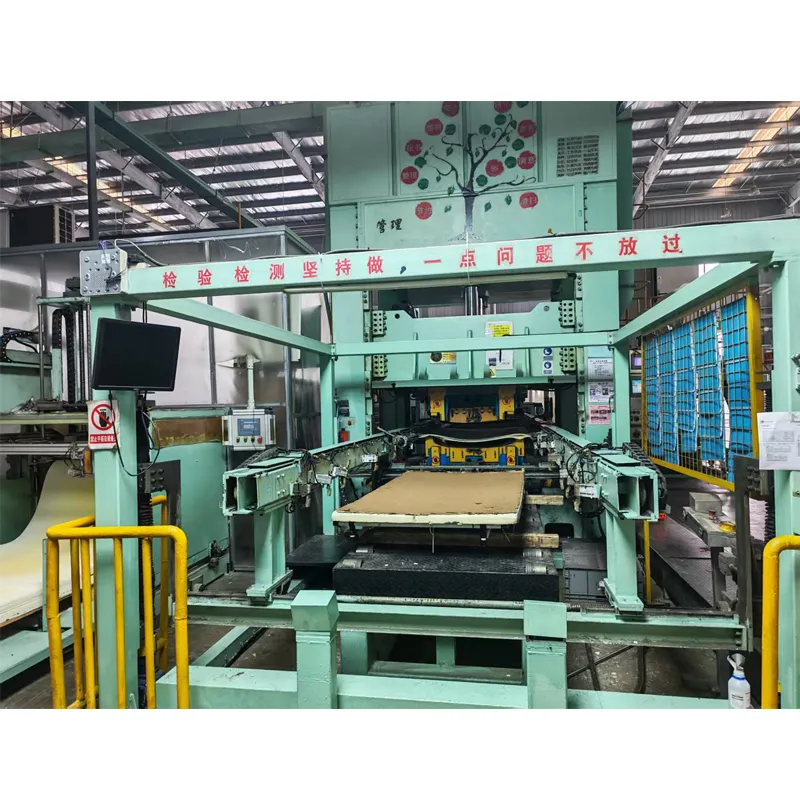
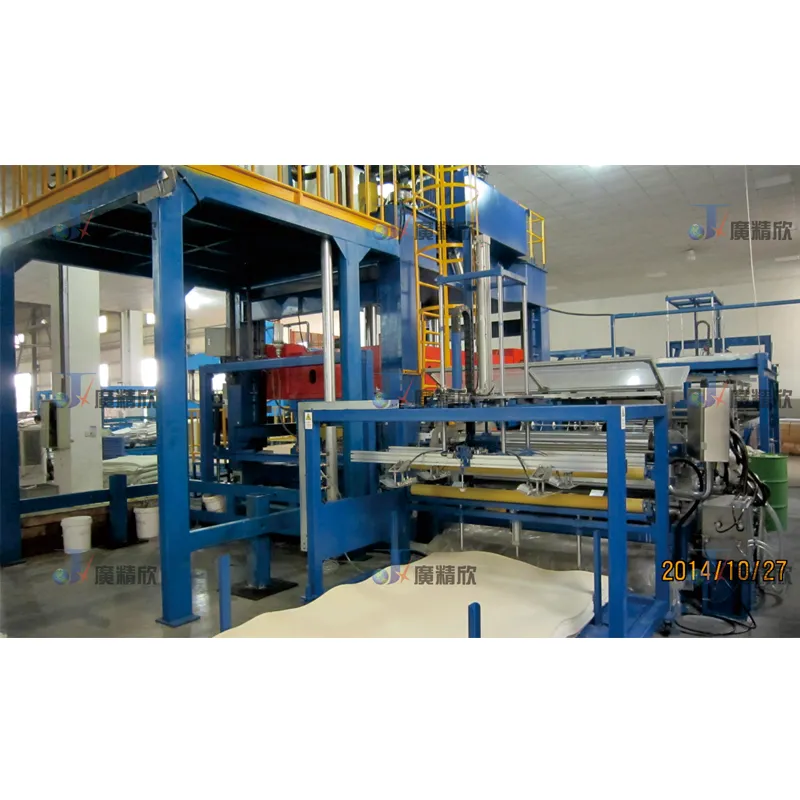
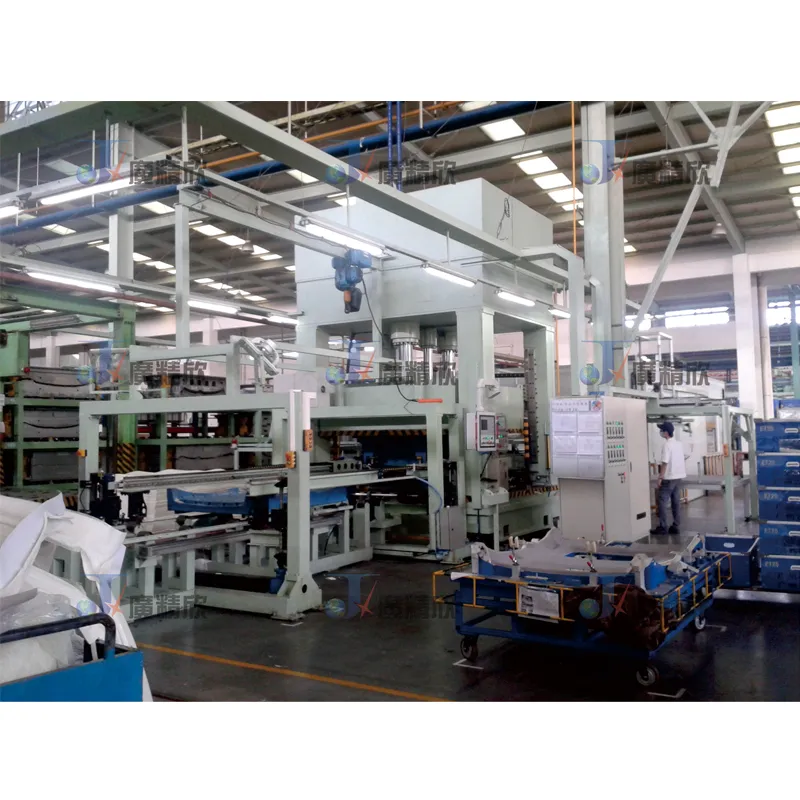
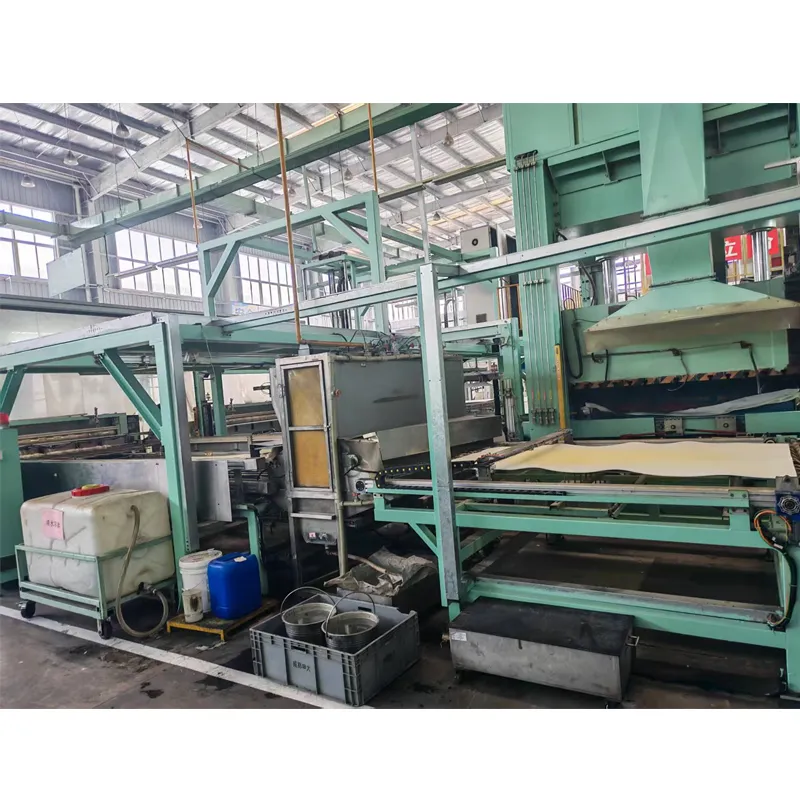
Management Platforms
MAS Monitoring
Real-time production monitoring to ensure full transparency of the manufacturing workflow.
Error Prevention
Integrated material scanning systems to eliminate processing errors and waste.
Visual Management
Optimized visual dashboards for better workflow coordination and bottleneck identification.
Quality Control
Ultrasonic warning label systems to ensure safety and strict adherence to quality standards.
Positioning System
Non-woven fabric positioning mechanisms for absolute material alignment accuracy.
Reinforcement Module
Specialized glass fiber reinforcement placement for enhanced product strength.
Investment Return Comparison
| Comparison Metric | Traditional Manual Line | Automated Wet Method Line |
|---|---|---|
| Labor Requirement | 6-7 Operators | 1-2 Operators |
| 周期 | Slow/Variable | Fast (62s per piece) |
| Material Waste | High (Manual Cutting) | Low (Precise System) |
| Product Consistency | Variable | High Precision/Uniform |
| Operational Cost | High Overhead | Optimized Low Cost |
Frequently Asked Questions
The Wet Method, specifically the fiberglass rolling adhesive process, provides superior adhesion and structural integrity, resulting in headliners with better sound insulation and durability.
It reduces costs by minimizing labor (requiring only 1-2 operators) and optimizing material utilization through a high-precision cutting system that reduces waste.
The system is designed for high-speed mass production, achieving a rapid cycle time of approximately 62 seconds per finished piece.
Yes, it is designed to integrate with the MAS management monitoring system for real-time production tracking and error prevention.
The process typically involves five layers of materials, including non-woven fabrics, fiberglass felt, and PU plate spraying for optimal strength and finish.
Quality is ensured through an ultrasonic warning label system, material scanning to prevent errors, and a precise positioning system for material alignment.