The landscape of motor vehicle parts manufacturing has evolved from simple mechanical assembly to a high-precision science integrating material engineering and automated systems. Today, the focus has shifted toward the interior cabin experience, where the convergence of comfort, acoustics, and aesthetics defines the value of a vehicle. Achieving this requires sophisticated production lines capable of handling complex fabrics and composite materials with absolute consistency.
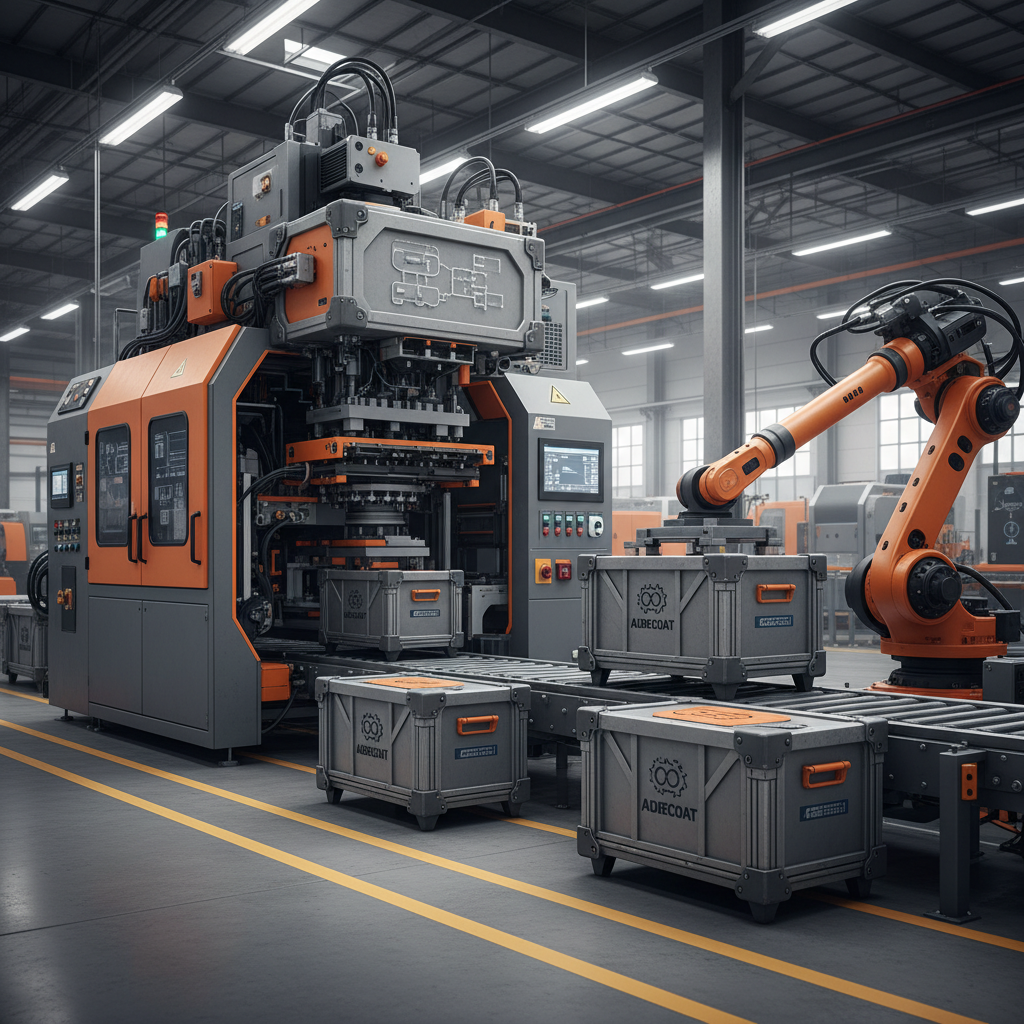
Across the globe, the demand for specialized interior components—such as headliners and sound insulation pads—is driving a revolution in how factories operate. The integration of smart automation and sustainable lamination processes ensures that manufacturers can meet rigorous ISO standards while reducing waste. This systemic shift is not merely about speed, but about the precision required to ensure every part fits perfectly within the tight tolerances of modern automotive design.
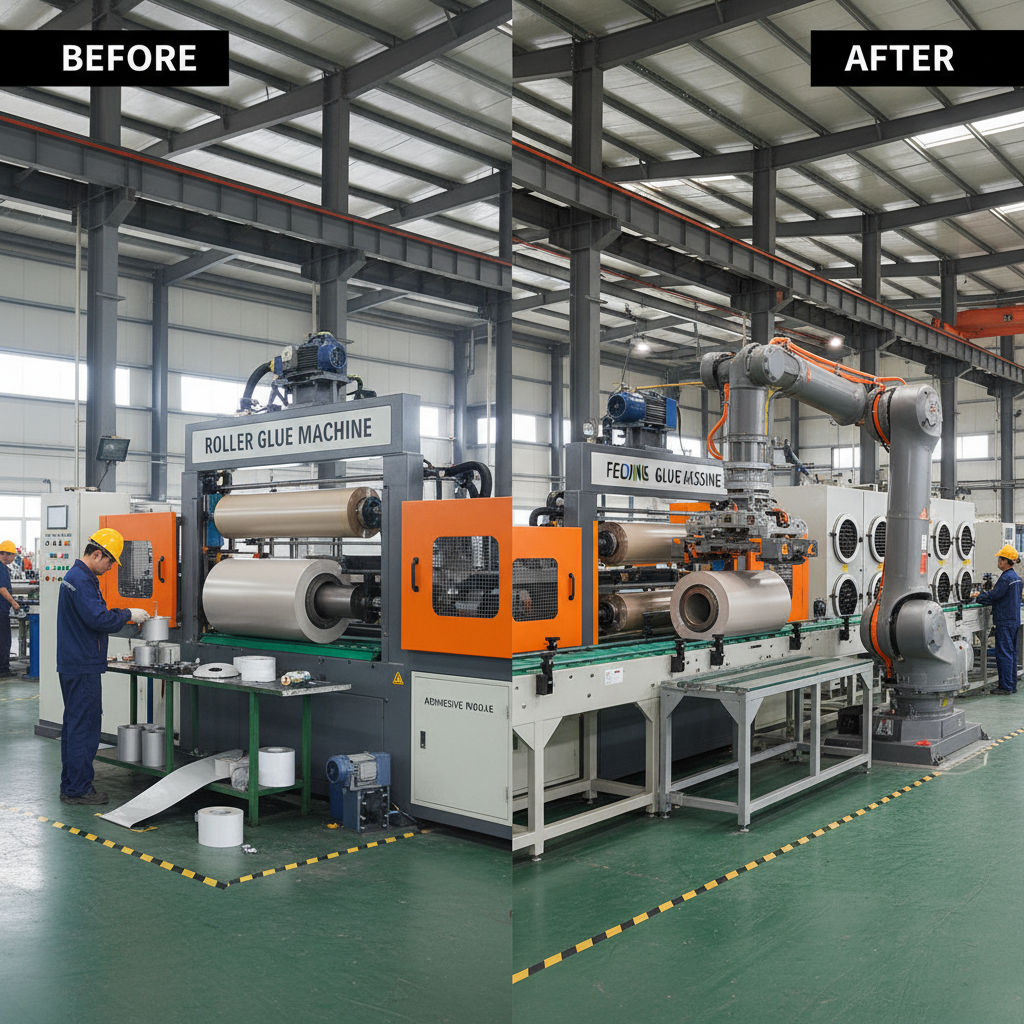
Understanding the intricacies of motor vehicle parts manufacturing allows industry stakeholders to optimize their supply chains and enhance product durability. By leveraging advanced equipment like fabric lamination lines and interior cutting systems, companies can transition from manual, error-prone methods to scalable, industrial-grade production. This evolution is critical for staying competitive in an era where electric vehicles (EVs) demand lighter, more sustainable interior materials.
Global Impact of Motor Vehicle Parts Manufacturing
The global scale of motor vehicle parts manufacturing is a cornerstone of international trade, contributing trillions to the global GDP. With the rise of megacities and the expansion of logistics networks, the demand for durable, high-quality vehicle interiors has surged. According to industry benchmarks and ISO quality standards, the precision of interior components directly affects the safety and perceived quality of the end-user experience.
However, the industry faces a significant challenge: the struggle to balance mass production with the increasing demand for customized, sustainable materials. Traditional methods often result in high material scrap rates and inconsistent bonding in headliners. This gap has created an urgent need for advanced production auxiliary equipment and automated lamination lines that can ensure uniformity across millions of units.
Defining Modern Automotive Interior Production
In simple terms, motor vehicle parts manufacturing refers to the end-to-end process of creating the components that make up a vehicle's structure and cabin. While engine and chassis parts are vital, the "soft trim" sector—including headliners, carpets, and sound insulation—is where material science meets industrial design. This involves complex processes like fabric lamination, thermal forming, and precision cutting.
Modern production is no longer just about cutting shapes; it is about creating multi-layered composite structures. For instance, an Automobile Headliner Assembly Line must bond a decorative fabric to a foam layer and a rigid backing, ensuring the final product is lightweight yet structurally sound. This intersection of chemistry and mechanics is what allows cars to be quieter and more energy-efficient.
From a broader perspective, this industry addresses the humanitarian need for safer and more accessible transportation. By optimizing the production of interior sound insulation and safety-rated headliners, manufacturers reduce driver fatigue and improve crashworthiness, making every journey safer for passengers globally.
Core Components of Interior Assembly Lines
The efficiency of motor vehicle parts manufacturing relies heavily on the synergy between different production stages. The foundation begins with the Automotive Fabric Lamination Line, where base fabrics are bonded with adhesives or heat to create the raw material sheets used for all interior trims.
A critical distinction exists between the Automotive Headliner Dry Production Line and the Wet Production Line. Dry lines utilize thermal bonding and adhesives for faster throughput, whereas wet lines employ resins and specialized curing processes for higher structural rigidity and specific acoustic properties, depending on the vehicle's luxury segment.
Finally, the process is completed by Interior Cutting Equipment and Form and Die systems. These tools ensure that the laminated materials are trimmed to exact specifications, eliminating manual error and ensuring that the Wheel House & Interior Sound Insulation Pads fit snugly into the vehicle frame to block road noise effectively.
Key Performance Factors in Part Fabrication
When evaluating the success of motor vehicle parts manufacturing, four pillars stand out: durability, scalability, precision, and material efficiency. Durability ensures that interior carpets and headliners do not sag or fade over a decade of use. Scalability allows a plant to switch between different vehicle models quickly by updating the Interior Form and Die settings.
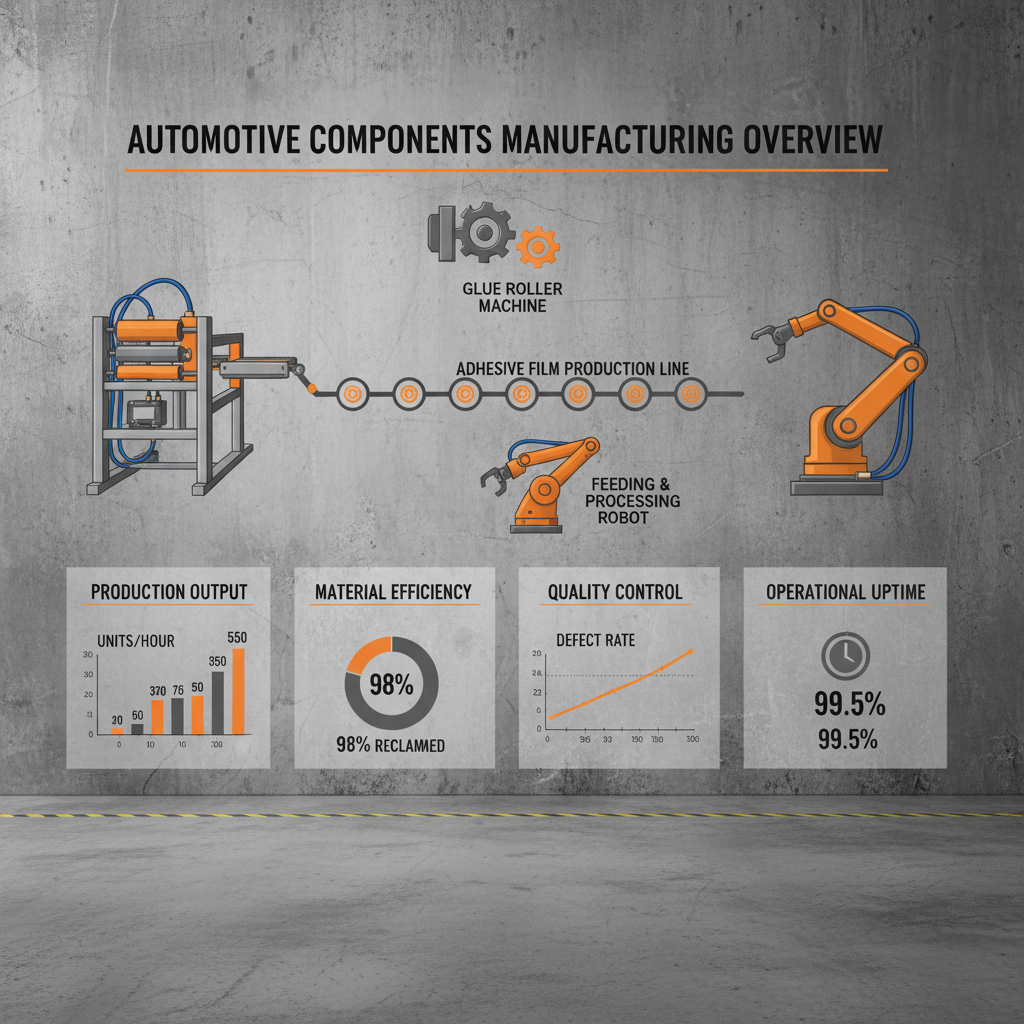
Precision is handled by CNC-driven cutting equipment, while material efficiency is optimized through smart nesting software that reduces fabric waste. These factors collectively determine the cost-per-unit and the overall competitiveness of the manufacturer in a saturated global market.
Production Efficiency Ratings by Manufacturing Method
Real-World Applications and Global Use Cases
In practice, motor vehicle parts manufacturing is deployed across diverse industrial zones. In the automotive hubs of Germany and Japan, high-end luxury lines focus on the Automotive Carpet Production Line to create bespoke, noise-canceling flooring for premium sedans. These facilities emphasize extreme precision and the use of eco-friendly, recycled polymers.
Conversely, in emerging markets like Southeast Asia and Mexico, the focus is on high-volume production for commercial vehicles. Here, the use of Production Auxiliary Equipment allows factories to maximize throughput for mass-market trucks and buses, ensuring that basic comfort and safety standards are met at a lower price point for the consumer.
Strategic Advantages of Automated Production
The primary advantage of automating motor vehicle parts manufacturing is the drastic reduction in human error. When using an automated Interior Cutting Equipment system, the margin of error is reduced to fractions of a millimeter, which is essential for the seamless integration of headliners and sound insulation pads. This precision leads to fewer rejects and a significant boost in overall equipment effectiveness (OEE).
Beyond technical specs, there is a strong emotional and psychological component. For the end consumer, a perfectly fitted interior signifies quality, safety, and trust. A sagging headliner or a rattling carpet is often perceived as a sign of poor engineering. Therefore, high-quality manufacturing equipment translates directly into brand loyalty and consumer confidence.
Moreover, sustainability has become a tangible benefit. Modern lamination lines are designed to use water-based adhesives instead of toxic solvents, reducing the environmental footprint of the factory and improving the health and safety of the workforce. This transition to "green" manufacturing is no longer optional but a requirement for global compliance.
Future Innovations in Vehicle Part Fabrication
Looking forward, motor vehicle parts manufacturing is moving toward "Industry 4.0." The integration of AI-driven quality control and IoT sensors within the Automotive Headliner Assembly Line allows for real-time monitoring. If a temperature variance occurs during the lamination process, the system automatically adjusts the heat to prevent defects before they happen.
Another major trend is the shift toward bio-based materials. We are seeing a rise in the use of pineapple leather, recycled ocean plastics, and mycelium-based foams in the Automotive Carpet Production Line. These materials require new heating and pressing profiles, pushing equipment manufacturers to develop more flexible, programmable machinery.
Digital twin technology is also transforming how Interior Form and Die sets are designed. Engineers can now simulate the entire forming process in a virtual environment, predicting how a fabric will stretch over a mold before a single piece of metal is cut. This reduces prototyping time from weeks to hours.
Comparison of Interior Production Technologies
| Technology Type |
Production Speed |
Material Waste |
Investment Cost |
| Dry Lamination Line |
Very High |
Low |
Moderate |
| Wet Molding Line |
Moderate |
Medium |
High |
| CNC Interior Cutting |
High |
Very Low |
Moderate |
| Thermal Pressing |
Moderate |
Low |
Moderate |
| Manual Die Cutting |
Low |
High |
Low |
| AI-Integrated Line |
Maximum |
Minimum |
Very High |
FAQS
Dry production typically uses heat and adhesives to bond layers quickly, making it ideal for high-volume, cost-effective manufacturing. Wet production involves resin impregnation and curing, resulting in a more rigid and acoustically superior part, often used in luxury vehicles. The choice depends on the required stiffness and the production budget of the motor vehicle parts manufacturing facility.
CNC Interior Cutting Equipment uses computer-guided precision to trim fabrics and foams. Unlike manual cutting, it ensures 100% consistency across every part, eliminates human error, and uses nesting algorithms to minimize material waste. This ensures that parts like sound insulation pads fit perfectly into the vehicle chassis without gaps.
Yes, modern Automotive Fabric Lamination Lines are designed for versatility. They can be adjusted to handle bio-based textiles, recycled polymers, and water-based adhesives. The key is the ability to control temperature and pressure precisely, allowing manufacturers to switch to sustainable materials without replacing their entire infrastructure.
Interior Form and Die systems are the molds that give the flat laminated fabric its 3D shape. By using heat and pressure, the material is pressed into the die to create the curvature of the roof headliner or the contours of a door panel. Precision dies are critical to ensure the part doesn't warp or detach after installation.
To increase throughput in motor vehicle parts manufacturing, focus on reducing "bottlenecks" by integrating Production Auxiliary Equipment and upgrading to fully automated lamination lines. Implementing real-time monitoring (IoT) also helps in predicting maintenance needs, reducing unplanned downtime and ensuring a steady flow of components.
Absolutely. Many modern lines are modular, meaning a startup can begin with basic interior cutting and lamination equipment and add specialized forming or auxiliary machinery as their production volume grows. This scalability makes professional-grade manufacturing accessible to new players in the electric vehicle market.
Conclusion
The field of motor vehicle parts manufacturing has transitioned from a secondary assembly task to a primary driver of vehicle quality and brand perception. By integrating advanced Automobile Headliner Assembly Lines, precise cutting equipment, and sustainable lamination processes, manufacturers can achieve a perfect balance of durability, acoustic performance, and aesthetic appeal. The shift toward automation and green materials is not just a trend, but a fundamental requirement for survival in the modern automotive ecosystem.
As we move toward a future defined by electric mobility and autonomous cabins, the importance of the "interior experience" will only grow. Investing in high-precision, scalable production technology today ensures that manufacturers can adapt to new materials and design trends tomorrow. We encourage industry leaders to embrace digital transformation and sustainable engineering to lead the next generation of automotive excellence. Visit our website: www.headliningline.com