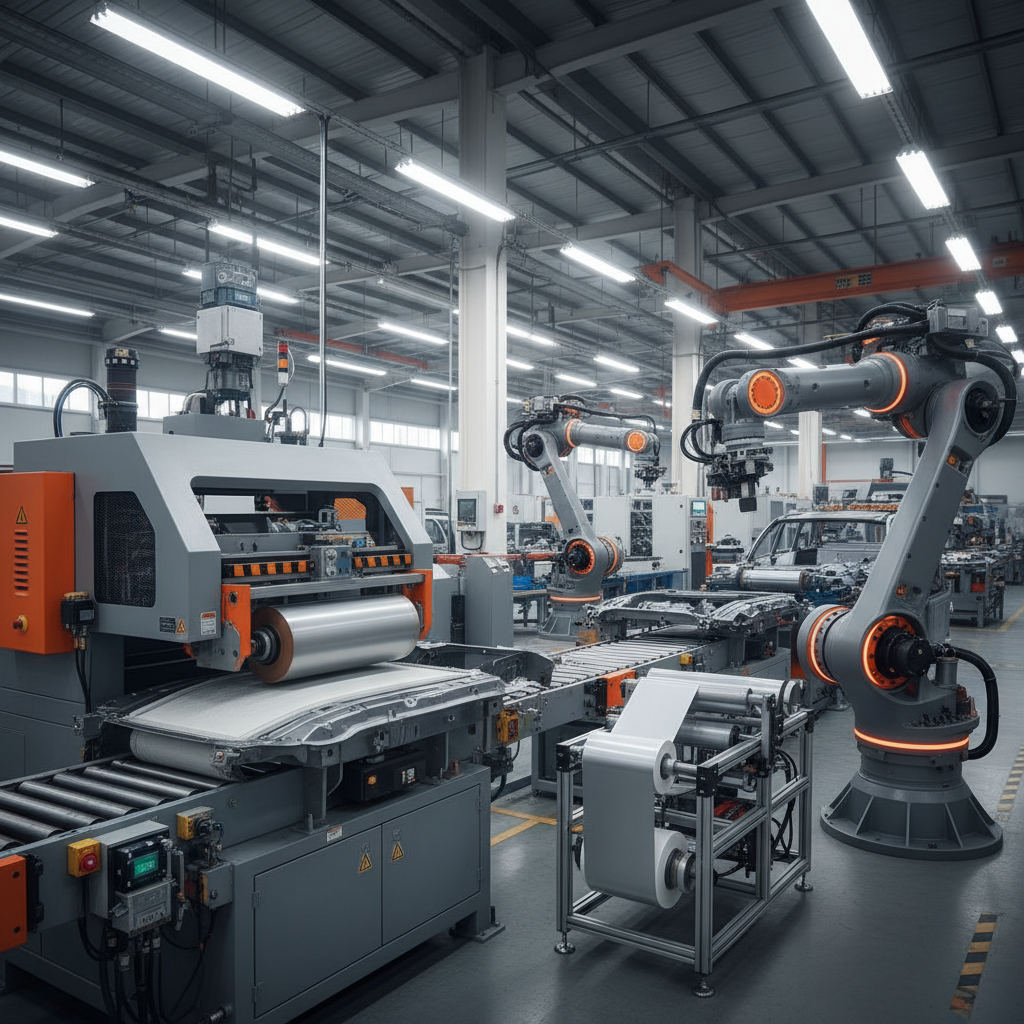
The integration of robotics in automotive manufacturing has evolved from a luxury for giant conglomerates into a fundamental necessity for any competitive production line. By blending precision engineering with artificial intelligence, modern factories are now capable of handling complex tasks—from the heavy lifting of chassis frames to the delicate application of interior headliners—with unparalleled consistency. Understanding this technological shift is crucial for stakeholders aiming to reduce operational waste and increase vehicle safety standards.
On a global scale, the adoption of automated systems is driving a paradigm shift in how we perceive industrial labor and quality control. The ability to synchronize thousands of robotic arms across multiple assembly stages ensures that every vehicle leaving the line meets rigorous ISO standards. This transition not only accelerates the time-to-market for new models but also allows for a level of customization that was previously impossible under traditional manual assembly constraints.
However, the journey toward full automation is not without its hurdles. Balancing the high initial capital expenditure with long-term ROI requires a strategic approach to equipment selection, particularly in specialized areas like automotive interior production. By focusing on the synergy between human expertise and robotic precision, manufacturers can create a sustainable ecosystem that prioritizes both productivity and worker safety.
Global Impact of Robotics in Automotive Manufacturing
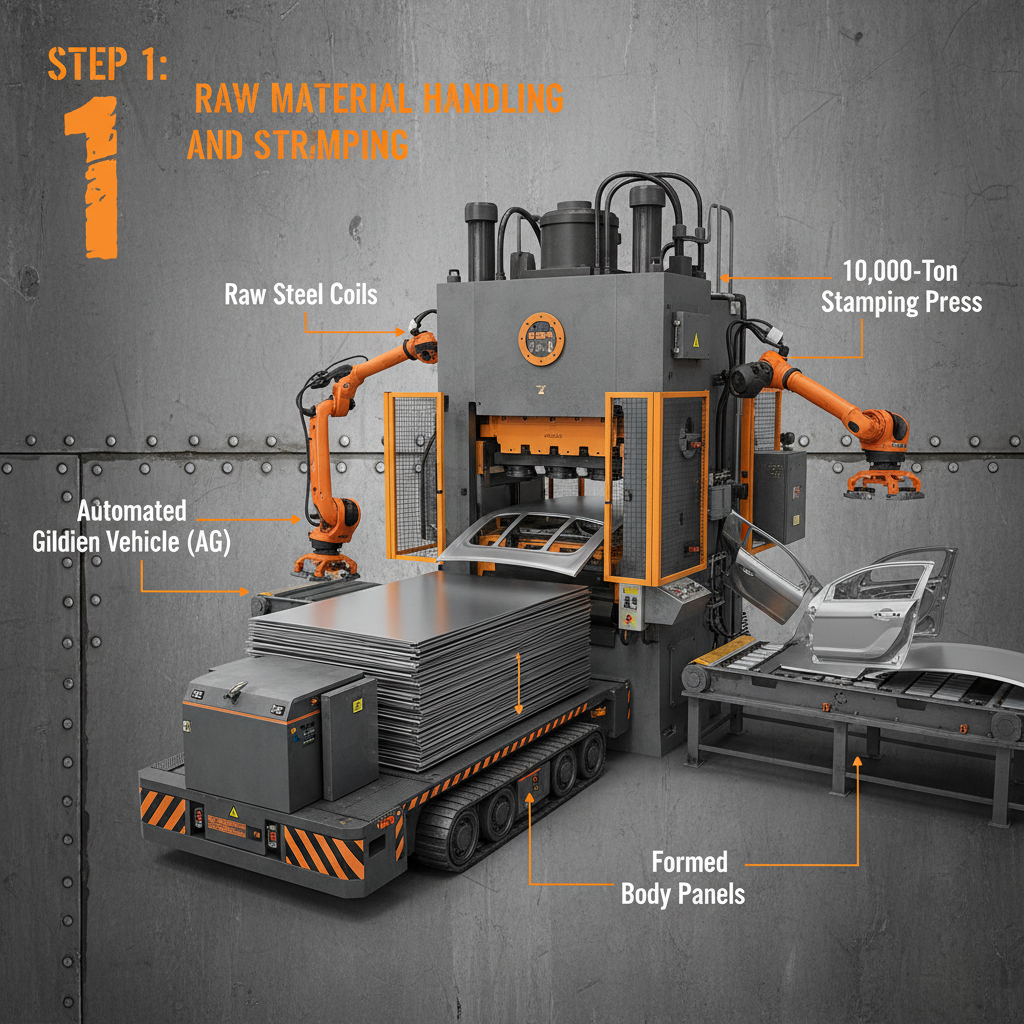
The global landscape of vehicle production has been radically transformed by the proliferation of robotics in automotive manufacturing. According to recent industrial data, the density of robots in automotive plants has seen a steady increase, particularly in regions like East Asia and Europe, where labor costs are high and precision requirements are stringent. This shift is not merely about replacing human hands but about augmenting capabilities to handle materials that are hazardous or physically demanding.
Beyond simple efficiency, the global impact is seen in the standardization of quality. When robots handle the lamination of fabrics or the cutting of interior sound insulation pads, the margin of error drops to near zero. This consistency reduces the rate of recalls and ensures that every passenger experiences the same level of luxury and safety, regardless of where the vehicle was assembled.
Defining the Role of Automation in Vehicle Production
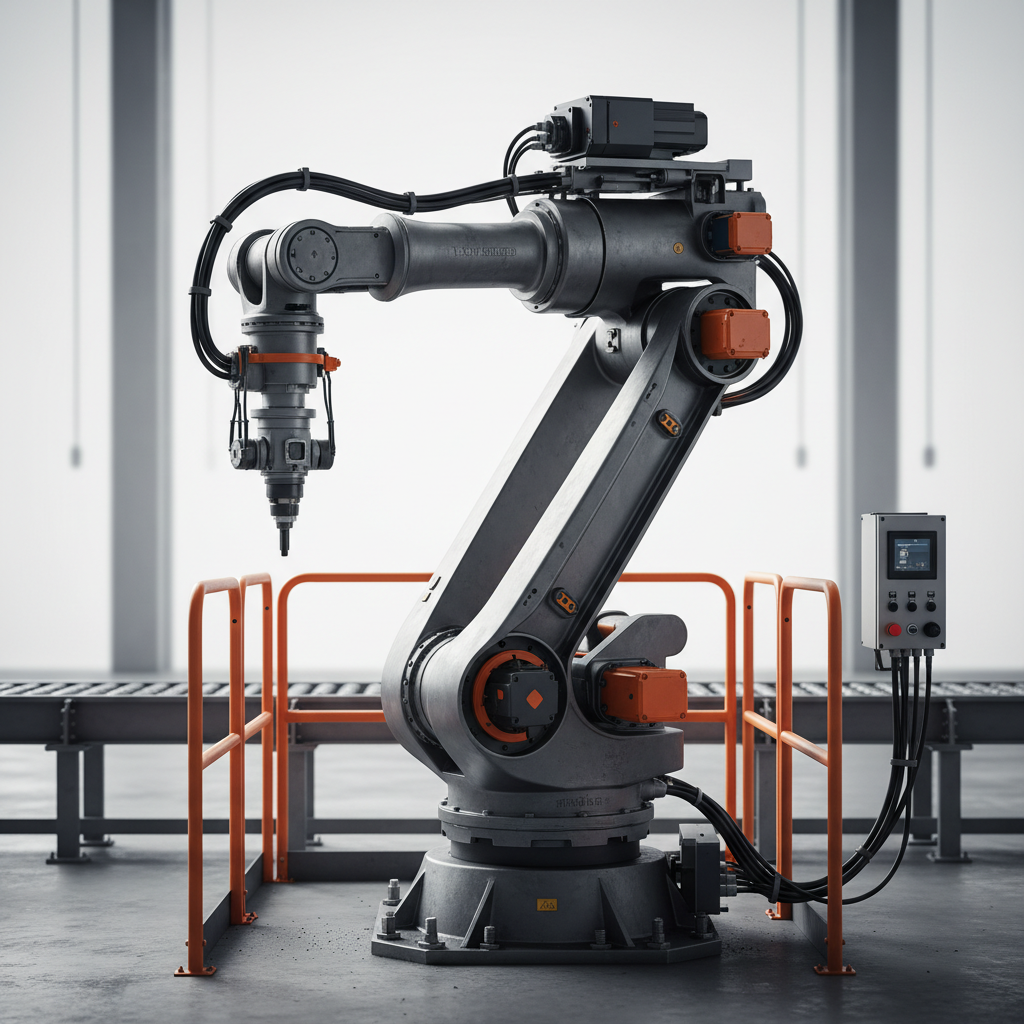
At its core, robotics in automotive manufacturing refers to the use of programmable machines to perform a wide array of tasks—ranging from spot welding and painting to the complex assembly of headliner components. Unlike traditional fixed automation, modern robotics are flexible, meaning they can be reprogrammed to accommodate different car models on the same production line without requiring a complete hardware overhaul.
This flexibility is essential in an era where consumer preferences shift rapidly. For instance, a production line focusing on Automotive Carpet Production may need to switch between different material densities or sizes. Robotics allow for these transitions to happen with minimal downtime, ensuring that the facility remains agile and responsive to market demands.
Furthermore, this technology addresses the humanitarian need for safer workplaces. By delegating ergonomically challenging tasks—such as installing heavy interior form and dies—to robotic systems, manufacturers significantly reduce workplace injuries. This creates a healthier environment where human workers can focus on high-level quality oversight and strategic process optimization.
Core Components for Robotic Efficiency
To achieve peak performance, robotics in automotive manufacturing rely on several critical factors. First is Precision and Repeatability; the ability of a robot to return to the exact same coordinate within microns is what allows for the seamless fit of interior cutting equipment and fabric lamination.
Another vital component is Scalability. A modular robotic system allows a factory to start with a basic Automotive Headliner Assembly Line and gradually add specialized modules, such as dry or wet production lines, as demand grows. This phased approach minimizes financial risk while ensuring the infrastructure can grow alongside the business.
Finally, Integration Capability is paramount. Robotics must communicate seamlessly with Production Auxiliary Equipment and the broader Enterprise Resource Planning (ERP) software. When the robotic arm knows exactly when the fabric lamination is complete, it can trigger the next stage of the process without a second of wasted time, maximizing the overall throughput.
Quantifying Performance Gains via Robotics
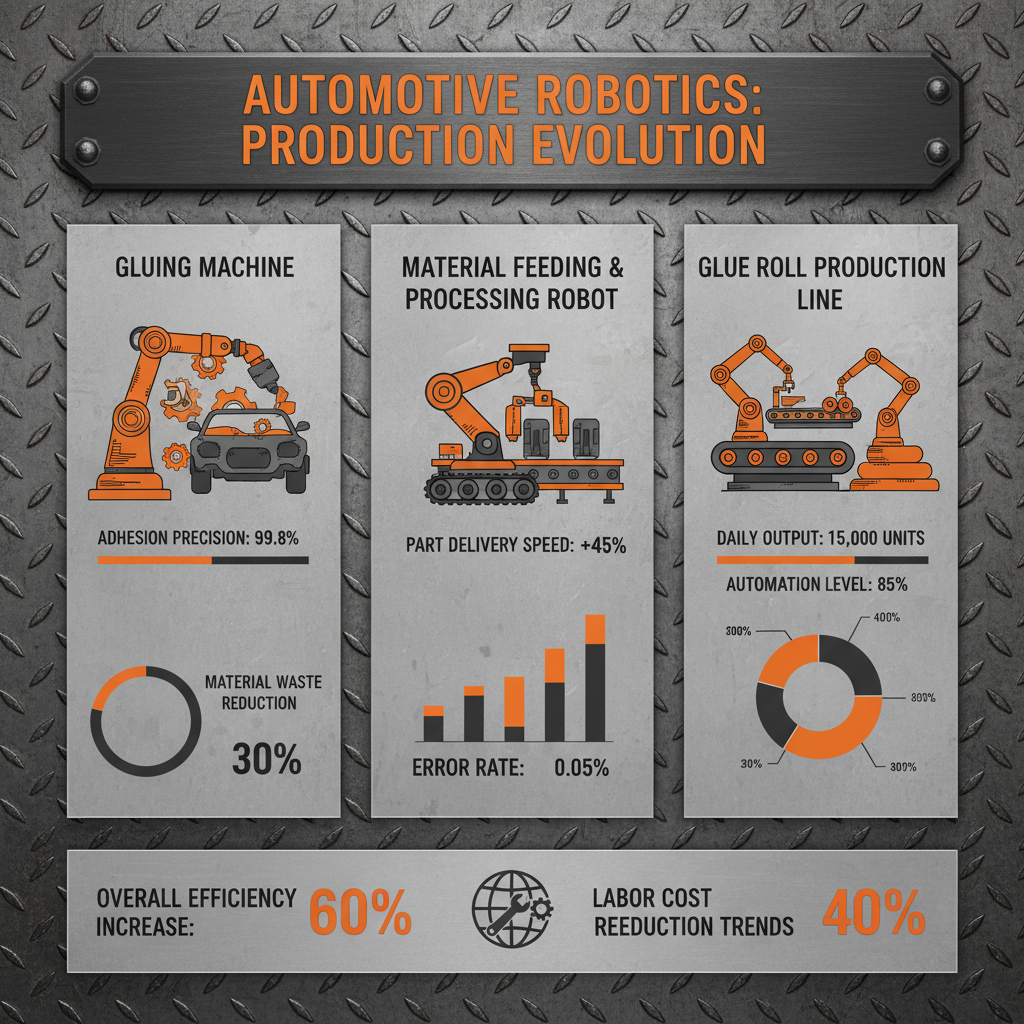
The implementation of robotics in automotive manufacturing provides measurable improvements across various KPIs. When comparing manual assembly to robotic systems, the most striking difference is seen in cycle time reduction and material waste. For example, automated interior cutting equipment optimizes fabric usage far better than manual shears, significantly lowering the cost per unit.
Beyond speed, the reliability of these systems ensures that "first-pass yield" rates increase. In the production of wheel house and interior sound insulation pads, robotic precision prevents the misalignment that often leads to scrapped parts, thereby contributing to a more lean and environmentally friendly manufacturing process.
Comparative Efficiency of Robotics in Automotive Manufacturing
Real-World Applications in Interior Assembly
In practical terms, robotics in automotive manufacturing are most evident in the specialized production of vehicle interiors. For instance, an Automotive Headliner Wet Production Line uses automated dipping and curing cycles that would be nearly impossible to maintain manually with consistent quality. The robots ensure that the chemical saturation of the fabric is uniform, preventing bubbling or peeling over the vehicle's lifespan.
Similarly, the use of robotics in Interior Form and Die processes allows for the creation of complex 3D shapes that fit perfectly against the roof of any vehicle model. By integrating sensors and real-time feedback, these systems can adjust the pressure and heat applied to the materials, ensuring a flawless finish that meets the aesthetic demands of high-end luxury vehicles.
Long-Term Value and Sustainable Innovation
The true value of robotics in automotive manufacturing extends beyond the balance sheet; it is about building a sustainable future. Automation allows for the precise use of adhesives and resins, which reduces the emission of volatile organic compounds (VOCs) into the atmosphere. This alignment with "green manufacturing" policies makes factories more compliant with international environmental laws and more attractive to eco-conscious investors.
From a logical perspective, the reliability of robotic systems builds trust with the end consumer. When a driver knows that the sound insulation pads in their wheel house were installed with robotic precision, they can trust the acoustic comfort of their vehicle. This reliability fosters brand loyalty and reduces the long-term cost of warranty claims for the manufacturer.
Moreover, the emotional impact of this innovation is the empowerment of the workforce. By moving away from repetitive, grueling tasks, employees transition into roles as "robot operators" and "system analysts." This elevates the dignity of industrial work, transforming the factory floor into a hub of technological innovation and skilled problem-solving.
Future Trends in Automotive Robotic Systems
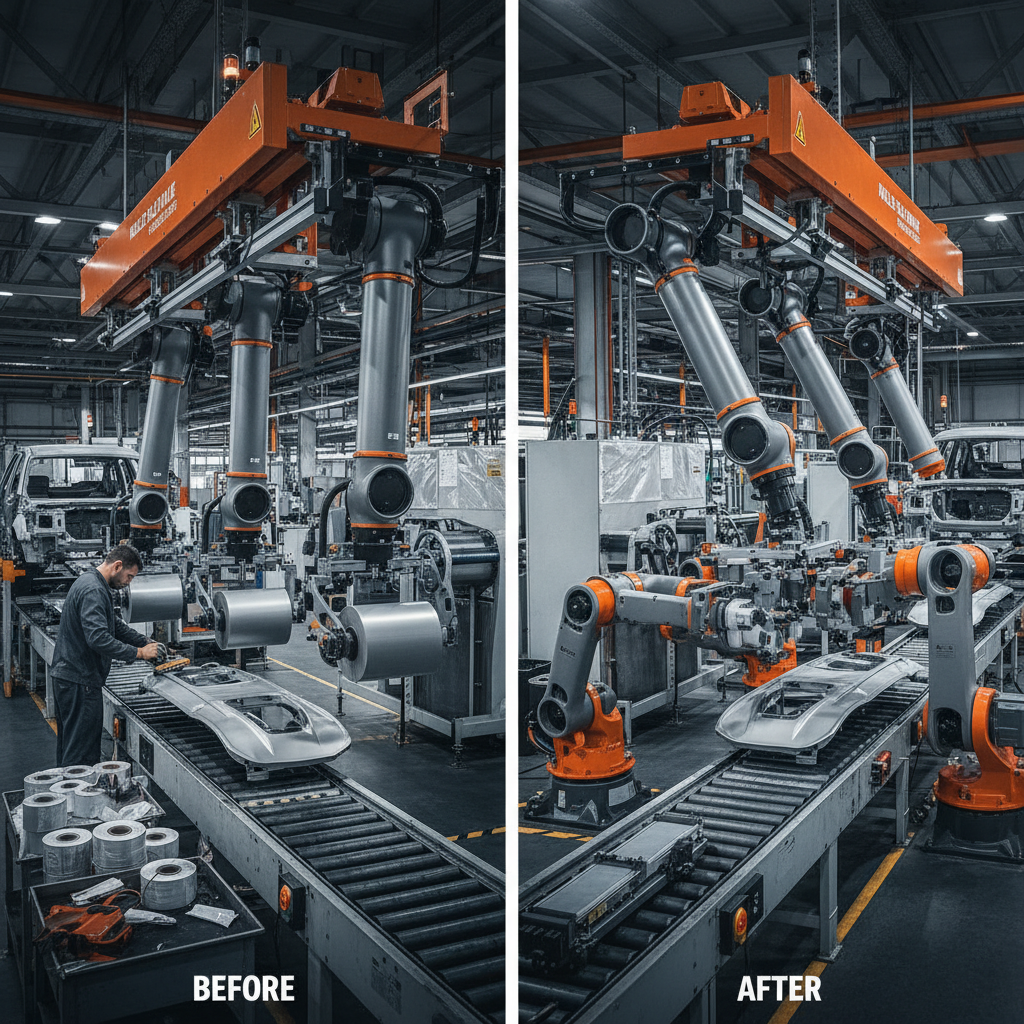
Looking ahead, the next frontier for robotics in automotive manufacturing is the integration of Collaborative Robots, or "cobots." Unlike traditional robots that must be caged for safety, cobots are designed to work side-by-side with humans. In an Automotive Fabric Lamination Line, a cobot might handle the heavy material rolls while a human expert performs the final visual quality check, blending robotic strength with human intuition.
Digital transformation through "Digital Twins" is also gaining momentum. Manufacturers can now create a virtual replica of their entire Automotive Headliner Dry Production Line to simulate changes before implementing them physically. This reduces the risk of costly errors and allows for the optimization of robotic paths to save energy and time.
Lastly, the shift toward Electric Vehicles (EVs) is redefining assembly needs. EVs often require different interior layouts and sound-dampening materials to compensate for the lack of engine noise. Robotic systems are uniquely suited to this transition, as they can be quickly adapted to handle new lightweight composites and sustainable bio-fabrics, ensuring the industry remains at the cutting edge of sustainability.
Analysis of Robotic Integration across Interior Production Lines
| Production Line Type |
Robotic Complexity |
Efficiency Gain |
Sustainability Impact |
| Headliner Wet Line |
High |
9/10 |
Chemical Reduction |
| Fabric Lamination |
Medium |
8/10 |
Waste Minimization |
| Interior Cutting |
Medium |
10/10 |
Material Optimization |
| Carpet Production |
Low |
7/10 |
Energy Efficiency |
| Sound Insulation Pad |
Medium |
8/10 |
Noise Pollution Ctrl |
| Auxiliary Equipment |
Low |
6/10 |
Operational Lean |
FAQS
Robotics ensure absolute precision in fabric cutting and lamination, eliminating human errors such as misalignment or uneven adhesive application. This results in a seamless fit for headliners and carpets, ensuring a high-end finish and reducing the likelihood of interior components loosening or warping over time.
Yes, thanks to the rise of modular systems and cobots. Smaller manufacturers can implement targeted automation—such as an Interior Cutting Equipment module—rather than a full-scale line. The reduction in material waste and the increase in production speed typically provide a return on investment (ROI) within 2-3 years.
Wet lines involve the use of liquid resins and chemical dipping, requiring robots that can handle hazardous materials and precise curing times. Dry lines focus on thermoplastic bonding and heat pressing, where robotics are used for precise placement and temperature control to bond layers without chemicals.
Absolutely. Modern robotics are highly adaptable. They can be programmed to handle the varying tensile strengths and thicknesses of recycled fabrics or bio-composites, ensuring that the transition to eco-friendly materials does not compromise the structural integrity or quality of the vehicle interior.
Robots take over the "3D" jobs—Dirty, Dull, and Dangerous. By handling heavy dies, applying toxic adhesives, and performing repetitive cutting tasks, they reduce the risk of musculoskeletal disorders and chemical exposure for human workers, allowing staff to move into supervisory roles.
AI enables predictive maintenance and real-time quality inspection. Using computer vision, AI can detect a microscopic flaw in a fabric lamination process and signal the robot to adjust its parameters instantly, preventing a batch of defective parts before they are even produced.
Conclusion
The integration of robotics in automotive manufacturing represents more than just a trend; it is the bedrock of modern industrial efficiency. From the precision of interior cutting equipment to the scalability of headliner assembly lines, automation allows manufacturers to bridge the gap between mass production and bespoke quality. By reducing waste, enhancing worker safety, and ensuring rigorous standardization, robotic systems provide a competitive edge that is essential in the rapidly evolving automotive market.
As we move toward a future defined by electric vehicles and sustainable materials, the role of automation will only expand. Manufacturers are encouraged to adopt a modular approach to robotics, focusing first on high-impact areas like fabric lamination and sound insulation to maximize ROI. By embracing this digital transformation, the industry can ensure a future where luxury, safety, and environmental responsibility coexist seamlessly. For more professional equipment solutions, visit our website: www.headliningline.com