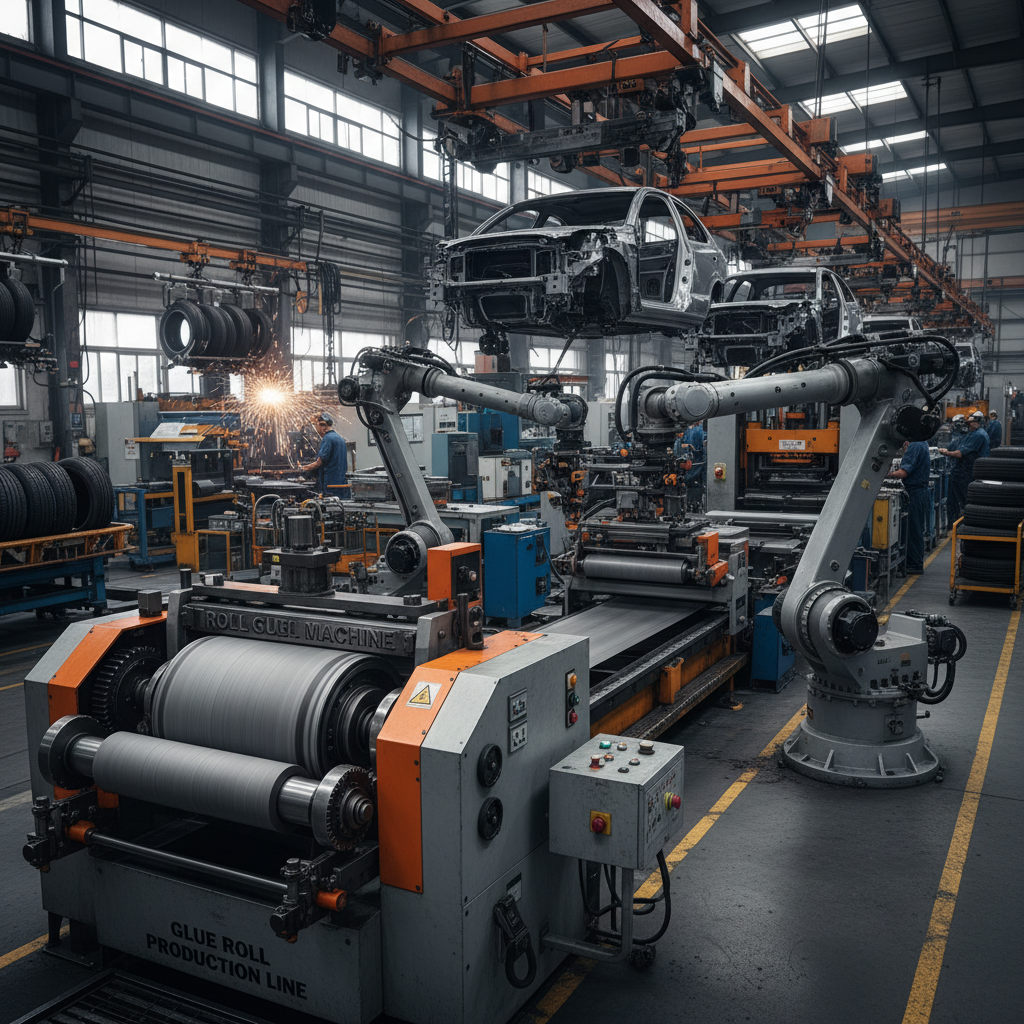
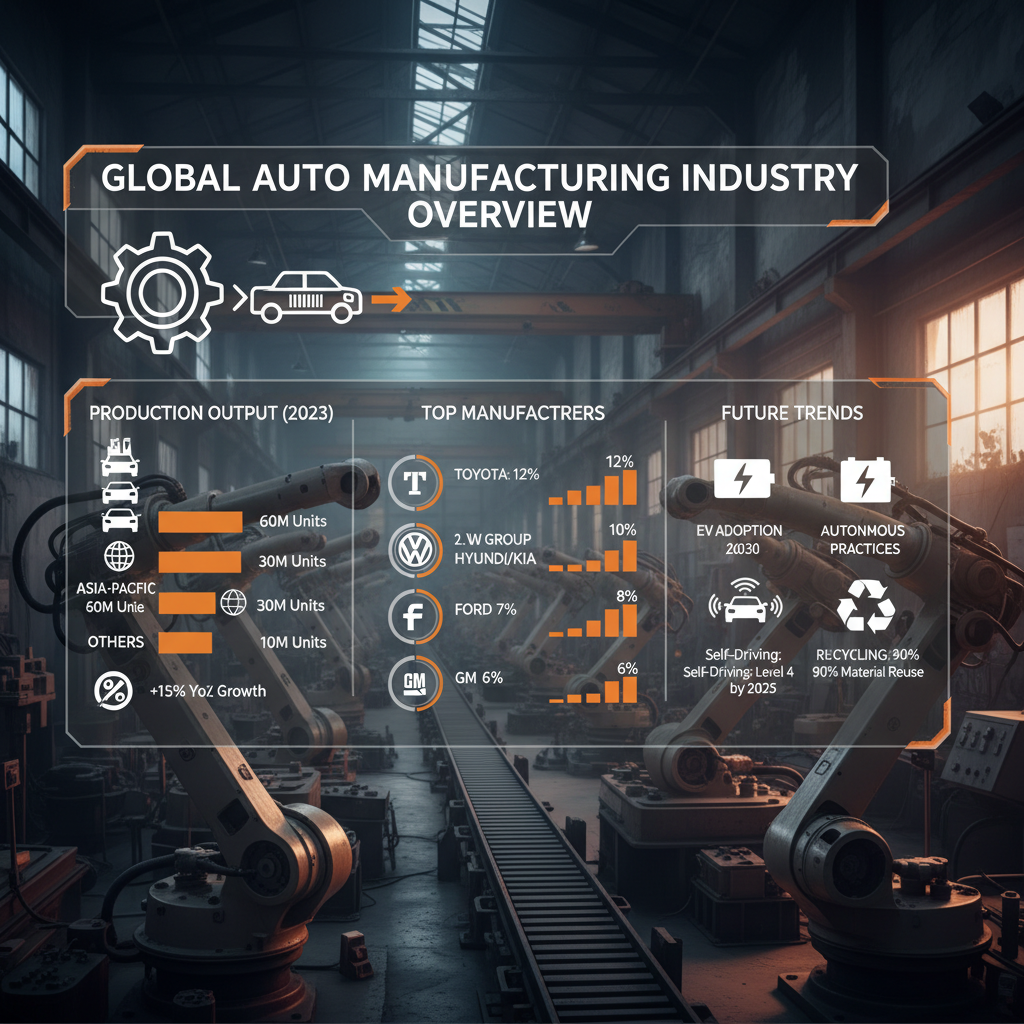
The manufacturing of car parts represents a sophisticated intersection of material science, precision engineering, and industrial automation. In today's global economy, the ability to produce high-quality interior and structural components—ranging from complex headliner assemblies to sound-insulating pads—determines the competitiveness of automotive OEMs. Understanding the intricacies of these production lines is essential for any manufacturer aiming to balance luxury aesthetics with rigorous safety and durability standards.
On a global scale, the shift toward electric vehicles (EVs) and sustainable mobility has placed unprecedented pressure on the manufacturing of car parts. Weight reduction is no longer just a preference but a necessity to extend battery range, leading to a surge in demand for advanced fabric lamination and lightweight interior cutting equipment. This evolution requires a fundamental rethink of how interior components are bonded, molded, and finished to ensure they meet modern environmental regulations.
For industry stakeholders, the primary challenge lies in integrating high-throughput production with bespoke customization. Whether it is implementing a dry production line for headliners or optimizing a wheel house insulation line, the goal is to eliminate waste while maximizing structural integrity. By mastering the technical parameters of automotive interior production, companies can significantly reduce lead times and enhance the overall sensory experience for the end consumer.
Global Relevance of Automotive Component Production
The global landscape for the manufacturing of car parts is currently undergoing a seismic shift. With the automotive industry contributing significantly to the global GDP, the precision of sub-component assembly—especially in the interior sector—has become a benchmark for national industrial capability. According to international ISO quality standards, the convergence of Lean Manufacturing and Industry 4.0 has allowed producers to reduce defect rates in headliner and carpet production by nearly 30% over the last decade.
However, this growth is coupled with the challenge of supply chain volatility and the demand for "green" manufacturing. The integration of Automotive Fabric Lamination Lines and Interior Cutting Equipment must now account for recyclable materials and low-VOC adhesives to comply with stringent European and North American environmental mandates. This transformation ensures that the production of car interiors is not only efficient but also ecologically responsible.
Defining Modern Car Parts Manufacturing
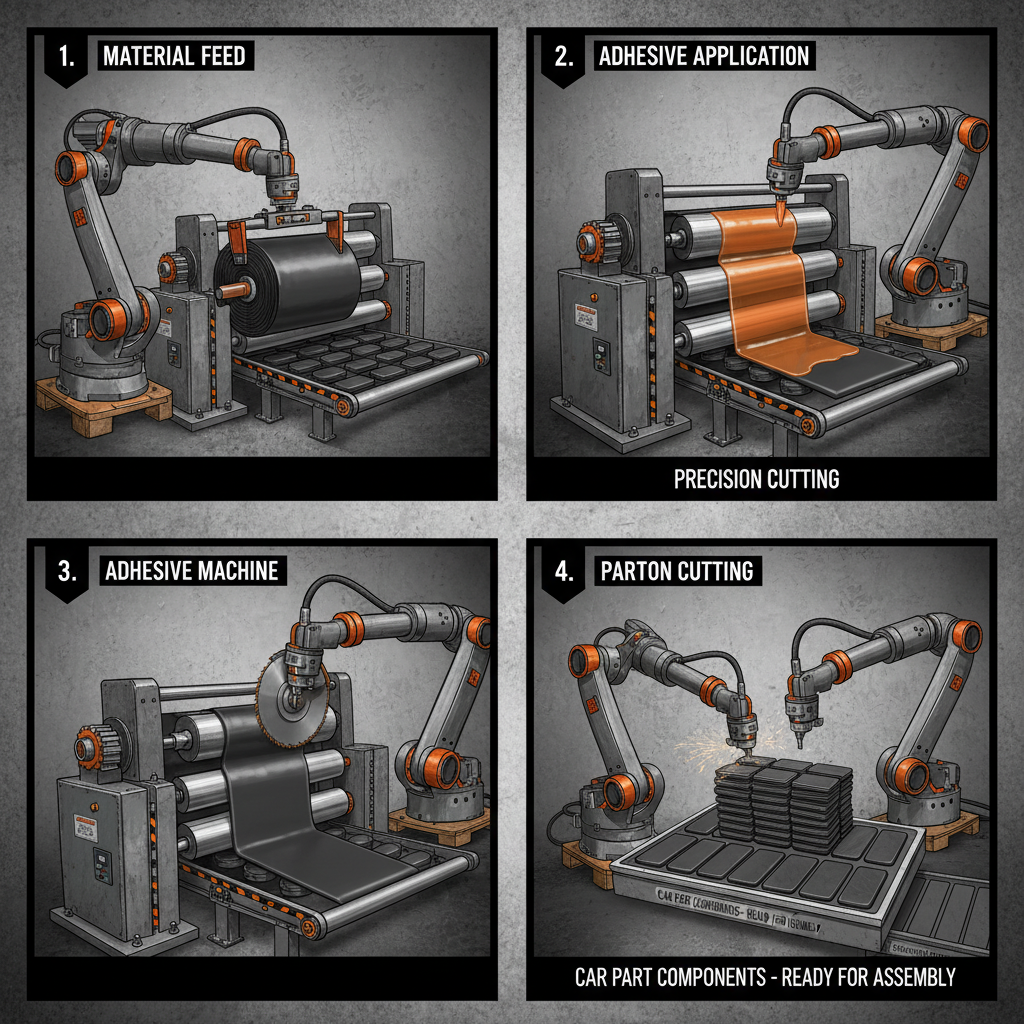
In its simplest terms, the manufacturing of car parts refers to the end-to-end process of converting raw textiles, polymers, and foams into finished automotive interior components. This involves a series of highly specialized stages, including lamination, thermoforming, and precision cutting, to create items such as headliners, floor carpets, and sound insulation pads that define the vehicle's cabin environment.
Beyond the technical assembly, this process is deeply connected to the human experience of driving. The "perceived quality" of a vehicle is largely determined by the tactile feel of the fabrics and the absence of noise, vibration, and harshness (NVH). Therefore, the use of a dedicated Automotive Headliner Wet Production Line or Dry Production Line is not merely about volume, but about achieving a level of precision that ensures passenger comfort and psychological well-being.
Ultimately, modern manufacturing in this sector is a synergy of mechanical engineering and chemical science. The ability to bond disparate materials—such as a decorative fabric to a rigid polyurethane foam—requires precise temperature control and pressure management, turning a dry industrial process into a refined art of automotive craftsmanship.
Core Factors in Interior Equipment Efficiency
When evaluating the manufacturing of car parts, Scalability stands as a primary pillar. Manufacturers must be able to pivot between low-volume luxury batches and high-volume mass-market runs without extensive downtime. This is achieved through modular Interior Form and Die systems that allow for rapid tooling changes.
Material Durability is equally critical in the manufacturing of car parts. Components like wheel house sound insulation pads must withstand extreme temperature fluctuations and humidity without degrading. This necessitates the use of advanced lamination technology that ensures a permanent, fail-safe bond between the insulating core and the protective outer layer.
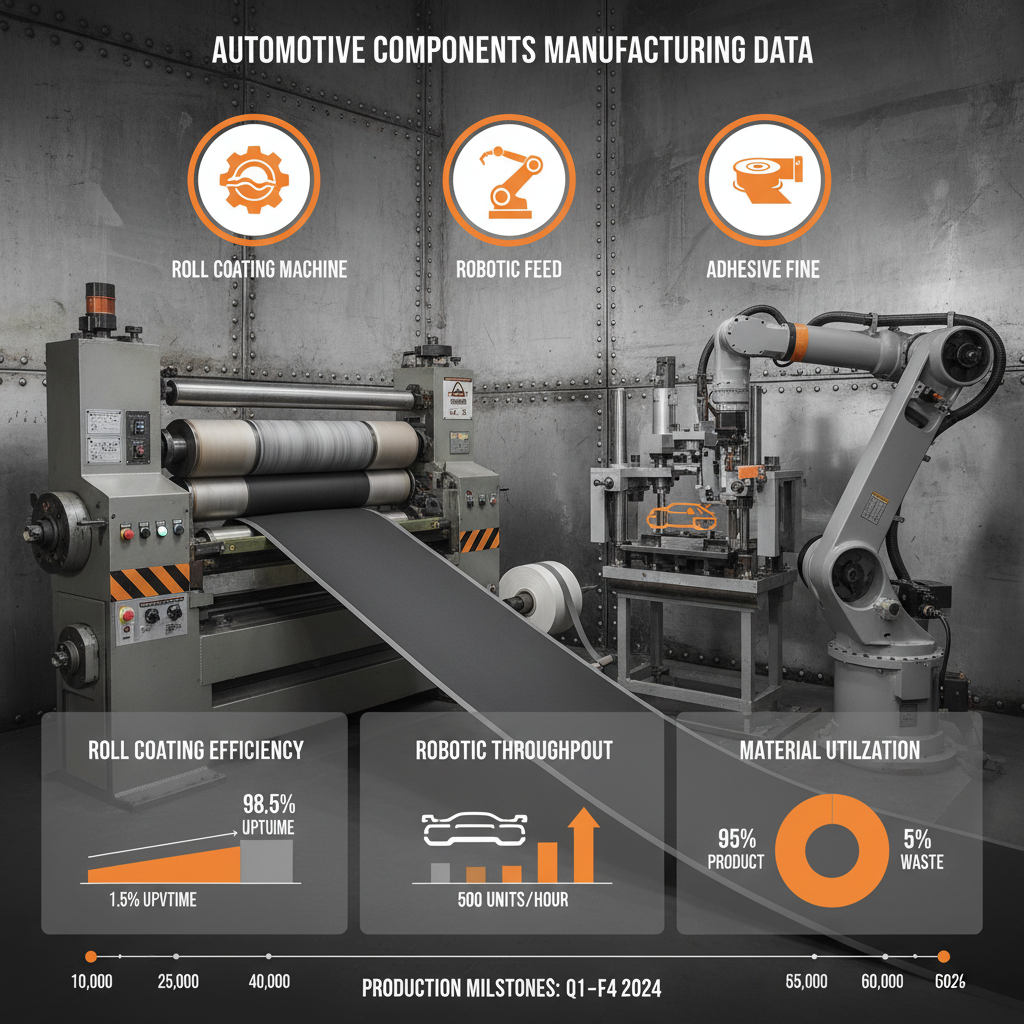
Finally, Cost Efficiency is driven by the reduction of material waste. By implementing advanced Interior Cutting Equipment with AI-driven nesting software, companies can optimize the layout of parts on a fabric roll, significantly reducing scrap rates and lowering the overall cost of the manufacturing of car parts process.
Practical Applications of Production Lines
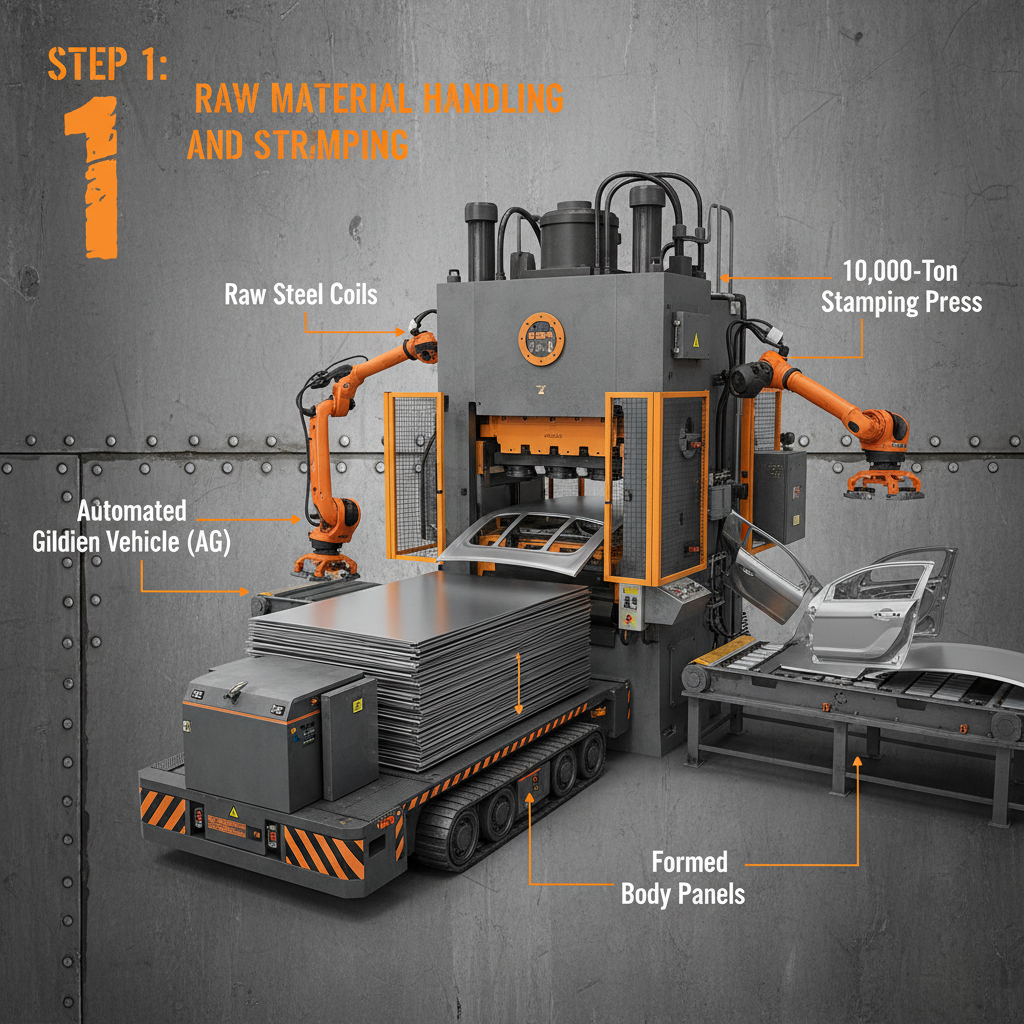
The real-world application of these technologies varies by region and vehicle segment. In high-density industrial zones like Germany or China, the manufacturing of car parts often utilizes fully automated Automotive Carpet Production Lines to meet the demands of million-unit annual outputs. These lines integrate automatic feeding, heating, and pressing to ensure absolute consistency across every unit.
In contrast, specialized workshops focusing on luxury restorations or electric prototypes may rely more heavily on versatile Automotive Fabric Lamination Lines. These allow for the experimentation of new, sustainable materials such as vegan leathers or recycled ocean plastics, proving that the manufacturing of car parts can adapt to both mass-market needs and niche, high-value innovations.
Efficiency Rating of Different Interior Manufacturing Methods
Strategic Advantages of Integrated Systems
Adopting an integrated approach to the manufacturing of car parts offers profound long-term value. By synchronizing the Automotive Headliner Assembly Line with Production Auxiliary Equipment, manufacturers can eliminate bottlenecks that traditionally occur between the molding and finishing stages. This synergy not only increases throughput but also ensures that the final product maintains its structural integrity.
Beyond the logical gains in productivity, there is an emotional component of trust and safety. When a wheel house sound insulation pad is produced with precision, it reduces cabin noise, which significantly lowers driver fatigue and increases safety. This commitment to quality through superior manufacturing of car parts builds a brand's reputation for reliability and luxury, fostering deeper customer loyalty.
Future Trends in Automotive Interiors
The future of the manufacturing of car parts is being rewritten by digital transformation. We are seeing a transition toward "Smart Factories" where IoT sensors on lamination lines provide real-time data on adhesive temperature and pressure, allowing for autonomous adjustments that prevent defects before they occur.
Sustainability is the second major driver. The industry is moving toward a circular economy, where the manufacturing of car parts utilizes bio-based foams and mono-material construction to make the dismantling and recycling of interiors easier at the end of the vehicle's life cycle.
Furthermore, the rise of autonomous driving is shifting the focus of interior design. With fewer requirements for driver-centric layouts, the production of car parts is evolving toward "living room" concepts, requiring more flexible Interior Form and Die systems that can create larger, more complex lounge-style seating and ceiling components.
Overcoming Industrial Manufacturing Challenges
One of the most persistent challenges in the manufacturing of car parts is the management of material shrinkage and warping during the thermoforming process. This often leads to misalignment when the headliner is installed into the car body. Expert insights suggest that the solution lies in the implementation of precise cooling cycles and the use of high-stability Interior Form and Die materials.
Another hurdle is the high energy consumption associated with heating elements in lamination and molding. To combat this, innovative manufacturers are adopting induction heating and energy-recovery systems, which not only lower the carbon footprint of the manufacturing of car parts but also reduce operational costs in the long run.
Finally, labor shortages in skilled technical roles are being addressed through the automation of repetitive tasks. By shifting human operators from manual cutting to overseeing CNC-driven Interior Cutting Equipment, companies can maintain high quality while increasing the safety and ergonomics of the workplace.
Comparative Analysis of Automotive Interior Production Technologies
| Production Method |
Precision Level |
Setup Time |
Eco-Friendliness |
| Dry Headliner Line |
High |
Medium |
8/10 |
| Wet Headliner Line |
Very High |
High |
6/10 |
| Automated Carpet Line |
Medium |
Low |
7/10 |
| CNC Cutting Equip. |
Ultra High |
Very Low |
9/10 |
| Fabric Lamination |
High |
Medium |
8/10 |
| Sound Pad Production |
Medium |
Medium |
7/10 |
FAQS
Dry production lines typically use heat-activated adhesives and pressing, making them faster and more eco-friendly. Wet production lines utilize chemical resins or glues that require curing time, often resulting in a more rigid and highly detailed finish, though they require more complex ventilation and drying systems.
CNC Interior Cutting Equipment uses advanced nesting software to calculate the most efficient arrangement of parts on a material sheet. By minimizing the gaps between parts and optimizing the layout, it can reduce fabric scrap by up to 15-20% compared to manual cutting methods.
Yes, the industry is shifting toward water-based adhesives and bio-polymers. Many modern Automotive Fabric Lamination Lines are now compatible with recycled PET fabrics and natural fiber reinforcements, reducing the reliance on petroleum-based plastics without sacrificing durability.
The wheel house is a primary entry point for road and tire noise. High-quality sound insulation pads, produced via precise lamination and cutting, absorb these frequencies, significantly improving the NVH (Noise, Vibration, and Harshness) levels and enhancing the overall luxury feel of the cabin.
Depending on the material used (aluminum vs. steel) and the production volume, high-quality Interior Form and Die systems can last for hundreds of thousands of cycles. Regular maintenance and precision alignment are key to preventing wear and maintaining part consistency.
Yes, by using modular tooling and programmable logic controllers (PLCs), a single assembly line can be adjusted for different models. The key is having a flexible set of molds and a programmable cutting system that can switch patterns instantly.
Conclusion
The manufacturing of car parts, specifically within the automotive interior sector, is a complex balance of aesthetic appeal and engineering rigor. From the precision of CNC cutting to the stability of lamination lines, every technical choice impacts the vehicle's safety, sustainability, and passenger comfort. By integrating automated systems and sustainable materials, manufacturers can achieve a high-efficiency production cycle that meets the demands of the modern EV era.
Looking forward, the industry must continue to embrace the digital twin concept and circular economy principles to remain viable. Investing in versatile, high-precision equipment is no longer optional but a strategic imperative for those wishing to lead in the global automotive supply chain. For more professional solutions in automotive interior production, visit our website: www.headliningline.com