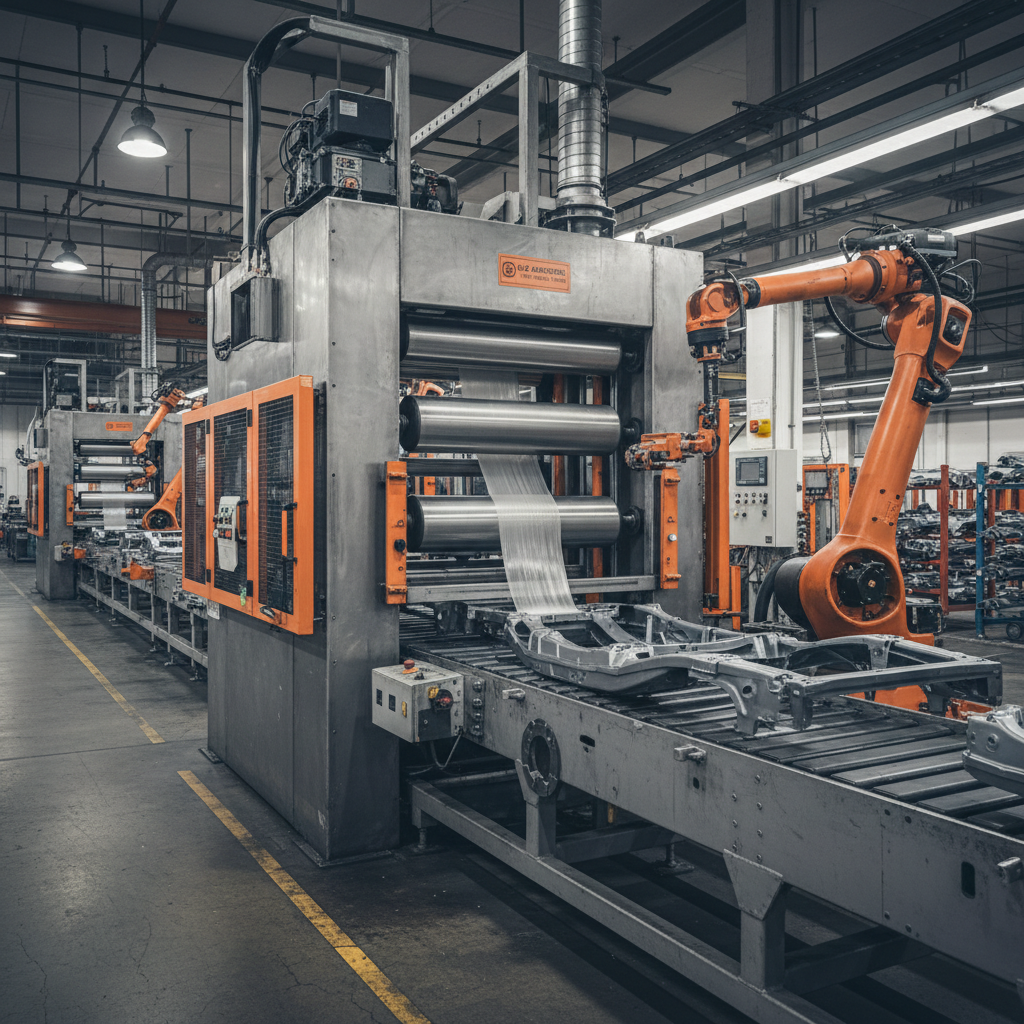
The modern automobile roof is far more than a simple structural lid; it is a complex integration of safety engineering, thermal management, and interior aesthetics. In the competitive landscape of automotive manufacturing, the roof assembly serves as the primary shield against environmental stressors while housing critical components like airbags, sunroofs, and headliner fabrics.
Globally, the demand for high-performance roof systems has surged as consumers shift toward luxury and electric vehicles (EVs), where weight reduction and noise, vibration, and harshness (NVH) levels are paramount. The precision of the production line—from lamination to final forming—determines whether a vehicle feels like a premium sanctuary or a noisy metal box.
Understanding the intricacies of the automobile roof manufacturing process allows OEMs to optimize production efficiency and enhance passenger comfort. By leveraging advanced automation in headliner assembly, manufacturers can ensure consistent quality and meet the rigorous safety standards required for modern road travel.
Structural Integrity of the Automobile Roof
The structural integrity of an automobile roof is critical for passenger safety, particularly during rollover accidents. Modern engineering focuses on the "roof crush" resistance, ensuring that the pillars and the roof panel can withstand significant loads to maintain a survival space for occupants. This requires a precise balance between high-strength steel and lightweight aluminum alloys.
Beyond safety, the structural design must account for aerodynamic efficiency. A well-contoured roof reduces drag, which directly impacts fuel economy and battery range in electric vehicles. The integration of reinforced cross-members ensures that the roof remains rigid, preventing unwanted vibrations and noise from entering the cabin.
Advanced Material Selection for Roof Systems
Selecting the right materials for an automobile roof involves a trade-off between weight, cost, and durability. While traditional stamped steel remains common for economy models, premium vehicles are increasingly adopting carbon fiber reinforced polymers (CFRP) and magnesium alloys to lower the vehicle's center of gravity.
The interior side of the roof requires a multi-layer approach. This typically involves a decorative fabric layer, a sound-absorbing foam or felt layer, and a rigid backing board made of thermoformed plastics or compressed fibers. These materials must be flame-retardant and resistant to sagging under extreme temperature fluctuations.
Sustainability is now driving a shift toward bio-based foams and recycled PET fabrics. By integrating these eco-friendly materials into the roof assembly, manufacturers not only reduce their carbon footprint but also appeal to the environmentally conscious modern consumer, aligning with global ISO sustainability standards.
The Role of Headliner Assembly in Roof Design
The headliner is the visible "ceiling" of the automobile roof, serving as the primary interface between the mechanical structure and the passenger's visual experience. A high-quality headliner must be perfectly contoured to the roof's curvature to avoid unsightly gaps or wrinkles.
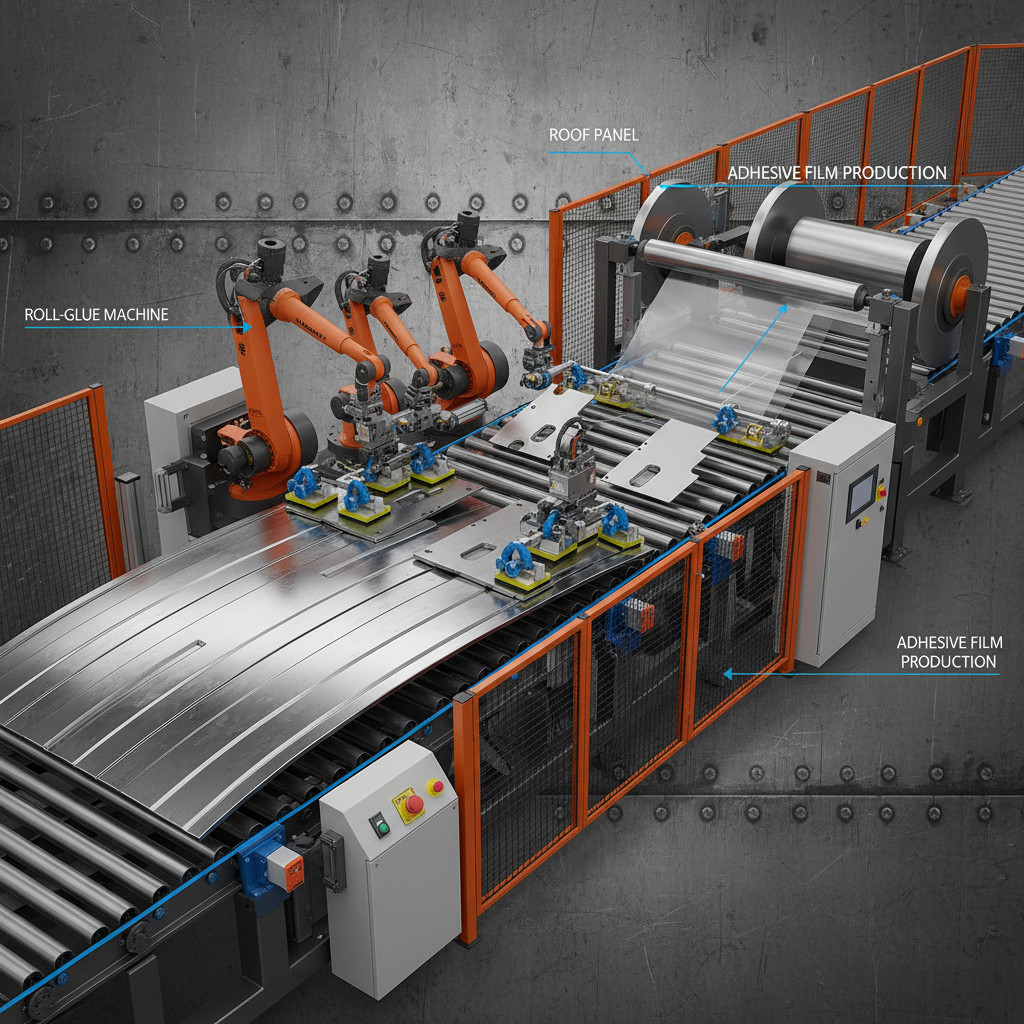
Implementing a precision Automobile Headliner Assembly Line is essential for achieving the tight tolerances required for an automobile roof. Whether utilizing a wet production process for complex shapes or a dry process for efficiency, the goal is to ensure the fabric is bonded seamlessly to the backing material.
Furthermore, the headliner integrates critical functional elements such as overhead lighting, sun visors, and curtain airbags. The precision of the interior cutting equipment ensures that these components fit perfectly into the automobile roof assembly, reducing assembly time and preventing rattling during vehicle operation.
Comparing Roof Production Efficiency Methods
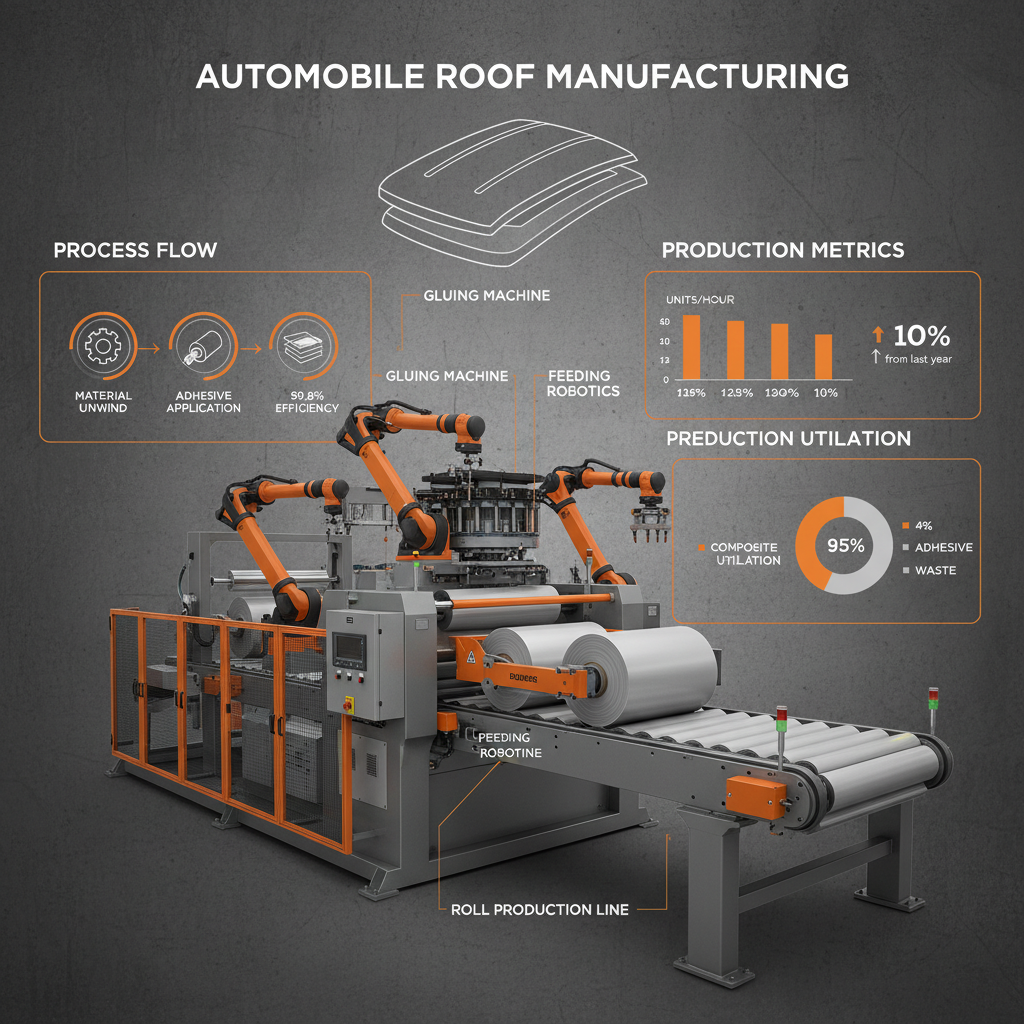
Efficiency in producing an automobile roof depends heavily on the chosen lamination and forming method. Dry production lines are typically faster and more cost-effective for standardized models, while wet production lines allow for superior adhesion and complex geometries found in luxury vehicle roofs.
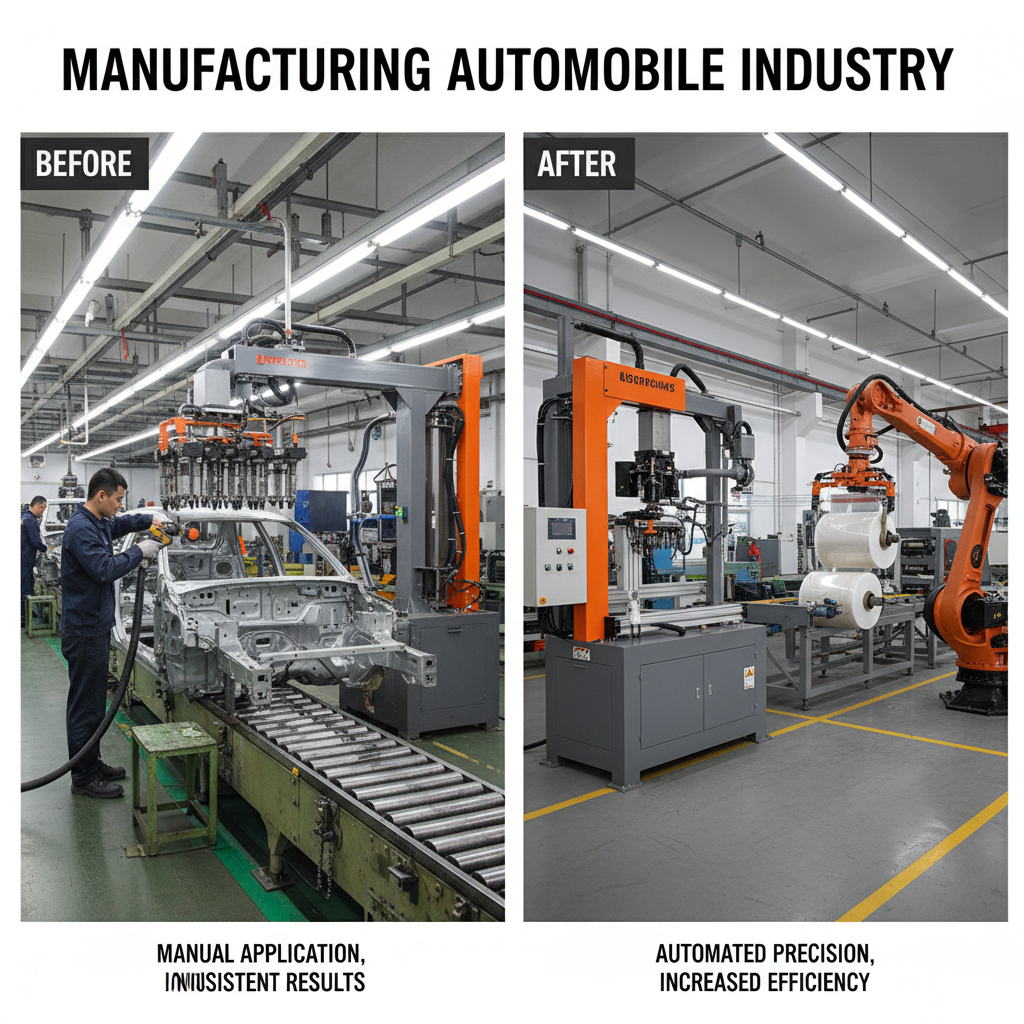
To optimize the output, many factories are integrating automated interior form and die systems. These systems reduce human error in the shaping process, ensuring that every automobile roof component meets the strict quality control metrics required by global automotive brands.
Efficiency Ratings of Automobile Roof Production Methods
Global Applications of Specialized Roof Equipment
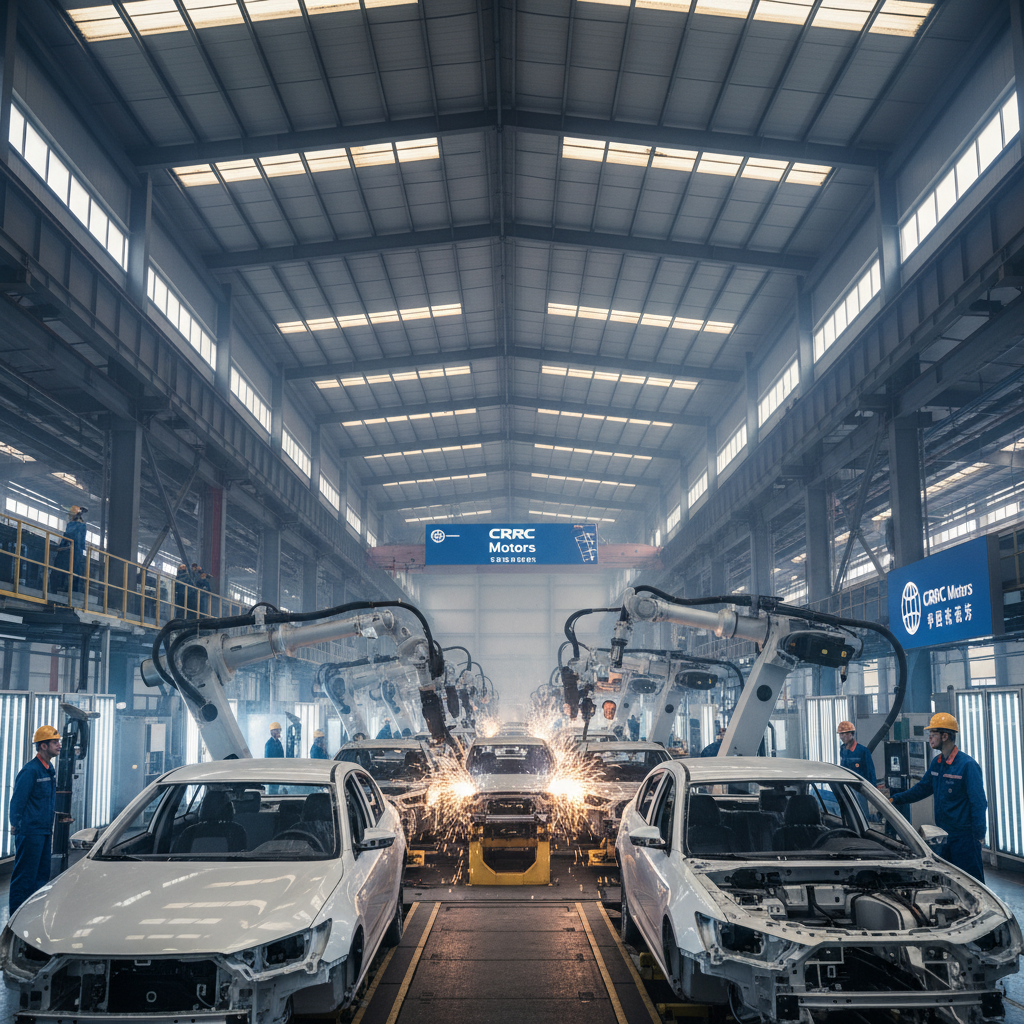
The application of high-end automobile roof equipment varies by region. In Europe and North America, there is a heavy emphasis on automation and "Industry 4.0" integration, where production lines for roof interiors are linked to real-time data analytics to minimize waste and downtime.
In emerging markets, the focus is often on scalability and cost-efficiency. Here, versatile production auxiliary equipment allows manufacturers to switch between different automobile roof designs quickly, accommodating a wide range of vehicle models from compact city cars to large SUVs on a single line.
Long-term Value of Precision Roof Engineering
Investing in precision engineering for the automobile roof provides long-term value in the form of reduced warranty claims. Poorly bonded headliners or incorrectly formed roof panels often lead to "sagging," a common and costly defect that damages a brand's reputation for quality.
Beyond the physical product, there is a significant psychological impact. A well-executed automobile roof interior creates a sense of luxury and safety. When the acoustic insulation is optimized, passengers experience a quieter, more serene environment, which is a key selling point for high-end automotive brands.
Moreover, the use of sustainable production lines reduces the long-term environmental liabilities for manufacturers. By optimizing fabric lamination and reducing chemical waste, companies can comply with stricter global environmental regulations while improving their operational margins.
Future Trends in Automobile Roof Innovation
The future of the automobile roof is moving toward "intelligent surfaces." We are seeing the integration of OLED lighting and embedded sensors within the roof liner, turning the ceiling into an interactive display for passengers in autonomous vehicles.
Another major trend is the adoption of panoramic glass roofs with electrochromic technology. This allows users to change the opacity of the automobile roof with a button press, balancing natural light with thermal insulation to reduce the load on the vehicle's HVAC system.
Automation will continue to evolve, with AI-driven quality inspection systems replacing manual checks. These systems use high-resolution cameras to detect microscopic defects in the automobile roof fabric, ensuring a zero-defect rate before the component ever reaches the assembly plant.
Comparative Analysis of Automobile Roof Technology Evolution
| Technology Era |
Primary Material |
Production Focus |
Performance Score |
| Traditional |
Heavy Steel & Foam |
Basic Protection |
4/10 |
| Modern Standard |
Alloy & Composite |
NVH Reduction |
7/10 |
| Premium Eco |
Recycled PET/CFRP |
Weight Optimization |
8/10 |
| Smart Roof |
Electrochromic Glass |
User Interaction |
9/10 |
| Autonomous Gen |
OLED Integrated Fabrics |
Digital Experience |
10/10 |
| Ultra-Light Hybrid |
Nano-composites |
Maximum Efficiency |
9/10 |
FAQS
Wet production lines use adhesives that require a curing process, which generally allows for stronger bonds and more complex 3D shapes, ideal for luxury automobile roof designs. Dry production lines use heat-activated adhesives or mechanical bonding, offering faster cycle times and lower costs, making them suitable for high-volume, standard vehicle models.
The automobile roof acts as a large diaphragm that can amplify road and wind noise. By utilizing advanced sound-insulation pads and high-density headliner materials, manufacturers can dampen these vibrations, significantly reducing the noise, vibration, and harshness (NVH) levels inside the cabin for a quieter ride.
Sagging usually occurs due to the failure of the adhesive bond between the fabric and the backing board, often caused by extreme humidity, heat, or poor initial application during the manufacturing process. Using high-precision lamination lines ensures a more durable bond that resists environmental degradation.
While carbon fiber offers unparalleled weight savings and strength, its high cost and longer production cycles make it impractical for budget vehicles. However, for sports cars and high-end EVs, it is becoming more common as manufacturing processes like resin transfer molding (RTM) become more efficient.
Curtain airbags are housed within the roof rail or the headliner assembly. The headliner fabric is designed with specific "tear seams" that allow the airbag to deploy rapidly and cleanly during a collision without being obstructed by the roof structure.
Yes, it is possible to replace the headliner or add sound-insulation pads. However, because the roof's shape is specific to the vehicle model, this usually requires professional equipment or a pre-molded replacement part to ensure a seamless fit and maintain safety standards.
Conclusion
The automobile roof has evolved from a basic weather shield into a sophisticated component that defines the safety, luxury, and efficiency of a modern vehicle. From the precision of the headliner assembly line to the integration of smart materials and lightweight alloys, every detail contributes to the overall quality of the driving experience. By balancing structural rigidity with acoustic comfort and sustainable manufacturing, the automotive industry continues to push the boundaries of what a roof can achieve.
Looking forward, the transition toward autonomous and electric vehicles will further transform the automobile roof into a hub of digital interaction and environmental control. For manufacturers, the key to success lies in adopting flexible, automated production technologies that can adapt to these rapid innovations while maintaining rigorous quality standards. To learn more about industry-leading production solutions, visit our website: www.headliningline.com.