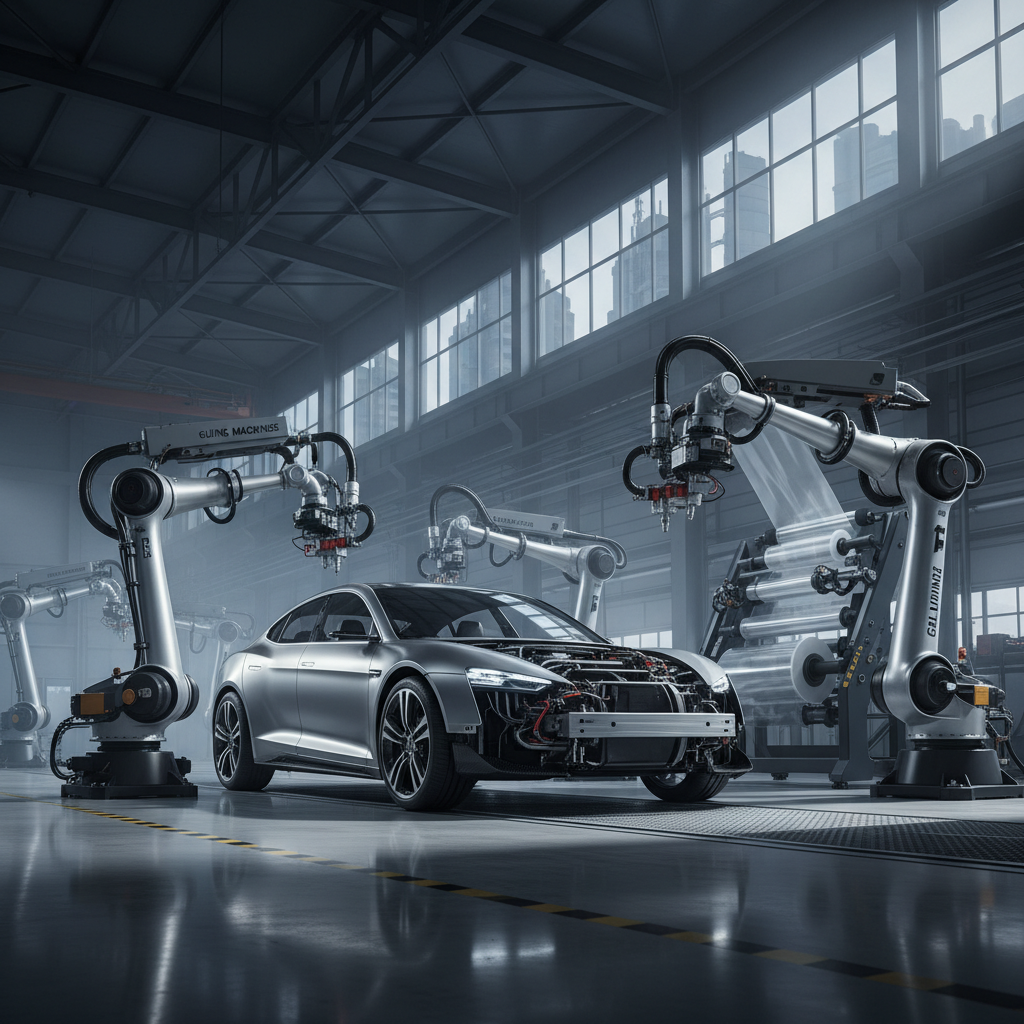
Automotive manufacturing companies are the cornerstone of modern transportation, driving economic growth and innovation worldwide. From the mass production of passenger vehicles to the specialized construction of commercial trucks and buses, these companies represent a complex interplay of engineering, technology, and global supply chains. Understanding the intricacies of automotive manufacturing is crucial not only for industry professionals but also for policymakers, investors, and anyone interested in the future of mobility.
The automotive sector significantly impacts global GDP, employment rates, and technological advancements. According to the Organization International des Constructeurs d'Automobiles (OICA), global vehicle production reached over 85 million units in 2023, highlighting the immense scale of the industry. Furthermore, the increasing demand for electric vehicles (EVs) and autonomous driving technologies is forcing automotive manufacturing companies to adapt and invest heavily in research and development, creating a dynamic and rapidly evolving landscape.
The success of these companies hinges on their ability to navigate challenges such as fluctuating raw material costs, stringent emission regulations, and evolving consumer preferences. A deep understanding of their operational models, manufacturing processes, and strategic decisions is essential for anyone seeking to thrive in this competitive market.
Introduction to Automotive Manufacturing Companies
Automotive manufacturing companies are involved in the design, engineering, development, production, and marketing of motor vehicles. This broad definition encompasses a diverse range of activities, from the creation of fundamental components like engines and transmissions to the final assembly of complete vehicles. The industry is characterized by complex supply chains, often spanning multiple countries and involving thousands of suppliers. automotive manufacturing companies operate in a highly competitive market driven by innovation, cost efficiency, and customer demand.
These companies are not just manufacturers; they are also significant contributors to technological advancement. Investments in research and development drive innovations in areas such as electric vehicle technology, autonomous driving systems, and advanced materials. Moreover, the automotive industry plays a vital role in regional economies, providing employment opportunities and stimulating related industries like tooling, logistics, and software development.
Defining Automotive Manufacturing Companies
Automotive manufacturing companies are entities dedicated to the creation of vehicles – encompassing everything from cars and trucks to buses and motorcycles. These organizations typically oversee a multi-stage process, starting with design and engineering, progressing through component manufacturing and assembly, and culminating in the distribution and sale of finished vehicles. Their function extends beyond simple production; it involves meticulous quality control, supply chain management, and continual innovation.
The automotive industry is inextricably linked to modern industrial society. The ability to efficiently and reliably transport people and goods is fundamental to economic activity, and automotive manufacturing companies are the driving force behind this capability. The evolution of these companies reflects the broader technological and societal changes of the past century, from the early days of mass production to the current era of electric vehicles and autonomous driving.
Their work isn’t solely focused on practical transportation; it impacts societal aspects such as personal freedom, accessibility, and environmental sustainability. The pursuit of safer, more fuel-efficient, and environmentally friendly vehicles is a constant challenge that drives continuous improvement within the sector.
Core Components of Automotive Manufacturing
Several key factors underpin the success of automotive manufacturing companies. First, precision engineering is critical, ensuring that all components are manufactured to exacting specifications for optimal performance and reliability. This demands skilled labor, advanced manufacturing technologies, and rigorous quality control processes.
Secondly, supply chain management is paramount. Automotive manufacturing relies on a vast network of suppliers, and efficient coordination is essential to minimize disruptions and control costs. This involves establishing strong relationships with suppliers, implementing robust inventory management systems, and adapting to changing market conditions. Effective supply chains are the backbone of successful automotive manufacturing companies.
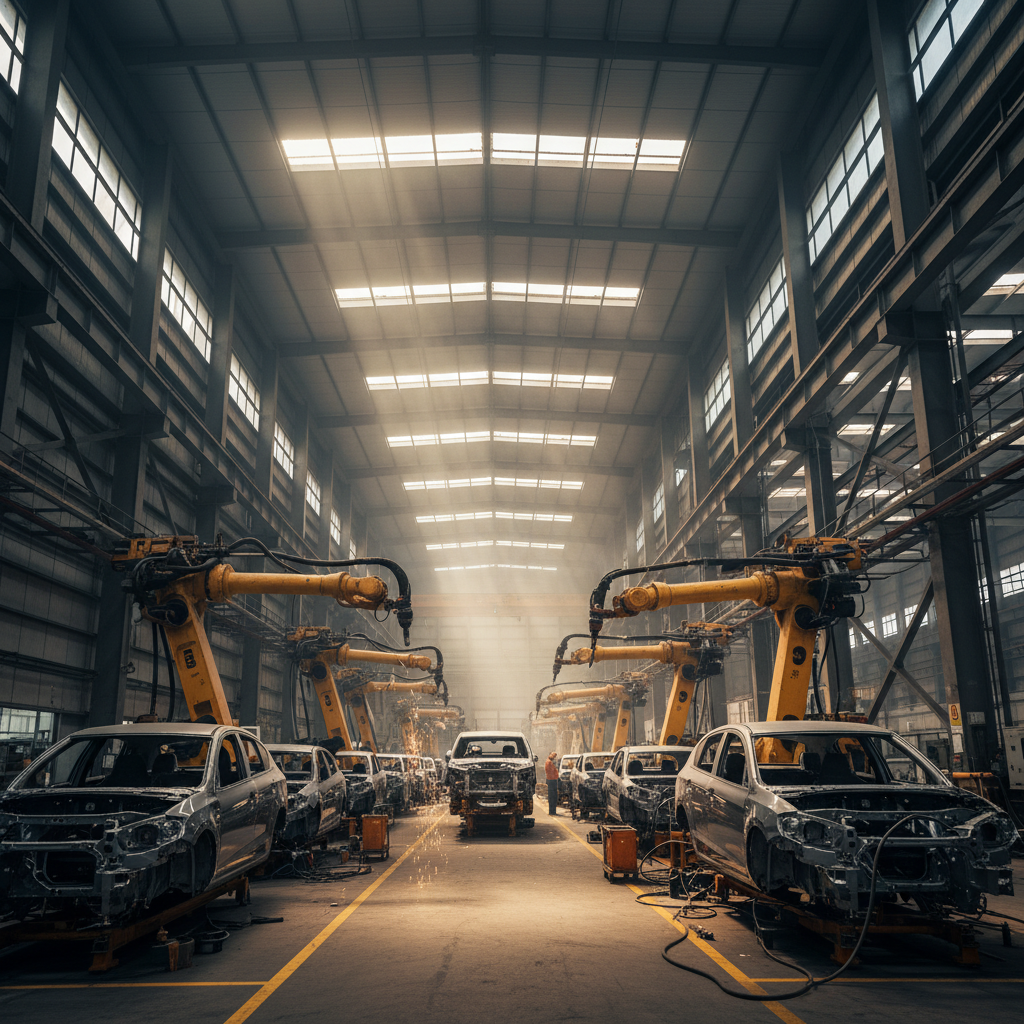
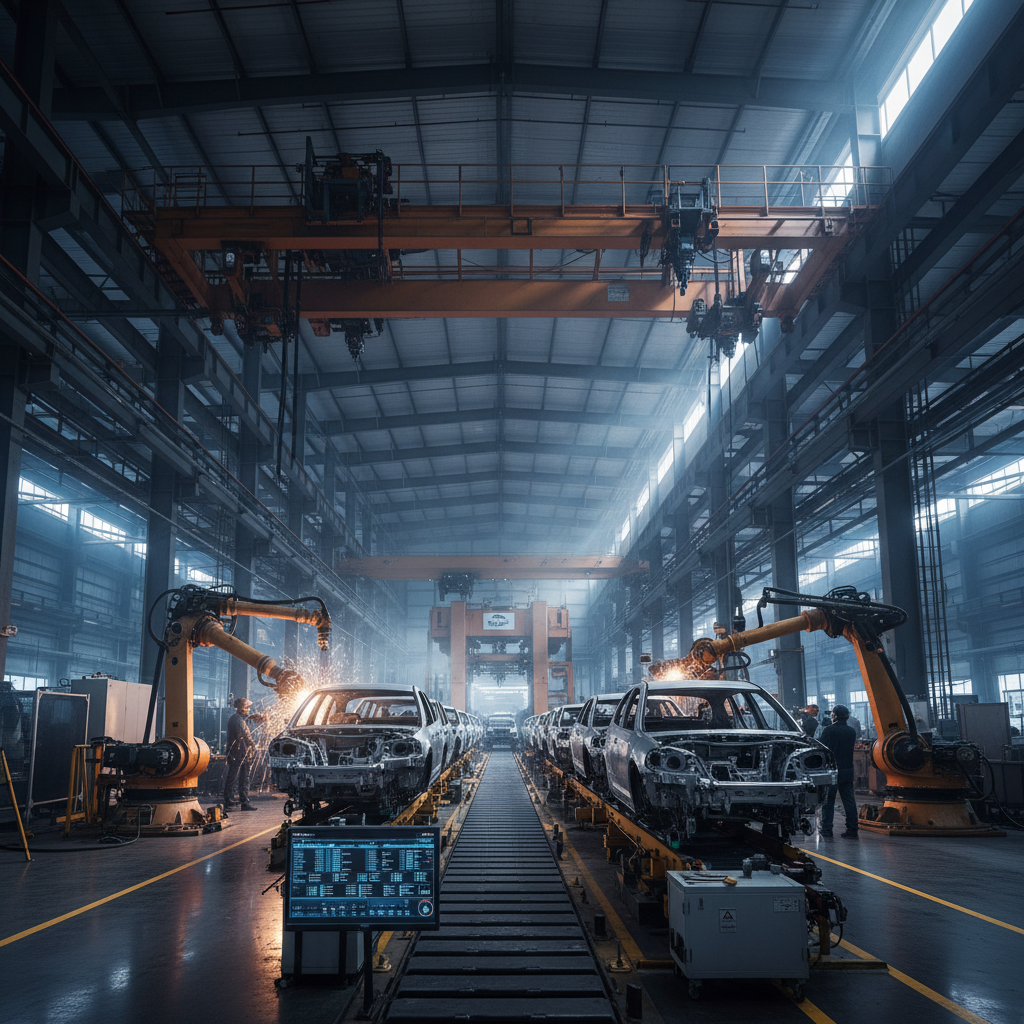
Third, automation and robotics play an increasingly important role in enhancing efficiency and reducing labor costs. Automated assembly lines, robotic welding, and computerized quality control systems are now commonplace in modern automotive plants. Fourth, material science and innovation are driving advancements in vehicle performance, safety, and sustainability, with companies exploring lightweight materials and eco-friendly alternatives. Finally, design and ergonomics are crucial for creating vehicles that are both aesthetically pleasing and comfortable for drivers and passengers.
Global Applications and Use Cases
Automotive manufacturing companies are globally distributed, with major production hubs in North America, Europe, and Asia. Countries like China, Germany, Japan, and the United States are leading producers of vehicles, catering to both domestic and international markets. The applications of their products are ubiquitous, impacting nearly every facet of modern life.
In developed economies, automotive manufacturing supports personal transportation, commercial logistics, and tourism. In emerging markets, it plays a vital role in infrastructure development and economic growth. For example, the expansion of vehicle ownership in countries like India and Brazil has spurred significant investment in automotive manufacturing facilities.
Furthermore, specialized automotive manufacturing companies cater to niche markets, such as the production of armored vehicles for security applications, electric buses for public transportation, or off-road vehicles for industrial use. These applications demonstrate the versatility and adaptability of the automotive manufacturing sector.
Production Volume by Automotive Manufacturing Companies Method
Advantages and Long-Term Value
Investing in and supporting automotive manufacturing companies yields significant advantages. Economically, these companies generate substantial revenue, create high-skilled jobs, and stimulate innovation. They also contribute to a more efficient and productive transportation system, reducing congestion and lowering logistics costs. Furthermore, the pursuit of sustainable manufacturing practices within the automotive industry is driving environmental improvements.
The long-term value extends beyond economic gains. Safe and reliable vehicles enhance personal security and freedom. Advanced automotive technologies, such as autonomous driving systems, have the potential to revolutionize transportation and improve quality of life. The industry’s commitment to sustainability fosters a cleaner and healthier environment for future generations. These aspects instill trust and reinforce the importance of automotive manufacturing companies in the global landscape.
Future Trends and Innovations
The automotive industry is on the cusp of a dramatic transformation, driven by technological advancements and evolving consumer expectations. Electric vehicles (EVs) are rapidly gaining popularity, prompting automotive manufacturing companies to invest heavily in battery technology and charging infrastructure. Autonomous driving systems are also poised to disrupt the industry, promising safer and more efficient transportation.
Digital transformation is another key trend, with companies leveraging data analytics, artificial intelligence, and the Internet of Things (IoT) to optimize manufacturing processes, enhance product quality, and personalize the customer experience. Sustainable manufacturing practices, such as the use of recycled materials and the reduction of carbon emissions, are also becoming increasingly important.
Challenges and Solutions in Automotive Manufacturing
Automotive manufacturing companies face a range of challenges, including rising raw material costs, supply chain disruptions, and increasing regulatory pressures. The transition to electric vehicles also presents significant hurdles, requiring substantial investments in new technologies and infrastructure.
To overcome these challenges, companies are adopting innovative strategies such as diversifying their supply chains, investing in advanced manufacturing technologies, and fostering collaboration with suppliers and research institutions. Embracing circular economy principles, reducing waste, and promoting sustainability are also key to long-term success. The key to mitigating risk lies in proactive adaptation and strategic investment.
Moreover, fostering a skilled workforce capable of navigating these complex changes is crucial. Investments in training programs and educational initiatives are essential to ensure that automotive manufacturing companies have the talent they need to thrive in the future.
Summary of Challenges and Solutions in Automotive Manufacturing
| Challenge |
Impact on Automotive Manufacturing Companies |
Proposed Solution |
Implementation Difficulty (1-10) |
| Raw Material Price Volatility |
Increased production costs, reduced profit margins |
Diversification of suppliers, long-term contracts |
6 |
| Supply Chain Disruptions |
Production delays, inventory shortages |
Regionalization of supply chains, increased inventory buffers |
7 |
| Transition to Electric Vehicles |
Significant capital investment, technological challenges |
Strategic partnerships, R&D investments in battery technology |
8 |
| Increasing Regulatory Pressure |
Compliance costs, product redesign requirements |
Proactive engagement with regulatory bodies, investment in sustainable technologies |
5 |
| Cybersecurity Threats |
Production disruptions, data breaches |
Enhanced cybersecurity measures, employee training |
7 |
| Workforce Skills Gap |
Difficulty adapting to new technologies, reduced productivity |
Investments in training programs, collaboration with educational institutions |
6 |
FAQS
Automotive manufacturing companies face significant hurdles in sustainability, including the high energy consumption of production processes, the reliance on raw materials with complex supply chains, and the difficulty in recycling end-of-life vehicles. Transitioning to renewable energy sources, implementing circular economy principles, and developing sustainable materials require substantial investment and innovation. Overcoming these challenges necessitates collaboration across the entire automotive value chain, from material suppliers to end-of-life vehicle processors.
Automation is transforming the automotive manufacturing workforce, reducing the need for repetitive manual tasks while simultaneously creating demand for skilled workers in areas like robotics maintenance, programming, and data analysis. While some jobs may be displaced, the overall trend is towards a shift in skillsets rather than a net loss of employment. Reskilling and upskilling initiatives are crucial to prepare the workforce for these evolving roles.
Data analytics is becoming increasingly vital in automotive manufacturing, enabling companies to optimize production processes, improve quality control, and predict maintenance needs. By analyzing data from sensors, machines, and supply chains, manufacturers can identify bottlenecks, reduce waste, and enhance overall efficiency. Predictive maintenance, powered by data analytics, minimizes downtime and extends the lifespan of equipment.
Recent global events have highlighted the vulnerability of automotive supply chains to disruptions. Shortages of semiconductors, raw materials, and logistical bottlenecks have led to production delays and increased costs. Automotive manufacturing companies are mitigating these risks by diversifying their supplier base, regionalizing supply chains, increasing inventory buffers, and investing in supply chain visibility technologies.
Several key innovations are accelerating the development of EVs, including advancements in battery technology (higher energy density, faster charging times), improvements in electric motor efficiency, and the development of lightweight materials to reduce vehicle weight. Software innovations, such as advanced battery management systems and regenerative braking, are also playing a crucial role in enhancing EV performance and range.
The development of autonomous driving technology is prompting automotive manufacturing companies to invest heavily in sensors, software, and artificial intelligence. This requires significant changes to vehicle architecture, manufacturing processes, and quality control procedures. Companies are also exploring new business models, such as robotaxis and autonomous delivery services, which will further reshape the automotive landscape.
Conclusion
Automotive manufacturing companies stand at the forefront of innovation and economic growth, shaping the future of transportation and mobility. From pioneering advancements in electric vehicle technology to embracing sustainable manufacturing practices, these organizations are continually adapting to meet evolving challenges and opportunities. A robust understanding of their core components, global applications, and future trends is essential for stakeholders across industries and sectors.
Looking ahead, continued investment in research and development, a commitment to sustainability, and a focus on workforce development will be critical for ensuring the long-term success of automotive manufacturing companies. By embracing these principles, they can not only drive economic prosperity but also contribute to a cleaner, safer, and more sustainable future. Visit our website at www.headliningline.com to learn more about leading automotive manufacturing companies.