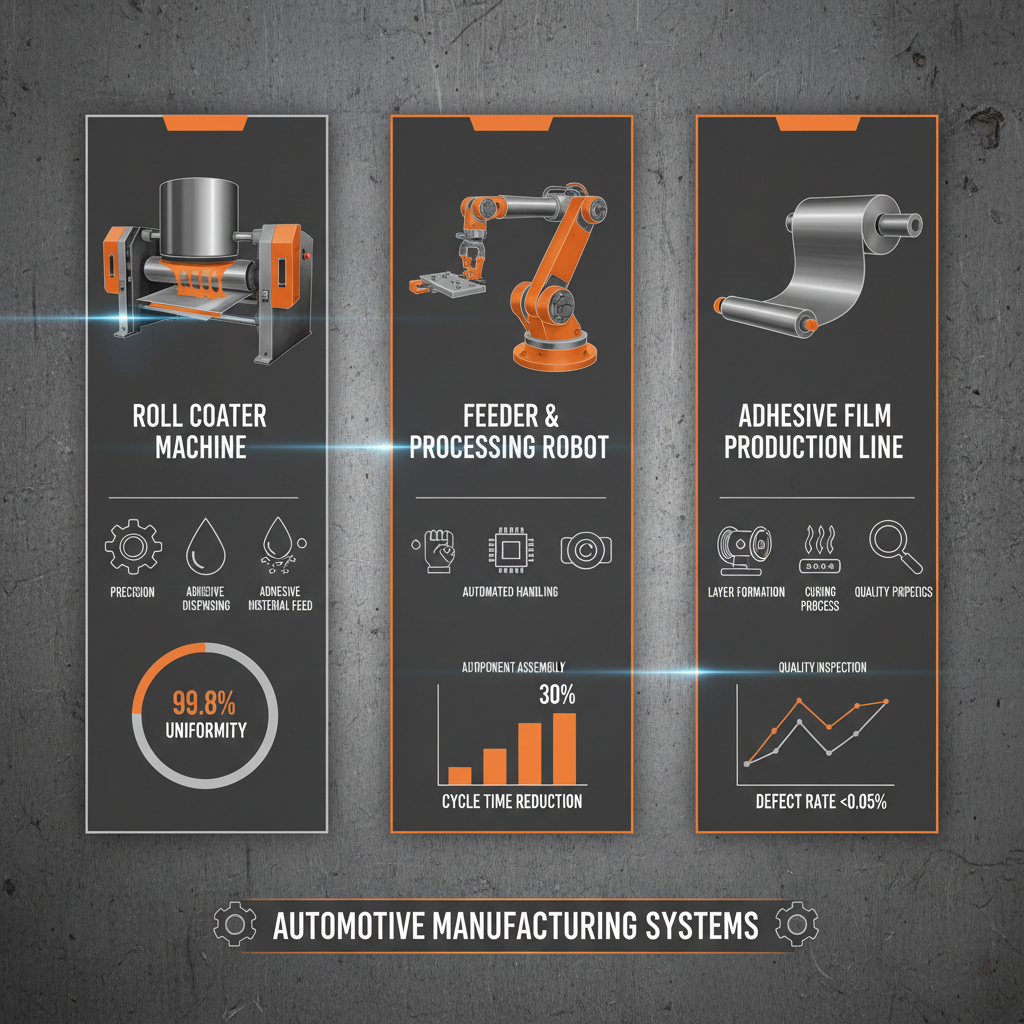
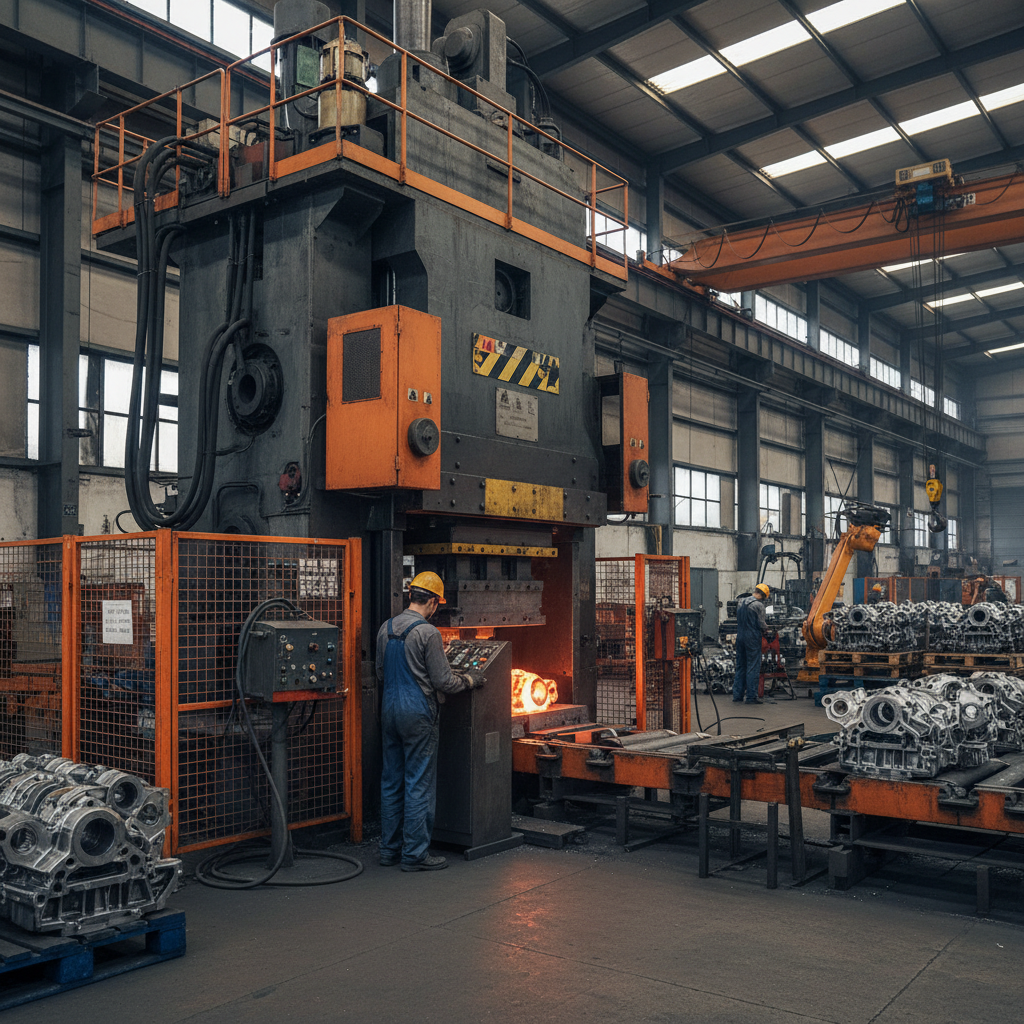
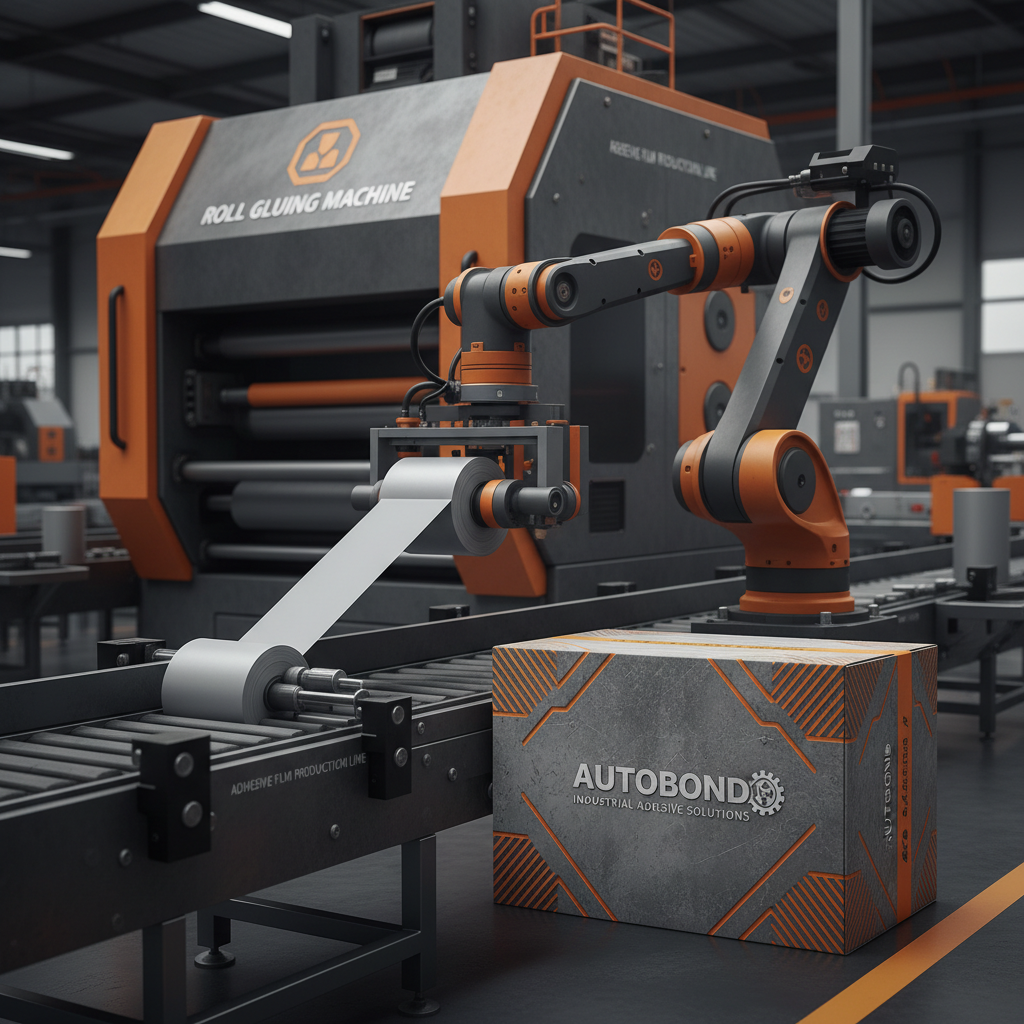
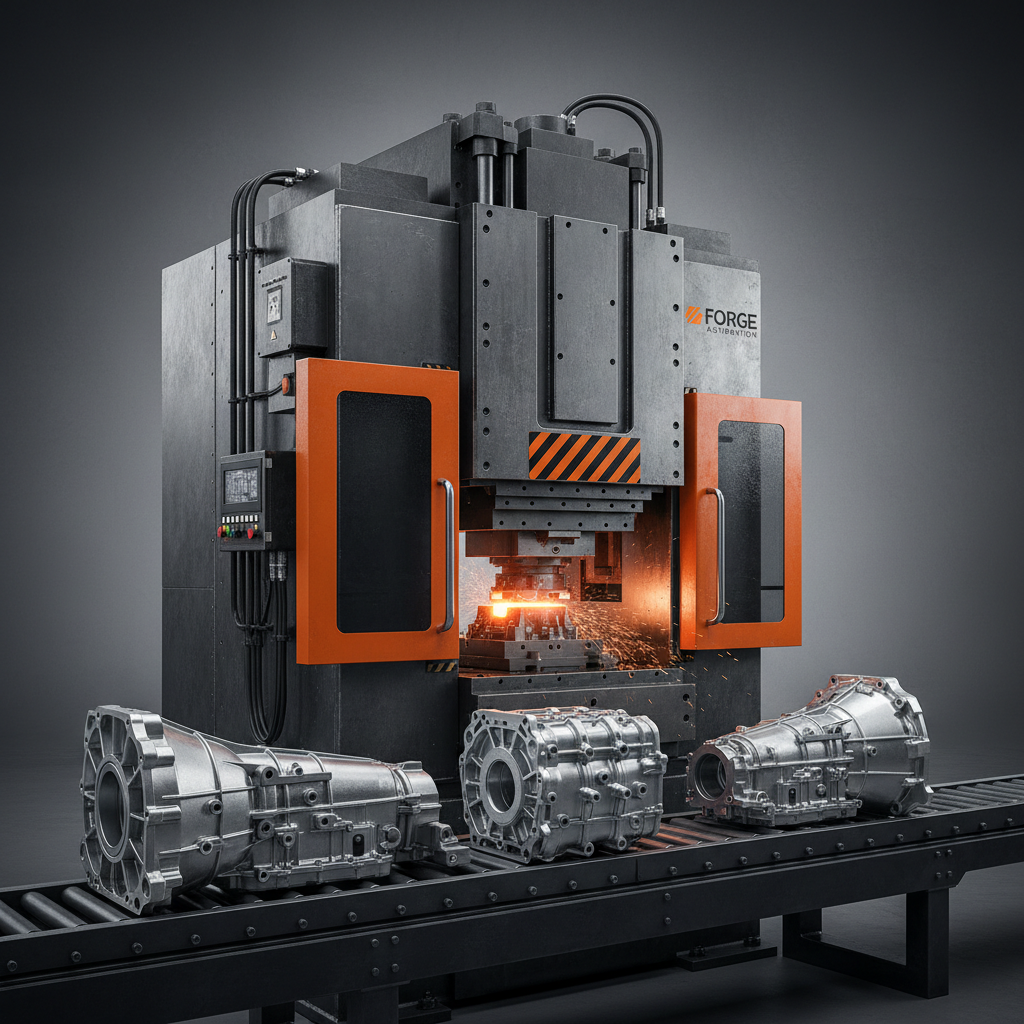
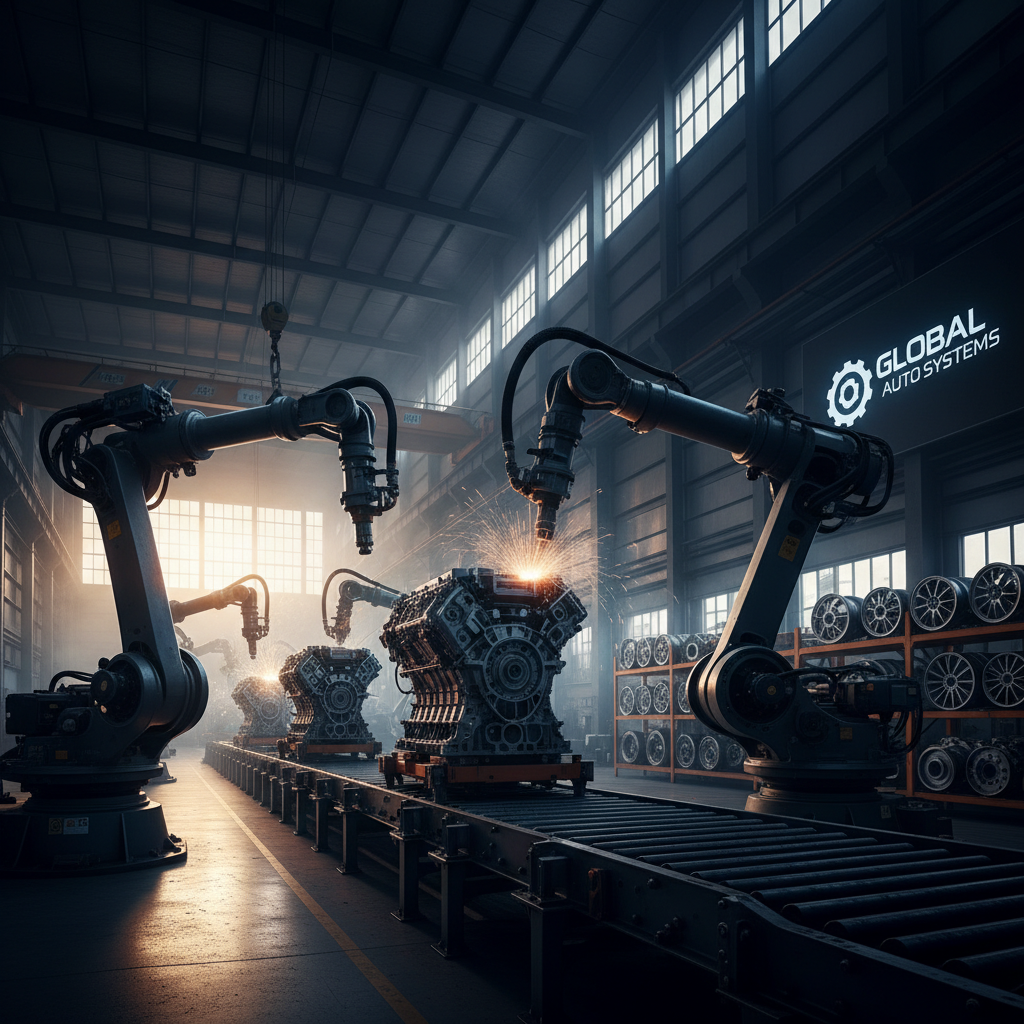
Automotive manufacturing systems are the backbone of modern transportation, impacting economies and daily life globally. It’s not just about building cars; it’s a complex network of processes, technologies, and skilled labor that transforms raw materials into the vehicles we rely on. The efficiency, sustainability, and adaptability of these systems are increasingly crucial as demand grows, and new vehicle technologies emerge. We're talking about a multi-trillion dollar industry, deeply interwoven with supply chains that span continents, employing millions, and constantly evolving to meet stricter environmental regulations and changing consumer preferences.
The automotive industry is facing unprecedented disruption. From the rise of electric vehicles and autonomous driving to the pressures of supply chain resilience after recent global events, automotive manufacturing systems must adapt. This adaptation isn’t simply about adopting new robots or software; it’s a fundamental rethinking of how vehicles are designed, built, and delivered. Companies that invest in innovative, flexible, and data-driven manufacturing processes will be the ones who thrive. It affects everything from component sourcing to final assembly, and even after-sales service and end-of-life vehicle management.
Understanding these systems is paramount for anyone involved in the automotive sector – from engineers and managers to policymakers and investors. Effective automotive manufacturing isn't just about cost reduction, though that's important; it's about building quality, ensuring safety, and fostering a culture of continuous improvement. It's a field demanding skilled professionals who can bridge the gap between technological advancements and practical implementation on the factory floor.
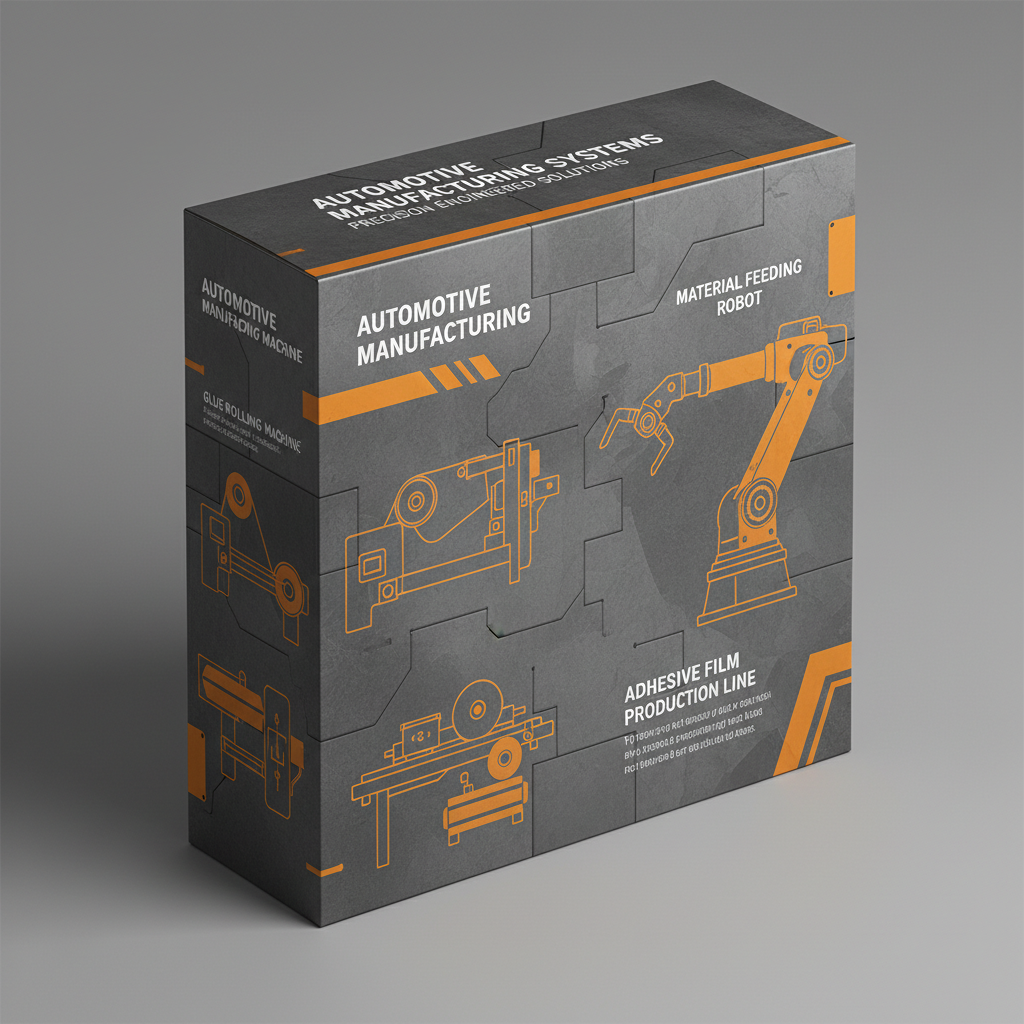
The Global Landscape of automotive manufacturing systems
Automotive manufacturing isn't confined to any single nation. While historically dominated by North America, Europe, and Japan, we've seen a significant shift towards emerging economies like China, India, and Southeast Asia. China, in particular, has become a global automotive manufacturing powerhouse, accounting for over 30% of global vehicle production. Data from the UN Statistics Division and the World Bank shows a consistent growth in automotive output in these regions, driven by rising domestic demand and competitive labor costs. This globalization, while offering benefits, also presents challenges in terms of supply chain management, geopolitical risks, and maintaining consistent quality standards.
The need for resilient automotive manufacturing systems has been starkly highlighted by recent global events – the COVID-19 pandemic, semiconductor shortages, and geopolitical instability. These disruptions exposed vulnerabilities in just-in-time manufacturing models and prompted companies to reassess their sourcing strategies and invest in greater supply chain diversification. The industry is increasingly focused on building regional manufacturing hubs to reduce reliance on single sources and shorten lead times. This shift reflects a growing recognition that agility and adaptability are essential for survival in a volatile world.
Defining Automotive Manufacturing Systems
At its core, an automotive manufacturing system encompasses all the processes involved in transforming raw materials into a finished vehicle. That’s everything from stamping sheet metal and casting engine blocks, to assembling components, painting, and final quality control. It’s not just the physical processes, though; it also includes the intricate network of software, data analytics, and human expertise that orchestrates the entire operation. It’s a complex, integrated system, far beyond just a collection of assembly lines.
This isn’t just about building cars, trucks, and buses. Automotive manufacturing systems are fundamentally linked to modern industrial progress and have a direct impact on societal well-being. Efficient systems mean more affordable transportation, economic growth, and job creation. Furthermore, advancements in automotive manufacturing drive innovation in related fields like robotics, materials science, and software engineering, pushing the boundaries of what's possible.
Consider the rapid development of electric vehicle (EV) manufacturing. It requires entirely new supply chains, different skill sets for the workforce, and reimagined assembly processes. This demonstrates how automotive manufacturing systems must continuously evolve to accommodate technological advancements and changing market demands.
Core Components of Efficient Systems
A robust automotive manufacturing system relies on several key components. First, automation and robotics are vital for increasing efficiency, improving precision, and reducing labor costs. However, it’s not just about replacing humans with robots; it’s about intelligent automation that integrates seamlessly with human workers. Second, lean manufacturing principles—focusing on eliminating waste and maximizing value—are essential for streamlining processes and reducing lead times.
Third, supply chain management is critical. This involves building strong relationships with suppliers, optimizing logistics, and ensuring a consistent flow of materials. Fourth, quality control is paramount. Rigorous testing and inspection procedures are necessary to ensure that vehicles meet safety and performance standards. Finally, data analytics and the Industrial Internet of Things (IIoT) are increasingly important for monitoring performance, identifying bottlenecks, and predicting maintenance needs.
Global Applications and Use Cases
Automotive manufacturing systems are deployed across the globe, adapted to suit different regional contexts and production requirements. In Germany, the focus is often on high-precision engineering and luxury vehicle production. In the US, you see a blend of mass production and high-tech innovation. In China, the emphasis is on scaling up production quickly and cost-effectively. These variations reflect different market demands, labor costs, and technological capabilities.
The principles of efficient automotive manufacturing are also being applied in other industries, such as aerospace, medical device manufacturing, and even food processing. The lessons learned in automotive – like lean manufacturing, just-in-time inventory management, and quality control – are transferable to a wide range of production environments. In remote industrial zones, these systems enable localized production and economic development.
We're also seeing a rise in “microfactories” – smaller, more flexible manufacturing facilities designed to produce customized vehicles or specialized components. These microfactories can be located closer to customers, reducing transportation costs and improving responsiveness.
Comparison of Automotive Manufacturing Systems Methods
Advantages and Long-Term Value
The benefits of optimized automotive manufacturing systems are far-reaching. Tangibly, they lead to reduced production costs, improved product quality, and faster time-to-market. But the advantages go beyond the bottom line. Sustainable practices, like reducing waste and energy consumption, minimize environmental impact and enhance corporate social responsibility. Moreover, safer working conditions improve employee morale and reduce the risk of accidents.
From a societal perspective, effective automotive manufacturing supports economic growth, creates jobs, and provides access to affordable transportation. And on an emotional level, consumers benefit from safer, more reliable, and more innovative vehicles. Building trust with customers through consistent quality and safety is paramount.
Future Trends & Innovations in Automotive Production
The future of automotive manufacturing will be shaped by several key trends. Firstly, digital transformation is driving the adoption of technologies like artificial intelligence (AI), machine learning (ML), and cloud computing. These technologies enable predictive maintenance, real-time monitoring of production processes, and optimized supply chain management. Secondly, sustainability will become even more critical, with a focus on reducing carbon emissions, using recycled materials, and implementing circular economy principles.
Thirdly, additive manufacturing (3D printing) is poised to revolutionize the production of customized components and prototypes. Fourthly, the metaverse and digital twins will play an increasing role in designing and simulating manufacturing processes. Finally, advanced robotics and collaborative robots (cobots) will become more prevalent, working alongside human workers to enhance productivity and safety.
Challenges and Solutions in Automotive Manufacturing
Despite the advancements, automotive manufacturing systems face several challenges. The shortage of skilled labor is a major concern, requiring investment in training and education programs. The complexity of supply chains makes them vulnerable to disruptions, necessitating greater diversification and resilience. The high cost of implementing new technologies can be a barrier for smaller manufacturers, requiring government incentives and industry collaboration.
One potential solution is to embrace Industry 4.0 principles and leverage the power of data analytics to optimize processes and improve efficiency. Another is to foster greater collaboration between manufacturers, suppliers, and research institutions. Furthermore, investing in workforce development and creating apprenticeships can help address the skills gap. Finally, adopting a more agile and flexible manufacturing approach can enable companies to respond quickly to changing market demands.
These aren't just theoretical concepts. We're seeing successful implementations of these solutions across the globe, proving that the challenges can be overcome with innovation and strategic investment.
Summary of Challenges and Solutions in Automotive Manufacturing
| Challenge Area |
Specific Challenge |
Potential Solution |
Implementation Difficulty (1-5, 5=Hardest) |
| Workforce |
Skills Gap |
Investment in Training Programs |
3 |
| Supply Chain |
Single Source Dependency |
Supplier Diversification |
4 |
| Technology |
High Implementation Costs |
Government Incentives & Collaboration |
4 |
| Operational Efficiency |
Wasteful Processes |
Lean Manufacturing Implementation |
2 |
| Data Management |
Data Silos & Integration |
IIoT & Data Analytics Platforms |
5 |
| Market Responsiveness |
Slow Adaption to Change |
Agile Manufacturing Processes |
3 |
FAQS
Traditional systems were largely characterized by mass production and limited customization. Modern systems, however, embrace automation, data analytics, and flexible manufacturing processes, enabling greater efficiency, customization, and responsiveness to changing market demands. The integration of IIoT and AI allows for predictive maintenance, real-time monitoring, and optimized supply chain management, features largely absent in older setups. The shift also reflects a move from vertically integrated models to more collaborative supply chain networks.
Industry 4.0, with its focus on connectivity, automation, and data exchange, is fundamentally reshaping automotive manufacturing. It enables the creation of “smart factories” where machines communicate with each other and with humans, optimizing processes in real-time. Key elements like the IIoT, cloud computing, AI, and machine learning are driving increased efficiency, reduced downtime, and improved product quality. It’s not just about automation; it’s about creating a more intelligent and responsive manufacturing ecosystem.
Sustainability is becoming increasingly crucial. Consumers and regulators are demanding more environmentally friendly vehicles and manufacturing processes. This means reducing carbon emissions, minimizing waste, using recycled materials, and embracing circular economy principles. Automotive manufacturers are investing in technologies like electric vehicles, lightweight materials, and closed-loop manufacturing systems to reduce their environmental impact. Sustainable practices aren’t just good for the planet; they also make good business sense, enhancing brand reputation and reducing costs.
Addressing the skills gap requires a multi-faceted approach. Investment in training and education programs is essential, focusing on areas like robotics, automation, data analytics, and digital manufacturing. Manufacturers should collaborate with vocational schools and universities to develop curricula that meet industry needs. Apprenticeships and on-the-job training programs can provide valuable hands-on experience. Furthermore, companies need to foster a culture of continuous learning and upskilling to ensure that their workforce remains competitive.
While the potential of AI/ML is significant, implementation challenges exist. These include the high cost of implementation, the need for large amounts of high-quality data, and the lack of skilled personnel to develop and maintain AI/ML systems. Data security and privacy concerns also need to be addressed. Successful implementation requires a clear understanding of business objectives, a well-defined data strategy, and a phased approach to deployment.
Supply chain disruptions, like those experienced during the recent semiconductor shortage, can have a devastating impact. They can lead to production delays, increased costs, and reduced profitability. Automotive manufacturers are mitigating this risk by diversifying their supplier base, building stronger relationships with key suppliers, and investing in supply chain visibility tools. Regionalizing supply chains and holding strategic inventory are also becoming more common strategies.
Conclusion
Automotive manufacturing systems are a cornerstone of the modern global economy, and their evolution is far from over. We’ve explored the core components, global applications, future trends, and inherent challenges. The path forward demands a commitment to innovation, sustainability, and a skilled workforce. Embracing digital transformation, fostering collaboration, and prioritizing resilience will be crucial for success in this dynamic industry.
Investing in advanced technologies, developing a robust supply chain, and cultivating a culture of continuous improvement aren't just optional; they're essential for remaining competitive. The future of automotive manufacturing isn't just about building better cars; it's about building a better future – one that’s more efficient, sustainable, and responsive to the needs of a changing world. Learn more about optimizing your systems at automotive manufacturing systems.