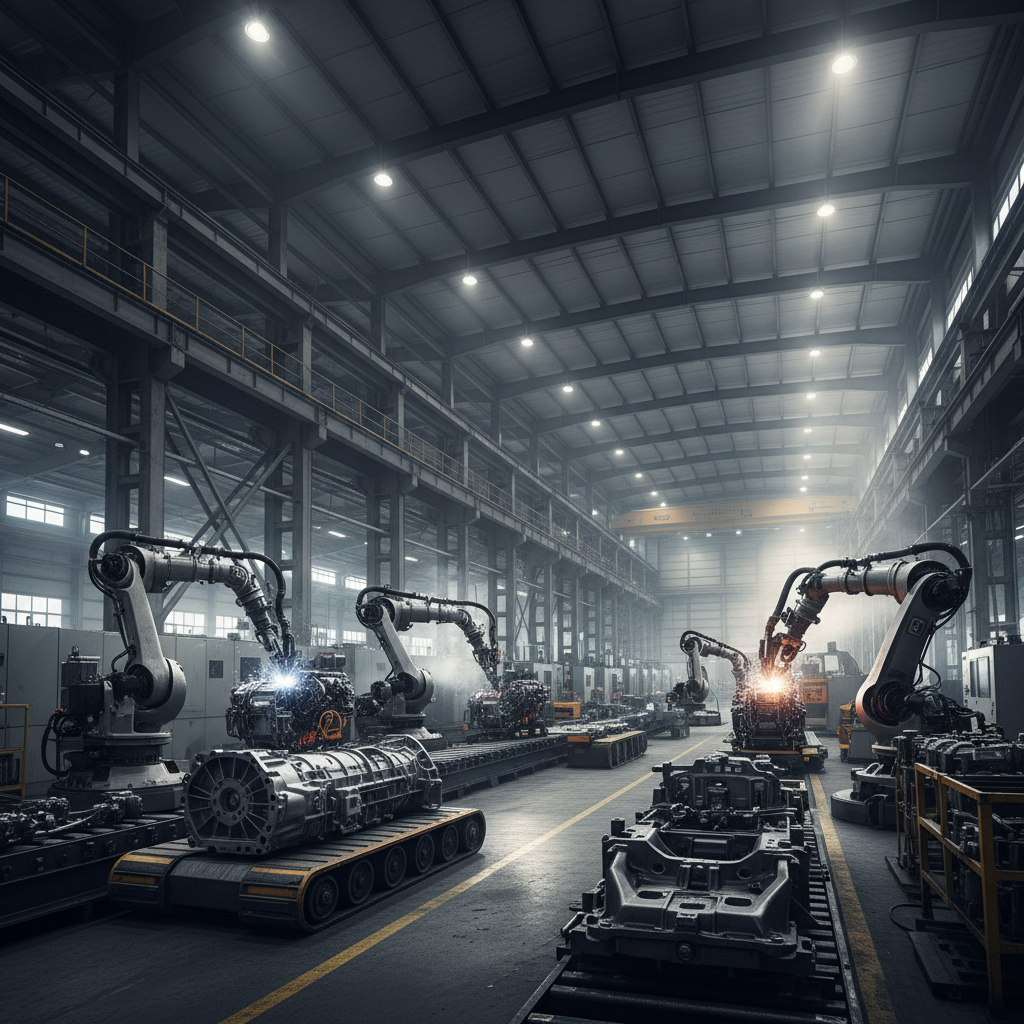
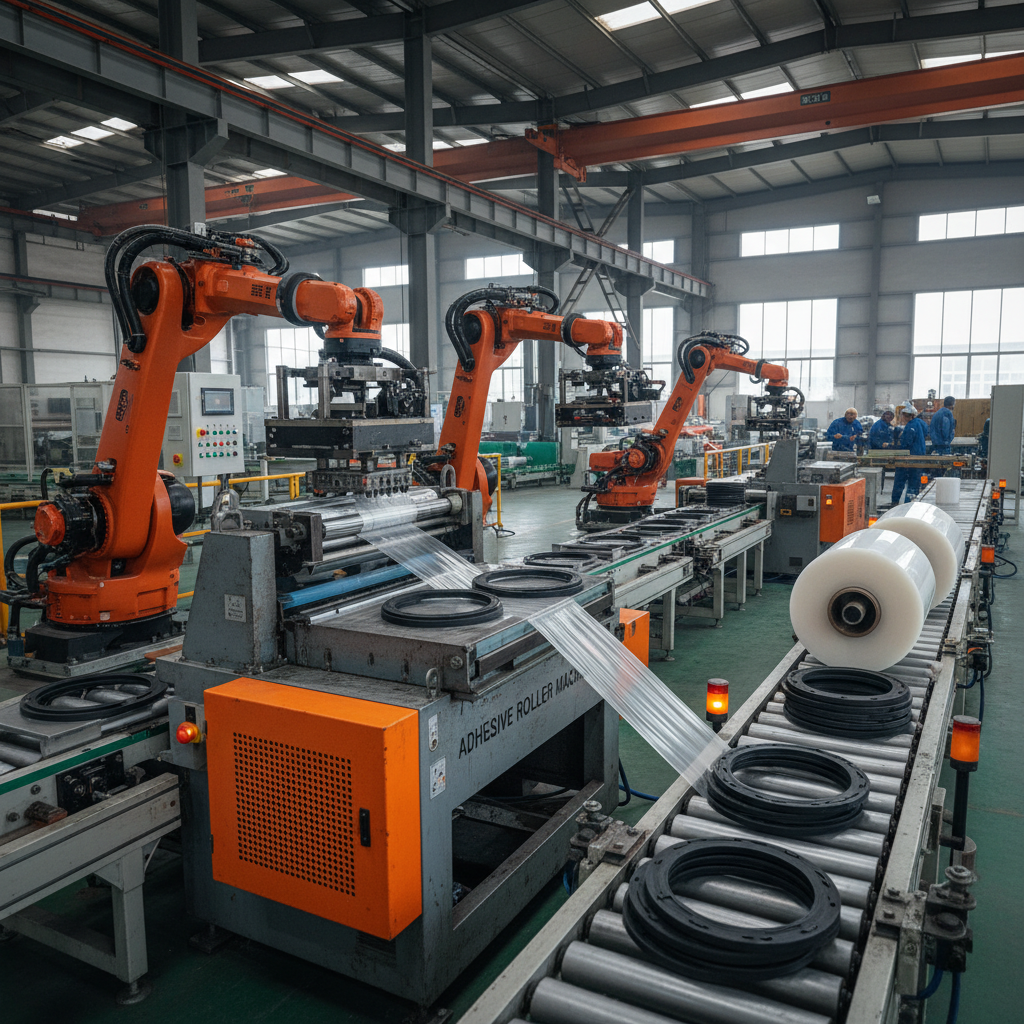
The auto parts manufacturing industry is a cornerstone of the global economy, responsible for the production of components that keep the world moving. From intricate engine parts to essential safety features, this industry’s impact is pervasive. Understanding its complexities, challenges, and innovations is crucial for businesses, policymakers, and anyone invested in the future of transportation and manufacturing. The industry's value chain is incredibly intricate, demanding precision, efficiency, and a constant drive for improvement.
Globally, the automotive sector is a multi-trillion-dollar industry, with auto parts representing a significant portion of that value. According to the UN Comtrade database, global trade in automotive parts exceeded $1.5 trillion in 2022, demonstrating its vast scale and interconnectedness. This figure is expected to grow, driven by increasing vehicle production and the demand for advanced technologies. The industry is profoundly influenced by geopolitical factors, trade agreements, and evolving consumer preferences.
The auto parts manufacturing industry is vital for ensuring vehicle safety, performance, and longevity. Its ability to adapt to changing technological landscapes and sustainability demands will define its future success. Navigating supply chain disruptions, adopting new materials, and embracing automation are key challenges that manufacturers must address to remain competitive in this dynamic environment.
Introduction to the auto parts manufacturing industry
The auto parts manufacturing industry isn’t simply about creating components; it's a complex ecosystem encompassing research & development, material science, precision engineering, and stringent quality control. Its reach extends far beyond automotive vehicles, influencing sectors like aerospace, defense, and heavy machinery. The industry directly impacts millions of jobs worldwide and fuels economic growth through innovation and trade.
The competitive landscape of auto parts manufacturing is rapidly evolving, driven by technological advancements such as electric vehicle (EV) technology and autonomous driving systems. Manufacturers are increasingly focusing on lightweight materials, advanced manufacturing processes, and sustainable production methods to meet the demands of a changing market. The ability to adapt to these changes will be crucial for long-term success.
Defining Auto Parts Manufacturing
Auto parts manufacturing encompasses the processes involved in designing, developing, and producing components used in motor vehicles, including passenger cars, trucks, buses, and motorcycles. This covers a wide range of products, from simple fasteners to complex engine systems, transmissions, and electronic control units. The industry serves both the Original Equipment Manufacturer (OEM) market, supplying parts directly to vehicle manufacturers, and the aftermarket, providing replacement parts for existing vehicles.
At its core, auto parts manufacturing is about ensuring the reliable and safe operation of vehicles. The industry is deeply intertwined with the overall automotive industry’s success, as advancements in vehicle technology necessitate the development of new and improved parts. This creates a continuous cycle of innovation, demanding high levels of expertise and investment in research and development.
This manufacturing process is vital for modern industry as it directly impacts transportation, a foundational element of economic activity and personal mobility. Its contribution extends to humanitarian needs, as reliable vehicle operation is essential for emergency services, disaster relief, and the delivery of essential goods and services.
Core Components of Auto Parts Production
Several key factors underpin successful auto parts manufacturing. Durability is paramount, as parts must withstand harsh operating conditions and ensure long-term vehicle reliability. This necessitates the use of high-quality materials and rigorous testing procedures. Precision is equally crucial, particularly for engine components and safety systems, where even minor deviations can have significant consequences.
Cost Efficiency is a constant driver, forcing manufacturers to optimize their processes and materials usage. This often involves implementing lean manufacturing principles and exploring alternative materials. Scalability is also vital, allowing manufacturers to quickly adapt to changing demand and produce parts in large volumes without compromising quality. Efficiently scaling production enables companies to respond to market trends and maintain a competitive edge.
Finally, Innovation plays a pivotal role. Continuous investment in research and development is essential for creating new and improved parts that enhance vehicle performance, safety, and fuel efficiency. The development of advanced materials, such as carbon fiber and high-strength alloys, is a testament to this ongoing commitment to innovation within the auto parts manufacturing industry.
Global Applications and Industry Integration
The application of auto parts manufacturing extends far beyond passenger vehicle production. In the commercial vehicle sector, durable and reliable parts are crucial for trucking, logistics, and public transportation. The agricultural industry relies on robust components for tractors, harvesters, and other heavy machinery. Even the aerospace industry utilizes specialized auto parts manufacturing techniques for creating lightweight and high-performance components.
Regions with established automotive hubs, such as Germany, Japan, the United States, and China, are key centers for auto parts manufacturing. However, emerging economies like India and Mexico are rapidly gaining prominence, attracting investment and expanding their production capabilities. These regions benefit from lower labor costs and growing domestic markets.
In post-disaster relief operations, the availability of replacement auto parts is critical for restoring transportation networks and delivering aid. In remote industrial zones, efficient supply chains for auto parts ensure the continued operation of essential infrastructure. The auto parts manufacturing industry, therefore, plays a subtle but essential role in maintaining global stability and supporting humanitarian efforts.
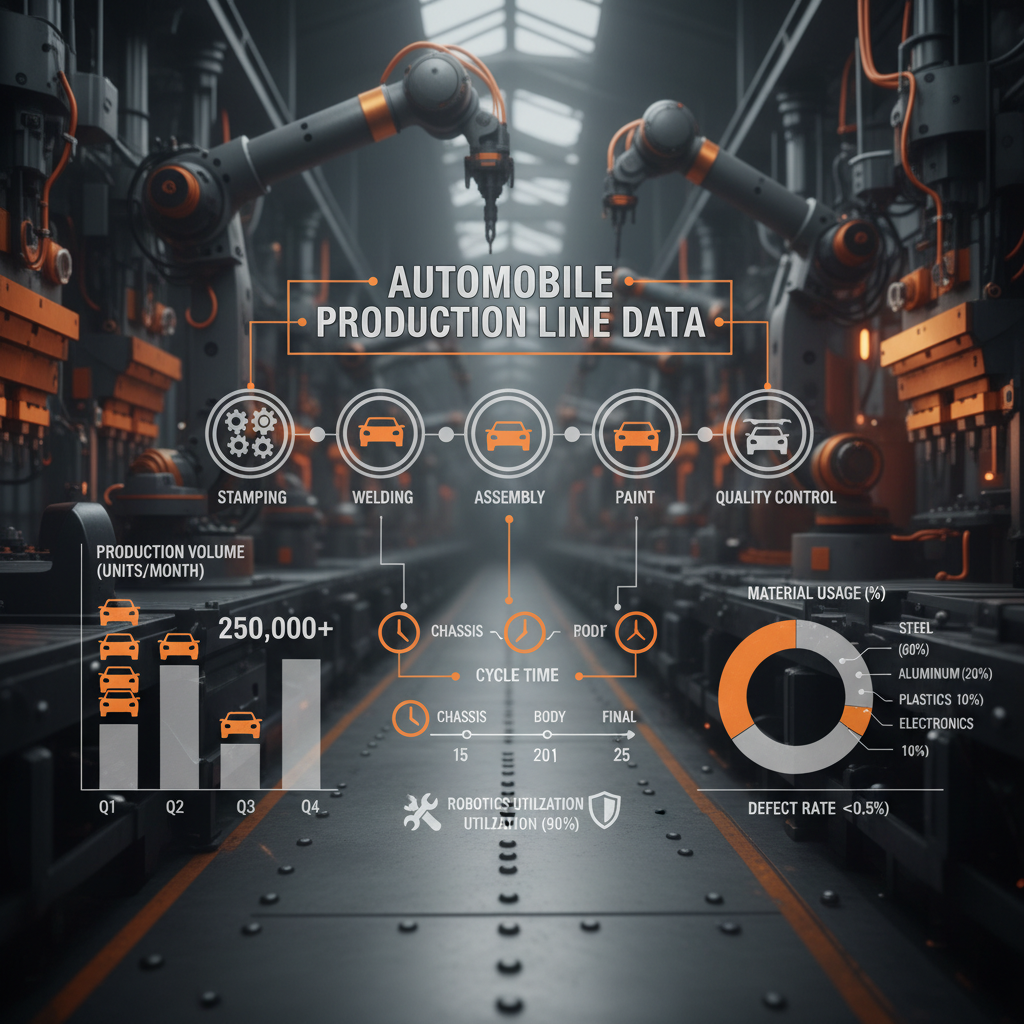
Production Efficiency in Auto Parts Manufacturing
Advantages and Long-Term Value Proposition
The benefits of a robust auto parts manufacturing industry are multifaceted. Economically, it creates high-skilled jobs, stimulates innovation, and contributes significantly to GDP. From a sustainability perspective, the drive towards lightweight materials and efficient manufacturing processes reduces environmental impact. Socially, the industry enhances safety and mobility, improving the quality of life for individuals and communities.
The long-term value extends beyond these tangible benefits. A thriving auto parts manufacturing sector fosters trust between vehicle manufacturers and consumers, ensuring the availability of reliable and safe components. It also encourages a culture of continuous improvement, driving innovation and enhancing competitiveness. Investing in this industry is an investment in the future of transportation and economic prosperity.
Future Trends in Auto Parts Manufacturing
Several key trends are shaping the future of auto parts manufacturing. The rise of electric vehicles (EVs) is driving demand for new components, such as battery packs, electric motors, and power electronics. Digital transformation, including the adoption of Industry 4.0 technologies like artificial intelligence (AI) and the Internet of Things (IoT), is optimizing production processes and improving efficiency.
Advanced materials, such as carbon fiber reinforced polymers and high-strength aluminum alloys, are becoming increasingly prevalent, enabling the production of lighter and more durable parts. Furthermore, a growing emphasis on circular economy principles is leading to increased recycling and reuse of materials, reducing waste and promoting sustainability.
Challenges and Innovative Solutions
The auto parts manufacturing industry faces numerous challenges, including supply chain disruptions, rising raw material costs, and the need to adapt to rapidly changing technologies. Maintaining quality control in the face of increasing complexity and automation is also a significant concern. Skill gaps within the workforce pose another hurdle, requiring investments in training and education.
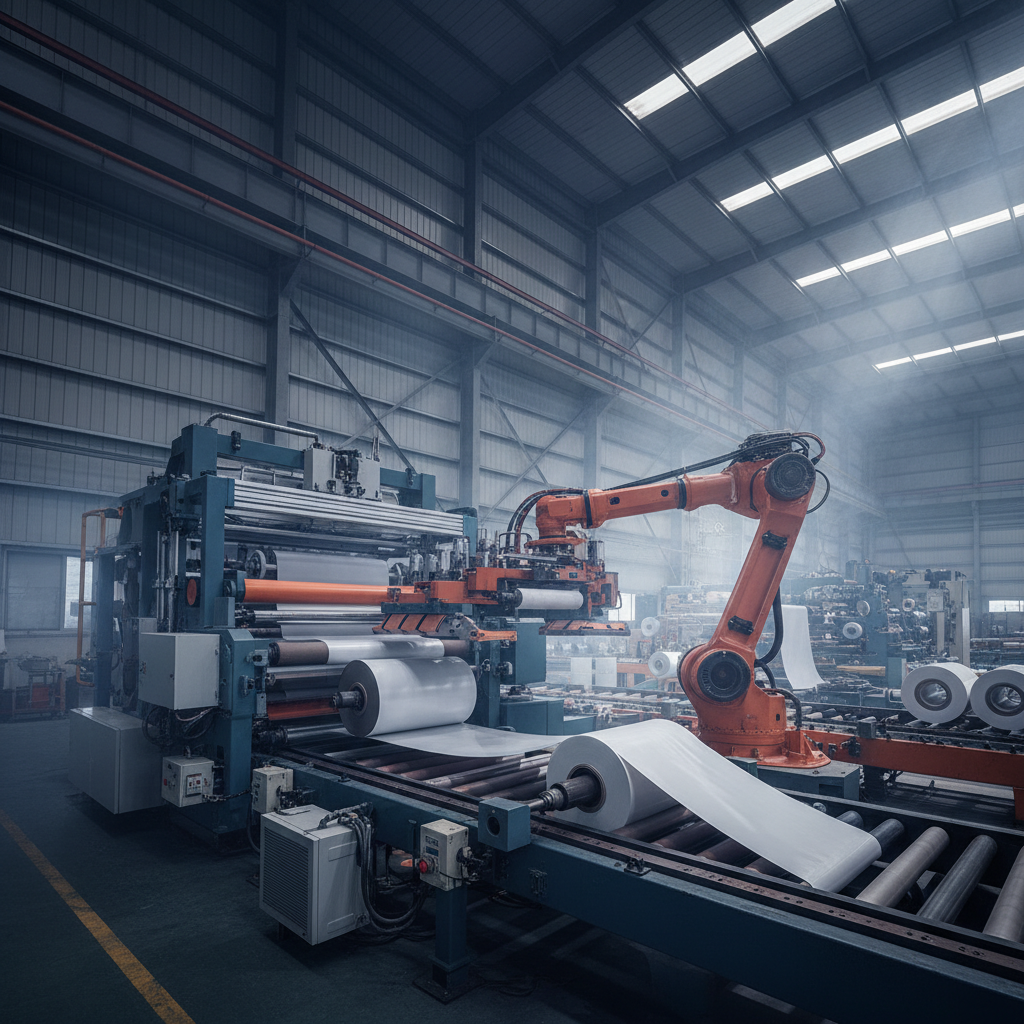
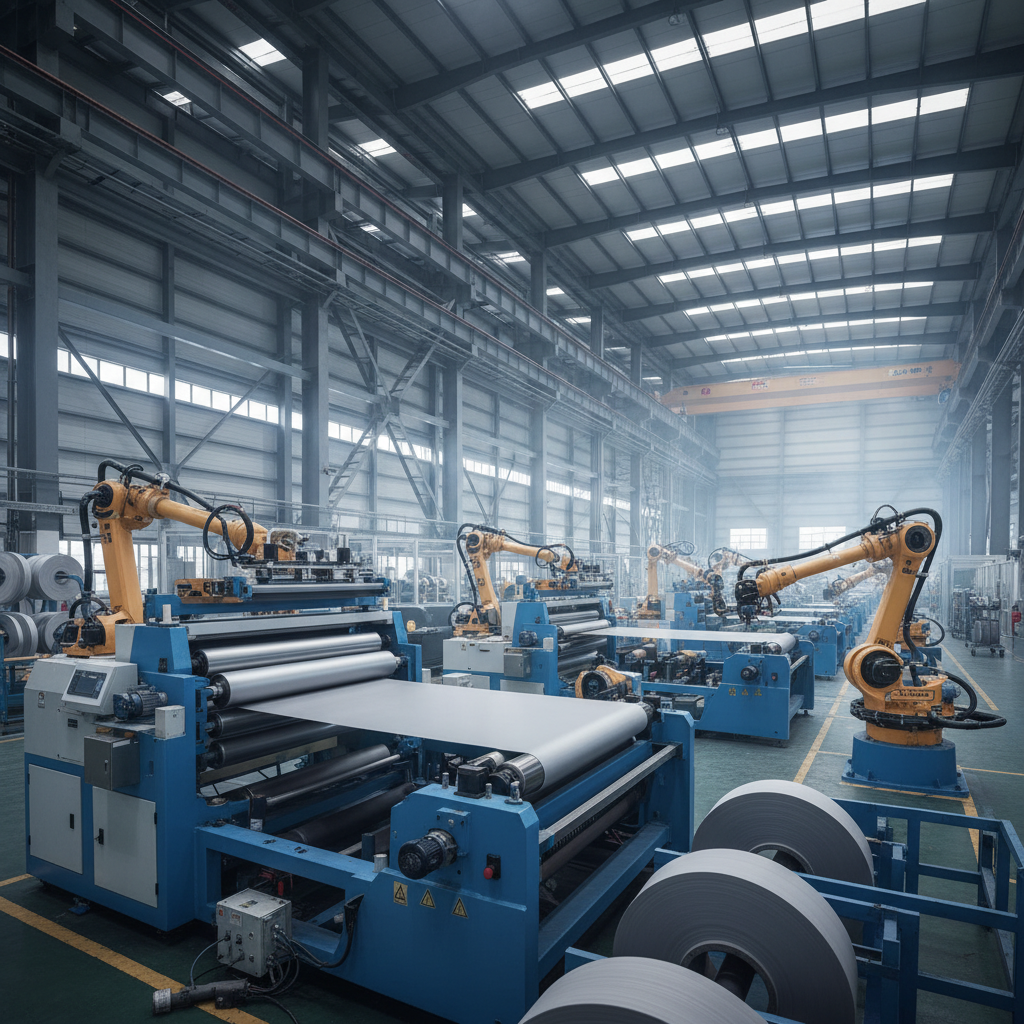
Innovative solutions are emerging to address these challenges. Diversifying supply chains, investing in predictive maintenance technologies, and adopting additive manufacturing (3D printing) are helping to mitigate disruptions and reduce costs. Robotics and automation are enhancing efficiency and improving quality control. Collaborative partnerships between industry, academia, and government are fostering innovation and workforce development.
The implementation of blockchain technology is being explored to improve supply chain traceability and transparency, ensuring the authenticity and origin of parts. Advanced analytics and machine learning are being used to optimize production processes and predict potential failures, further enhancing efficiency and reliability.
Summary of Challenges and Solutions in Auto Parts Manufacturing
| Challenge |
Impact Area |
Solution |
Implementation Timeline |
| Supply Chain Disruptions |
Production Costs |
Supply Chain Diversification |
Short-Term (6-12 months) |
| Rising Raw Material Costs |
Profit Margins |
Material Substitution & Recycling |
Medium-Term (1-3 years) |
| Technology Adaptation (EVs) |
Product Portfolio |
R&D Investment in New Components |
Long-Term (3-5 years) |
| Quality Control Complexity |
Product Reliability |
Advanced Automated Inspection Systems |
Medium-Term (1-2 years) |
| Workforce Skill Gaps |
Production Efficiency |
Upskilling and Reskilling Programs |
Ongoing |
| Cybersecurity Threats |
Data Integrity |
Enhanced Cybersecurity Protocols |
Ongoing |
FAQS
The auto parts manufacturing industry currently faces significant challenges including fluctuating raw material prices, global supply chain disruptions exacerbated by geopolitical events, the rapid transition to electric vehicles (EVs) requiring new component designs and production processes, and the need to adopt advanced technologies like AI and automation to remain competitive. Skilled labor shortages and increasing cybersecurity threats also pose considerable obstacles.
The shift to EVs is fundamentally reshaping the auto parts manufacturing landscape. Traditional internal combustion engine (ICE) components are declining in demand, while new components like battery packs, electric motors, power electronics, and charging infrastructure are experiencing rapid growth. Manufacturers must invest heavily in R&D and retooling to adapt to this shift and develop expertise in these new technologies. This transition requires significant capital investment and workforce training.
Sustainability is becoming increasingly critical in auto parts manufacturing. This includes reducing carbon emissions through efficient production processes, utilizing recycled and renewable materials, minimizing waste generation, and designing parts for durability and recyclability. Manufacturers are also focusing on reducing water consumption and adopting circular economy principles. Meeting stringent environmental regulations and consumer demand for eco-friendly products are driving these sustainability efforts.
AI and automation are being integrated into auto parts manufacturing to optimize production processes, improve quality control, and reduce costs. AI-powered predictive maintenance systems can anticipate equipment failures and minimize downtime. Automated robots are used for tasks like welding, painting, and assembly. Machine learning algorithms analyze production data to identify inefficiencies and optimize workflows. These technologies enhance precision, efficiency, and overall productivity.
Diversifying supply chains requires careful consideration of several factors. Manufacturers should identify alternative suppliers in different geographic regions to reduce reliance on single sources. Assessing supplier capabilities, financial stability, and quality control processes is crucial. Implementing robust risk management strategies and building strong relationships with suppliers are also essential. Nearshoring and reshoring options should be explored to minimize lead times and transportation costs.
Cybersecurity is paramount for auto parts manufacturers due to the increasing digitization of their operations and the sensitive nature of their data. Manufacturers must protect their intellectual property, supply chain information, and customer data from cyberattacks. Implementing robust cybersecurity protocols, including firewalls, intrusion detection systems, and employee training programs, is essential. Regular vulnerability assessments and incident response plans are also crucial to mitigate cybersecurity risks.
Conclusion
The auto parts manufacturing industry stands as a dynamic and essential component of the global economy. Its ability to innovate, adapt to changing technologies like electric vehicles, and prioritize sustainability will determine its long-term success. From ensuring vehicle safety and performance to driving economic growth and supporting humanitarian efforts, the industry’s impact is far-reaching. Investing in this sector is an investment in the future of mobility and a more sustainable world.
Looking ahead, manufacturers must embrace digital transformation, prioritize workforce development, and foster collaboration across the value chain. By addressing the challenges and capitalizing on the opportunities presented by emerging technologies, the auto parts manufacturing industry can continue to thrive and contribute to a more efficient, safe, and sustainable transportation system. Visit our website at www.headliningline.com to learn more about solutions and opportunities in this vital industry.