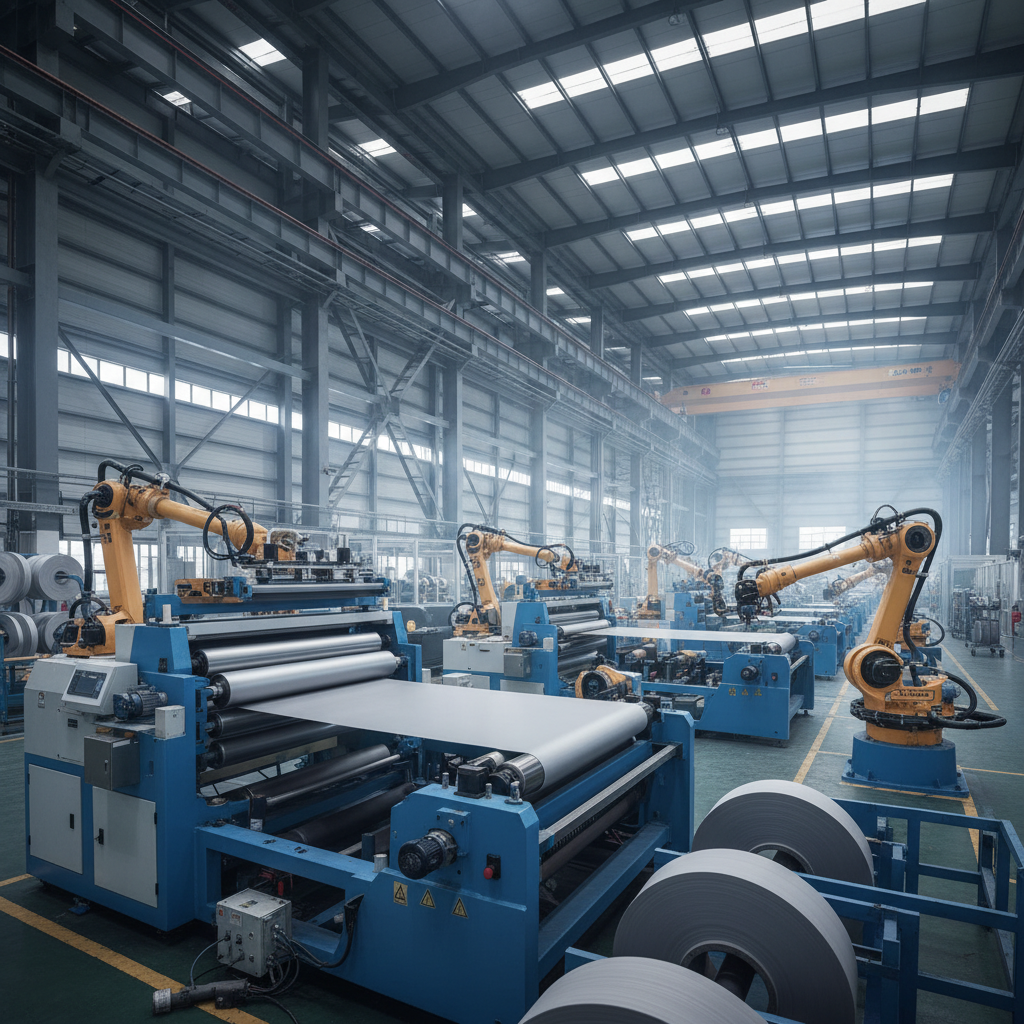
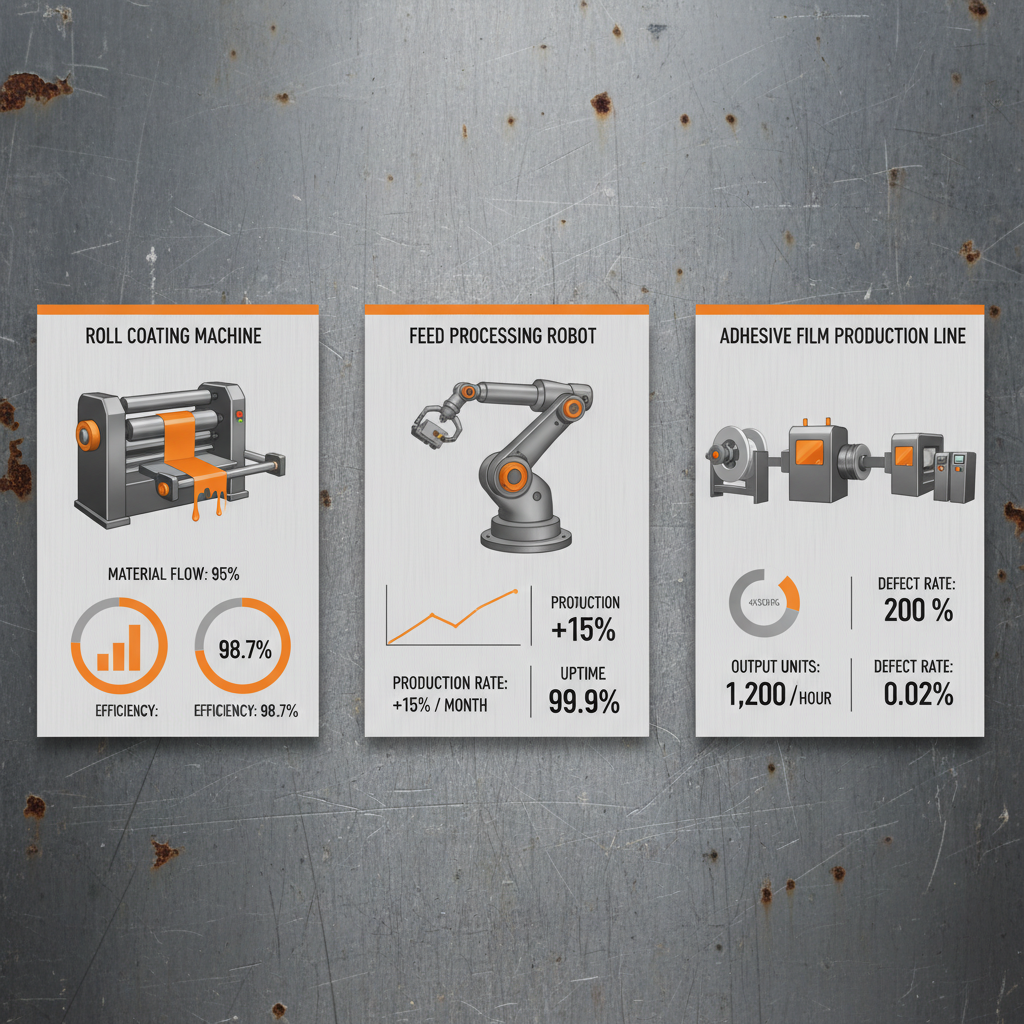
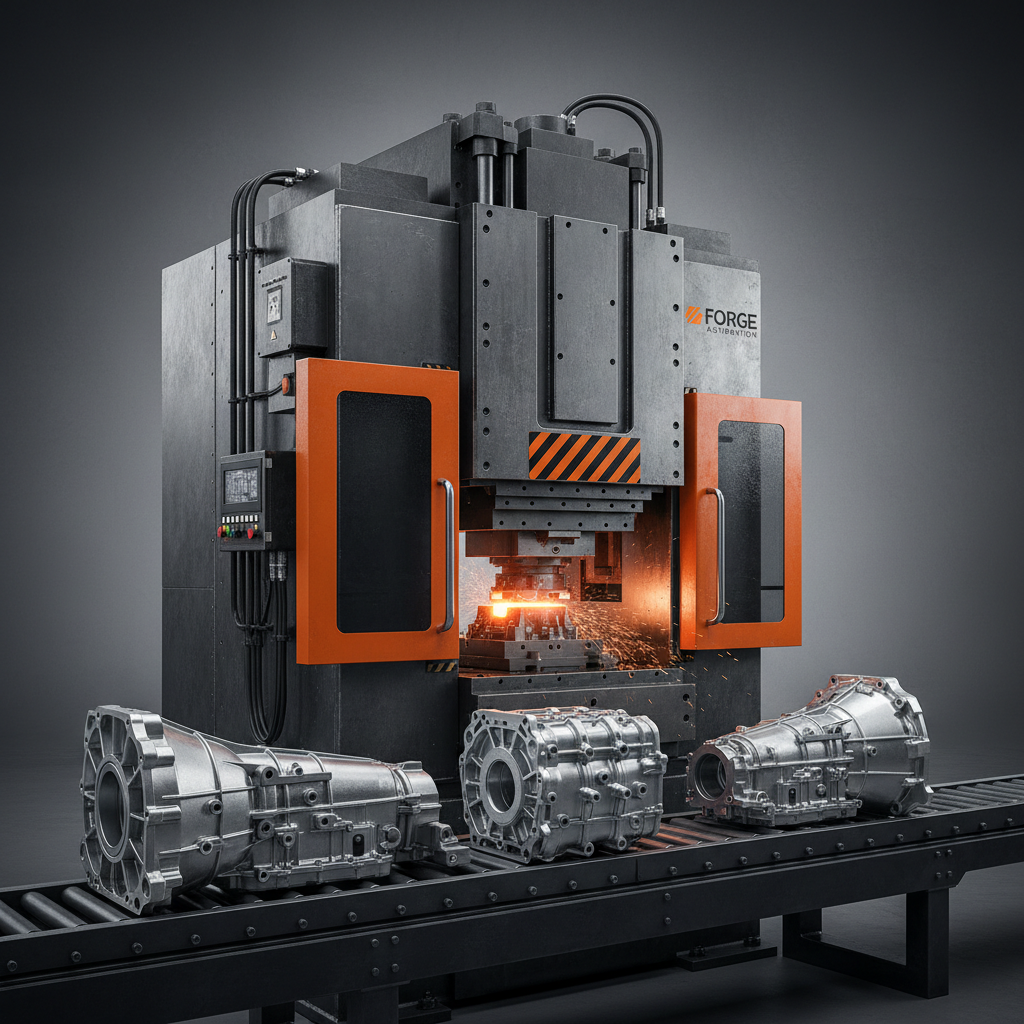
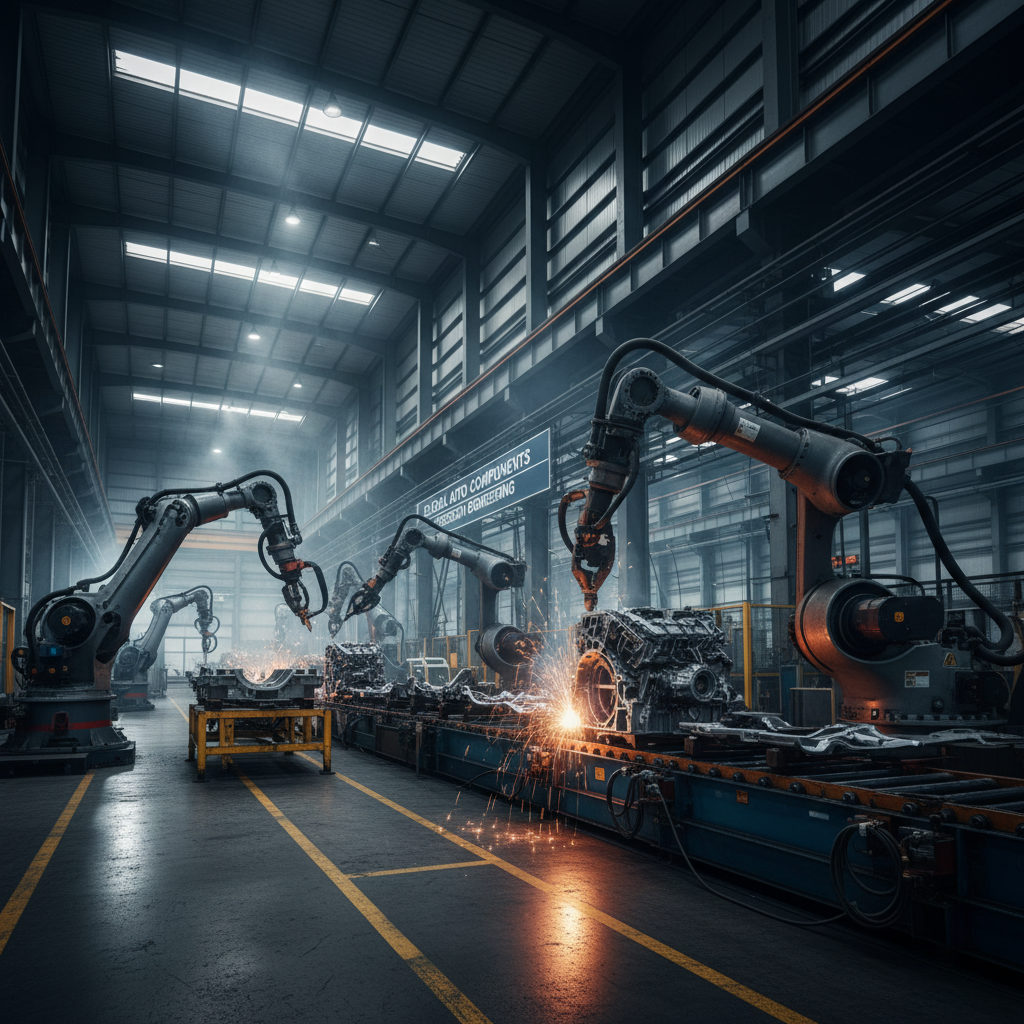
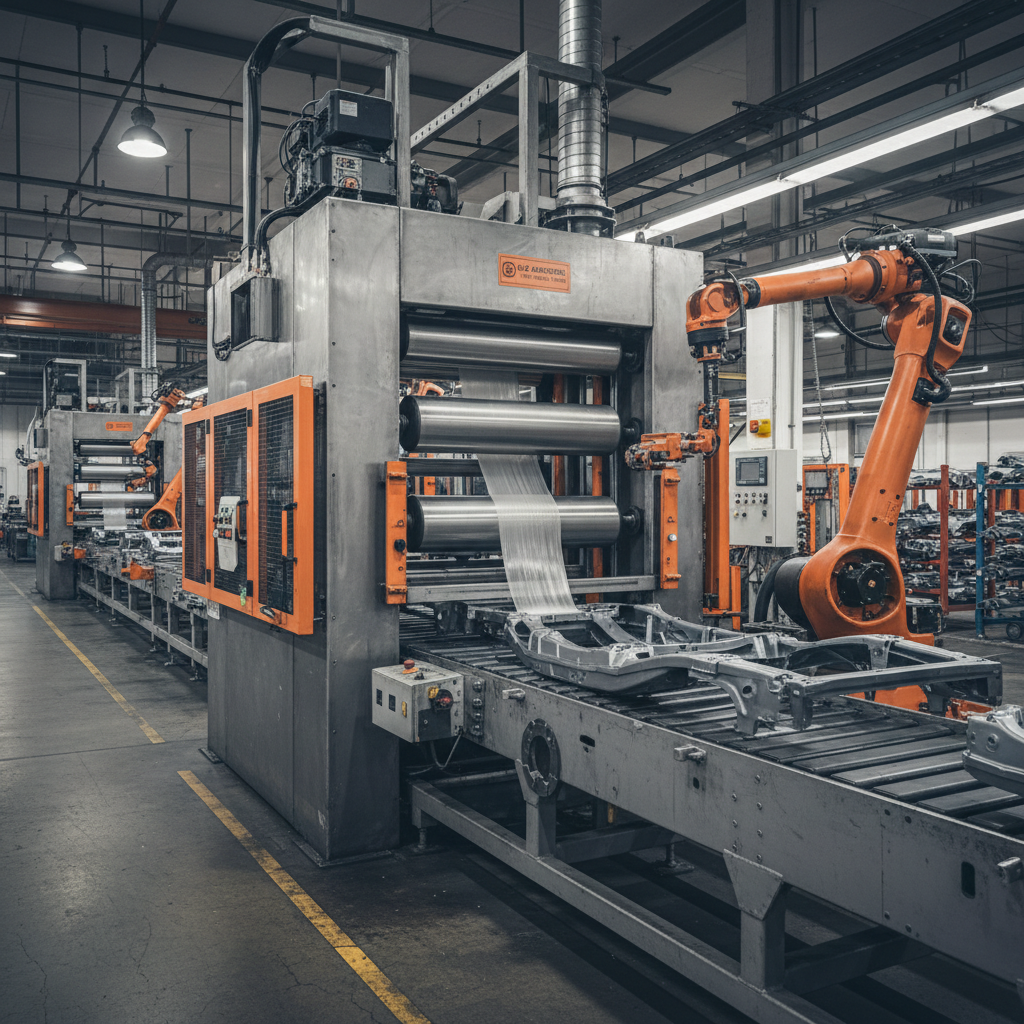
The world of automotive and manufacturing is the backbone of modern civilization. It’s not just about cars and factories; it’s about the entire ecosystem that delivers everything from the smartphones in our pockets to the infrastructure that supports our communities. This industry fuels economic growth, drives innovation, and constantly shapes the way we live. Understanding its intricacies is crucial for anyone involved in supply chains, logistics, engineering, or even policy-making. The benefits of grasping this field are immense – improved efficiency, sustainable practices, and the development of more resilient and reliable products. Automotive and manufacturing impacts every corner of the globe, and its future trajectory will determine a significant portion of our collective progress.
Globally, the automotive and manufacturing sector represents a staggering portion of the world’s GDP. According to the United Nations Industrial Development Organization (UNIDO), manufacturing alone accounts for approximately 16% of global GDP. The sector employs hundreds of millions worldwide, making it a critical engine for job creation and economic stability. However, this growth isn't without its challenges. Supply chain disruptions, geopolitical instability, and the increasing demand for sustainable practices are all pressing concerns. A robust understanding of automotive and manufacturing principles is therefore vital for navigating these complex issues and ensuring continued economic prosperity.
The term ‘automotive and manufacturing’ encompasses the processes of designing, engineering, assembling, and marketing vehicles and the wide range of components and systems that comprise them. It’s about taking raw materials – steel, aluminum, plastics, and increasingly, advanced composites – and transforming them into finished goods. But it’s far more than just physical production. It incorporates sophisticated automation, robotics, data analytics, and increasingly, artificial intelligence. It’s an industry deeply connected to human needs, providing essential transportation, infrastructure, and countless products that improve our quality of life.
The Global Significance of Automotive and Manufacturing
Automotive and manufacturing aren't confined to developed nations; they're a driving force in emerging economies as well. We’re seeing significant growth in manufacturing hubs throughout Asia, Latin America, and Africa. This expansion isn’t simply about replicating existing models. It’s about adapting technologies and processes to local conditions and resources. The industry’s ability to foster economic development in these regions is undeniable, but it also demands a commitment to ethical and sustainable practices.
Looking at raw numbers, the World Bank estimates that manufacturing contributes significantly to the export revenues of many developing countries. The impact extends beyond direct employment – it stimulates related industries, fosters innovation, and improves infrastructure. It’s a complex system, but a vital one for global economic health.
Defining Automotive and Manufacturing
At its core, automotive and manufacturing is about transformation. It's the systematic application of processes to convert raw materials into finished products. The automotive aspect, naturally, focuses on the production of vehicles – from passenger cars and trucks to buses and motorcycles. But manufacturing encompasses a far broader scope, including everything from aerospace components and medical devices to consumer electronics and industrial machinery. It’s a multidisciplinary field, drawing on principles from engineering, physics, chemistry, and computer science.
The connection to modern industry is absolute. Virtually every product we use today is the result of manufacturing processes. More fundamentally, it's tied to humanitarian needs. The ability to mass-produce essential goods – medical supplies, agricultural equipment, and even basic shelter – is critical for addressing global challenges like poverty, disease, and disaster relief. Efficient and reliable manufacturing is therefore not just an economic imperative, but a moral one.
And it’s evolving. We’re moving beyond traditional mass production towards more flexible, customized manufacturing models – often referred to as Industry 4.0 – which leverage data analytics, automation, and the Internet of Things (IoT) to optimize processes and create smarter, more responsive supply chains.
Key Factors in Automotive and Manufacturing Success
Durability: Products need to withstand the rigors of use and the test of time. This isn't just about material selection; it's about robust design, rigorous testing, and quality control throughout the manufacturing process. In the automotive world, that means ensuring a vehicle can handle harsh road conditions and operate reliably for years.
Scalability: The ability to increase production volume to meet growing demand is essential for success. This requires flexible manufacturing systems, efficient supply chains, and a skilled workforce. A company that can’t scale effectively risks losing market share to competitors.
Cost Efficiency: Managing costs is critical for maintaining competitiveness. This involves optimizing production processes, minimizing waste, and negotiating favorable terms with suppliers. It's a constant balancing act between quality, functionality, and price.
Innovation: Staying ahead of the curve requires continuous investment in research and development. New materials, advanced manufacturing techniques, and disruptive technologies can provide a significant competitive advantage.
Sustainability: Reducing environmental impact and promoting responsible sourcing are increasingly important. This includes minimizing waste, reducing energy consumption, and using eco-friendly materials.
Quality Control: Implementing stringent quality control measures ensures that products meet the highest standards of performance and reliability. This builds trust with customers and reduces the risk of costly recalls.
Global Applications and Use Cases
Automotive and manufacturing principles are applied across a vast spectrum of industries. In healthcare, precision manufacturing is crucial for producing life-saving medical devices. In aerospace, advanced materials and rigorous quality control are paramount for ensuring flight safety. In agriculture, automated systems and efficient manufacturing processes are helping to increase food production and reduce waste.
We see its impact in post-disaster relief operations, where rapidly deployable shelters and essential supplies are manufactured and distributed to affected areas. In remote industrial zones, modular factories are enabling local production and job creation. The automotive industry itself is a global network, with components sourced from around the world and vehicles assembled in factories on multiple continents.
Organizations like the International Organization for Standardization (ISO) play a critical role in setting standards and promoting best practices throughout the automotive and manufacturing sector, facilitating global trade and ensuring product quality. They work alongside regional bodies and national governments to foster a cohesive and responsible industry landscape.
Automotive and Manufacturing Method Ratings
Advantages and Long-Term Value
The tangible benefits of efficient automotive and manufacturing are clear: reduced costs, increased productivity, and improved product quality. But the long-term value extends far beyond the bottom line. Sustainable manufacturing practices contribute to environmental protection, reducing pollution and conserving resources. Investing in automation and robotics can improve workplace safety, reducing the risk of injury.
From an emotional perspective, well-designed and reliably manufactured products instill trust and confidence in consumers. They provide a sense of security and enhance quality of life. Logically, a robust automotive and manufacturing sector drives innovation, creating new technologies and industries. It’s an engine for progress, fostering economic growth and improving living standards worldwide.
Future Trends and Innovations
The future of automotive and manufacturing is being shaped by several key trends. The rise of electric vehicles (EVs) is driving demand for new battery technologies and manufacturing processes. Digital transformation, powered by AI and machine learning, is enabling smarter factories and more efficient supply chains. Additive manufacturing – or 3D printing – is revolutionizing prototyping and enabling the creation of complex geometries.
Sustainability remains a paramount concern. We’re seeing increased adoption of circular economy principles – designing products for disassembly and reuse – and a greater focus on using renewable energy sources in manufacturing facilities. These innovations aren’t just about improving efficiency; they’re about creating a more resilient and responsible industry.
Challenges and Solutions in Automotive and Manufacturing
Despite its progress, the automotive and manufacturing sector faces significant challenges. Supply chain disruptions, as we’ve seen recently with the semiconductor shortage, can cripple production. The skills gap – a shortage of qualified workers – threatens to slow innovation. And the increasing complexity of global regulations adds to the burden.
Addressing these challenges requires a multifaceted approach. Investing in workforce development programs is crucial for closing the skills gap. Diversifying supply chains and building greater resilience is essential for mitigating risks. Adopting digital technologies – such as blockchain – can improve transparency and traceability. And fostering collaboration between industry, government, and academia is key to driving innovation.
One potential solution gaining traction is the use of digital twins – virtual representations of physical assets – to optimize performance and predict maintenance needs. This allows for proactive problem-solving and minimizes downtime. Another promising area is the development of closed-loop manufacturing systems, where waste materials are recycled and reused within the production process.
Summary of Challenges and Solutions in Automotive and Manufacturing
| Challenge Area |
Severity Level (1-5) |
Potential Solutions |
Implementation Cost (1-5) |
| Supply Chain Vulnerability |
4 |
Diversification, Regionalization, Digital Tracking |
3 |
| Skilled Labor Shortage |
5 |
Training Programs, Automation, Upskilling Initiatives |
2 |
| Sustainability Concerns |
3 |
Circular Economy Models, Renewable Energy Adoption, Waste Reduction |
4 |
| Regulatory Compliance |
4 |
Digital Compliance Tools, Standardized Processes, Expert Consultation |
3 |
| Cybersecurity Threats |
3 |
Robust Cybersecurity Protocols, Employee Training, Data Encryption |
2 |
| Rapid Technological Change |
5 |
Continuous Learning, Agile Development, Innovation Labs |
4 |
FAQS
The automotive and manufacturing sector is currently grappling with a complex set of challenges, including supply chain disruptions caused by geopolitical events and pandemics, a significant shortage of skilled labor, increasing regulatory pressures related to sustainability and safety, and the rapid pace of technological change driven by Industry 4.0. Addressing these requires strategic investment in workforce development, supply chain diversification, and the adoption of advanced technologies.
While automation does displace some routine tasks, it also creates new opportunities requiring higher-level skills. The focus is shifting towards roles that involve designing, implementing, maintaining, and overseeing automated systems. This necessitates significant investment in retraining and upskilling programs to prepare the workforce for the jobs of the future. It’s not about eliminating jobs, but transforming them.
Industry 4.0 represents the fourth industrial revolution, characterized by the integration of digital technologies like IoT, cloud computing, artificial intelligence, and machine learning into manufacturing processes. This leads to smarter factories, improved efficiency, increased flexibility, and greater customization. It allows for real-time data analysis, predictive maintenance, and optimized resource allocation.
Sustainability is no longer a secondary consideration but a core business imperative. Consumers are demanding more eco-friendly products, and governments are enacting stricter environmental regulations. Manufacturers are increasingly focused on reducing their carbon footprint, minimizing waste, using renewable energy sources, and adopting circular economy principles. This not only benefits the environment but also enhances brand reputation and reduces costs.
Data analytics is fundamental to optimizing manufacturing processes. By collecting and analyzing data from various sources – sensors, machines, and systems – manufacturers can identify patterns, predict failures, and improve efficiency. It enables predictive maintenance, quality control, and real-time optimization of production schedules. Essentially, it turns raw data into actionable insights.
Several innovative materials are gaining traction, including advanced composites like carbon fiber reinforced polymers for lightweighting vehicles, graphene for enhanced strength and conductivity, and bio-based plastics as sustainable alternatives to traditional materials. 3D printing is also enabling the use of new and complex materials with tailored properties.
Conclusion
The automotive and manufacturing sector is a cornerstone of the global economy, constantly evolving and adapting to new challenges and opportunities. From the fundamental principles of durability and scalability to the cutting-edge innovations of Industry 4.0 and sustainable manufacturing, understanding this field is crucial for anyone seeking to thrive in the modern world. Its ability to drive economic growth, foster innovation, and improve quality of life makes it an industry of paramount importance.
Looking ahead, the successful players in automotive and manufacturing will be those who embrace digital transformation, prioritize sustainability, and invest in their workforce. The future demands agility, resilience, and a commitment to continuous improvement. To learn more about how we can help your organization navigate this complex landscape, visit our website: www.headliningline.com.