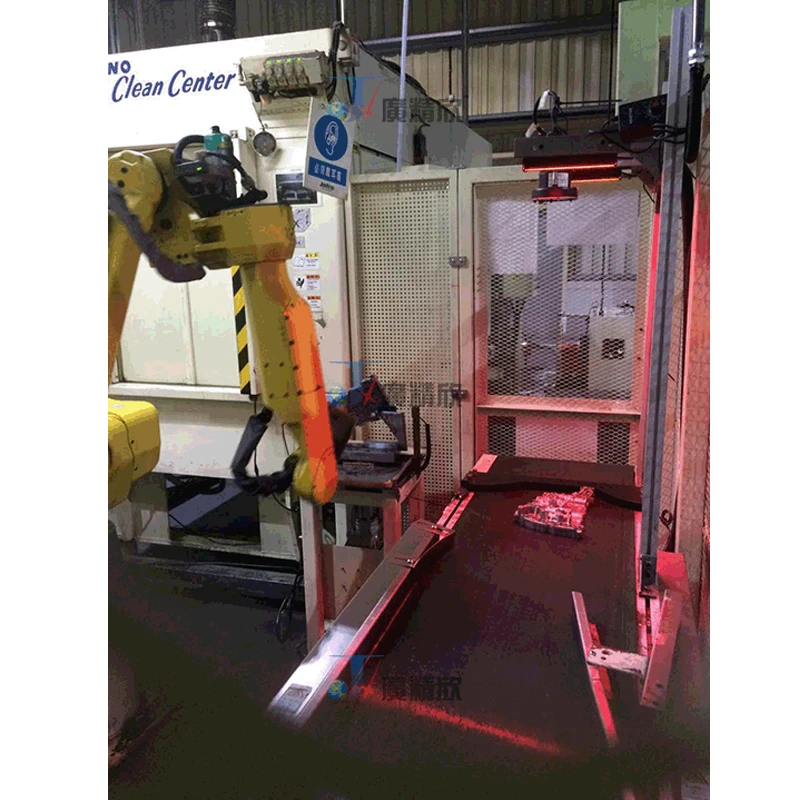
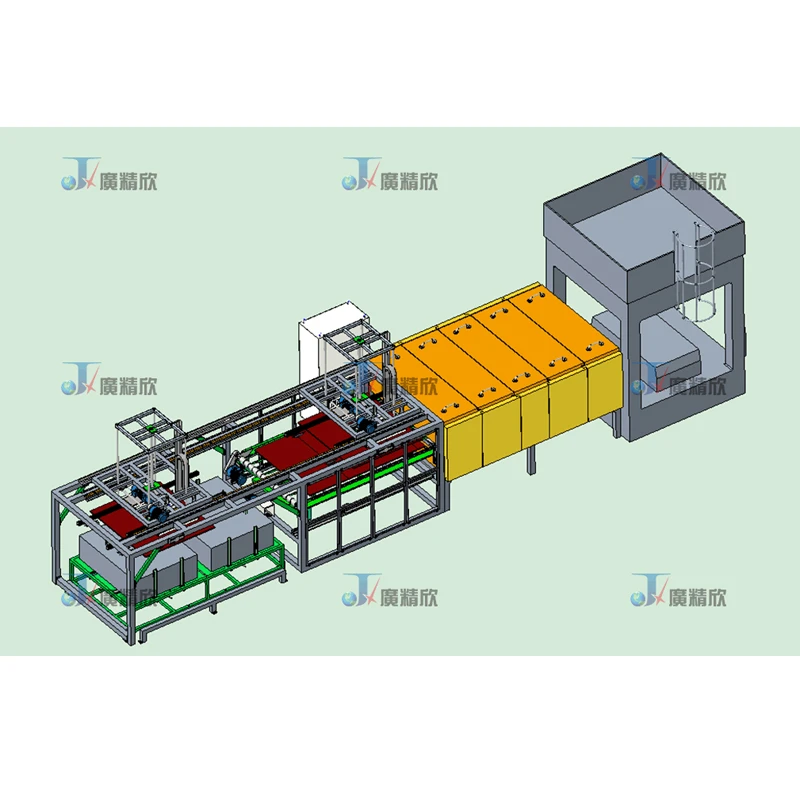
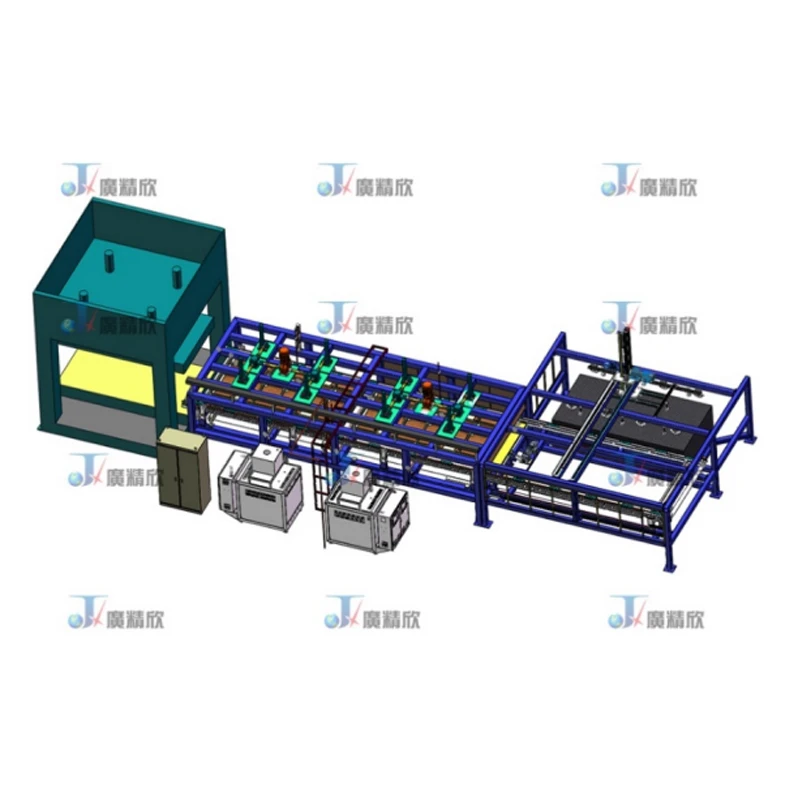
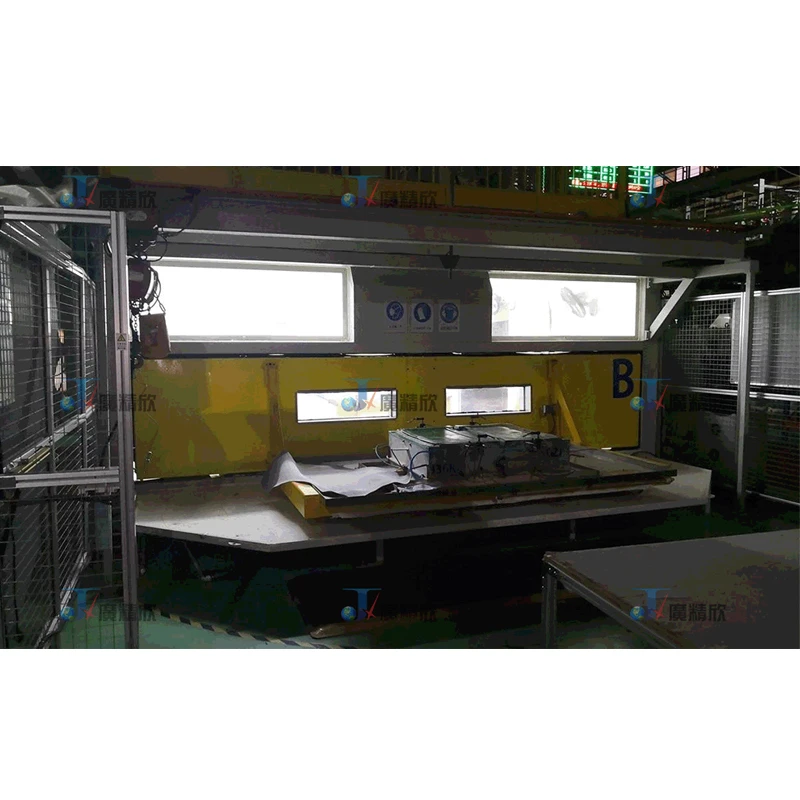
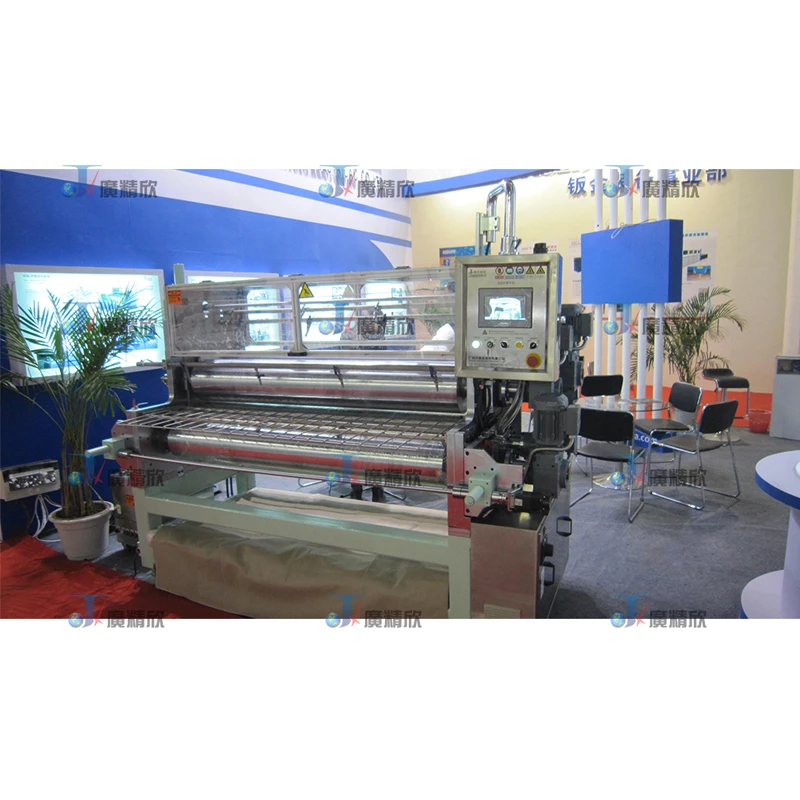
Cameroon Automotive Interior Solutions with automatic car carpet line

Precision-engineered interior manufacturing systems designed to elevate the Cameroonian automotive assembly sector with world-class efficiency and durability.

Cameroon Automotive Interior Solutions with automatic car carpet line

Providing high-performance automotive interior machinery to optimize production for the growing vehicle assembly plants in Cameroon, ensuring superior finish and operational speed.

Current State of Automotive Interior Manufacturing in Cameroon

Analyzing the industrial landscape of car interior assembly in the Central African region.

Currently, the automotive assembly sector in Cameroon is transitioning from basic vehicle kitting to more complex local component integration. However, many workshops still rely on manual labor for interior trimming, which leads to inconsistency in quality and high waste rates when handling delicate materials.

The humid tropical climate of Cameroon poses a significant challenge for adhesive bonding in car ceilings and flooring. Without a specialized car ceiling assembly machine, manufacturers struggle with delamination issues caused by extreme humidity and temperature fluctuations common in Douala and Yaoundé.

As the government pushes for industrialization and local content requirements, there is an urgent demand for non woven fabric cutting line technology to replace manual shears, reducing material scrap and increasing the output of interior components for both passenger cars and commercial vans.
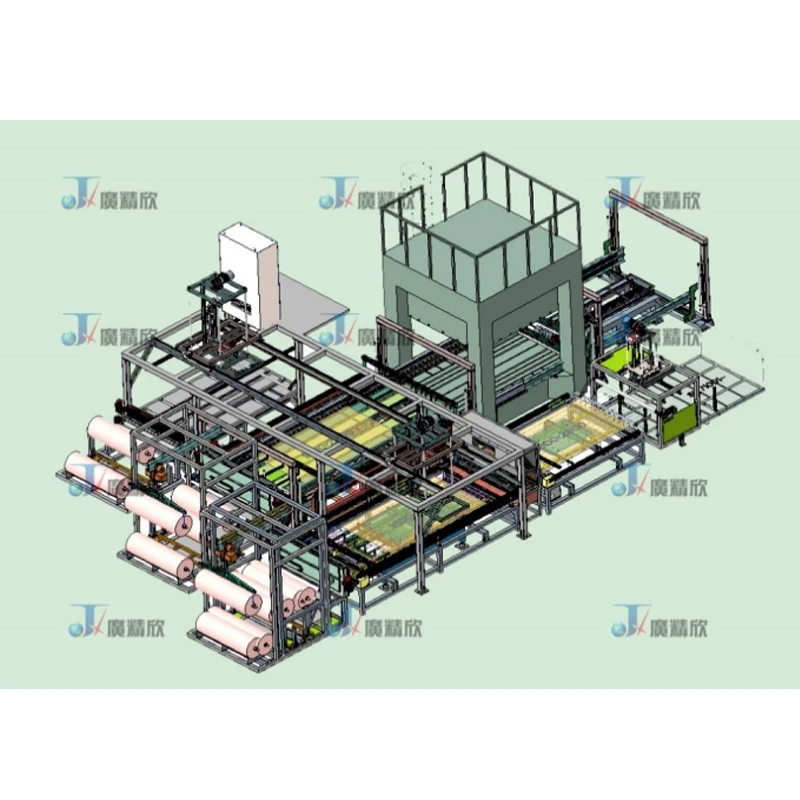
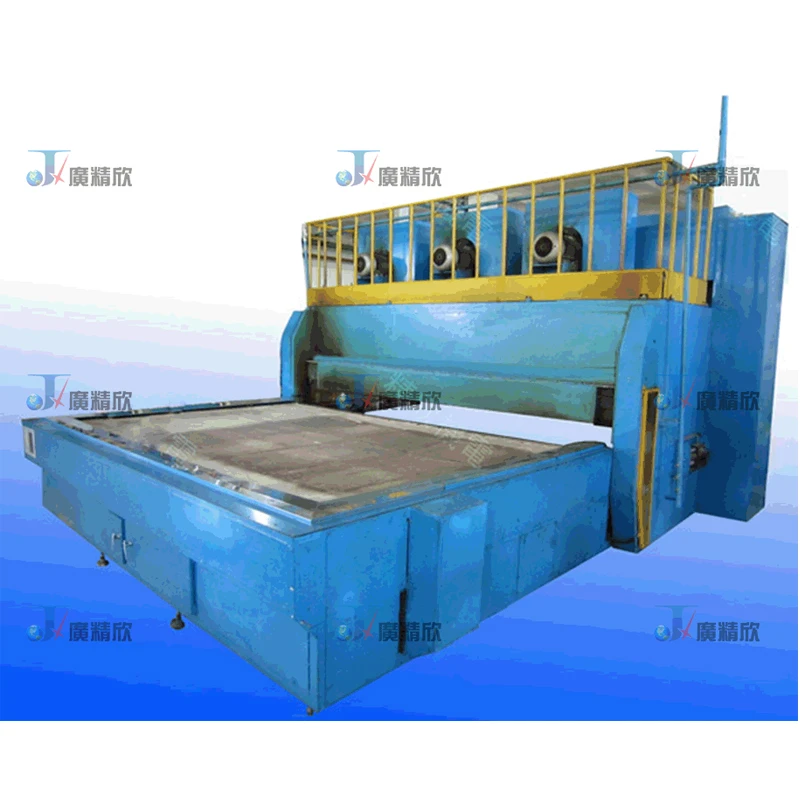
Evolution and Trajectory of Automotive Trim Technology

From manual craftsmanship to fully automated production lines.

Market Development History

Prior to 2010, the Cameroonian market was dominated by imported complete-knock-down (CKD) kits where interior parts were pre-assembled abroad, leaving local plants with simple installation tasks and no indigenous machinery capability.

Between 2011 and 2020, a shift toward semi-automation occurred. Small-scale enterprises began introducing basic pressing and cutting tools, though these lacked the precision of a modern fully automatic headlining line, resulting in varying quality standards.

From 2021 to the present, the integration of CNC and PLC-controlled systems has become the gold standard. The industry is now adopting synchronized systems that combine cutting, foaming, and laminating in one continuous flow to meet international OEM standards.

Future Development Trends

Eco-Friendly Material Processing

A shift toward recycled non-woven fabrics will drive the demand for adaptable cutting systems that can handle varying material densities without losing precision.

Integration of Smart Sensors

Future lines will incorporate AI-driven quality inspection to detect bubbling or misalignment in the headlining process in real-time, reducing rejection rates.

Modular Production Scaling

Manufacturers in Cameroon will move toward modular setups, allowing them to expand their interior machinery capacity as the local market volume grows.

Industry Trends and Future Outlook for Cameroon

Strategic forecasting for the next 3-5 years of automotive interior production.

Automation Surge
Rapid replacement of manual trimming with fully automated lines to increase throughput by over 200%.
Precision Cutting
Adoption of high-speed cutting systems to minimize non-woven fabric waste and optimize layout.
Local Sourcing
Increasing use of locally processed fabrics requiring customized machinery calibration for regional materials.
Energy Efficiency
Implementation of low-power consumption machinery to mitigate the impact of local power grid fluctuations.

Industry Outlook

Based on regional growth data, the Cameroonian automotive sector is expected to see a rise in "Micro-Factories" that focus on high-customization interior trims. This will shift the demand from massive lines to flexible, reprogrammable machinery.

The trend toward electrification in Africa will also require new types of interior insulation and sound-proofing, necessitating the upgrade of existing adhesive and pressing systems to handle advanced acoustic materials.

Localized Application Scenarios in Cameroon

Real-world deployment of automotive machinery in the Cameroonian market.

1. Douala Passenger Vehicle Assembly Plants

Implementation of a fully automatic headlining line to ensure consistent ceiling quality for sedans, overcoming the high humidity of the coastal city to prevent fabric sagging.

2. Yaoundé Commercial Van Outfitting

Deployment of a specialized automatic car carpet line for heavy-duty commercial vans, focusing on wear-resistant flooring essential for rugged terrain.

3. Local Non-Woven Fabric Processing Centers

Utilizing a high-precision non woven fabric cutting line to supply pre-cut interior blanks to multiple smaller assembly shops across the region.

4. Specialized Automotive Interior Workshops

Integrating versatile automotive interior machinery for luxury vehicle refurbishment, allowing for rapid prototype development and custom trim fitting.

5. Public Transport Bus Manufacturing

Using large-scale car ceiling assembly machine units to produce expansive headliners for inter-city buses, ensuring industrial-grade bonding and durability.

Brand Story

The Global Development Journey of Guangzhou Jingxin Electromechanical Co., Ltd.

Industrial Foundation

Established with a mission to solve the inefficiency of manual interior trimming, we began by perfecting the core pressing and bonding technologies.

Technological Breakthrough

We developed the first integrated automatic cutting and laminating system, significantly reducing material waste for our early global partners.

Global Expansion

Recognizing the growth in emerging markets, we optimized our machinery for varying power environments and material types, expanding into Africa.

Commitment to Quality

Our focus shifted toward E-E-A-T principles, ensuring every machine delivered is backed by rigorous engineering standards and local support.

Vision for the Future

We strive to be the primary partner for automotive industrialization in Cameroon, empowering local manufacturers with smart, efficient technology.

Common Questions Regarding Automotive Machinery in Cameroon

Expert answers to technical and operational queries for the local industry.

How does a fully automatic headlining line handle high humidity in Cameroon?

Our lines incorporate advanced temperature-controlled heating and specialized adhesive curing systems that ensure a permanent bond even in high-humidity environments like Douala.

Can automotive interior machinery be adapted for different vehicle models?

Yes, our machinery features PLC-programmable controls, allowing operators to quickly switch molds and cutting patterns for various car and van models.

What is the maintenance requirement for an automatic car carpet line?

We provide a comprehensive maintenance schedule and remote diagnostic support to ensure minimal downtime for Cameroonian operators.

How efficient is a non woven fabric cutting line in reducing waste?

Our CNC-guided cutting systems optimize the nesting of parts, typically reducing fabric waste by 15-25% compared to manual cutting methods.

Is the car ceiling assembly machine suitable for small-batch production?

Our modular designs allow for flexible output, making them ideal for both high-volume assembly plants and specialized boutique automotive shops.

What training is provided for operating automotive interior machinery in Cameroon?

We provide full technical documentation, virtual training modules, and on-site commissioning to ensure your local staff can operate the equipment safely and efficiently.

Optimize Your Production Today

Ready to transform your automotive assembly capabilities in Cameroon? Contact our engineering team for a customized solution.

Contact Us Now

If you are interested in our products, you can choose to leave your information here, and we will be in touch with you shortly.