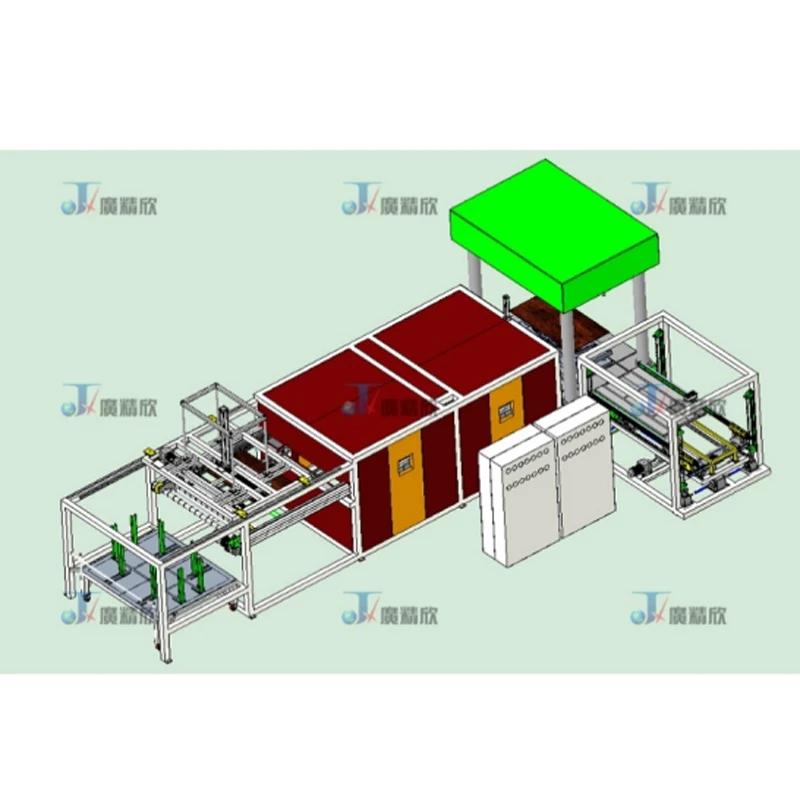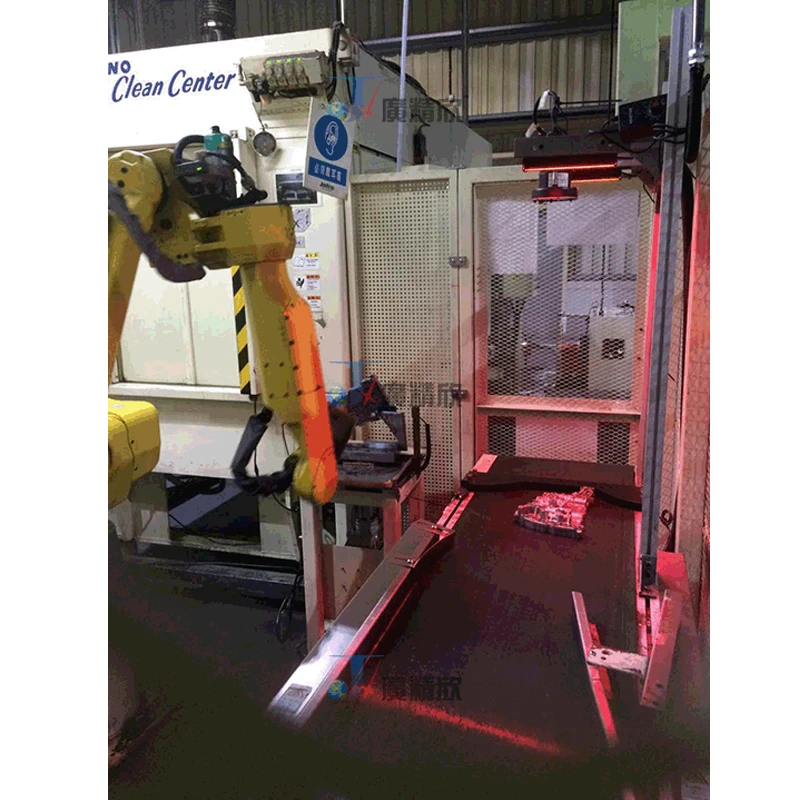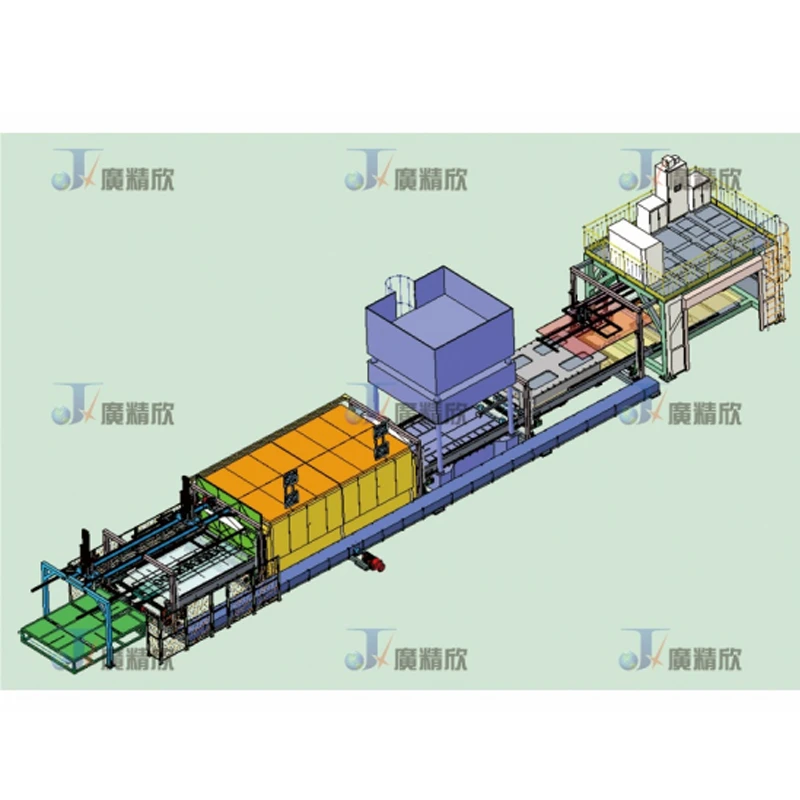
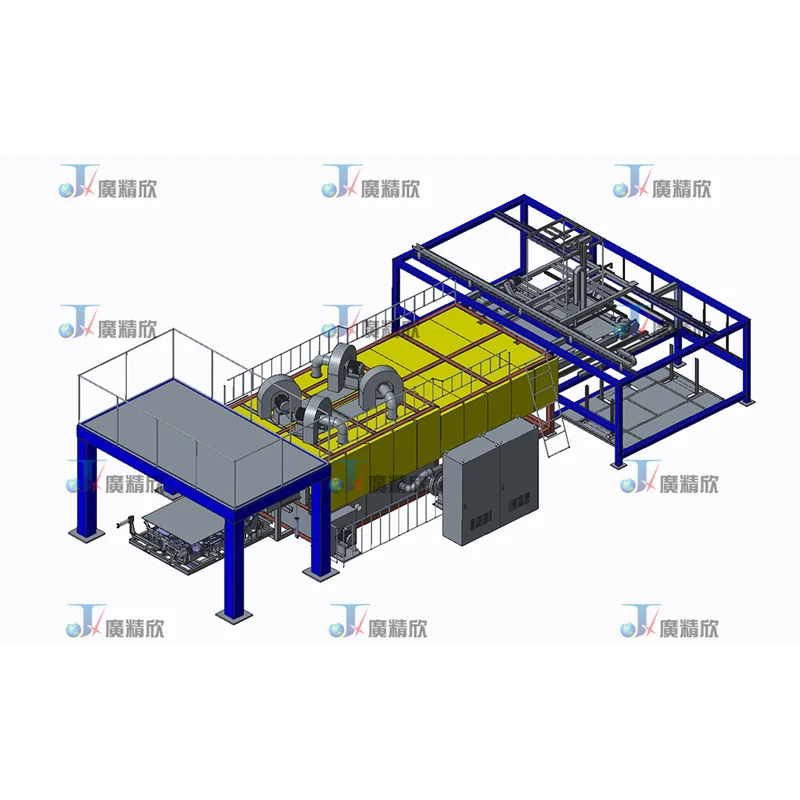
In Yemen, the automotive interior sector is primarily driven by the repair and refurbishment market due to the high volume of imported used vehicles. However, there is a growing shift toward local fabrication of interior components to reduce reliance on expensive imports. The harsh, arid climate of Yemen demands materials and machinery that can handle high temperatures and dust without compromising precision.
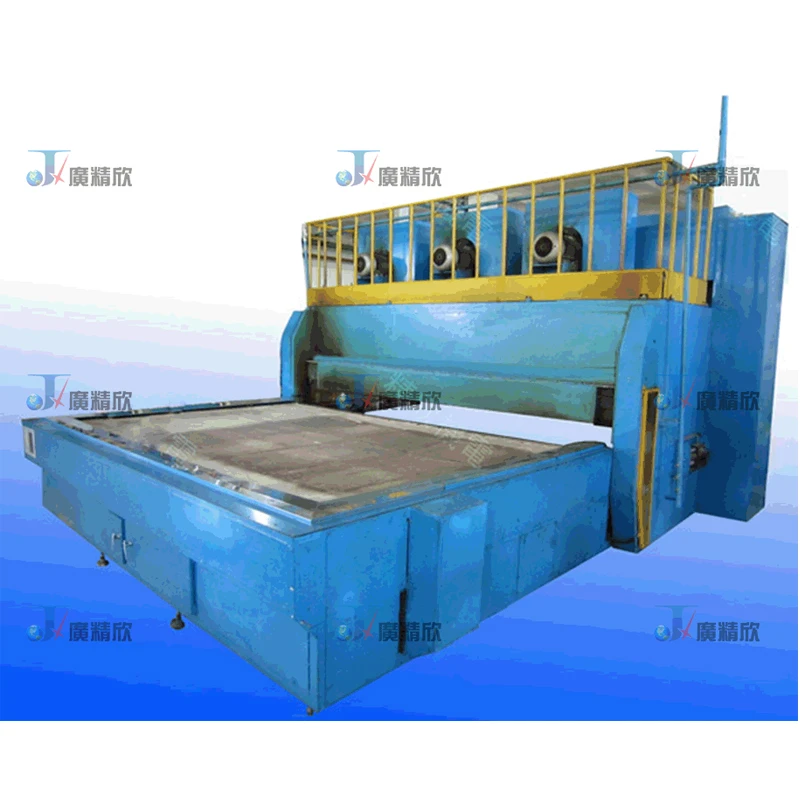
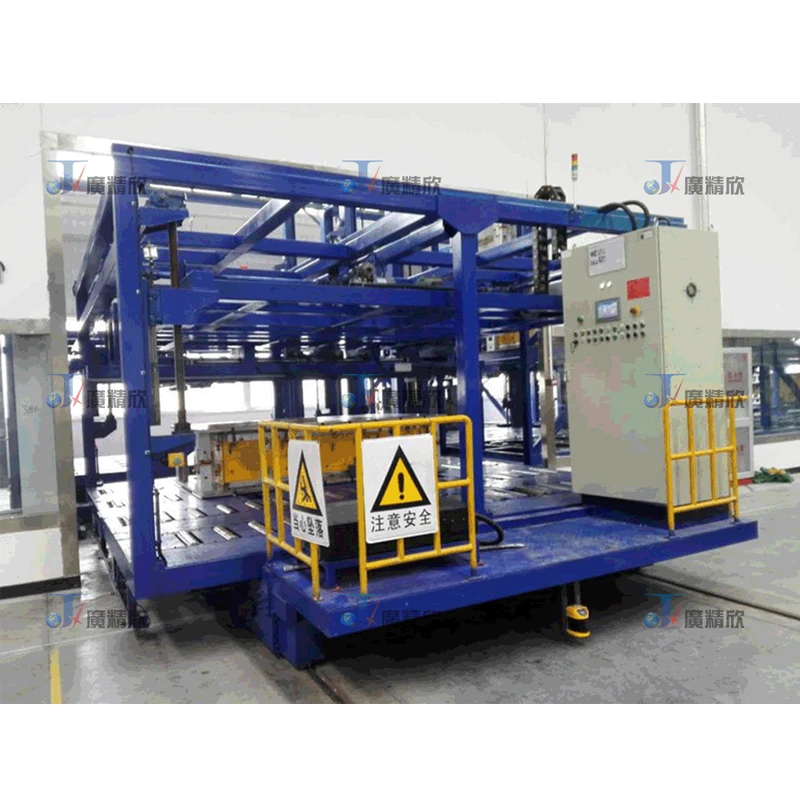
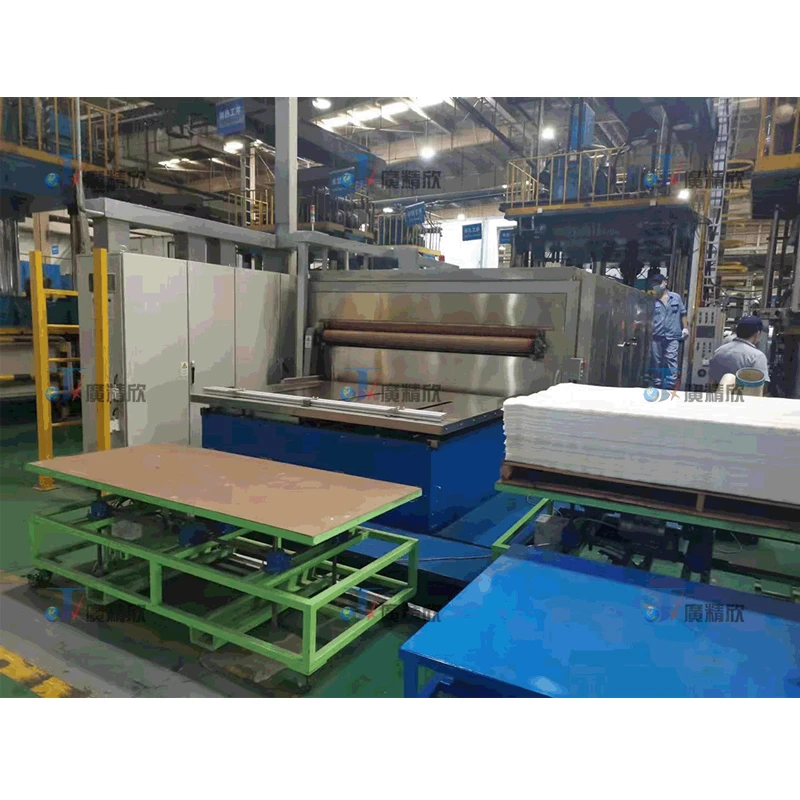
Currently, most workshops rely on manual labor for cutting and gluing, which leads to inconsistency in quality. The introduction of a non woven fabric cutting line is becoming essential for local entrepreneurs who aim to scale their production and meet the rising demand for vehicle restoration in cities like Sana'a and Aden.
Economic volatility has created a unique niche for versatile, durable machinery. Operators are seeking a balance between high-end automation and ease of maintenance, making the transition toward automotive interior machinery a strategic move for sustainable industrial growth in the region.