
Advanced automotive interior machinery Solutions for Venezuela's Manufacturing Sector

Optimizing production efficiency with high-precision automation for car ceiling and carpet assembly lines across South America.

Advanced automotive interior machinery Solutions for Venezuela's Manufacturing Sector

Integrating cutting-edge automation to revolutionize the interior component assembly process for the Venezuelan automotive industry.

Current Landscape of Automotive Equipment in Venezuela

Analyzing the challenges and opportunities within the local interior manufacturing environment.

The automotive manufacturing sector in Venezuela currently faces a transition period characterized by a reliance on legacy systems and a growing need for modernization. High humidity and tropical temperatures often lead to accelerated wear on mechanical components, necessitating equipment that is not only automated but also resilient to local environmental stresses.

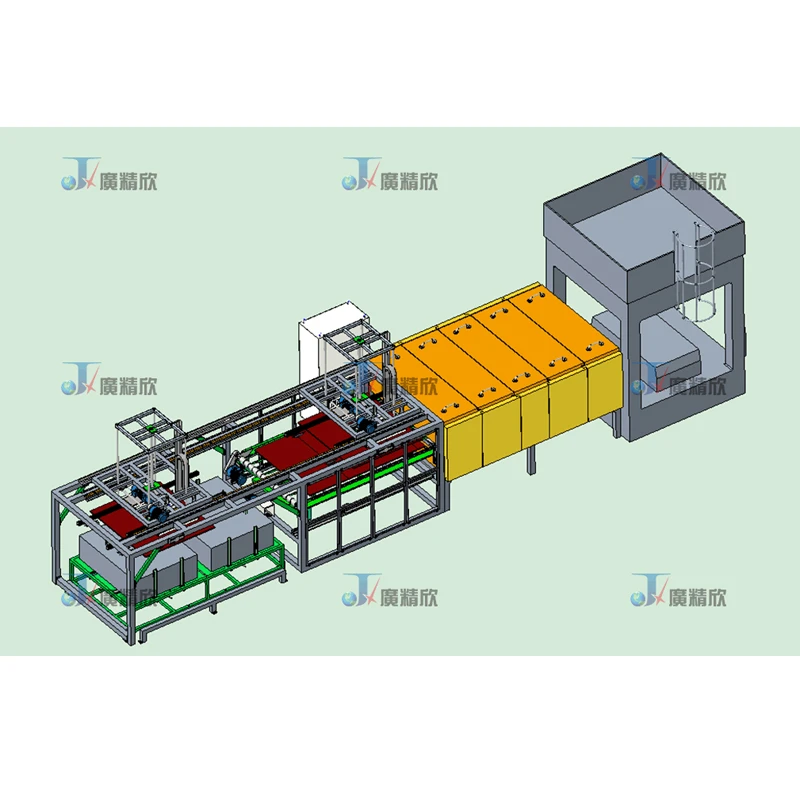
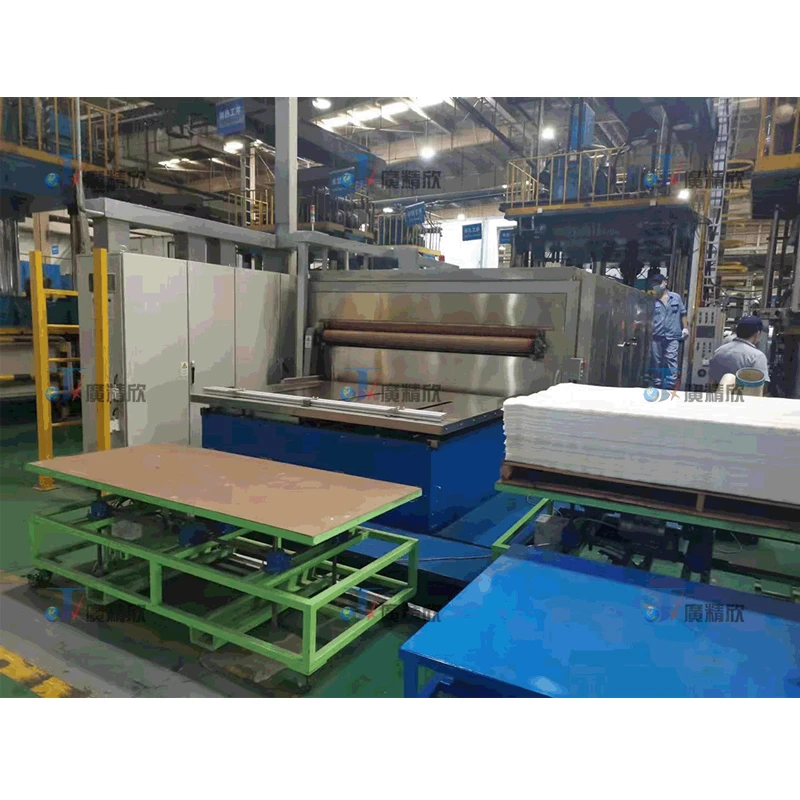
Many local workshops still employ semi-manual processes for interior trimming. The introduction of a fully automatic headlining line is becoming critical for companies aiming to compete with imports by reducing labor costs and increasing the consistency of car ceiling quality.

Economic fluctuations have pushed manufacturers to seek versatile machinery. There is a rising demand for modular automotive interior machinery that can be scaled based on production volume, allowing plants to pivot between different vehicle models efficiently.
Evolution and Technological Trajectory of Interior Production

From manual craftsmanship to fully integrated robotic assembly lines.

Market Development History

In the early 2000s, interior production in Venezuela relied heavily on manual cutting and adhesive application, where skilled laborers performed most of the shaping for car carpets and ceilings.

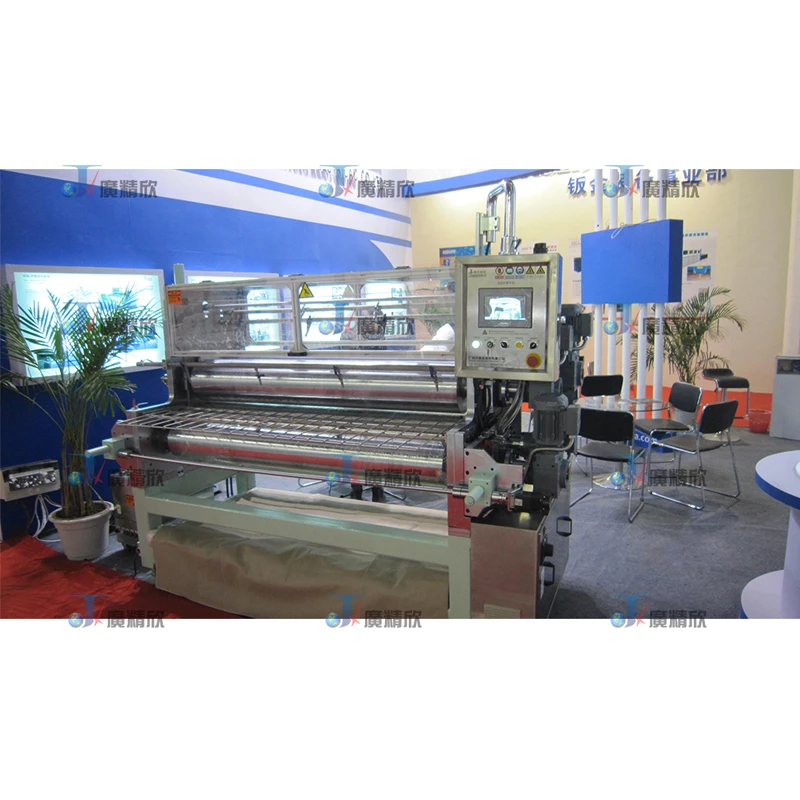
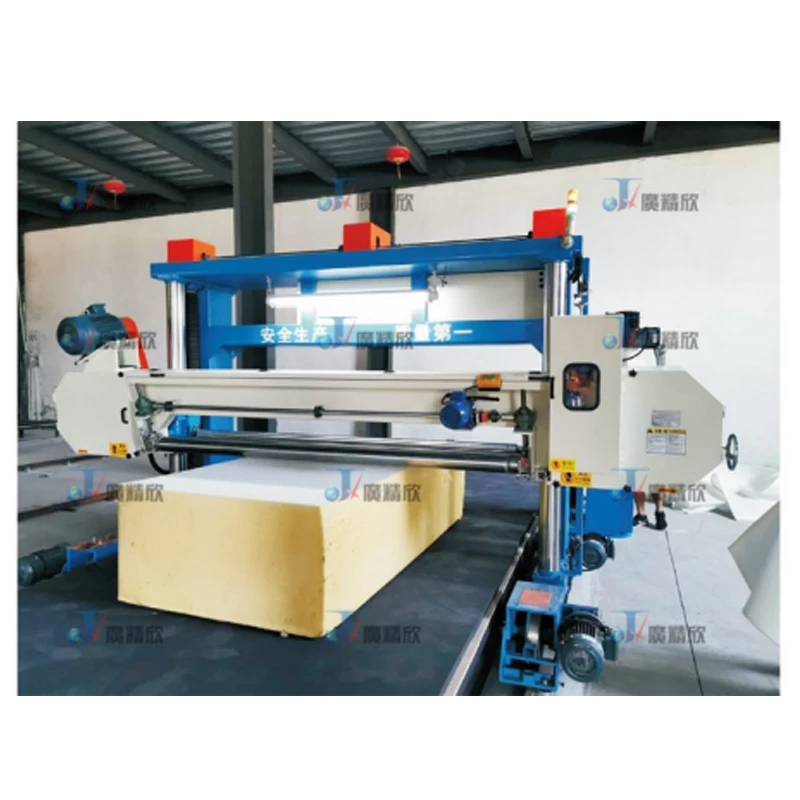
Between 2010 and 2020, the industry saw the introduction of semi-automatic presses. This era marked the shift toward using a non woven fabric cutting line to reduce material waste and improve the precision of fabric layouts.

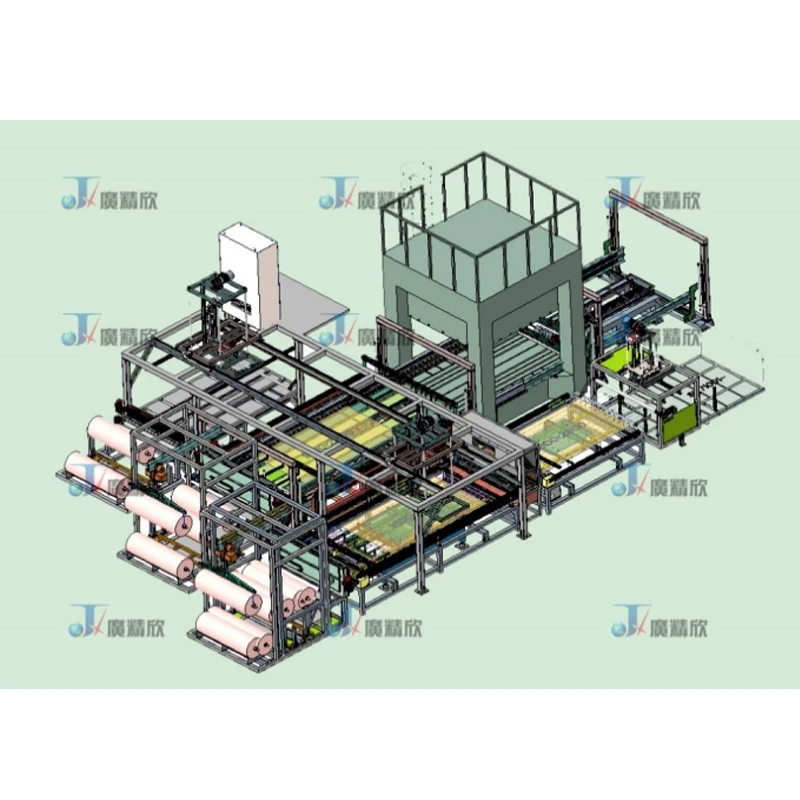
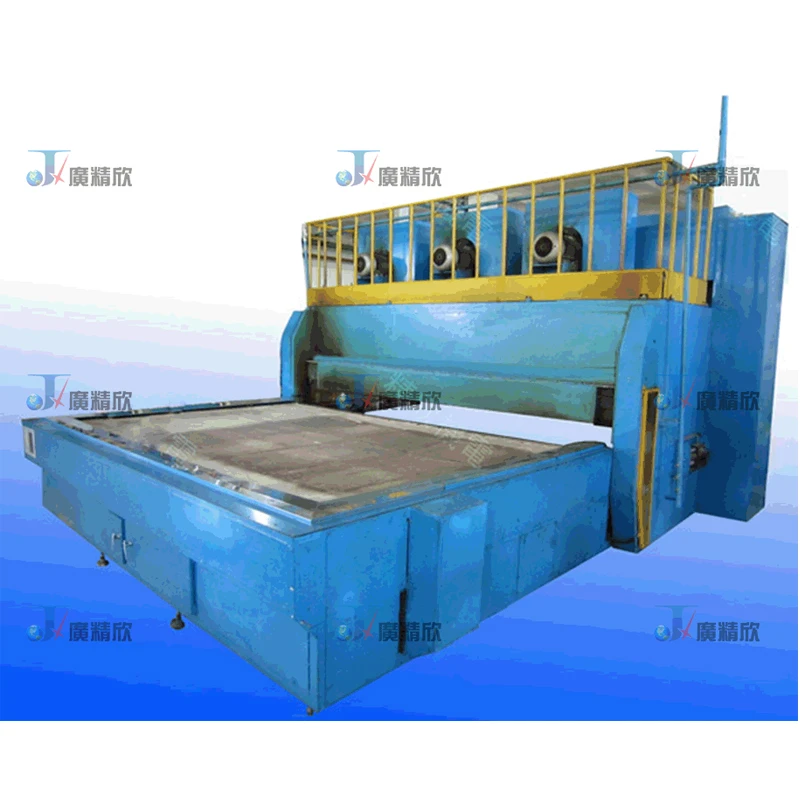
From 2021 onwards, the focus has shifted toward total automation. The integration of PLC-controlled systems has enabled the deployment of a car ceiling assembly machine, significantly reducing the cycle time per unit.

Future Development Trends

Smart Sensor Integration

The next 3 years will see a surge in AI-driven quality control sensors integrated directly into the assembly line to detect fabric bubbles or misalignment in real-time.

Sustainable Material Handling

Shift toward eco-friendly adhesives and biodegradable non-woven fabrics, requiring machinery that can handle variable material densities without losing precision.

Modular Automation Pods

A move away from rigid long lines toward flexible robotic cells that can be reconfigured quickly for small-batch luxury vehicle interior customization.

Industry Trends and Future Outlook

Strategic projections for automotive interior manufacturing technology in Venezuela.

Hyper-Automation Shift
Rapid adoption of an automatic car carpet line to eliminate manual errors and boost throughput.
Energy Efficiency
Implementation of low-power heating elements for fabric bonding to counter local energy instability.
Precision Cutting
Integration of CNC precision in the non woven fabric cutting line for zero-waste production.
Material Diversification
Upgrading machines to handle recycled textiles and composite foams for the local market.

Industry Outlook

Based on regional industrial growth patterns, Venezuela is expected to shift toward more specialized, small-batch production. This means the demand for highly flexible automotive interior machinery will outweigh the need for massive, rigid assembly plants.

The long-term outlook suggests a convergence of traditional manufacturing with digital twin technology, allowing Venezuelan plant managers to simulate production runs on a fully automatic headlining line before physical implementation to minimize downtime.

Localized Application Scenarios in Venezuela

Practical implementations of our equipment tailored to the Venezuelan automotive landscape.

01. Commercial Van Interior Refurbishment

Utilizing an automatic car carpet line to rapidly replace worn flooring in delivery fleets operating in Caracas, ensuring durability against high urban wear.

02. Luxury SUV Ceiling Customization

Deploying a car ceiling assembly machine for high-end vehicle modifiers who require premium fabric bonding without wrinkles or air pockets.

03. Mass-Market Sedan Production

Implementing a fully automatic headlining line in local assembly plants to scale up production of standard vehicle interiors while maintaining strict quality standards.

04. Industrial Fabric Pre-Cutting Center

Using a non woven fabric cutting line as a centralized hub to supply pre-cut materials to multiple smaller upholstery shops across the region.

05. Electric Vehicle (EV) Interior Adaptation

Integrating lightweight automotive interior machinery to handle the specialized thin-film materials used in new energy vehicles entering the Venezuelan market.

Brand Story

Global Development History of Guangzhou Jingxin Electromechanical Co., Ltd.

Founding Vision

Established with a commitment to solving the inefficiencies of manual car interior assembly, focusing on precision and durability.

Technological Breakthrough

Developed the first generation of integrated headlining lines that combined cutting and pressing in one synchronized workflow.

Global Expansion

Extended our footprint into South America, adapting our machinery to meet the unique environmental and economic needs of Venezuela.

Industry Standardization

Became a recognized leader in defining the efficiency benchmarks for non-woven fabric processing in the automotive sector.

Future Commitment

Dedicated to pioneering green manufacturing and intelligent automation to support the global transition to sustainable mobility.

Complete Product Portfolio for Venezuela

A comprehensive range of machinery designed to optimize every stage of automotive interior production.

Frequently Asked Questions in Venezuela

Expert answers to common technical and operational queries from our local clients.

How does a fully automatic headlining line improve production in humid climates?

Our lines feature temperature-controlled bonding and anti-corrosive coatings on all critical components to prevent moisture from affecting the adhesive quality and machine longevity.

Can the automotive interior machinery be customized for different vehicle brands?

Yes, our systems use adjustable molds and programmable PLC settings, allowing you to switch between different car models and brands with minimal setup time.

What is the maintenance requirement for an automatic car carpet line in South America?

We provide a comprehensive maintenance schedule and remote diagnostic support to ensure that your equipment operates at peak efficiency despite local infrastructure challenges.

Does the car ceiling assembly machine support recycled materials?

Absolutely. Our machines are designed to handle a wide variety of substrates, including recycled non-woven fabrics and sustainable foams.

How efficient is the non woven fabric cutting line in terms of waste reduction?

Our CNC-optimized cutting paths reduce material waste by up to 15% compared to traditional manual or semi-automatic cutting methods.

What training is provided for operators in Venezuela?

We offer complete technical training, including installation, operation, and basic troubleshooting, delivered through on-site visits or detailed digital manuals.

Ready to Upgrade Your Production?

Contact our experts today for a tailored automotive interior solution delivered to Venezuela.

Contact Us Now

If you are interested in our products, you can choose to leave your information here, and we will be in touch with you shortly.