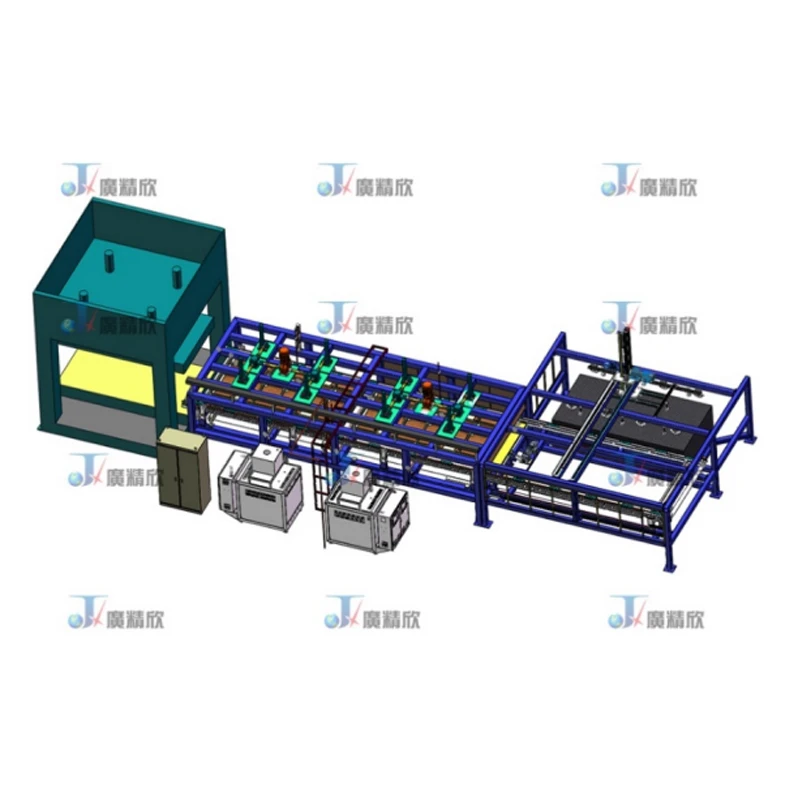
Advanced automotive interior machinery Solutions for Turkey's Automotive Hub

Empowering Turkish OEMs and Tier-1 suppliers with high-precision, energy-efficient automation for luxury and commercial vehicle interiors.

Advanced automotive interior machinery Solutions for Turkey's Automotive Hub

Integrating cutting-edge automation to optimize the production of vehicle ceilings and flooring, specifically tailored for the rigorous quality standards of the Turkish automotive industry.

The State of Automotive Interior Manufacturing in Turkey

Analyzing the intersection of regional industrial growth and technical requirements.

Turkey has established itself as a strategic bridge between European and Asian automotive markets, characterized by a strong presence of commercial vehicle production. The local industry is currently shifting from manual labor-intensive processes to high-efficiency automotive interior machinery to meet the demanding export standards of the EU.

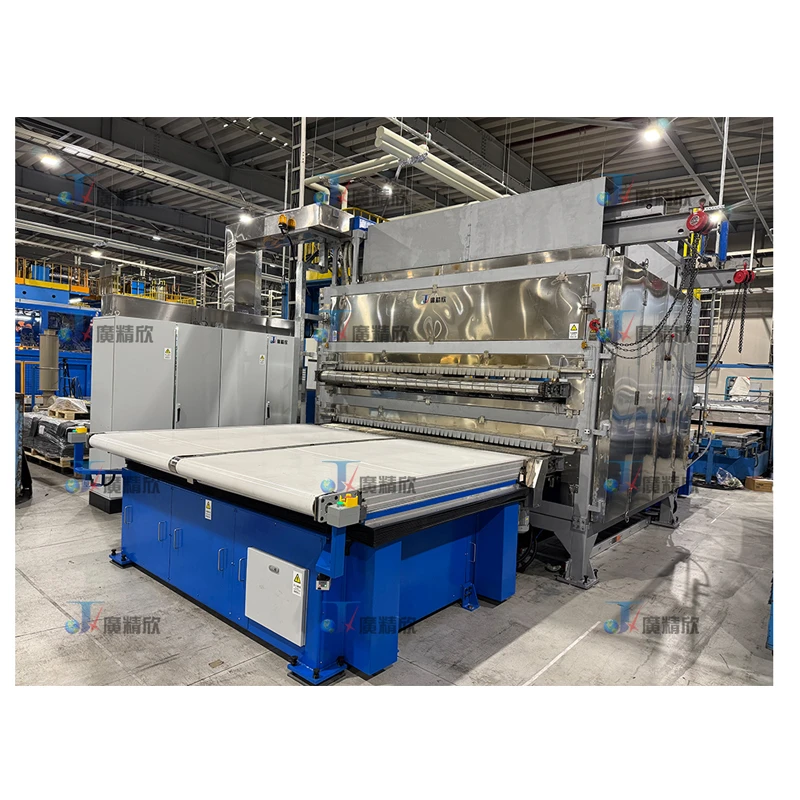
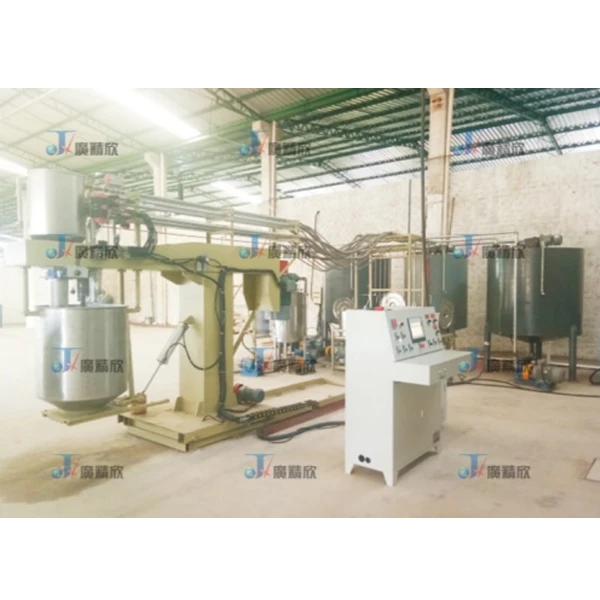
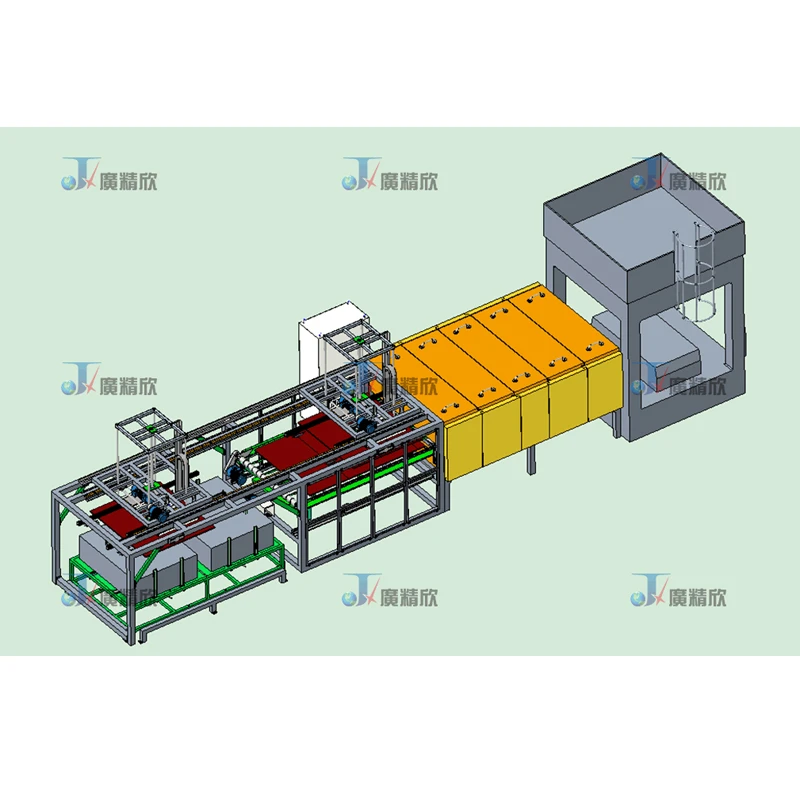
Given Turkey's diverse climate—ranging from Mediterranean humidity to continental extremes—the materials used in car ceilings and carpets require precise thermal bonding and moisture-resistant processing. This necessitates a fully automatic headlining line that can maintain consistent adhesive quality across varying ambient temperatures.

Economically, the push towards "Industry 4.0" in Bursa and Kocaeli has led to an increased demand for non woven fabric cutting line systems that reduce material waste, directly impacting the cost-competitiveness of Turkish suppliers in the global supply chain.
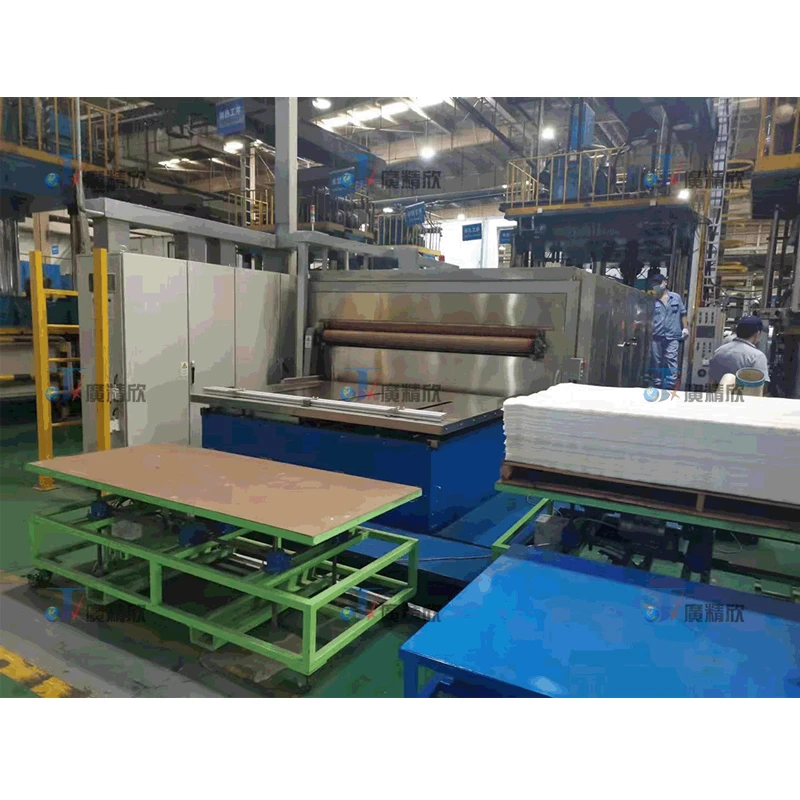
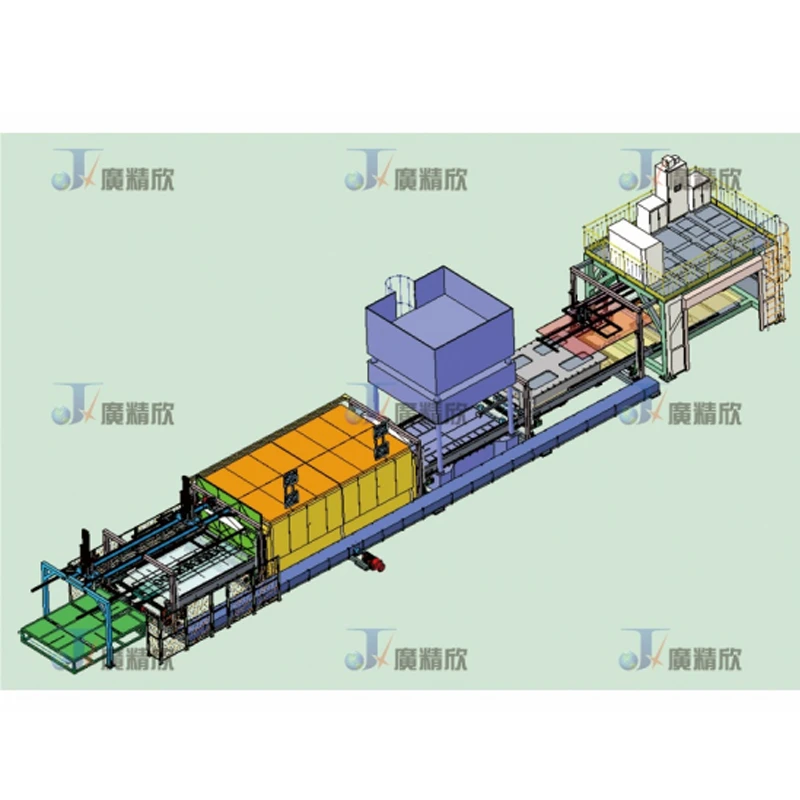
Evolution and Technical Trajectory of Interior Assembly

From manual craftsmanship to fully autonomous production ecosystems.

Market Development History

Between 2000 and 2010, the Turkish interior sector relied heavily on semi-automatic presses and manual trimming, which often led to inconsistencies in the fit and finish of vehicle headliners.

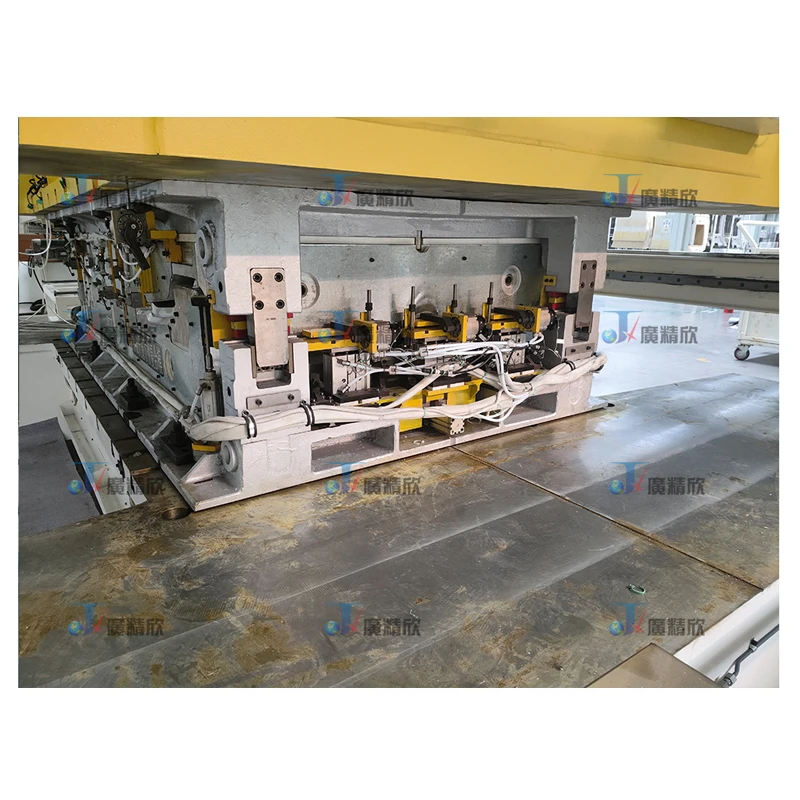
From 2011 to 2020, a significant transition occurred as manufacturers adopted the first generation of car ceiling assembly machine units, introducing vacuum forming and basic CNC cutting to increase throughput for commercial vans.

Since 2021, the focus has shifted toward full digitalization, where an automatic car carpet line is no longer just about speed, but about integrating IoT sensors to track material tension and adhesive curing in real-time.

Future Development Trends

Sustainable Material Integration

The next 3 years will see a surge in bio-based non-woven fabrics, requiring updated non woven fabric cutting line technologies that can handle varying densities without fraying.

AI-Driven Quality Inspection

Integration of machine vision within the fully automatic headlining line to detect microscopic bubbles or misalignment automatically, reducing scrap rates by 15%.

Modular Flexible Tooling

As Turkey moves toward producing more niche EV (Electric Vehicle) models, the demand for rapidly reconfigurable automotive interior machinery will grow to support small-batch, high-variety production.

Industry Trends & Future Outlook

Strategic projections for the automotive interior equipment sector.

Eco-Friendly Bonding
Transitioning to solvent-free adhesives in the fully automatic headlining line to comply with strict EU environmental regulations.
Smart Automation
Integration of PLC-based synchronization across the automatic car carpet line for zero-defect production.
Precision Cutting
Implementing laser-guided non woven fabric cutting line systems to maximize fabric utilization.
Rapid Prototyping
Using advanced car ceiling assembly machine modules to decrease time-to-market for new vehicle models.

Industry Outlook

Google search trends indicate a rising interest in "sustainable automotive interiors" and "automated textile cutting" within Turkey, signaling a shift toward green manufacturing and lean production.

We anticipate that by 2028, the integration of robotic arm assembly within the automotive interior machinery sector will become the standard for Turkish firms seeking to maintain their competitive edge in the European export market.

Localized Application Scenarios in Turkey

Practical implementations of interior machinery across various Turkish vehicle segments.

01. Commercial Van Fleet Production in Bursa

Deployment of a fully automatic headlining line to handle high-volume production of heavy-duty ceilings for transit vans, ensuring uniform bonding and fast cycle times.

02. Luxury Passenger Car Interiors in Kocaeli

Implementation of a high-precision car ceiling assembly machine to achieve the seamless, high-end finish required for luxury sedan headliners.

03. Automotive Carpet Suppliers for Export

Utilizing an automatic car carpet line to produce standardized flooring for various European car brands, focusing on precision edges and durability.

04. Specialized Fabric Processing Centers

Installation of a non woven fabric cutting line to optimize the cutting of acoustic insulation materials used in engine compartments and interior panels.

05. EV Startup Prototype Facilities

Using flexible automotive interior machinery to create customized interior prototypes for Turkey's emerging domestic electric vehicle brands.

Brand Story

Global Development Journey of Guangzhou Jingxin Electromechanical Co., Ltd.

Founding Vision

Established with the mission to eliminate inefficiencies in automotive interior production through precision engineering and robust automation.

Technical Breakthroughs

Developed proprietary thermal bonding technology that solved the common problem of headliner sagging in extreme climates.

Market Expansion

Expanded our footprint into the Middle East and Asia, adapting our machinery to meet various regional safety and environmental standards.

Strategic Innovation

Integrated AI and IoT into our production lines, transforming traditional hardware into smart, data-driven manufacturing systems.

Global Leadership

Now recognized as a leading provider of automotive interior solutions, dedicated to driving the industry toward a sustainable, automated future.

Comprehensive Product Portfolio for the Turkish Market

A full range of automated solutions designed for scalability and precision.

Common Questions for Turkey's Automotive Sector

Expert answers to technical and operational queries regarding interior automation.

How does a fully automatic headlining line improve production efficiency in Turkey?

It reduces manual handling and eliminates human error in the gluing and pressing stages, significantly increasing the hourly output while ensuring 100% consistency across all units.

What is the lead time for installing automotive interior machinery in Kocaeli or Bursa?

Typical lead times vary by customization, but our streamlined logistics ensure that installation and commissioning are completed within weeks of delivery to the Turkish site.

Can an automatic car carpet line handle different fabric types like wool or synthetic blends?

Yes, our lines feature adjustable tension and temperature controls, allowing operators to switch between different material specifications without replacing hardware.

Is the car ceiling assembly machine compatible with EU safety standards?

Absolutely. Our machines are designed to meet and exceed CE and other European safety certifications, making them ideal for Turkish exporters.

How much material waste is reduced by using a non woven fabric cutting line?

Our advanced nesting algorithms typically reduce fabric waste by 10-20% compared to traditional manual cutting methods.

What maintenance is required for high-volume automotive interior machinery?

We provide a comprehensive maintenance schedule focusing on adhesive nozzle cleaning and pneumatic calibration to ensure long-term operational stability.

Ready to Automate Your Production?

Our engineering team is ready to provide tailored interior machinery solutions for your facility in Turkey.

Contact Us Now

If you are interested in our products, you can choose to leave your information here, and we will be in touch with you shortly.