Auto manufacturing companies are at the heart of the global economy, driving innovation, employment, and technological advancement. From the earliest assembly lines to today’s sophisticated, automated factories, these companies have consistently reshaped how we live and move. Understanding the complexities of this industry is crucial for investors, policymakers, and anyone interested in the future of transportation and manufacturing.
The global automotive industry represents a significant portion of GDP in many countries, impacting a vast network of suppliers, distributors, and related service providers. Recent challenges, including supply chain disruptions, the transition to electric vehicles, and evolving consumer preferences, necessitate a deep understanding of how auto manufacturing companies are adapting and innovating to remain competitive.
Exploring the intricacies of auto manufacturing companies provides valuable insights into industrial processes, technological advancements, economic trends, and the future of mobility. By understanding their operations, challenges, and innovations, we can better prepare for and navigate the evolving landscape of the automotive world and its broader economic implications.
Introduction to Auto Manufacturing Companies
Auto manufacturing companies are complex organizations responsible for the design, development, production, and sale of motor vehicles. These companies range from multinational giants like Toyota and Volkswagen to specialized manufacturers focusing on specific vehicle segments or components. The scope of their operations extends far beyond simply assembling cars; it encompasses extensive research and development, supply chain management, and global distribution networks.
These companies represent a crucial engine for economic growth, providing employment opportunities for millions worldwide and contributing significantly to international trade. The evolution of auto manufacturing companies has been marked by continuous innovation, from the introduction of mass production techniques to the current shift towards electric and autonomous vehicles. Understanding their dynamic nature is essential for navigating the future of transportation.
Defining Auto Manufacturing Companies
Auto manufacturing companies are entities primarily engaged in the creation of automobiles, encompassing passenger cars, trucks, buses, and other motorized road vehicles. This involves a multifaceted process that begins with conceptual design, proceeds through engineering and prototyping, and culminates in large-scale production and quality control. The definition extends to include companies involved in the manufacturing of essential vehicle components, though they are often considered part of the broader automotive supply chain.
The industry’s connection to modern society is profound. Automobiles have fundamentally altered how people live, work, and interact, shaping urban landscapes and enabling greater mobility. Furthermore, auto manufacturing companies drive innovation in materials science, engineering, and robotics, fostering advancements that extend beyond the automotive sector.
These companies play a pivotal role in fulfilling basic human needs – transportation to work, school, healthcare, and access to essential services. By providing reliable and affordable vehicles, they contribute to improved quality of life and economic opportunity. As the industry evolves, a growing emphasis on sustainability and safety further reinforces its importance to societal well-being.
Core Components of Auto Manufacturing
Several key factors are central to the success of auto manufacturing companies. First, Durability is paramount, ensuring vehicles can withstand the rigors of daily use and maintain their functionality over an extended lifespan. This involves rigorous testing, high-quality materials, and robust engineering designs. Second, Scalability is crucial for meeting market demands and achieving cost efficiencies, requiring flexible production systems and efficient supply chain management.
Third, Cost Efficiency is vital for maintaining competitiveness, demanding continuous improvement in manufacturing processes, optimization of resource utilization, and effective cost control measures. Fourth, Innovation is fundamental to staying ahead of the curve, driving the development of new technologies, features, and vehicle designs. Finally, Supply Chain Resilience is essential for mitigating disruptions and ensuring a consistent flow of materials and components, particularly in a globalized world. These are the building blocks for successful auto manufacturing companies.
Each of these components is interconnected and requires a holistic approach. For instance, investing in innovation can lead to cost efficiencies through improved manufacturing processes, while prioritizing durability can reduce warranty claims and enhance brand reputation. Successful auto manufacturing companies excel at balancing these factors to deliver high-quality, reliable, and affordable vehicles to consumers.
Global Applications and Impact
Auto manufacturing companies have a global reach, with production facilities and sales networks spanning across continents. Major automotive hubs exist in North America, Europe, and Asia, each catering to specific regional markets and consumer preferences. In Europe, companies like Volkswagen and BMW focus on luxury and performance vehicles, while in North America, Ford and General Motors cater to a broader range of consumers.
The industry’s impact extends beyond developed economies. In emerging markets like China and India, auto manufacturing companies are driving economic growth by creating jobs, attracting foreign investment, and fostering technological advancements. The automotive sector is a significant contributor to GDP in these regions, and the demand for vehicles is rapidly increasing.
In post-disaster relief operations, durable vehicles are essential for transporting aid and personnel to affected areas. In remote industrial zones, reliable trucks and heavy machinery are critical for supporting mining, construction, and other essential industries. The diverse applications of automobiles demonstrate their vital role in supporting various sectors and improving living standards worldwide.
Production Volume by Auto Manufacturing Companies Method
Advantages and Long-Term Value
The advantages of a thriving auto manufacturing sector are manifold. From a cost perspective, efficient production processes and economies of scale can lead to lower vehicle prices, making transportation more accessible to a wider population. Sustainability is increasingly important, with companies investing in eco-friendly materials and manufacturing techniques to reduce their environmental footprint.
The social impact is significant, with the creation of high-skilled jobs and the stimulation of economic growth in surrounding communities. Furthermore, the constant pursuit of innovation within auto manufacturing companies enhances vehicle safety, reliability, and performance, directly benefiting consumers. The automotive industry continues to drive technological breakthroughs benefiting society as a whole.
Future Trends in Auto Manufacturing
The future of auto manufacturing companies is inextricably linked to several key trends. The rise of electric vehicles (EVs) is driving a massive shift in powertrain technology and manufacturing processes, requiring significant investments in battery production and charging infrastructure. Digital transformation, including the use of artificial intelligence, machine learning, and big data analytics, is optimizing production efficiency, improving quality control, and enabling predictive maintenance.
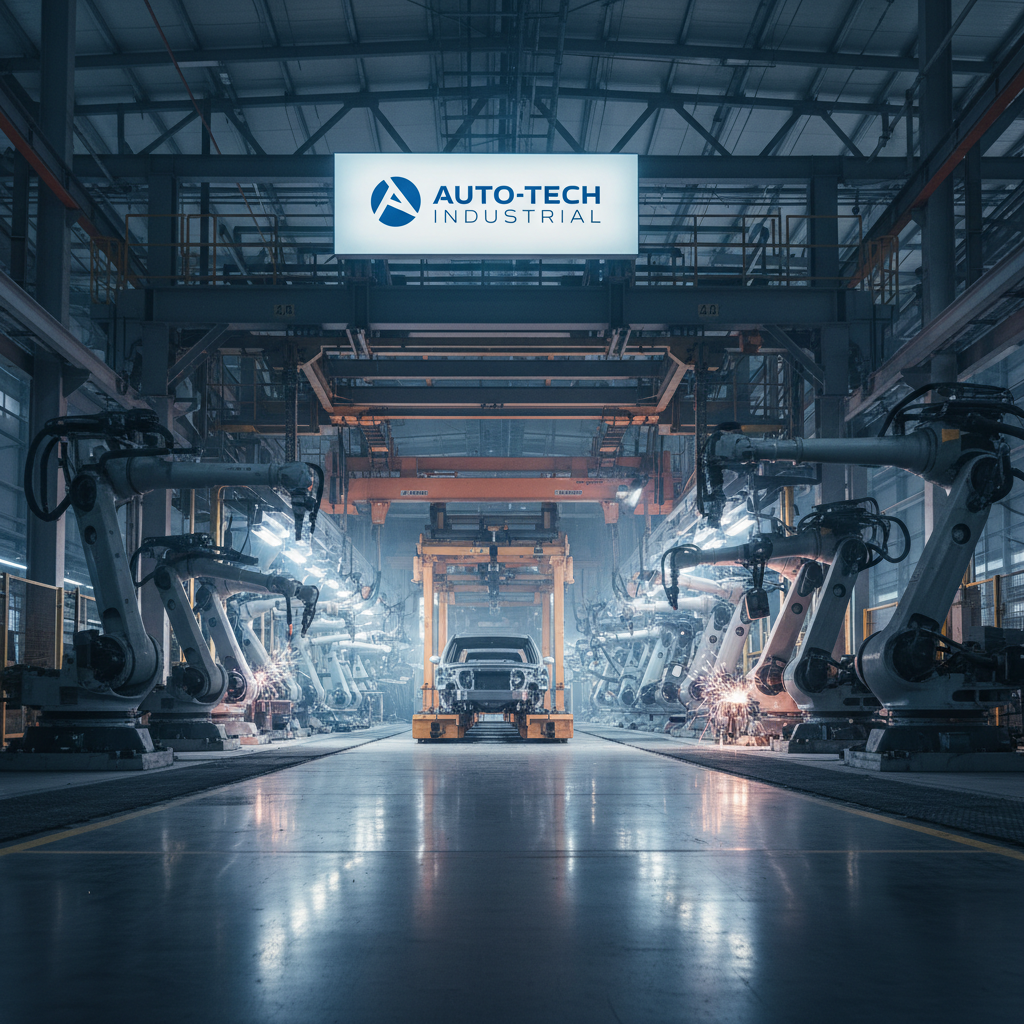
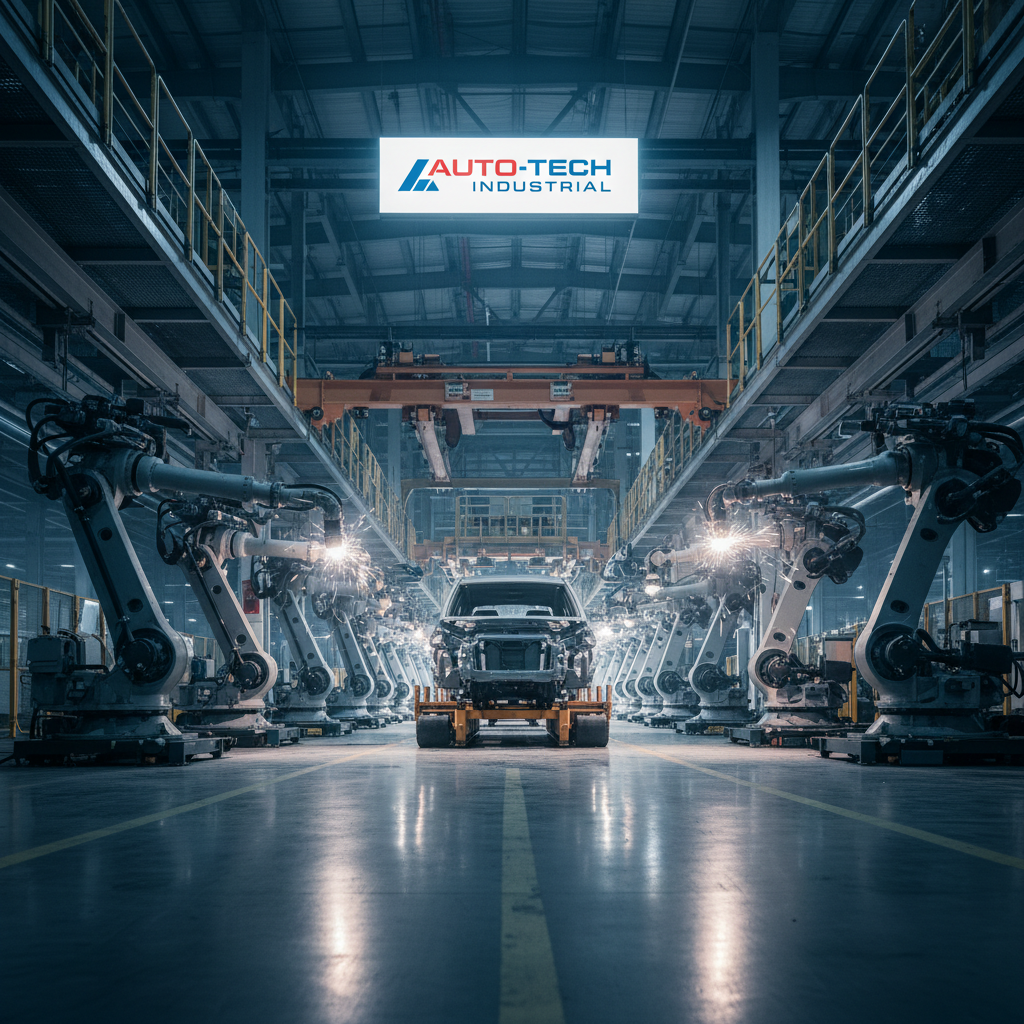
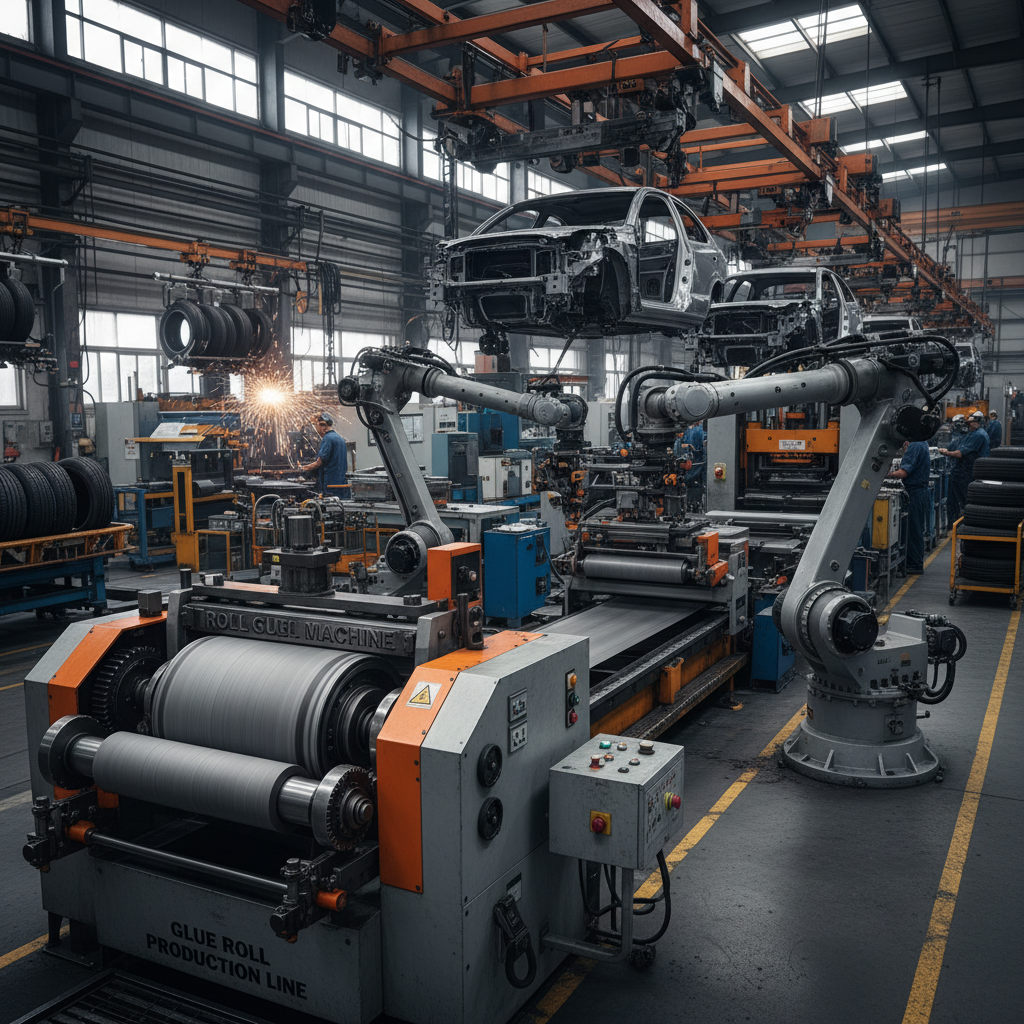
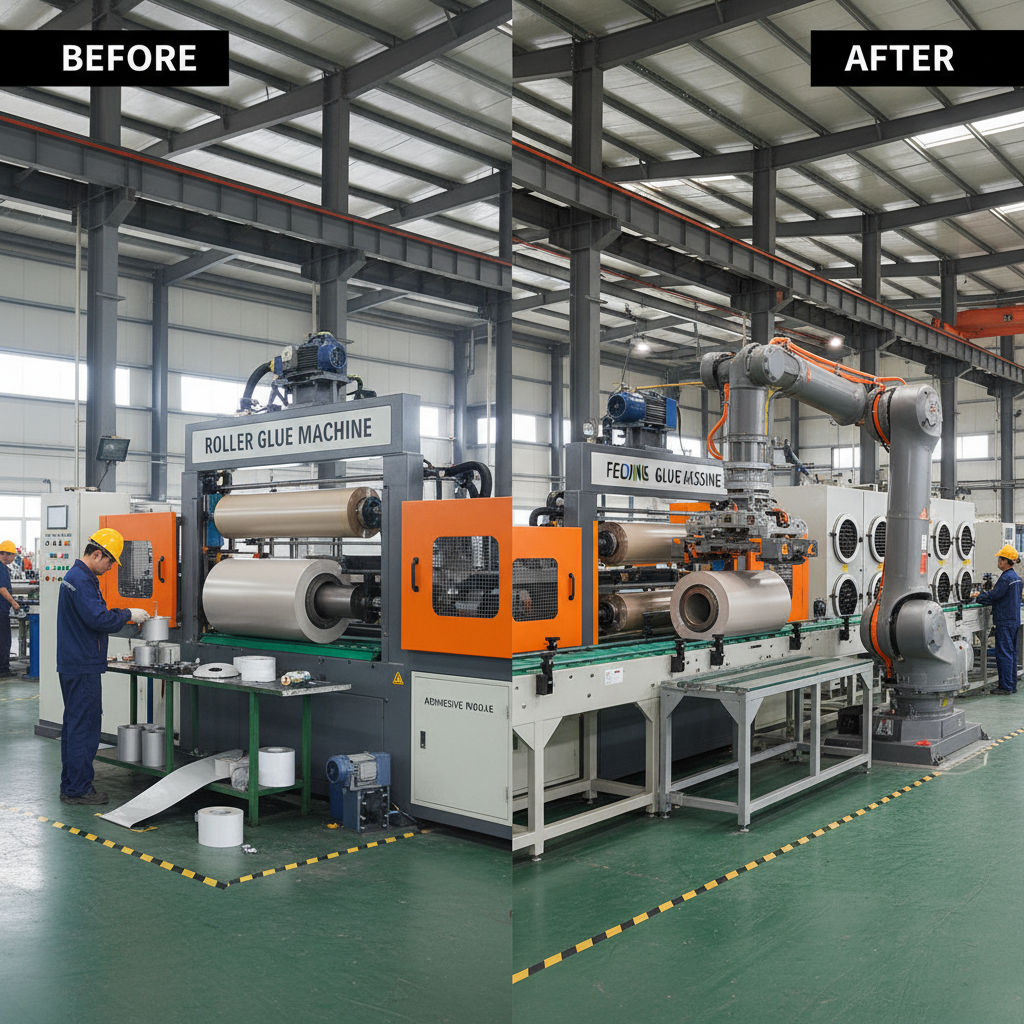
Automation and robotics are playing an increasingly important role in assembly lines, enhancing precision, reducing costs, and improving worker safety. Sustainability will remain a paramount concern, with companies focusing on reducing emissions, utilizing recycled materials, and developing circular economy models. The integration of connectivity and autonomous driving technologies will further revolutionize the automotive landscape.
Challenges and Innovative Solutions
Auto manufacturing companies face a range of challenges, including supply chain disruptions, rising raw material costs, and increasing regulatory pressures. The transition to EVs requires substantial capital investment and the development of new manufacturing capabilities. Maintaining cybersecurity and protecting against data breaches is also a growing concern.
Innovative solutions are emerging to address these challenges. Diversifying supply chains, investing in localized production, and adopting advanced manufacturing technologies can mitigate disruptions. Exploring alternative materials and optimizing resource utilization can reduce costs and enhance sustainability. Implementing robust cybersecurity measures and collaborating with industry partners can protect against cyber threats.
Companies are also embracing circular economy principles, designing vehicles for disassembly and reuse, and establishing closed-loop recycling systems. These proactive measures are essential for ensuring the long-term viability and competitiveness of auto manufacturing companies in a rapidly evolving world.
Summary of Key Challenges and Solutions in Auto Manufacturing
| Challenge |
Impact Level (1-10) |
Potential Solution |
Implementation Cost (USD Millions) |
| Supply Chain Vulnerabilities |
9 |
Diversified Sourcing & Regionalization |
50-100 |
| Raw Material Price Volatility |
7 |
Material Substitution & Recycling |
30-70 |
| EV Transition Costs |
8 |
Strategic Partnerships & Government Incentives |
100-200 |
| Cybersecurity Threats |
6 |
Advanced Security Systems & Training |
20-40 |
| Regulatory Compliance |
7 |
Proactive Compliance Programs & Lobbying |
10-30 |
| Workforce Skill Gaps |
8 |
Reskilling Programs & STEM Education |
20-50 |
FAQS
Auto manufacturing companies are currently navigating a complex landscape marked by supply chain disruptions, the shift to electric vehicles requiring significant investment, evolving consumer preferences demanding more connected and autonomous features, and increasing regulatory scrutiny regarding emissions and safety. Successfully addressing these challenges requires agility, innovation, and strategic partnerships.
The transition to EVs is fundamentally reshaping auto manufacturing. It necessitates substantial investments in battery technology, electric motor production, and charging infrastructure. Existing assembly lines must be reconfigured, and a new workforce skilled in EV technologies needs to be trained. This shift also impacts the supply chain, requiring new sourcing strategies for battery materials and components.
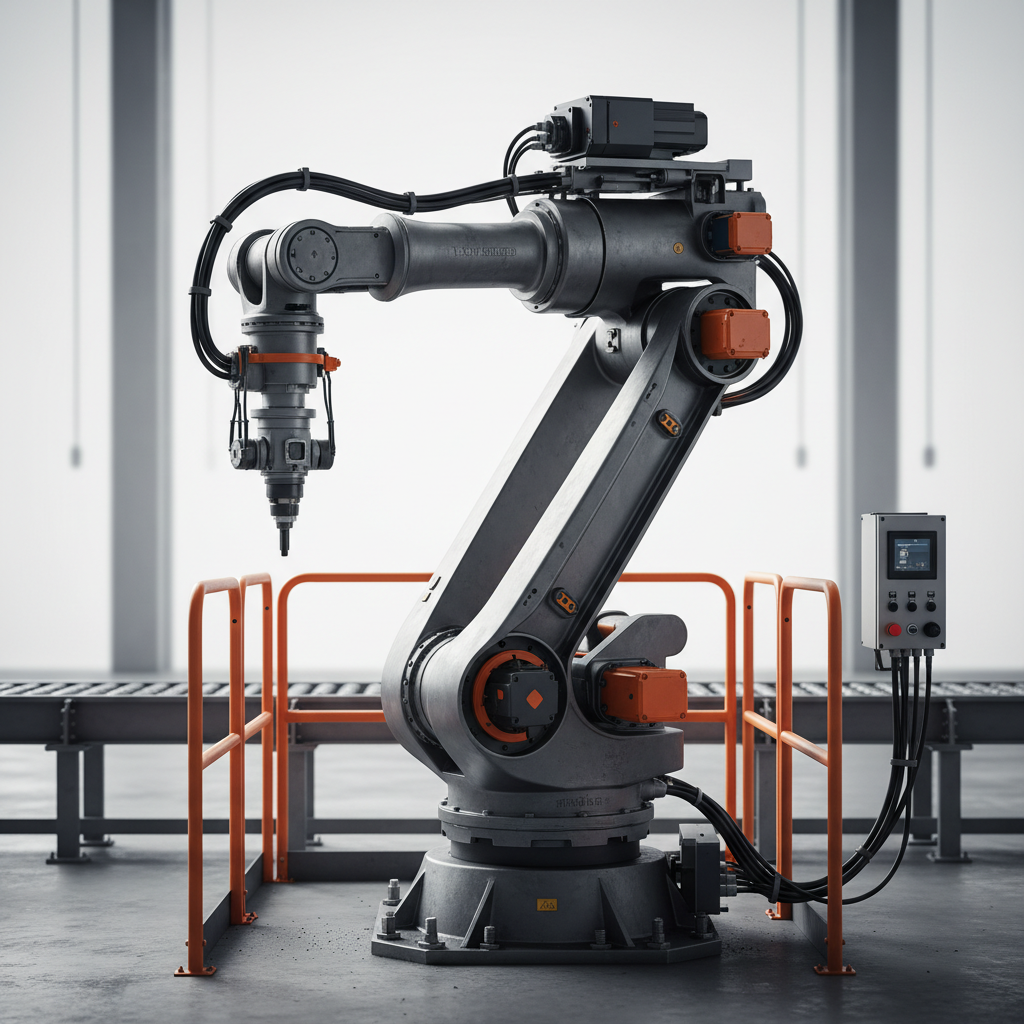
Automation is a cornerstone of modern auto manufacturing, driving efficiency, precision, and cost reduction. Robots are widely used for tasks such as welding, painting, and assembly, enhancing productivity and improving quality control. Furthermore, automation enables greater flexibility in production processes, allowing companies to adapt quickly to changing market demands.
Auto manufacturing companies are increasingly prioritizing sustainability through various initiatives. This includes developing electric and hybrid vehicles to reduce emissions, utilizing recycled materials in vehicle production, implementing energy-efficient manufacturing processes, and designing vehicles for disassembly and reuse. They are also exploring circular economy models to minimize waste and maximize resource utilization.
Globalization has profoundly impacted the auto manufacturing industry, creating complex global supply chains and expanding market opportunities. Companies operate production facilities in multiple countries to leverage lower labor costs, access new markets, and mitigate risks. However, globalization also presents challenges such as supply chain vulnerabilities, geopolitical instability, and trade barriers.
Data analytics is becoming increasingly crucial in auto manufacturing. Companies are leveraging big data to optimize production processes, predict equipment failures, improve quality control, and personalize the customer experience. By analyzing data from various sources, they can gain valuable insights into operational efficiency, customer behavior, and market trends, leading to better decision-making.
Conclusion
In conclusion, auto manufacturing companies represent a dynamic and essential sector of the global economy. From their historical roots in mass production to their current embrace of electric vehicles and advanced technologies, these companies have consistently adapted to changing market demands and societal needs. Understanding their core components, global applications, and future trends is crucial for navigating the evolving landscape of the automotive world.
Looking ahead, the future of auto manufacturing will be shaped by continued innovation, a commitment to sustainability, and a focus on customer-centricity. By embracing digital transformation, investing in skilled workforce development, and fostering strategic partnerships, auto manufacturing companies can overcome challenges and unlock new opportunities for growth and success. Visit our website at www.headliningline.com to learn more about leading auto manufacturing companies.